





 Portuguese
  English
  Spanish
  3 min of reading


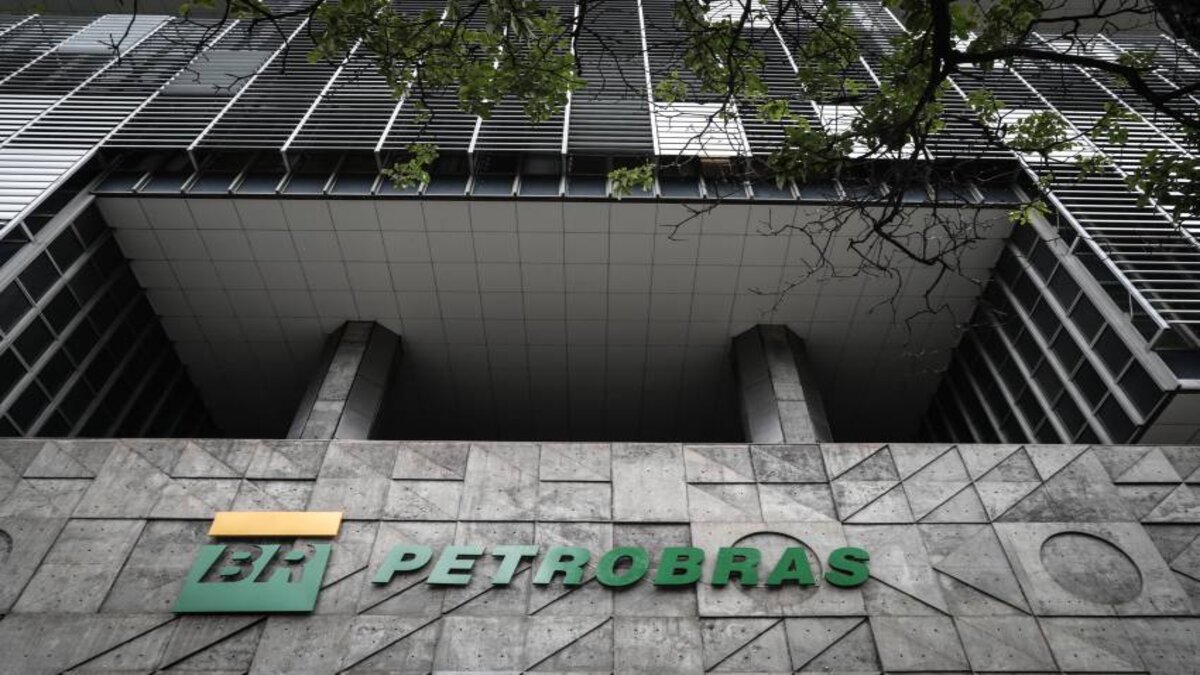
The Main Objective Of The Brazilian Government With The Inclusion Of A Mechanism For The Sale Of Assets Such As Refineries In The Privatization Project Of Petrobras Is An Expansion In Competitiveness In The National Market And A Reduction In Fuel Prices.
The privatization project of Petrobras is advancing under the Brazilian government. And this Thursday, (30/06), as part of the company’s privatization process, it is believed that a mechanism will be included to guarantee the sale of the state-owned company’s assets. Among them, the concession of refineries is the main objective, as a way to control fuel prices in Brazil, increasing market competitiveness and bringing new suppliers over the coming years in the country.
Petrobras Privatization Project May Include Mechanism For Asset Sales For Refinery Concessions In The Fuel Sector In Brazil
The current scenario of instability in the management of Petrobras, with the frequent changes in the company’s highest positions, is making the state-owned company’s privatization project increasingly viable. This is because the Bolsonaro government intends to reduce the Union’s participation in the company until it is diluted, as a way to hand over the company to private initiative over the coming years.
Thus, to decrease the state’s control over the fuel market, the government is now seeking to include a mechanism for the sale of assets in the company’s privatization project, including some of Petrobras’ refineries in Brazil.
-
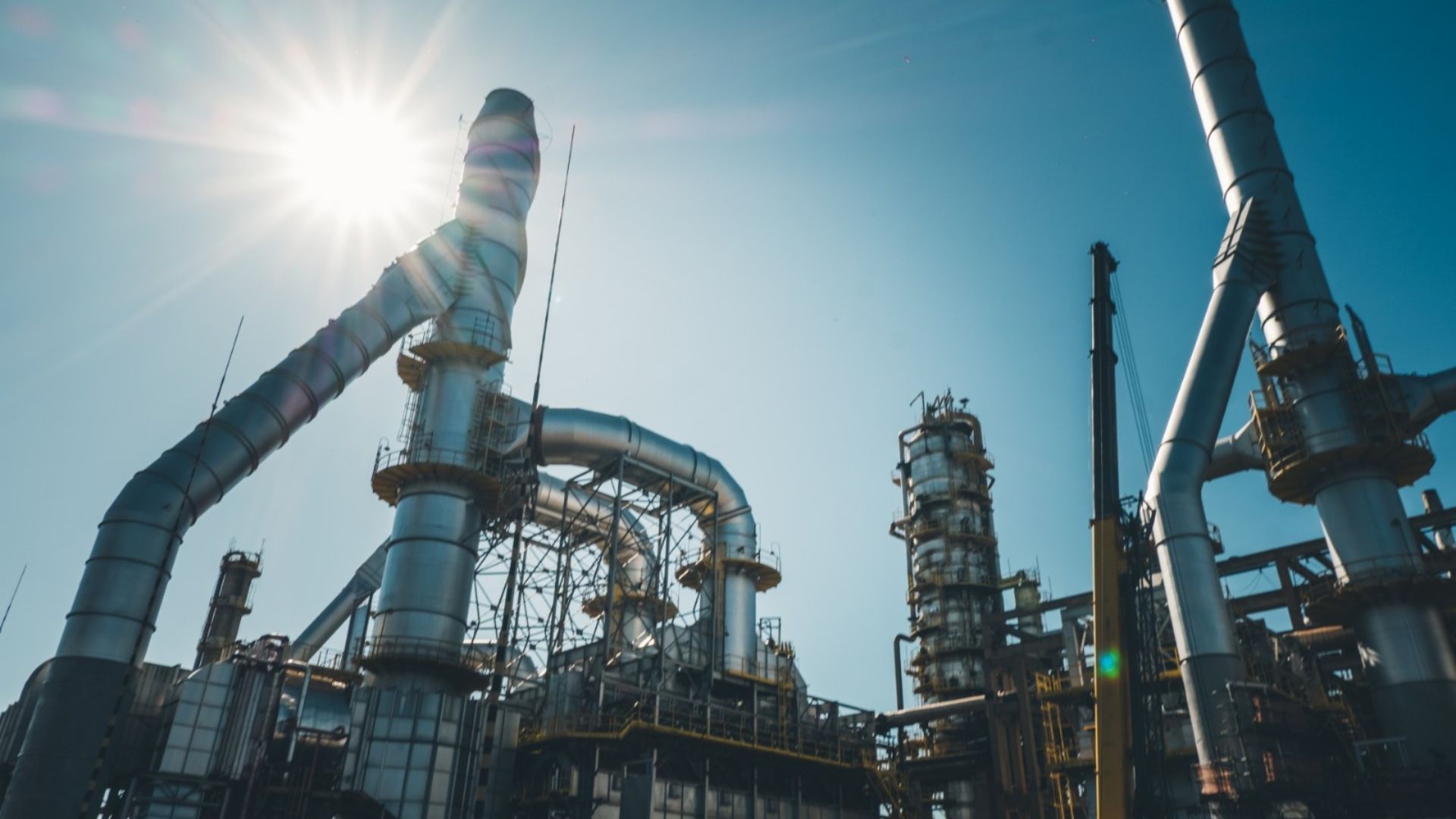
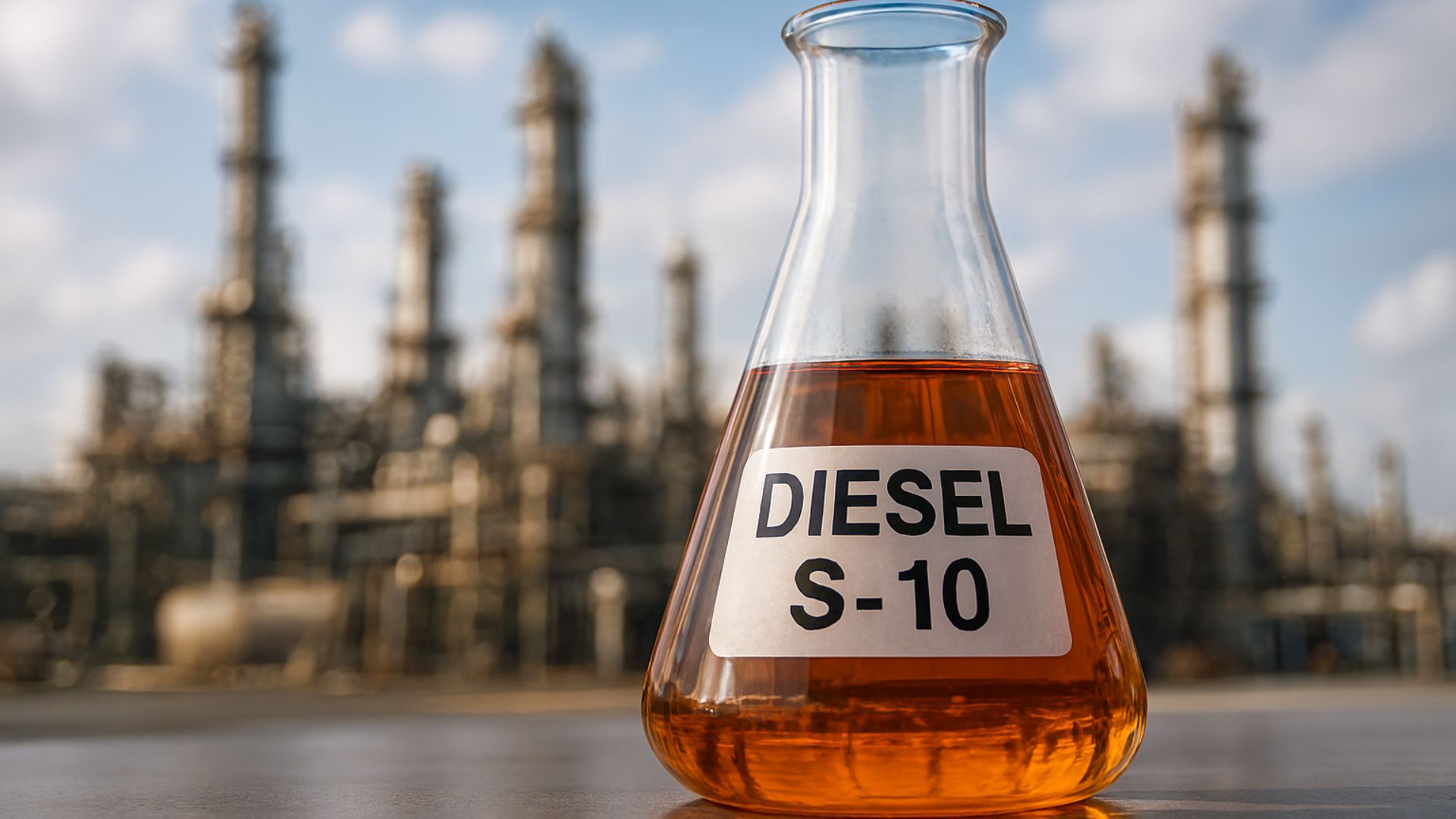
Petrobras Expands Refining in Brazil, Increases Production of Diesel S-10 and Gasoline, Enhances Operational Efficiency, and Reduces Import Dependence Between 2023 and 2025
-
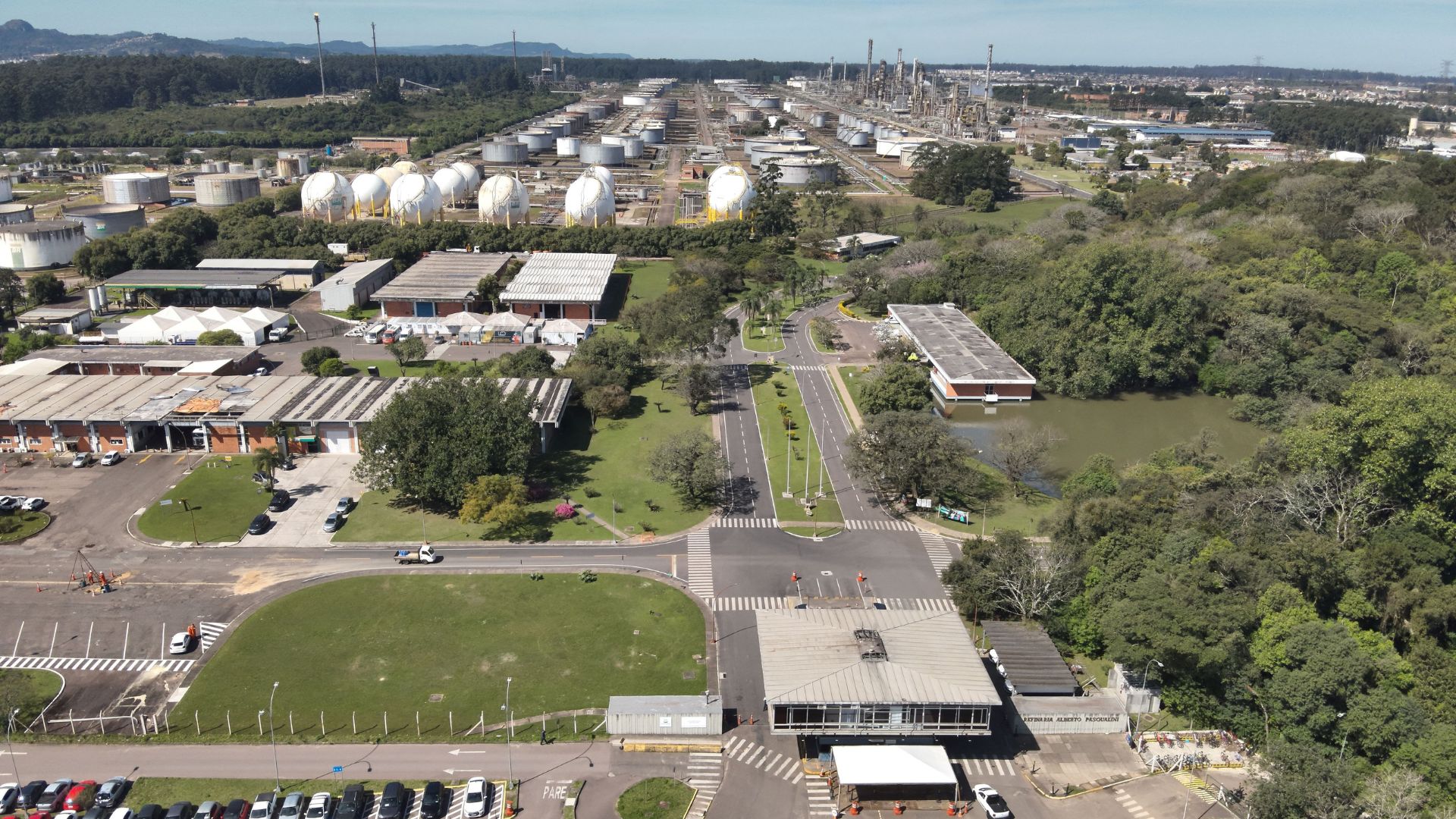
Petrobras’ Refap Sets Historic Records for Gasoline and S-10 Diesel Production in Canoas in Q4 2025, Surpassing Previous Figures
-
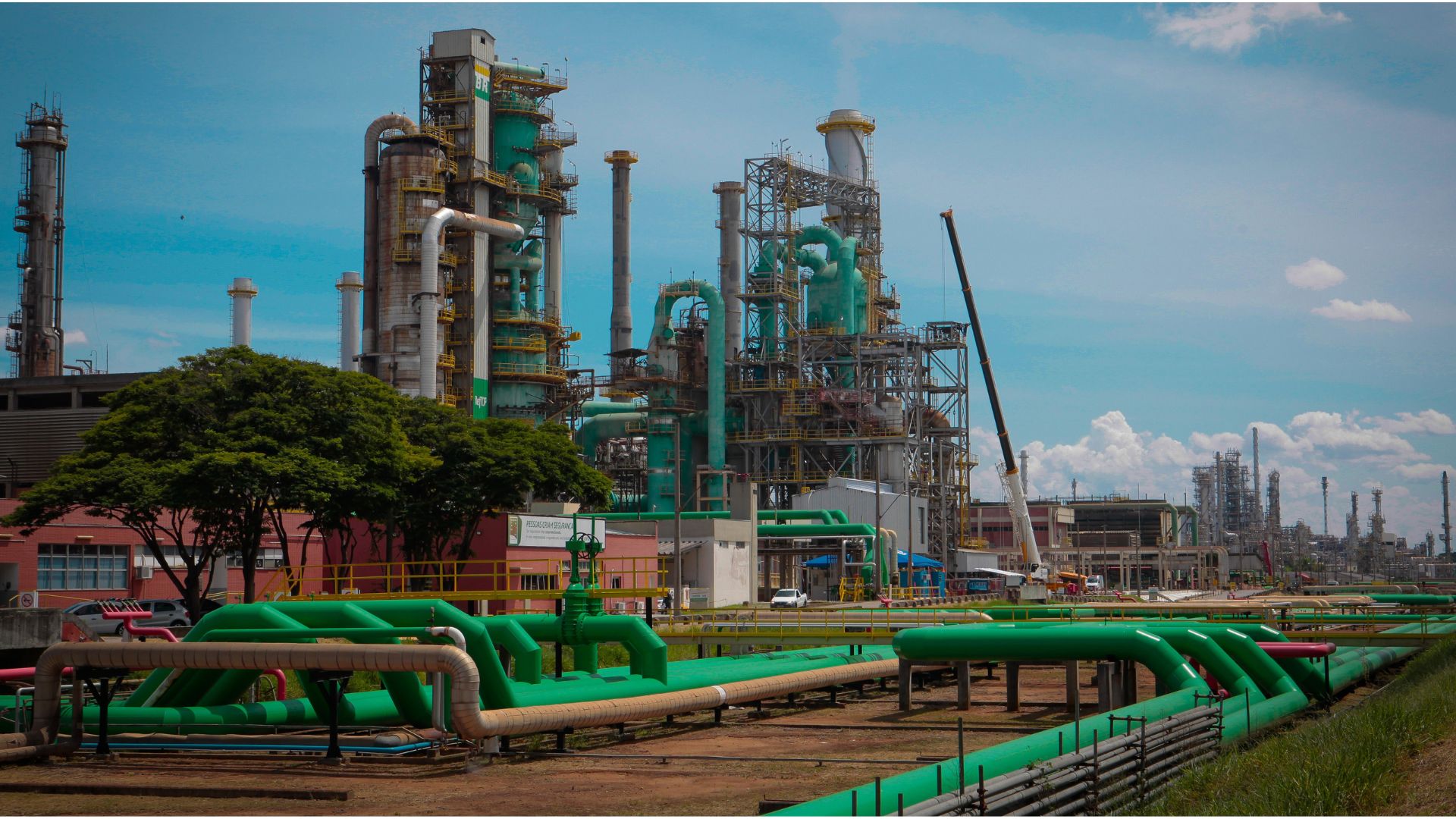
Revap Starts Operation of Modernized HDT and Petrobras Expands S-10 Diesel Production by 80% at the Refinery, Boosting Supply of Less Polluting Fuel in Brazil
-
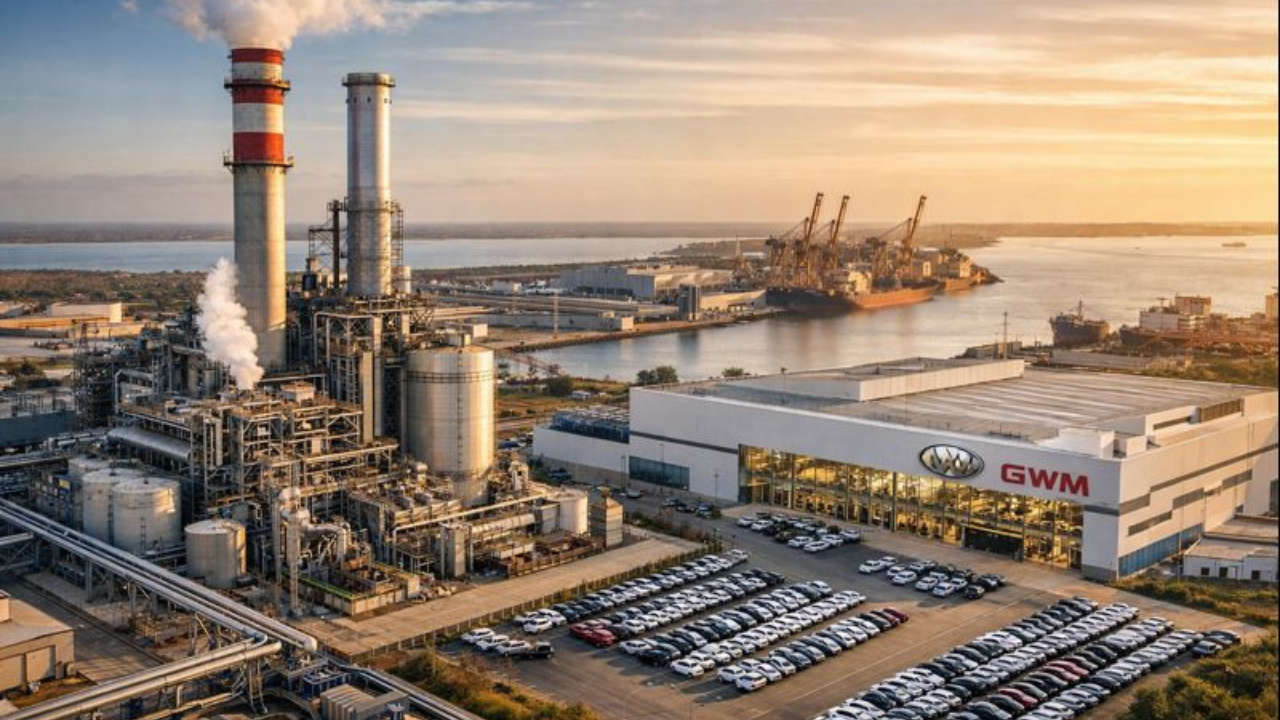
Thermal Power Plant in Rio Grande do Sul Is Key to Attracting GWM
The government’s main argument currently is that, due to controlling most of the oil and gas market in Brazil, the privatization of the company could lead to market concentration in the hands of private initiative. This is the most criticized point currently by the President of the Republic, Jair Bolsonaro, who supports the company’s privatization.
And, with the sale of assets, including a portion of the refineries in Brazil, Petrobras would no longer control this large part of the oil and gas market, which would be more competitive with the arrival of new companies.
In this way, the government argues that the concession of the assets will also lead to a reduction in fuel prices, which currently experience a constant increase in the final pass-through to consumers. Furthermore, the sale would also boost investments in the oil sector in the country, as new entrepreneurs could set up in the national territory.
CNPE Could Oversee The Refinery Sale Process In The State-Owned Company’s Privatization Project Over The Coming Years
Even before the company’s privatization project was so prominent in the national political scene, Petrobras signed an agreement in 2019 with Cade (Administrative Council for Economic Defense) to sell 8 of its 13 refineries, but the company has so far only disposed of one facility.
Now, the government intends to accelerate this process, leaving it to the State itself to decide on the concession of these assets in the future.
If the refinery sale mechanism is included in the company’s privatization project, the proposal would grant the CNPE (National Council for Energy Policy) the power to set guidelines for promoting free competition in the oil and natural gas industry, which would include the possibility of indicating the assets to be sold. Thus, the agency could also set maximum deadlines for the completion of the concession of these assets to Petrobras.
Now, the project for the inclusion of the mechanism is under internal discussion between the Ministry of Mines and Energy and the Ministry of Economy, which, together with President Jair Bolsonaro, are working to accelerate the delivery of the state-owned company to private initiative in the coming years.








Seja o primeiro a reagir!