





 Portuguese
  English
  Spanish
  3 min of reading
  0 comments



Federal Government Plans a Minimum Wage Above the Expected. The Measure Benefits Millions, but Generates Billion-Dollar Impact on Public Accounts.
The minimum wage in Brazil is about to make a leap that promises to excite millions of Brazilians.
In 2025, the amount could reach R$ 1,521, representing a significant increase from the current minimum wage of R$ 1,412.
However, this adjustment, which brings relief to workers, also raises questions about the economic challenges it will pose for the federal government.
-
He sold his share for R$ 4 thousand, saw the company become a giant worth R$ 19 trillion, and missed the opportunity of a lifetime.

-
Elon Musk’s Starship megafrocket puts $8 billion at risk, raises alarms in the market, and could affect technology, mining, and space internet startups in the coming years.

-
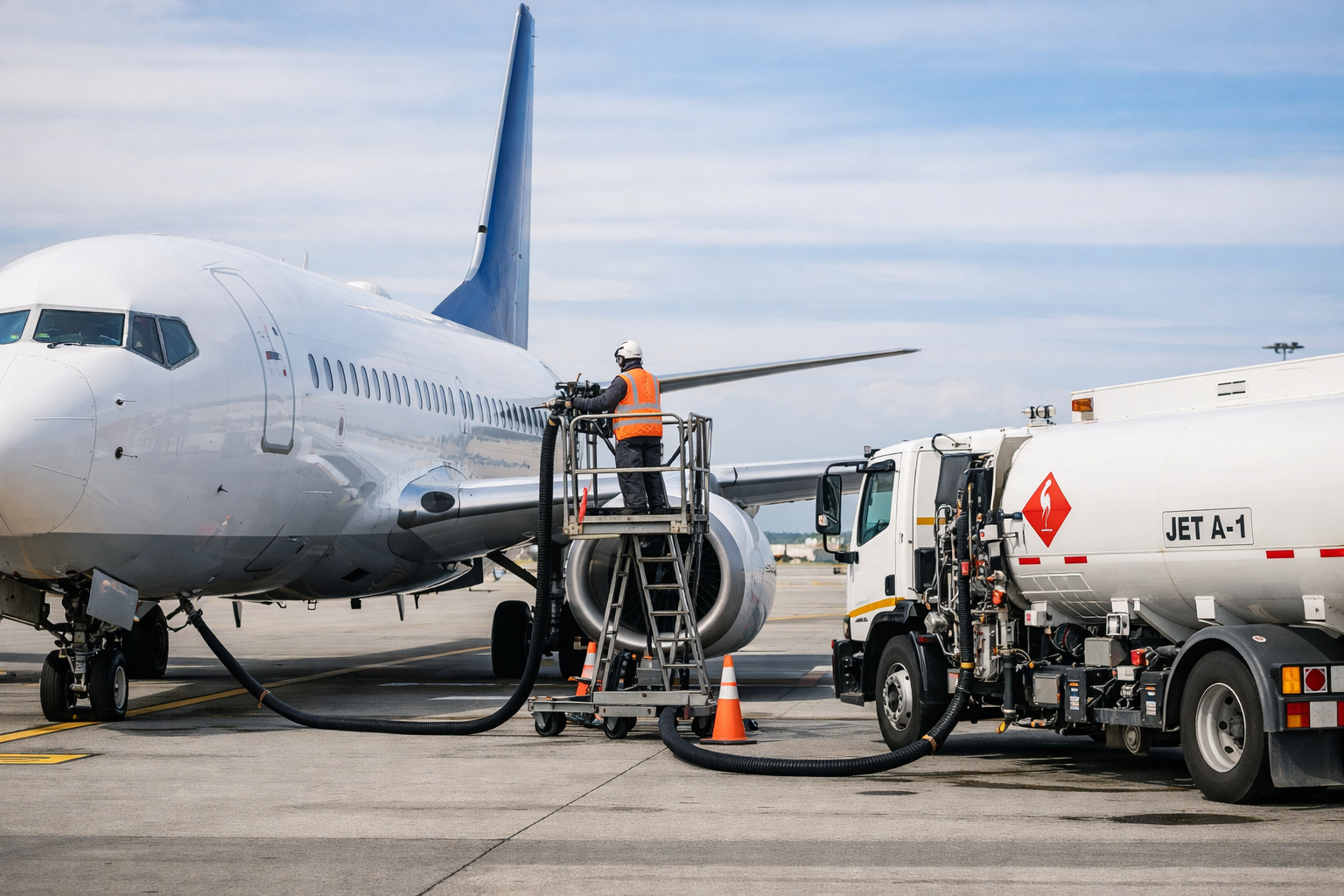
Airfare prices may rise with increasing fuel costs, and the government is considering urgent measures to avoid a direct impact on the wallets of Brazilians.
-
Chocolate prices soar nearly 15% and become a luxury item for Easter 2026, with increases surpassing inflation and changes in Brazilian consumption habits.


The Secretariat of Economic Policy (SPE), linked to the Ministry of Finance, projects that the adjustment will be higher than initially proposed in the August budget, when the estimated amount was R$ 1,509.
The estimated increase of R$ 109 or 7.71% reflects the accumulated inflation and the real growth of the GDP in 2023, which was 2.9%.
Despite optimistic forecasts, the final amount will only be announced in December, when the final data for the National Consumer Price Index (INPC) is closed.
How Is the Adjustment Calculated?
The formula for calculating the minimum wage combines two main factors:
Inflation measured by the INPC until November 2024, which reflects the increase in the cost of living and is guaranteed by the Constitution as the basis for the adjustment.
Real GDP growth from two years prior: For 2025, it uses the GDP from 2023, which recorded significant growth of 2.9%.
In recent months, inflation has been impacted by climatic factors, such as excessive rainfall and severe droughts, which have pressured food prices and other essential items.
This scenario contributed to a larger adjustment than initially expected.
Who Depends on the Minimum Wage?
Approximately 59.3 million Brazilians have their incomes linked to the minimum wage, according to updated data from the Inter-Union Department of Statistics and Socioeconomic Studies (Dieese).
This includes formal workers, pensioners, beneficiaries of social programs, such as the Continuous Cash Benefit (BPC).
Beyond the direct impacts, the minimum wage adjustment influences purchasing power and increases the average salary of Brazilian workers, creating a cascading effect on the economy.
When the minimum wage rises, consumption of goods and services tends to grow, which can help in economic recovery.
Benefits and Economic Challenges
The increase in the minimum wage has positive effects on the lives of workers and beneficiaries. A larger adjustment means greater purchasing power, relief for family budgets, and more dignity for millions of people.
However, the impact on public accounts is also significant. According to calculations from the federal government, every R$ 1 increase in the minimum wage generates an additional expense of R$ 392 million.
This happens because benefits such as pensions, unemployment insurance, and salary bonuses are tied to the national minimum wage.
If the increase of R$ 109 is confirmed, the government’s mandatory expenses may grow by up to R$ 42.7 billion in 2025.
This amount may reduce the resources available for investments and social programs, as the discretionary budget (free spending by the government) will be compressed.
Impact on Wallets and the Economy
In addition to directly benefiting workers, the increase in the minimum wage influences sectors such as commerce and services, which benefit from greater consumption by the population.
On the other hand, the government faces the challenge of balancing mandatory spending with the need to invest in infrastructure, health, and education.
The adjustment may also drive salary negotiations in private companies, where the minimum wage serves as a base for determining pay.
This movement could help in economic recovery, but it also requires attention to prevent negative impacts, such as inflation rising.
What to Expect in the Coming Months?
The final value of the minimum wage for 2025 will be announced in December when the November INPC is consolidated.
Until then, millions of Brazilians are eagerly awaiting a decision that will directly impact their lives and the country’s budget.
The central question remains: is the proposed increase sufficient to meet the population’s needs, or could it be even higher?
And how will the government balance the increase in spending with the need to keep public accounts in order?
Share your opinion in the comments: is the minimum wage of R$ 1,521 ideal for you, or do you believe the amount should be higher?




Seja o primeiro a reagir!