





 English
  Francês
  Alemão
  Italiano
  Japonês
  Norueguês
  Portuguese
  Spanish
 4 min of reading


BESC Institute Holds Webinar on May 11 with the Participation of Important Representatives from the Sector and Experts from the Federal Government and Private Initiative to Discuss the Future of the Automotive Industry
The BESC Institute of Humanities and Economics will hold the 31st ASPEN – Permanent Assembly for National Efficiency on May 11, focusing on the Automotive Industry, Auto Parts, and Vehicle Distribution. The virtual seminars, held monthly and broadcast on YouTube, aim to collaborate with Brazilian society in facing the crisis the country is experiencing, addressing issues involved. These webinars typically focus on logistics, production, mobilization, and transportation, among other modalities that involve the GDP. The events feature the participation of important leaders, managers, technicians, and specialists from Brazil’s federal government and the private sector.
This edition will feature a discussion on the future of the automotive chain led by the president of ANFAVEA – National Association of Motor Vehicle Manufacturers, Luiz Carlos Moraes, the president of FENABRAVE – National Federation of Motor Vehicle Distribution, Alarico Assumpção, the director of Economics at Sindipeças, George Rugitsky (representing the President of Sindipeças Dan Ioschpe), and the Secretary of Industry, Commerce, Services, and Innovation of the Ministry of Economy, Jorge Luiz de Lima. The meeting will be moderated by the president and CEO of Iochpe-Maxion, Marcos de Oliveira.
The guests will highlight perspectives and initiatives implemented in the context of the pandemic, emphasizing the changes in the sector and the federal government’s support actions for the return of employment in this economic segment. The 31st ASPEN aims to encourage and consolidate the economic recovery in Brazil and, with that, the return of jobs in this industry, discussing strategies for reducing GHG emissions (greenhouse gases) and increasing tax revenues.
-
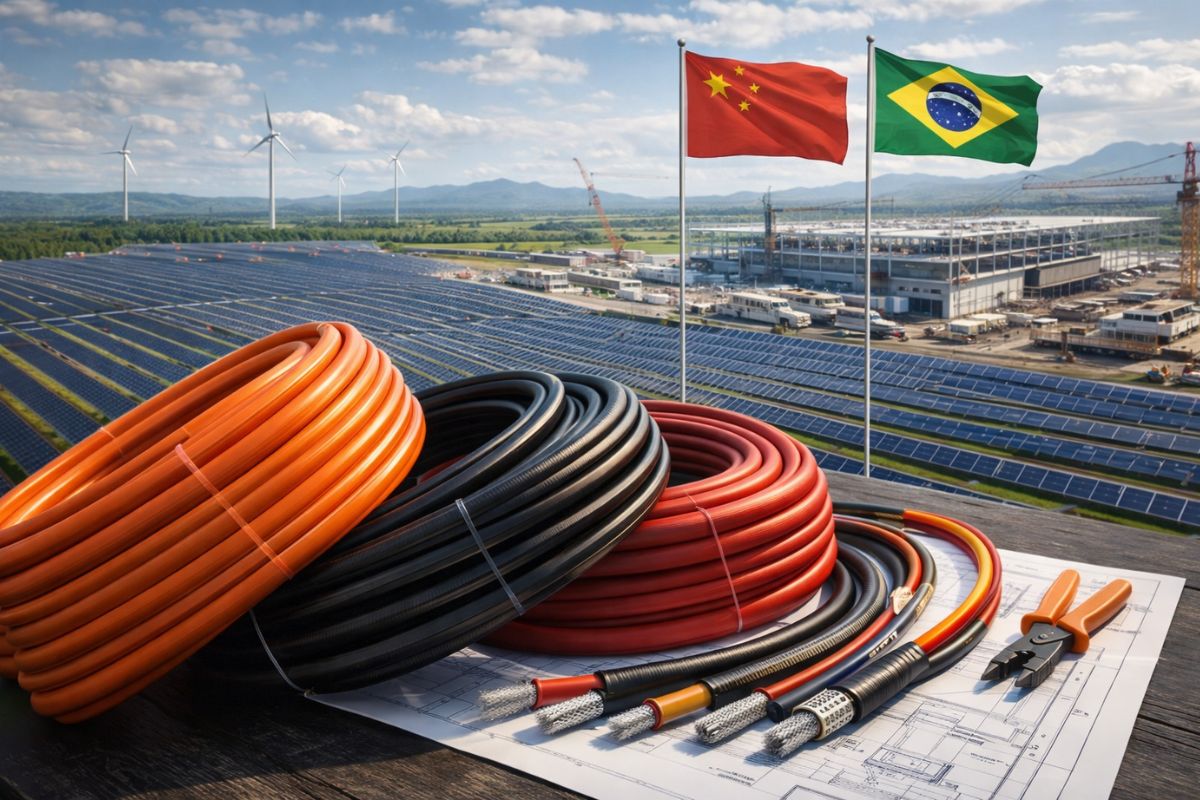
Chinese giant worth nearly R$ 4 billion that manufactures cables for electric cars, solar energy, and robotics wants to open a factory in SC.
-
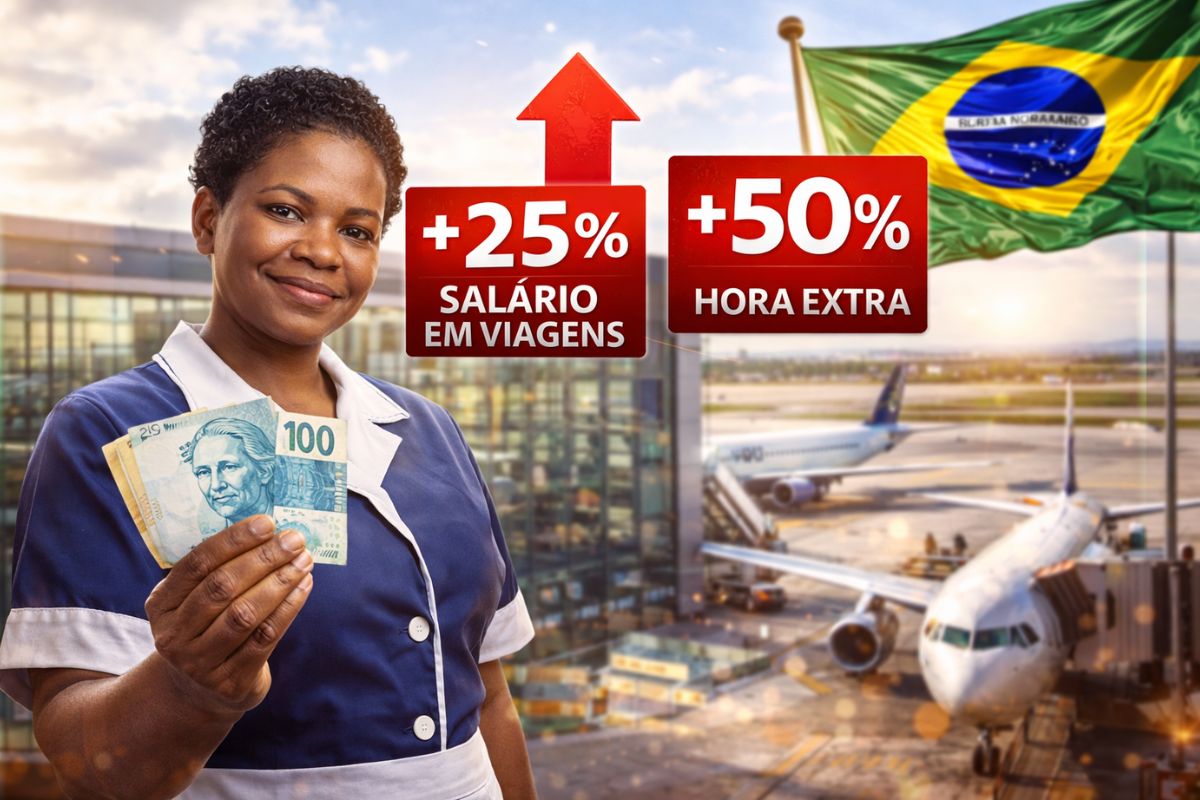
Many employers do not know, but the law guarantees domestic workers a 25% increase in salary during trips, 50% for overtime, 20% for night shifts, and 17 additional benefits that can lead to labor lawsuits if not paid.
-
Gasoline prices soar and the question arises: is ethanol more advantageous? The 70% rule reveals the limit with gasoline.

-
The government has made a decision and is starting a test with more ethanol in gasoline, anticipating a mixture of up to 35%, diesel with 25% biodiesel, and a study to assess the impacts on engines.


Challenges of the Automotive Industry and Auto Parts
The Automotive Industry, Auto Parts, and Vehicle Distribution, along with Transportation, have previously accounted for 10% of the total GDP (Gross Domestic Product) and generated 5.3 million jobs. One of the main challenges for the sector is the return of that capacity, considering the economic recovery in Brazil.
One of the measures advocated by the industry, which can foster economic recovery and promote sustainability, is the introduction of vehicle fleet renewal, starting with trucks, buses, and road implements, taking vehicles over 25 years old out of circulation to be replaced by more updated vehicles, with greater safety and lower greenhouse gas emissions. Another fundamental point is the introduction of a vehicle technical inspection to remove polluting, unsafe, and noisy vehicles, similar to measures in European countries and the United States.
“In a complex industry like the automotive one, discussions among manufacturers, system suppliers, and component providers, and often with the other links in the chain, must be constant. The challenges facing the Global and Brazilian Automotive Industry in the coming decades will be the greatest in its history. The ASPEN event will certainly be important for us to align actions to mitigate the effects of the crisis,” emphasizes George Rugitsky, director of Economics at Sindipeças.
All these fundamental issues for the development of the industry will be addressed in the webinar on May 11. To register, access the video below or return to this article on May 11 at 5:00 PM (Brasília time) to watch the event live:
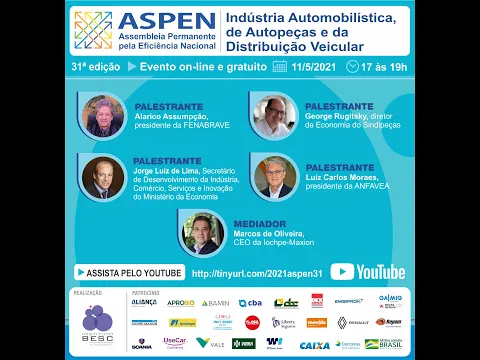

Event Speakers
- Luiz Carlos Moraes, President of ANFAVEA.
- Alarico Assumpção, President of FENABRAVE;
- George Rugitsky, Director of Economics at Sindipeças;
- Jorge Luiz de Lima, Secretary of Industry, Commerce, Services, and Innovation of the Ministry of Economy;
- Moderator: Marcos de Oliveira, President and CEO of Iochpe-Maxion.
About BESC Institute
The BESC Institute of Humanities and Economics was founded in February 2009 as a private civil organization, headquartered in Belo Horizonte. The Institute aims to promote the study and knowledge of all areas of knowledge through seminars, conferences, studies, and research that enable the debate of ideas, exchange of experiences, and implementation of actions for economic and human development for a sustainable life on the Planet.
Focused on economic and human aspects, the BESC Institute brings together leaders, specialists from private, public, and non-governmental organizations, students, and scholars of national and continental problems. Together, they discuss topics that benefit and interest Brazilians, striving for the integration of all regions of Brazil for the well-being and prosperity of its population.
Source: P6 Comunicação










Seja o primeiro a reagir!