Portuguese
  Spanish


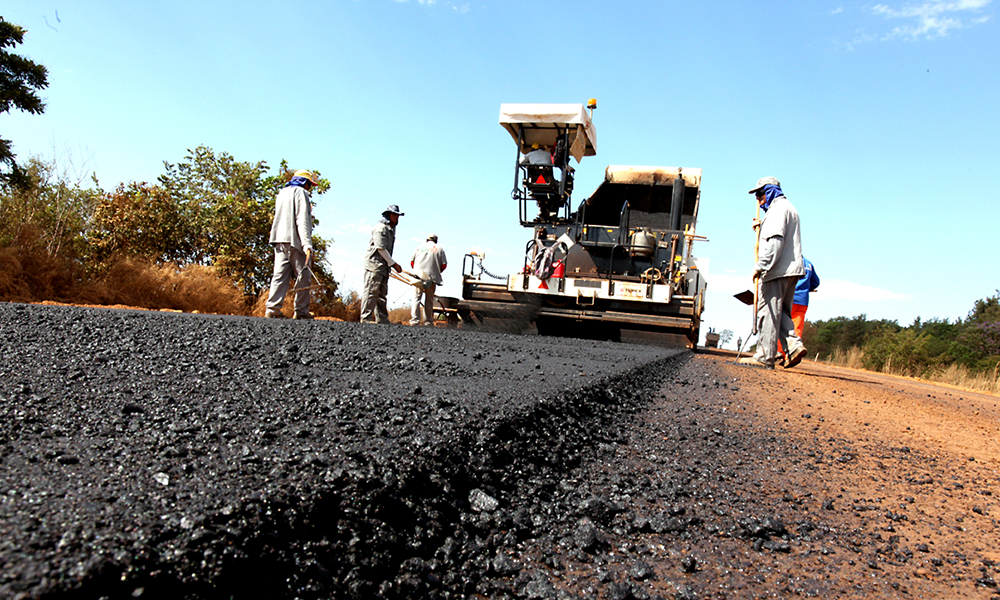

If the Investment of R$ 28 Billion Planned for Infrastructure is Made, Brazil’s GDP Could Receive R$ 40.4 Billion from the Segment
According to an estimate made by LCA Consultores, if the infrastructure investments are made, it could yield R$ 40.4 billion to Brazil’s GDP. The study called “X-Ray of the Infrastructure Sector” projected the public investments that will be made in the infrastructure sector.
According to the study, which was commissioned by Sinicon (National Union of Heavy Construction Industry – Infrastructure), if R$ 28 billion are invested in PPI projects – Investment Partnership Program, the yield to Brazil’s GDP could exceed R$ 40 billion by 2022. The infrastructure segments expected to receive the investments are: sanitation, logistics, and transportation. The “X-Ray of the Infrastructure Sector” also showed data that for every R$ 1 invested in infrastructure, R$ 1.44 is returned to the Brazilian economy, specifically to the GDP.
Ministry of Infrastructure Should Invest R$ 1 Billion in Aviation
To stimulate regional aviation, the Ministry of Infrastructure (MInfra) has invested and will invest about R$ 1 billion between 2019 and the end of 2021. These investments will be used for aviation equipment, renovation, and construction of new airports, which will benefit around 112 cities in all regions of the country. The goal is to increase connectivity and expand flights from all 27 states of the country.
-
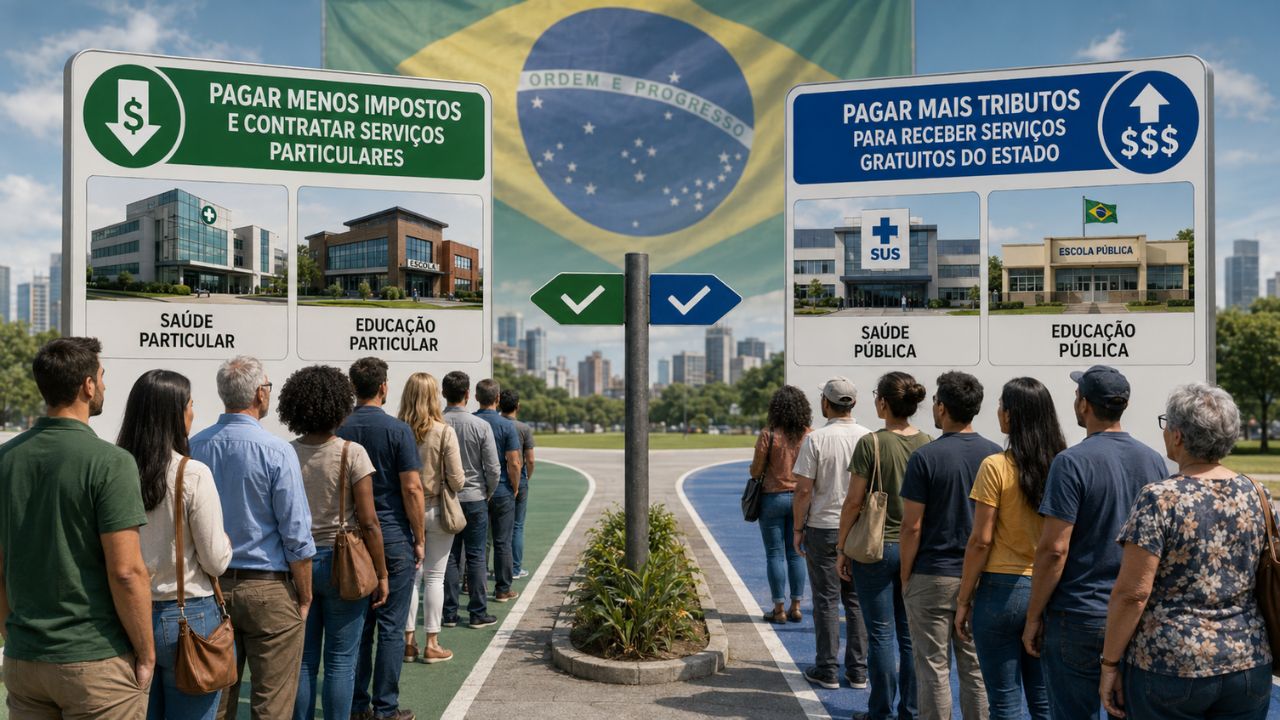
Half of Brazilians Prefer Lower Taxes with Private Health and Education, While 44% Opt for Higher Taxes for State-Provided Services, Datafolha Survey Reveals

-
Brazil’s Most Expensive Toll Rises to R$ 40.60 on Route from São Paulo to the Coast, Nearly Matching Bus Fare to Santos

-
As Brazil Expands Social Welfare, Survey Reveals 40% Blame Poverty on Laziness, While 58% Cite Lack of Opportunities

-
China Tightens Control on Antimony, Driving Prices from $22,000 to Nearly $40,000 per Ton as U.S. Rushes to Bolster Strategic Reserves



The Executive Secretary of the Ministry of Infrastructure, Marcelo Sampaio, stated that the federal government is carrying out a major transformation in the aviation sector, improving infrastructure, enhancing the business environment, and reducing bureaucracy, and is trying to expand this model in the aviation industry.
The federal government’s goal is to have 200 cities offering regular flights by 2025. According to data from the National Civil Aviation Agency (Anac), there were 128 regular airports in Brazil in 2019. Starting in 2020, the pandemic affected the availability of flights. Due to restrictions and reduced demand, services are currently available in only 96 locations. With the decrease in passenger traffic, the Ministry of Infrastructure is working to expedite the renovation and expansion of various airports.
See Also:
Port of Santos Will Have More Regulatory Rigidity in Privatization, Says Minfra Minister
Compared to other government privatizations, the privatization of the Port of Santos is expected to have greater regulatory rigidity, and port operators will face “greater hurdles” to participate in the franchise. This information came from the Minister of Infrastructure, Tarcísio de Freitas. The event is scheduled to take place next year and involves the largest port complex in Latin America.
Although the regulatory and participatory adjustments are specific to each port, Freitas noted that the privatization model is often tied to the company’s sales performance and port operation.
The Minister of Infrastructure also commented that the profiles of interested participants in these commodities vary. The minister said that the consortium that may cause controversy in the auction could include port operators and investment funds, and these companies have shown “great interest” in these privatizations.
It is expected that all of Brazil will have access to aviation. The Amazon region, with many remote municipalities and no road connections, is a priority. Since 2019, about R$ 200 million have been allocated for the purchase of engineering and equipment for 25 airports in Acre, Amapá, Amazonas, Mato Grosso, and Pará.