Portuguese
  Spanish


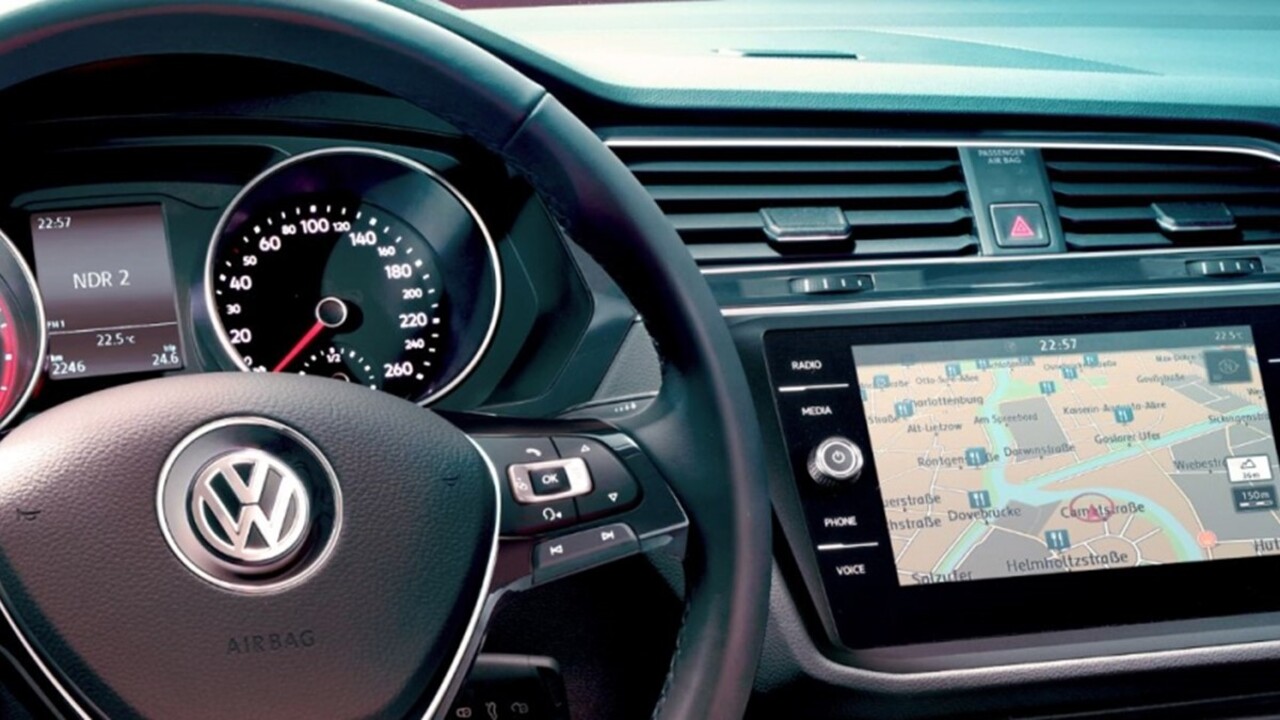

Cheaper Electric Cars May Be Included In Volkswagen’s New Plan For The Automotive Industry
On Monday (15), the Volkswagen Group presented its battery and charging technology project that is set to be implemented in electric cars in the automotive industry by 2030. The plan was announced at the Power Day, an event dedicated to mobility and innovations in electric vehicles.
Read Also
Volkswagen’s project for the coming years aims to reduce the complexity and cost of the battery to make electric cars more attractive and viable for the largest possible number of people. Volkswagen revealed that it is cooperating with major European energy companies such as BP (UK), Iberdrola (Spain), and Enel (Italy).
Volkswagen Says It Has Priorities For The Automotive Industry Currently
“We secure a long-term pole position in the race for the best battery and best customer experience in the era of zero-emission electric vehicles”, stated the Chairman of the Board of Directors of the Volkswagen Group, Herbert Diess, at Power Day.
-
Sales of Brazil’s Cheapest Electric Car Halted Before First Deliveries: E-Motors Suspends Emova Easy Due to Import Tax Increase and Rising Freight Costs

-
Nissan Discontinues Qashqai SUV Amid Cost-Cutting, Chinese Competition, and Product Line Review

-
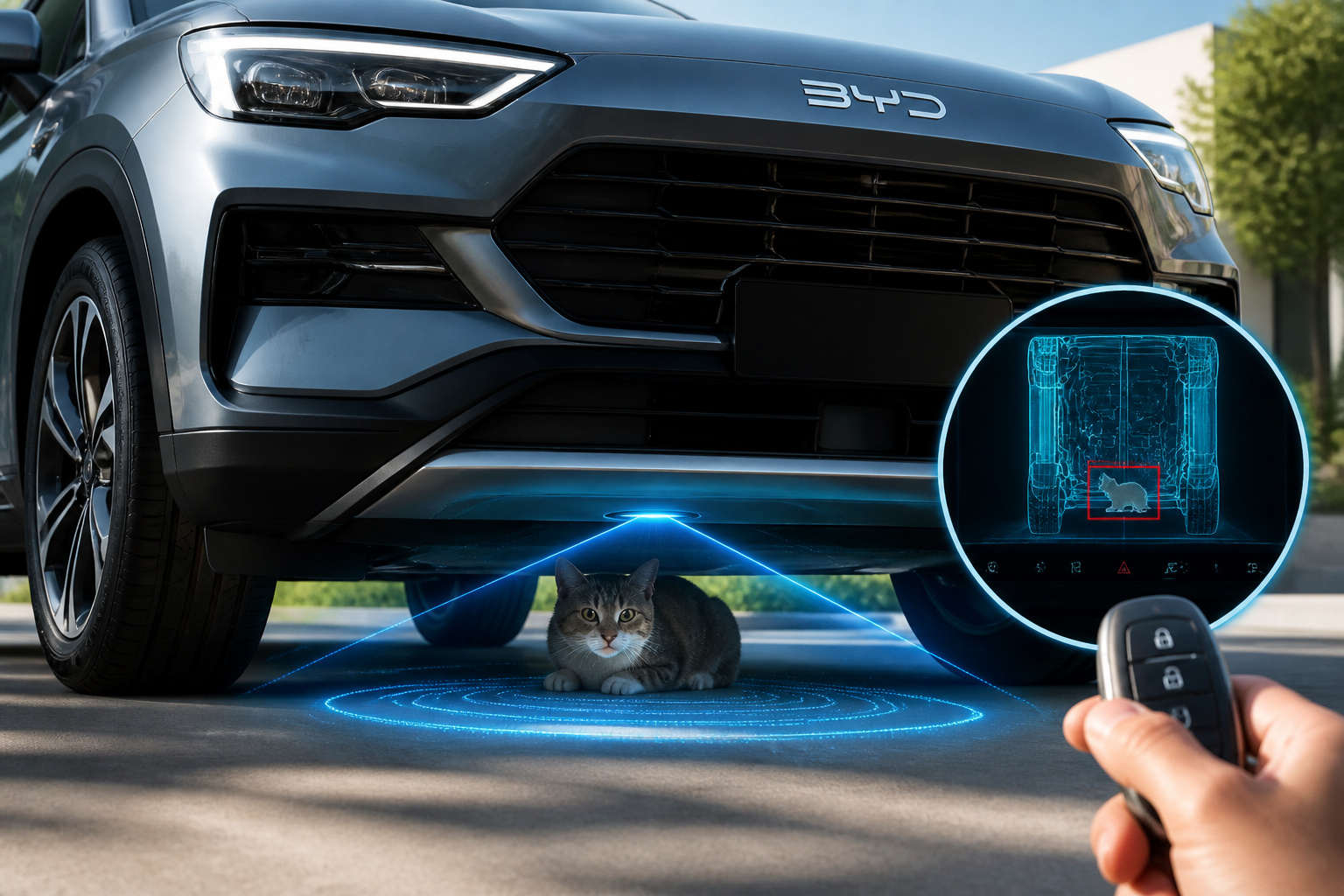
BYD Patents Revolutionary System Using Computer Vision to Detect Animals Under Cars Before Starting, Preventing Tragedies

-
Study Reveals Why Cars Are More Expensive to Produce and Buy in Brazil Compared to Mexico, Highlighting Taxes, Logistics, and Industrial Costs as Key Factors.



The company announced that to meet the high demand in Europe, it is working on battery cell production. The large automotive industry’s expectation is to have six battery cell factories operational in Europe by 2030.
According to Thomas Schmall, head of the technology division and member of the board of directors, these factories are expected to produce cells with a total energy value of 240 GWh per year when they are finally completed. “Our goal is to reduce battery cost and complexity while increasing its range and performance,” he stated.
Unified Cell – The New Battery For Electric Cars
To achieve advances in the battery system, the group developed the so-called unified cell. It will allow the company to have a single format for all electric cars, helping Volkswagen achieve higher production volumes and ensuring sales at a more affordable price. The cell will be installed in 80% of all Volkswagen electric cars by 2030 and is expected to launch in 2023.
Volkswagen is also set to expand its public charging network in Europe, with over 18,000 points, in the United States, with 3,500 new points, and in China, with 17,000 points by 2025.