





 English
  Francês
  Alemão
  Italiano
  Japonês
  Norueguês
  Portuguese
  Spanish
  2 min of reading


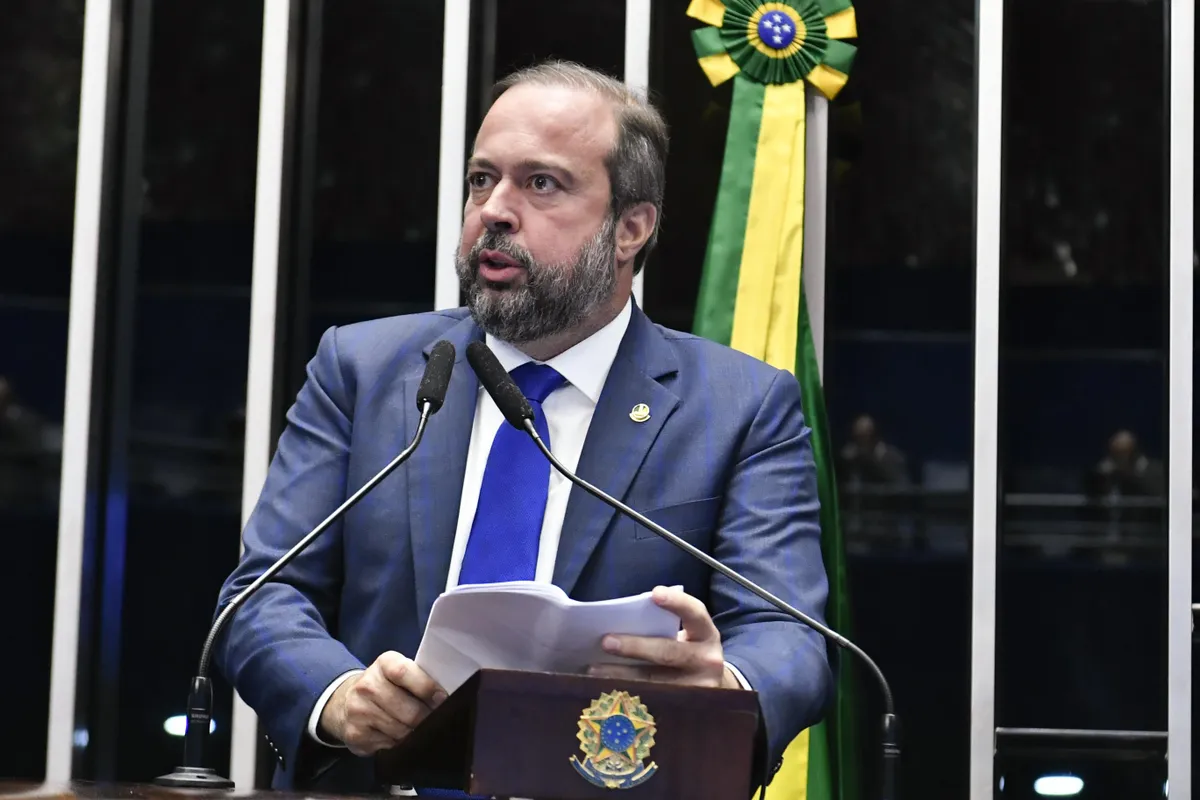
According to a note from Minister of Mines and Energy, Alexandre Silveira, the government will install the National Council of Mineral Policy (CNPM), seeking ways to improve coordination and also the implementation of public policies that will be directed to development.
This objective is to seek the improvement of legal and safety mechanisms, along with the sustainable development of activities, the minister also emphasized.
The council, according to Alexandre Silveira, will also include the participation of municipalities, production producers, and also those affected, so that organized civil society and academic institutions with notable knowledge of the mineral sector are involved.
“Our natural resources will serve our people, not the other way around. They need to be explored in a timely, responsible, sustainable, and rational manner, so that it brings our people and future generations the best possible outcomes,” he said.
-
Historic bankruptcy of Centauro shocks the market, and the century-old company puts more than 500,000 products, machines, and complete infrastructure up for online auction.

-
Brazil extracts 26.3 million tons of ore from what was previously treated as waste, transforming residues into wealth, producing over 3 million tons of sand, and demonstrating how national mining is relearning to generate value.

-
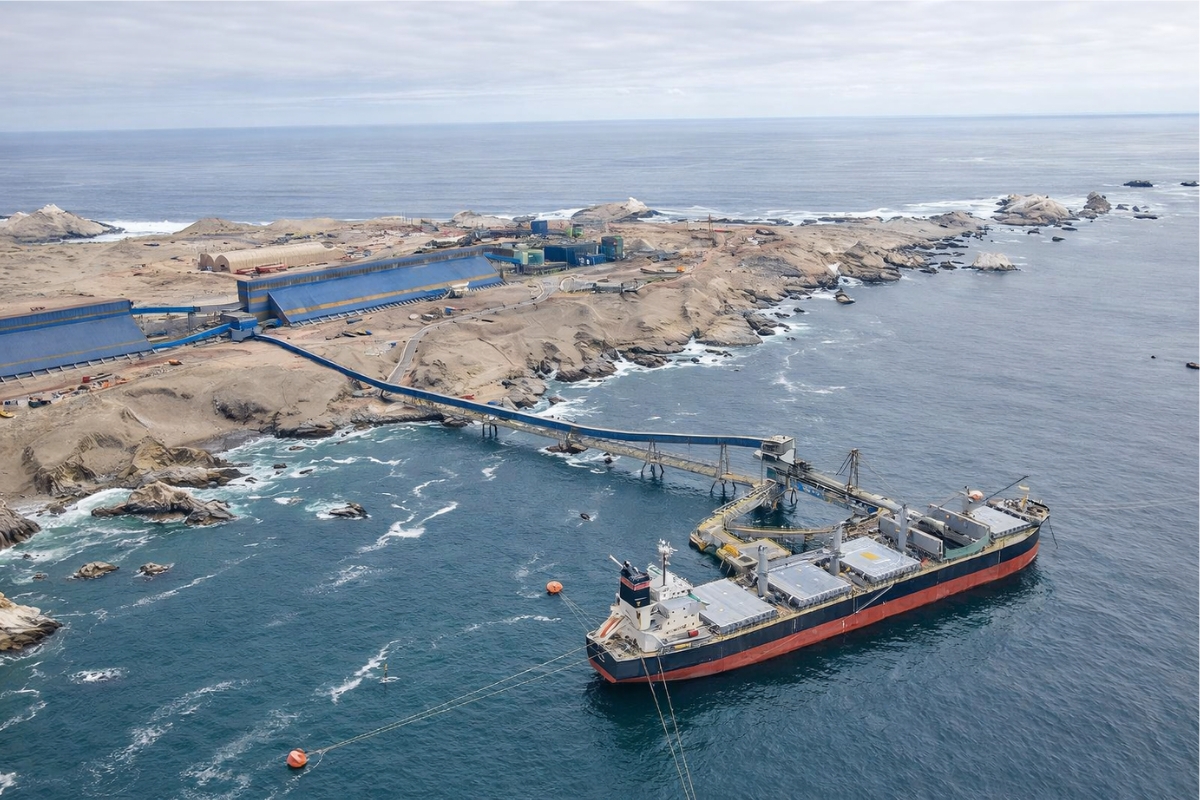
A $3.5 billion megaproject in Latin America pumps desalinated seawater at 1,050 liters per second over 194 km to keep a copper supermine in the Andes operational for another 20 years.
-
New shoe factory in Ceará is expected to create 400 jobs and strengthen the local economy.


Minister Alexandre Silveira has not yet gone into detail on how the new councils would operate and how they would interact with the National Mining Agency (ANM).
Having been born in Minas Gerais, Alexandre Silveira was in the mining municipality of Brumadinho on Wednesday (25) to participate in a memorial event for those who died in the dam break at Vale, which occurred in that region on January 25, 2019.
This structural collapse released a massive wave of sludge that killed about 270 people, in addition to affecting several communities, forests, and rivers.
In Belo Horizonte, Alexandre Silveira also met with some representatives of state and federal powers and social movements.
“We will invest resources and efforts in the rigorous oversight of dam safety, aimed at preventing tragic and regrettable events like these from happening again,” the minister reaffirmed, referring to the dam break of Samarco – a joint venture of Vale with the BHP group – in Mariana, in November 2015.
Alexandre Silveira also highlighted the importance of dialogue with all social movements, such as the Movement of People Affected by Dams (MAB) and Avabrum, the association of families of victims and also those affected by Brumadinho, in the construction, reconstruction, and monitoring of public policies in the sector.
Last week, Minister Silveira met with some representatives of MAB to hold a meeting about the actions related to the people impacted by the break of the dams in Brumadinho and Mariana.








Seja o primeiro a reagir!