Portuguese
  Spanish




The Association of Mining Municipalities of Minas Gerais and Brazil (Amig) is lobbying, alongside the Minister of Mines and Energy, Alexandre Silveira (PSD), for the review of the partial veto to Law 14,514, created by Jair Bolsonaro (PL) at the end of his term, which still provided for the restructuring of the technical staff of the National Mining Agency (ANM).
Therefore, in practice, these blocked points in the text would increase the number of people still working at the agency and, for these municipalities, would bring positive impacts on both oversight and the economy, as well as the environment, these are aspects that are still assigned to mining activities.
Among these vetoes, the associations highlighted three that affect these municipalities: the creation of about 95 additional positions in the ANM structure (which contradicts the total of more than 349) so that all activities and duties of the ANM could be met, in order to reduce its number of employees.
The reformulation of the National Mining Fund, for use as a management fund for the ANM with some resources from fees, fines, and other emoluments under the ANM’s competence.
-
They exchanged the idea of a large house for a 35 m² warehouse, spent US$ 12,000 on the structure, and created a tiny house in Colorado with space to live and work.

-
While modern cities rely on pumps and electricity, in Iran, ancient tunnels carried water through the desert using only slope and gravity.
-
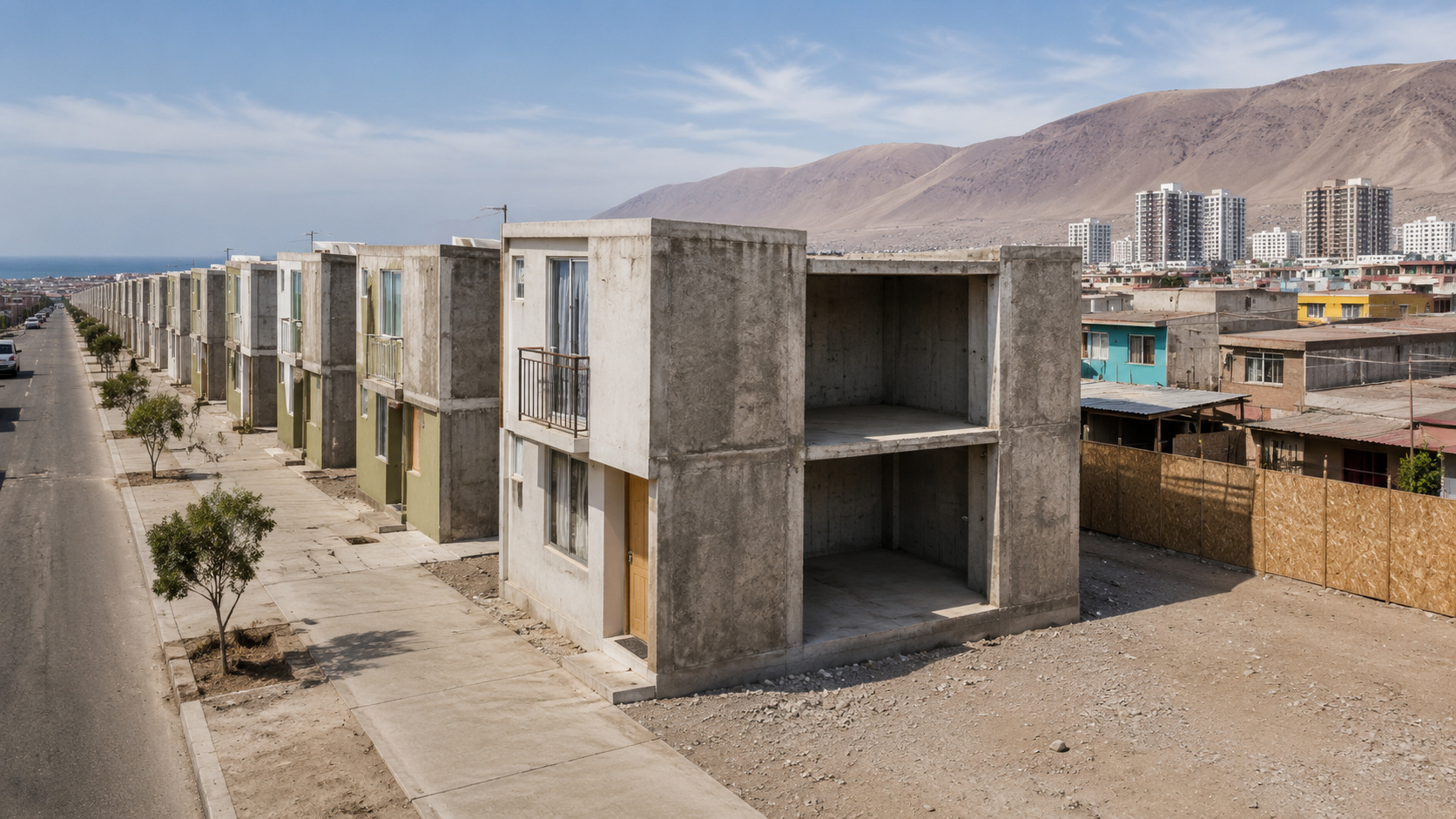
Instead of sending families far from the city, a project in Chile intentionally created incomplete houses on expensive urban land and left technical space for each to grow.
-
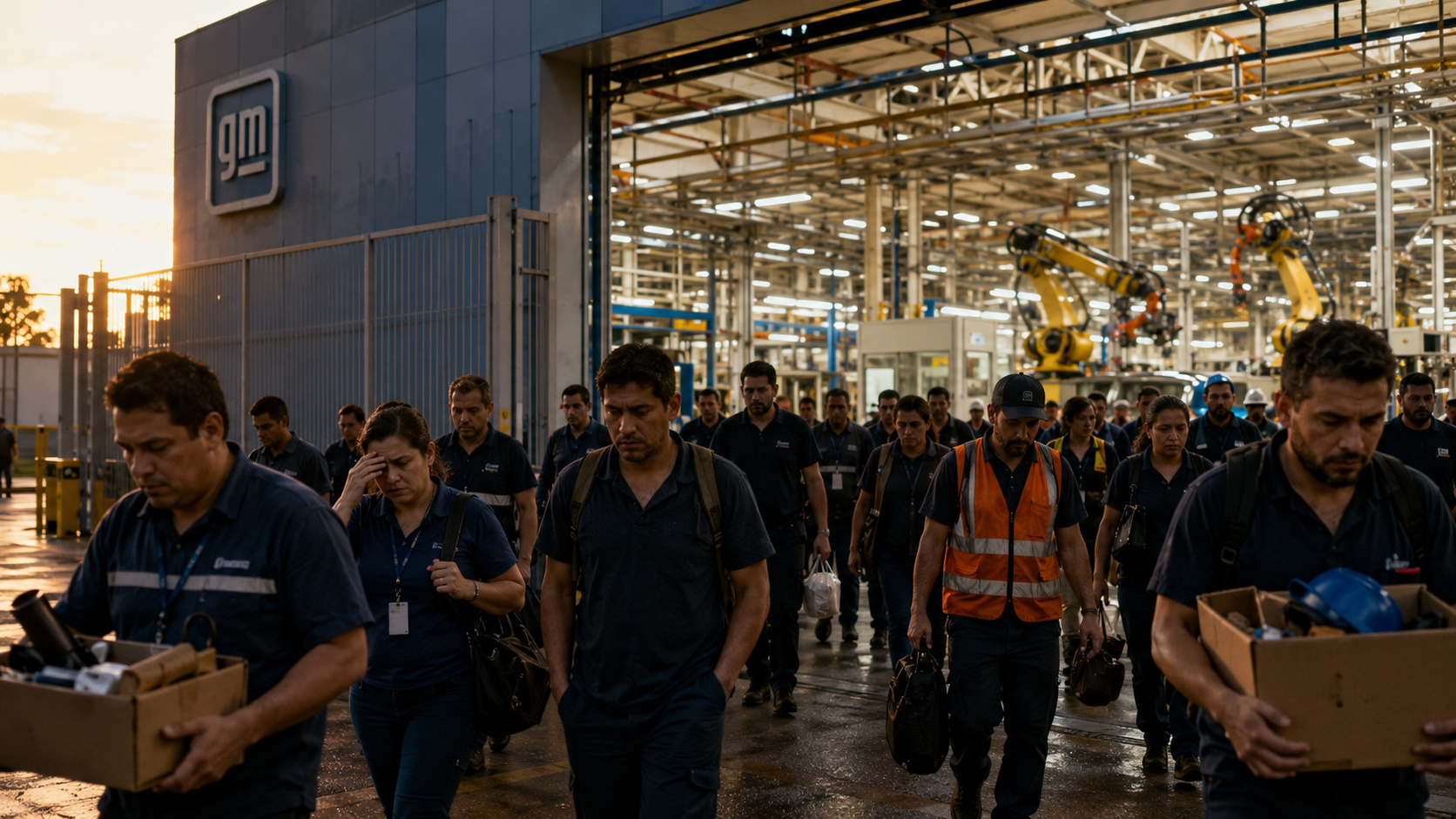
General Motors Replaces Over a Thousand Workers with 50 Cobots at Electric Vehicle Plant, UAW Union Criticizes Move Amid Industry’s Automation Push

And the promotion and funding of studies and projects related to the application of some resources for research, innovation in the mineral sector, and technological development.
According to Amig’s assessment, the vector was driven by the increased spending that the Executive branch would have with this personnel, which is usually the proposal made by the Legislative branch. The other articulations made by the municipality also extend to federal deputies and direct managements under Lula, as it is seen as “more accessible” by the association.