





 Portuguese
  English
  Spanish
  4 min of reading
  0 comments


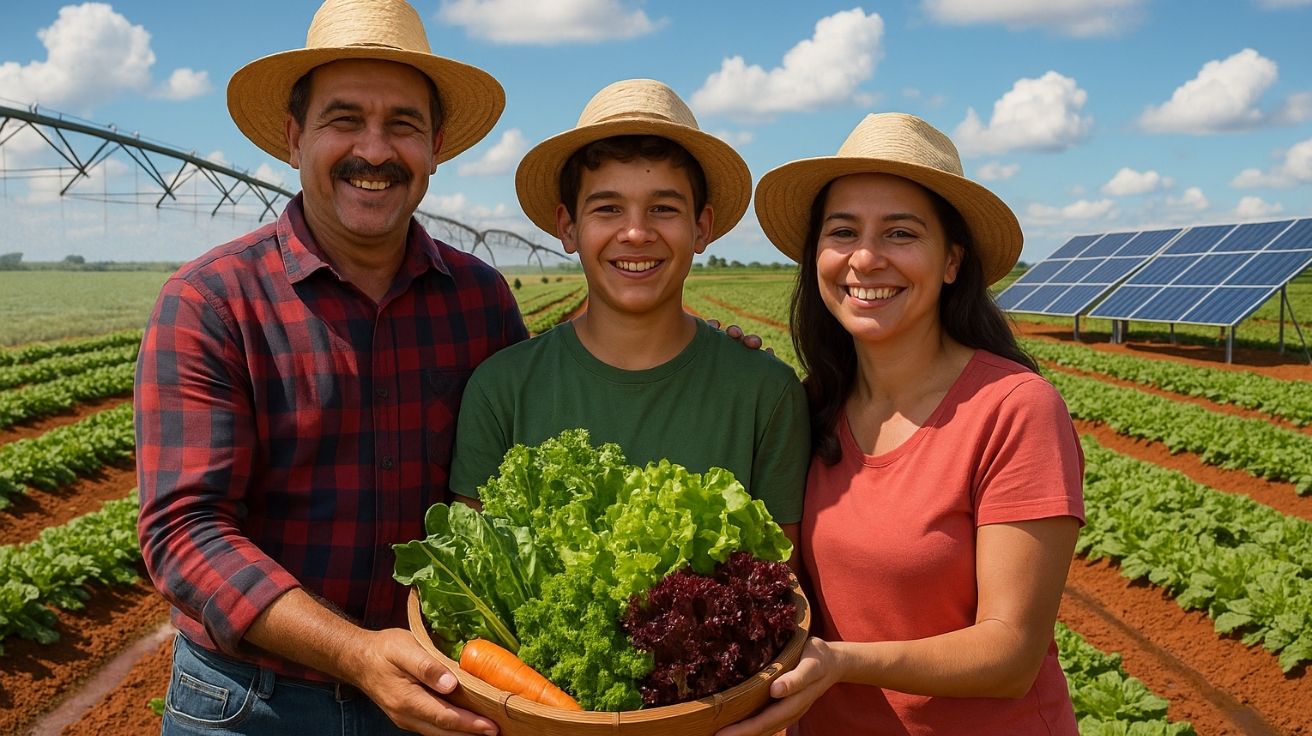
With Focus on Food Production, Agroecological Transition, and Mechanization in the Field, New Safra Plan Guarantees Credit Lines with Interest Rates of Up to 0.5% Per Year and Encourages Innovation in Small Properties
The Federal Government announced on Monday (30), in a ceremony with President Luiz Inácio Lula da Silva, the new Safra Plan 2025/2026 aimed at family agriculture, with R$ 89 billion in resources. The measure includes negative real interest rates, new credit lines for rural women, cooperatives, sustainable irrigation, agricultural mechanization, and transition to agroecological practices.
With R$ 78.2 billion allocated to the Pronaf (National Program for Strengthening Family Agriculture), which is celebrating its 30th anniversary, the plan features a 47.5% increase in rural credit compared to the previous government. The interest rate of 3% per year was maintained for food production of the basic basket, and decreases to 2% for organic and agroecological products, aiming to reduce the cost of food on the Brazilian plate.
-
The rise in oil prices in the Middle East is already affecting Brazilian sugar: mills in the Central-South are seeing their margins shrink just as ethanol gains strength.

-
Rain gains strength in April, potentially exceeding 150 mm, placing the North, Northeast, and the coasts of the South and Southeast at the center of the heaviest forecast of the week.

-
A fish that survives out of water, crawls on land until it finds another river, and whose female lays 80,000 eggs at once is infesting rivers and lakes in Brazil, and no one can stop this invasion.

-
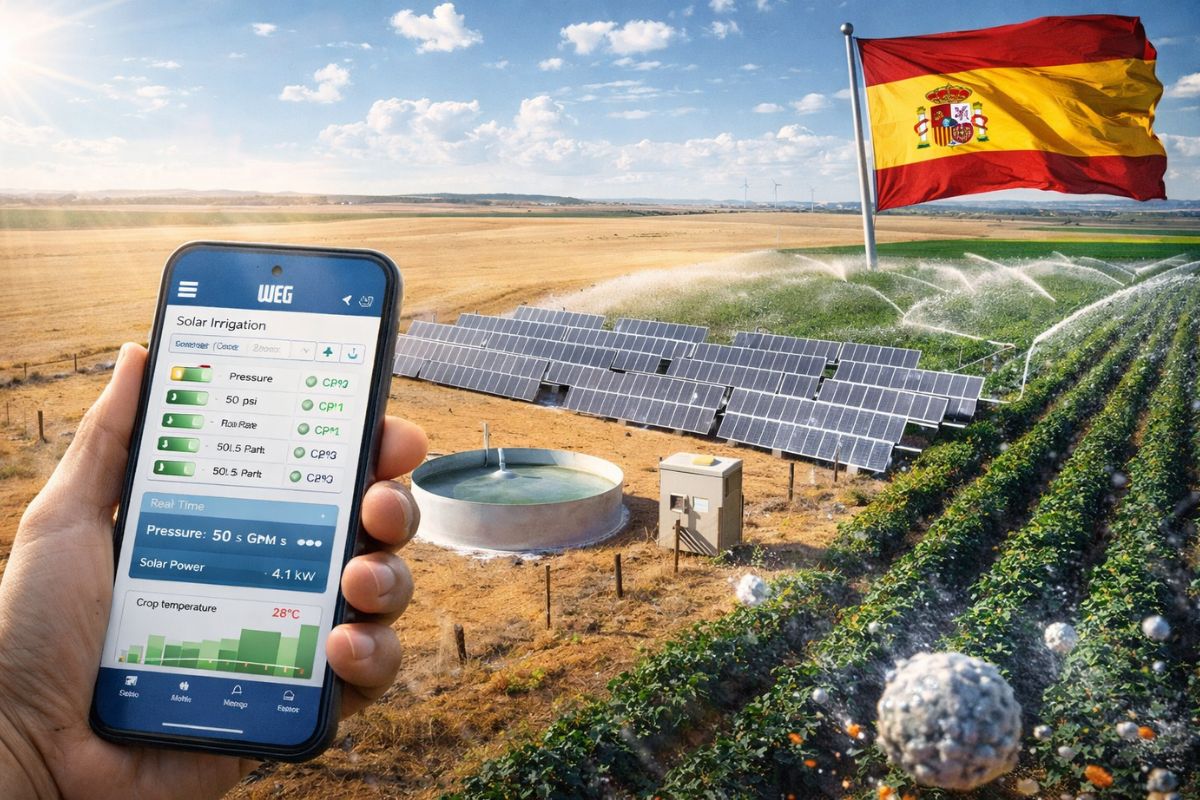
WEG took its technology to Spain to create a solar irrigation system that operates independently without needing an electrical grid, and now farmers control everything remotely via their mobile phones.
Highlights include the creation of new financing lines, such as Pronaf B Agroecology, with microcredit of up to R$ 20 thousand and interest of 0.5% per year with compliance bonuses, and Pronaf Productive Backyards, aimed at rural women with the same conditions. Additionally, initiatives for rural connectivity, accessibility for people with disabilities, land regularization, and housing construction were launched.



Strengthened Rural Credit and New Incentives for Innovation in the Field
The Safra Plan also expands the Mais Alimentos program, raising the limit for purchasing smaller equipment from R$ 50 thousand to R$ 100 thousand, with interest of 2.5% per year for families with incomes up to R$ 150 thousand. For larger machines, the limit is R$ 250 thousand with a rate of 5%. The idea is to expand mechanization of family agriculture, increasing productivity and quality of life in the countryside.
In the environmental area, the government launched the unprecedented National Program for Reduction of Pesticides (Pronara), focusing on agroecological transition, encouraging the use of bioproducts, and monitoring residues. The National Program for Sustainable Irrigation was also created, unifying the actions of various ministries to promote irrigation with clean energy and water efficiency.
The credit line Pronaf Adaptation to Climate Change will finance solar irrigation projects, with a limit of up to R$ 250 thousand and interest rates between 2.5% and 3% per year, depending on the type of operation. The measures aim to prepare the rural producer for the effects of the climate crisis, with long-term financing and extended grace periods.
Family Agriculture Boosted with Support for Cooperatives and Sociobiodiversity Products
Another important aspect of the new Safra Plan is the strengthening of cooperatives of small producers, indigenous people, settlers, and quilombo communities. The credit reaches R$ 1 million per cooperative, with a limit of R$ 20 thousand per member and interest of 3% per year, aimed at projects with a valid Family Agriculture Registration (CAF).
The SocioBio+ Program was also launched, replacing the PGPM-Bio, focusing on valuing products from sociobiodiversity, such as babaçu, pirarucu, and rubber, ensuring minimum prices and promoting sustainable production chains. The Embryo Transfer Program seeks to enhance the productivity of the dairy chain with higher genetic quality in less time.
To expand the marketing of production, the government launched the Central Abastece notice, aimed at integrating family agriculture into CEAGESP and large urban markets, in addition to the Coopera Mais notice, with R$ 40 million allocated to strengthening networks of cooperatives and solidarity enterprises.
Pronaf Celebrates 30 Years with Advances in Credit, Inclusion, and Agroecology
Created in 1995, the Pronaf has already accounted for more than R$ 778 billion invested in 42 million contracts. Over three decades, the program has guaranteed access to credit for women, youth, and traditional communities, as well as the adaptation of machines and better regional distribution of resources.
In the 2024/2025 harvest, the program recorded 1.7 million contracts and a 20% increase in rural credit volume, with significant growth in financing for rice, beans, cassava, milk, fruits, and vegetables. The poultry industry saw a growth of 47%, and aquaculture increased by 120%.
The information was officially released by the Ministry of Agrarian Development and Family Agriculture (MDA), with participation from the General Secretariat of the Presidency, Conab, Sebrae, MME, MAPA, MDS, and other agencies.








-

-

6 pessoas reagiram a isso.