





 English
  Francês
  Alemão
  Italiano
  Japonês
  Norueguês
  Portuguese
  Spanish
  2 min of reading



Lula Government Announces Investments of R$ 52 Billion to Boost the Country’s Defense Industry Through BNDES
The Lula government is ramping up its efforts to develop Brazil’s defense industry, with a firm focus on the National Bank for Economic and Social Development (BNDES) as its main source of funding. With the launch of the ambitious “New PAC” plan, which foresees a total investment of R$ 52 billion in defense, the government aims to boost the sector. In light of the budgetary constraints imposed by the new fiscal framework, collaboration with BNDES emerges as a strategic option to achieve these goals.
Lula Government and Strengthening the Defense Industry
The Lula government, in its third term, is taking bold steps to strengthen Brazil’s defense industry. This move is an essential part of its industrial plan and is backed by the National Council for Industrial Development (CNDI). The numbers speak for themselves: the fourth largest amount of resources from the New PAC, about R$ 53 billion, will be directed to Defense.
The Role of BNDES in Lula’s Defense Initiative
With the 2024 Budget showing limited growth for the Ministry of Defense, BNDES emerges as a viable alternative to finance defense projects. The total amount allocated in the New PAC comes from the public budget, without the need for contributions from state-owned companies.
-
Unemployment rises again to 5.8% at the beginning of 2026, raising alarms about the end of temporary positions and its impact on the Brazilian job market.

-
Document organization can cut invisible costs in small businesses, a simple step that prevents waste, rework, and losses in daily operations.

-
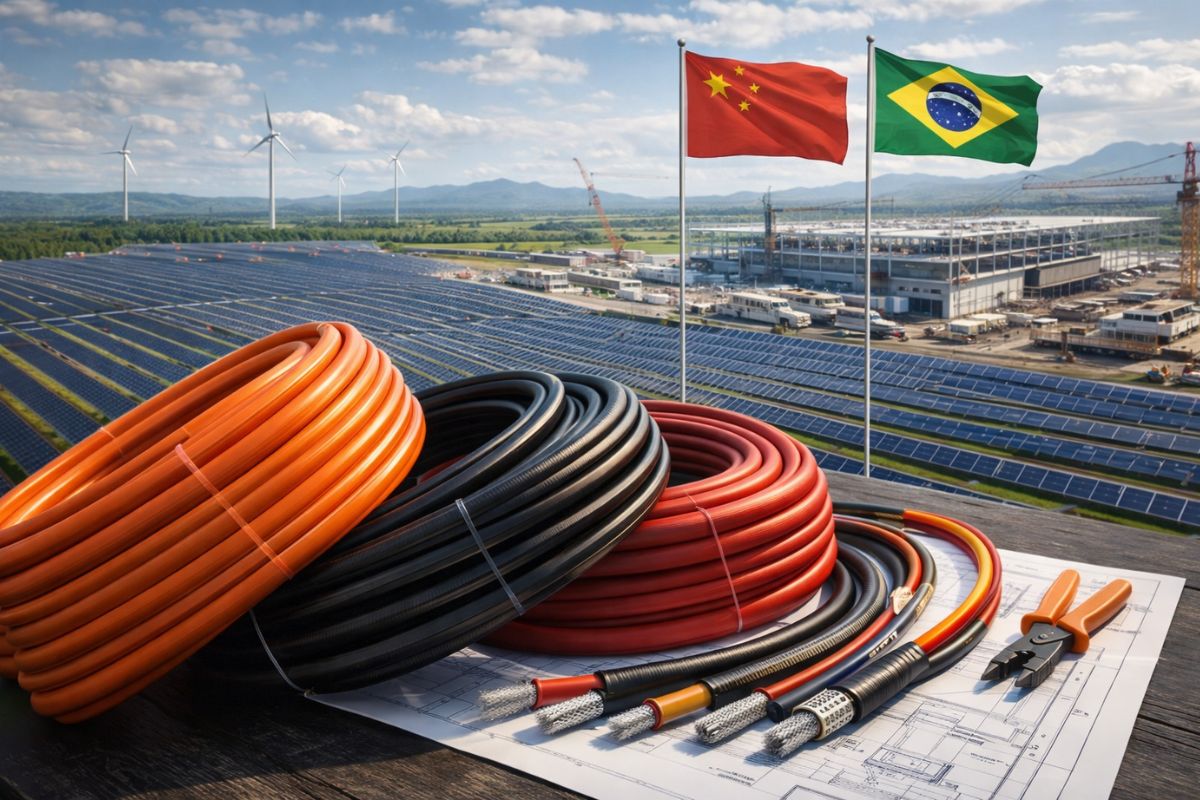
Chinese giant worth nearly R$ 4 billion that manufactures cables for electric cars, solar energy, and robotics wants to open a factory in SC.
-
Many employers do not know, but the law guarantees domestic workers a 25% increase in salary during trips, 50% for overtime, 20% for night shifts, and 17 additional benefits that can lead to labor lawsuits if not paid.


The planned investments include the construction of a nuclear submarine, acquisitions of aircraft such as cargo planes and Gripen fighters, as well as helicopters and patrol boats. Investments in armored vehicles and border control systems are also planned.
Investment in Defense
Experts emphasize that while defense spending is substantial, it has a significant positive impact on the economy. Military industrial development often results in technological advancements that benefit society as a whole. Investments in the aerospace field, for example, can lead to advancements in CO2 emissions monitoring, with implications for agriculture and environmental preservation.
Moreover, sectors such as steelmaking, chips and microchips, biotechnology, pharmaceuticals, cybersecurity, and artificial intelligence can reap the benefits of defense investments, generating advances in civilian technologies.
Stimulus to Employment and Industry
Investment in defense not only drives technological advancement but also creates new jobs, stimulates employment, and generates income for the industry. The Brazilian government’s initiative to prioritize these investments is seen as an important step to strengthen the national economy.
Experts argue that defense investment should extend beyond the defense industry. Strategic projects, such as development in the space sector with launch vehicles, should also receive attention to further boost Brazil’s technological capacity.








Seja o primeiro a reagir!