





 Portuguese
  English
  Spanish
  3 min of reading


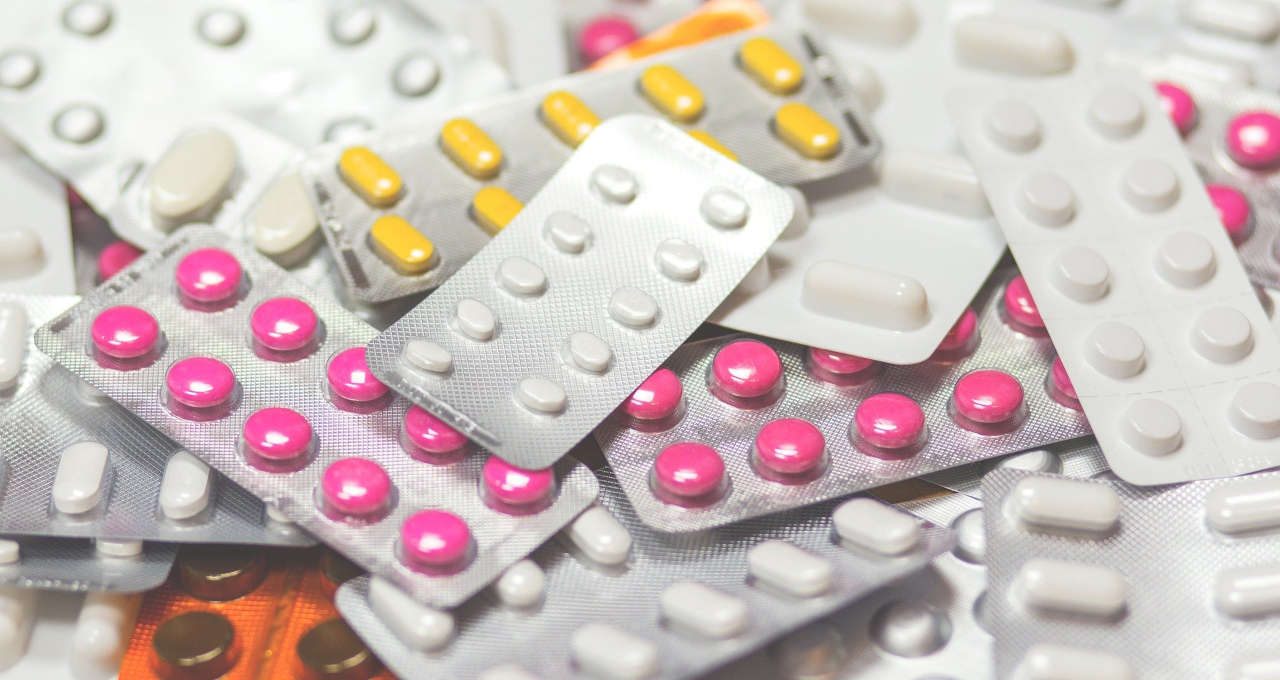
April Will Start With The New Prices Of Medicines Set By The Government’s Increase. Rate In The Sector May Hurt The Population
On March 29, the last Tuesday of the month, the government of Jair Bolsonaro, which recently dismissed the president of Petrobras, approved a 10.89% increase in the price of medicines. The government’s measure will take effect from Friday, April 1. The information was confirmed by the Pharmaceutical Industry Products Union (Sindusfarma) on the same night that the authorization was given (29).
According to the Union, the adjustment approved by the government – a measure that is being adopted in various sectors, mainly fuels – is expected to affect at least 13,000 varieties of medicines available in the Brazilian retail pharmaceutical market. Through the publication of a note, the entity warns: “But the adjustment is neither automatic nor immediate, as the intense competition among companies in the sector regulates prices: medications with the same active ingredient and for the same therapeutic class (disease) are offered in the country by various manufacturers and at thousands of points of sale.”
In this sense, according to the news outlet Diário do Nordeste, the calculation made to arrive at the medicine price adjustment authorized by the government takes into account the inflation obtained through the Broad Consumer Price Index, IPCA, (which is equal to 10.54%), along with the productivity achieved by the sector (equivalent to zero), the adjustment factor of relative values between sectors (0.35%), and the adjustment factor of relative intrasector prices Z (zero).
-
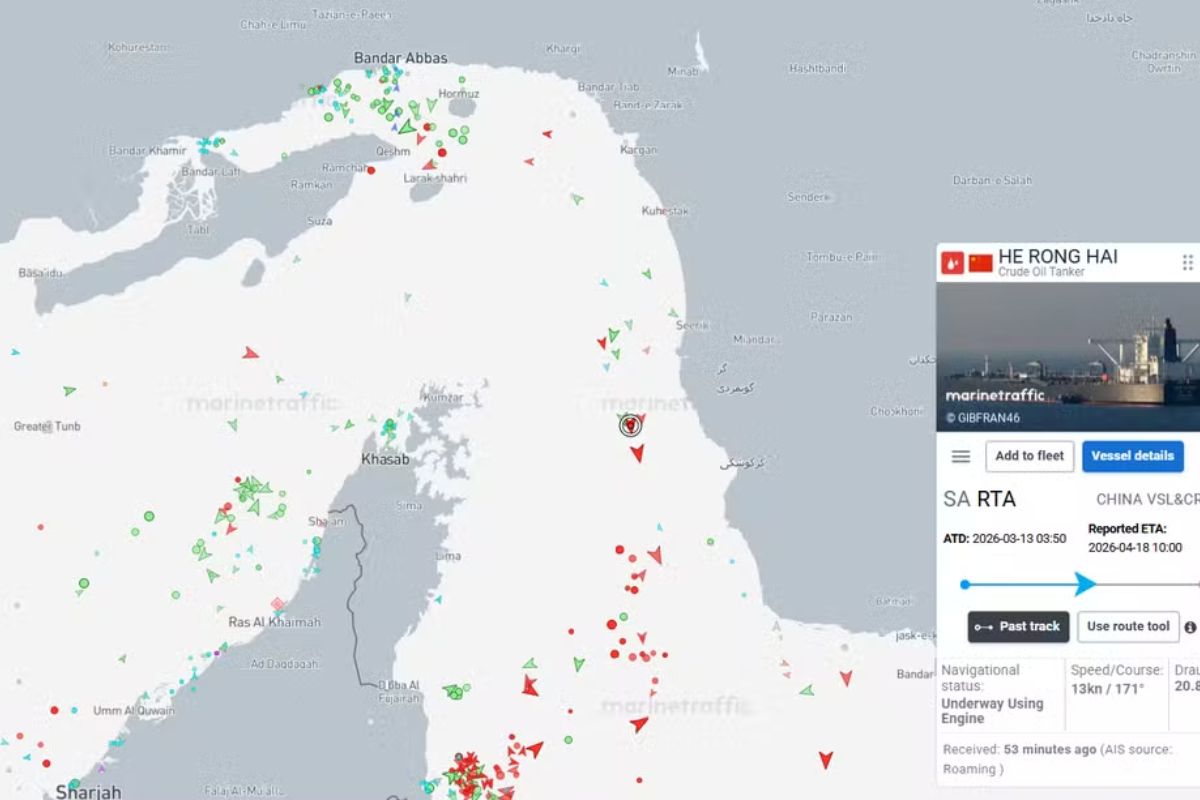
Two Chinese supertankers chartered by Asia’s largest refiner have just crossed the Strait of Hormuz and may be the first to leave the Persian Gulf since the ceasefire between the United States and Iran on a route that still has mines and uncertainties.
-
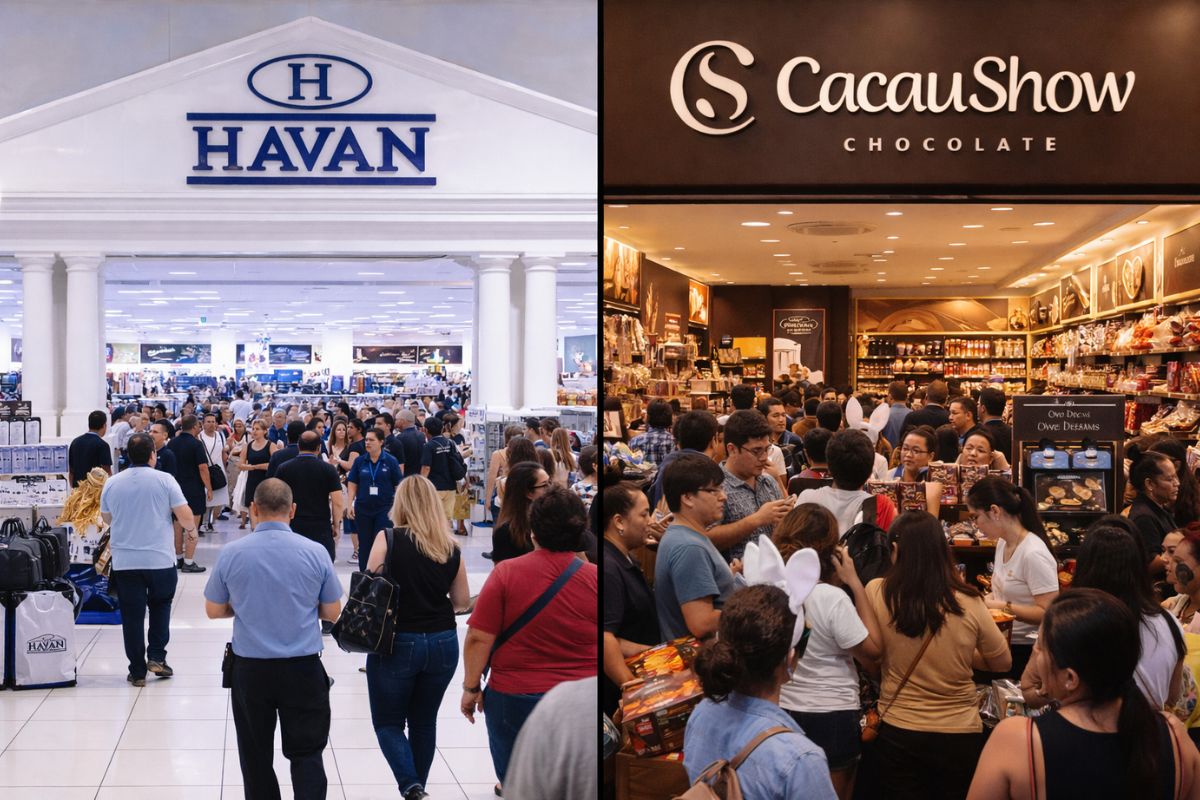
While Havan earns R$ 50 million per day throughout the year, Cacau Show managed six times more in just 24 hours, totaling half a billion reais in two days of Easter.
-
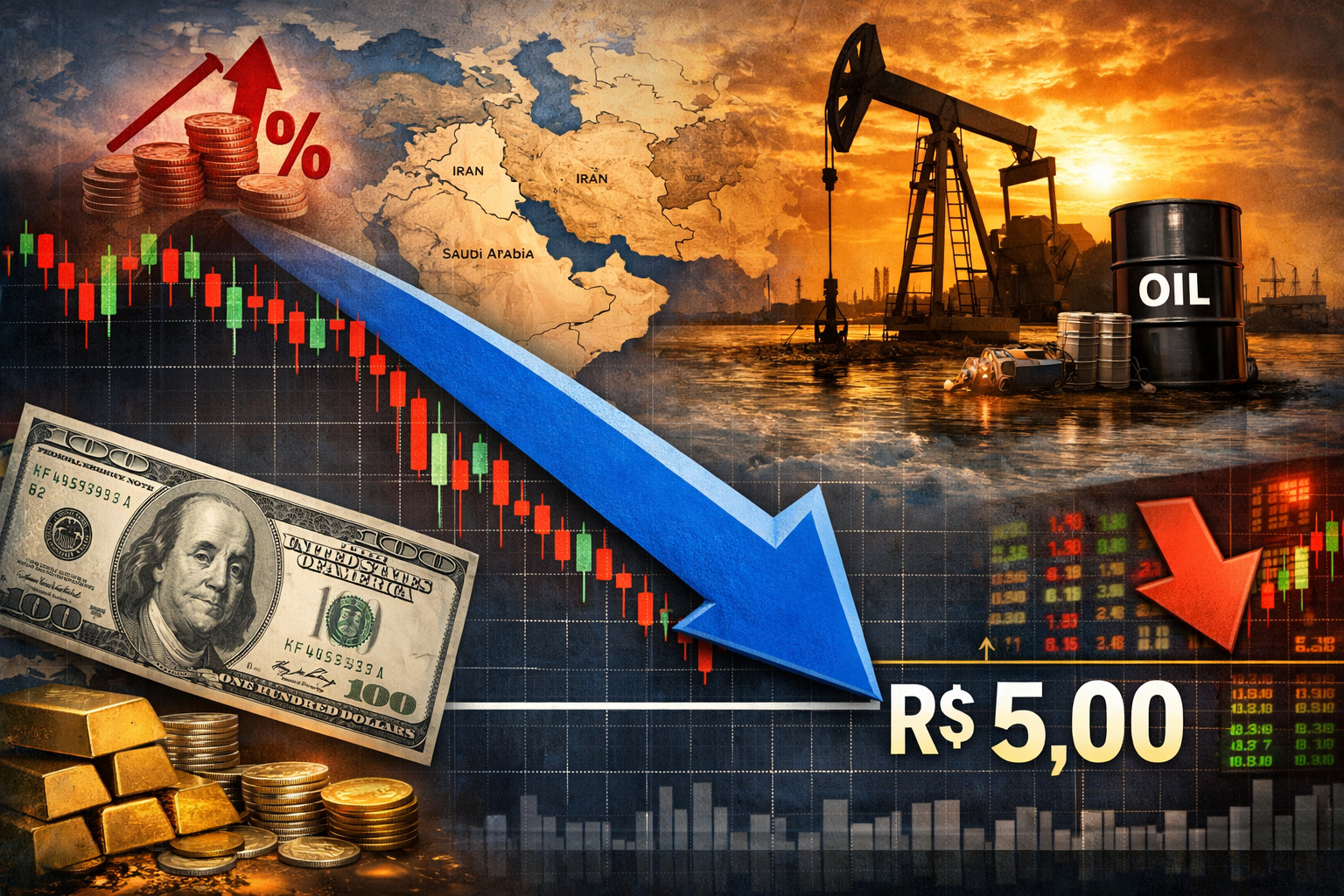
Weak dollar or strong real? The American currency plummets for the third day, approaching R$ 5 and surprising the market with global inflation and tensions in the Middle East that continue to create global uncertainty.
-
China’s investments in Brazil in factories, energy, oil, electric cars, and new industrial projects double to $4.2 billion, making the country the 3rd largest global destination for Chinese capital.

Last year, the Bolsonaro government had already allowed an increase of up to 10.08% for medicines, in the face of an inflation of 4.52% in the previous year. Now, with this new increase in medicine prices, the cost of living for the population will rise even more, especially for the elderly, whose salaries and pensions are being greatly affected by inflation.
Thus, from actions like this by the government, the life of the population becomes even more compromised, considering the skyrocketing not only of medicines but also of food prices, fuels, electricity, and the rise in rents. In the last three years, the IPCA, which measures official inflation, has skyrocketed: it closed 2019 with a rise of 4.31%, in 2020 it rose to 4.52%, and in 2021 it accumulated a rise of 10.06%, the worst result since 2015.
However, Nelson Mussolini, the executive president of Sindusfarma, states that “depending on stock replenishment and the commercial strategies of establishments, price increases may take months or may not happen at all.”
Car Sales: With A Decrease Of Almost 23% In Deliveries Last Month, According To KBB Brazil, Sector Prices Continue On The Opposite Path
According to data from the analysis conducted by the National Association of Motor Vehicle Manufacturers (Anfavea), the month of February ended with a decline in the car market, a product that can be purchased with bitcoin. Thus, in February, only 129,000 vehicles were licensed, which corresponds to a decline of 22.8% compared to the same period last year. However, car prices – just like fuel prices – remain on a constant rise, as shown by the KBB Brazil Price Variation Monitor, a company specialized in new and used car pricing.
According to the KBB Brazil survey released on the Istoé Dinheiro portal, the main contributors to the price increase were used cars (0 to 3 years), with an average change of 2.96%, and used cars (4 to 10 years), which rose 1.87% on average. New cars, in turn, experienced only a 0.25% increase in price. To check the price increases in this other sector of the Brazilian market, just click here to read the full article.







Seja o primeiro a reagir!