





 Portuguese
  English
  Spanish
  3 min of reading
  0 comments


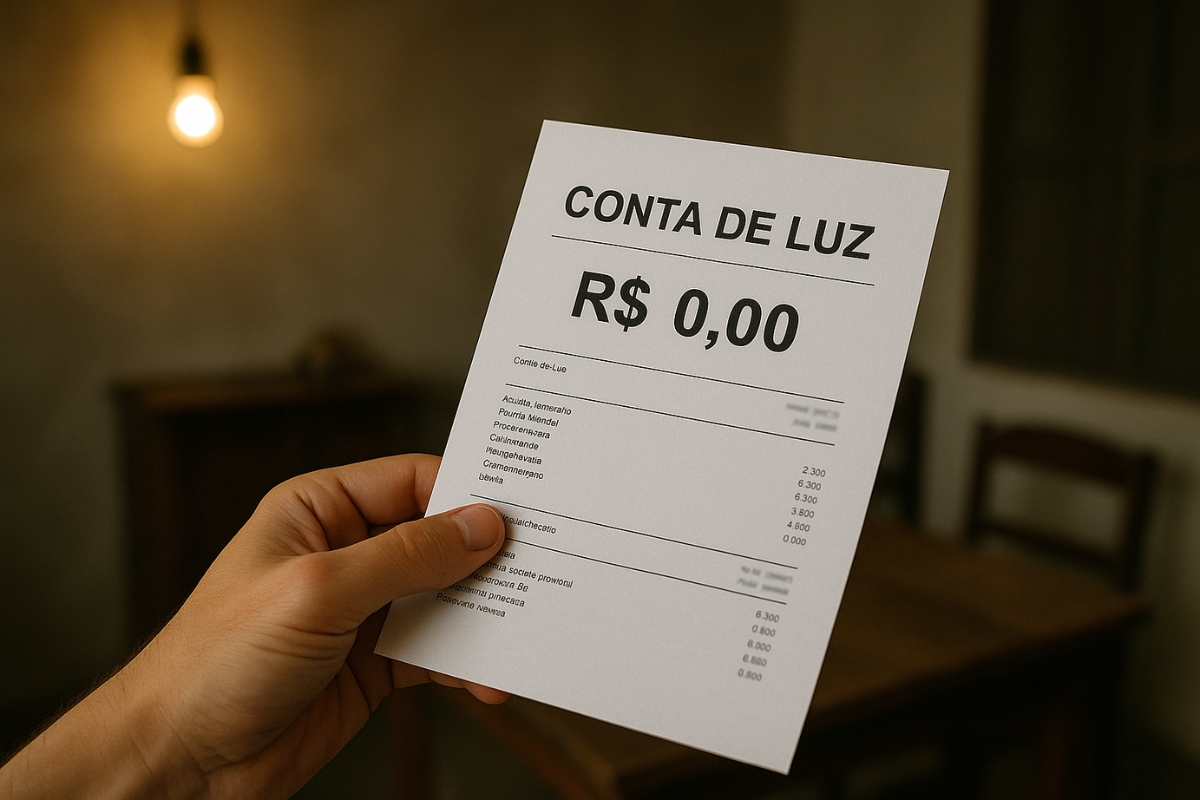
Lula Signs Law Expanding the Social Energy Tariff, Guaranteeing Free Service of Up to 80 kWh Per Month for Low-Income Families and Discounts Starting in 2026, Benefiting Over 55 Million Brazilians.
On the night of Wednesday, October 8, 2025, the Planalto finalized and enacted the People’s Light. The promise moved from speech to budget.
From now on, low-income families registered in CadÚnico that consume up to 80 kWh per month will have free energy service on their bill. It’s a simple, straightforward rule with real impact: lights on without suffocating at the end of the month. The text that converted MP 1.300/25 into Law No. 15.235/2025 also institutionalizes the program as a permanent policy to combat energy poverty.
For those who exceed the limit, an honest bill applies. Consumed 100 kWh? The first 80 kWh are free and you only pay for the 20 kWh remaining. The benefits are automatic, no need for pilgrimage to the distributor’s agency. Local taxes (such as ICMS) and public lighting fees may still appear on the bill, as they are not included in the exempt portion.
-
77.2% of Brazilians support lowering the age of criminal responsibility and reinforce pressure for changes in criminal legislation in the country, a national survey indicates.

-
The law that many elderly people are still unaware of protects those aged 60 and over against abusive charges from banks, guarantees debt renegotiation, and prevents loans and credit cards from consuming their entire retirement pension.
-
Portugal approves Nationality Law: Brazilians from CPLP will have to live for 7 years to obtain citizenship (waiting for title does not count), rules tighten for children born in the country, Sephardim are excluded, and it awaits a decision from President António José Seguro.

-
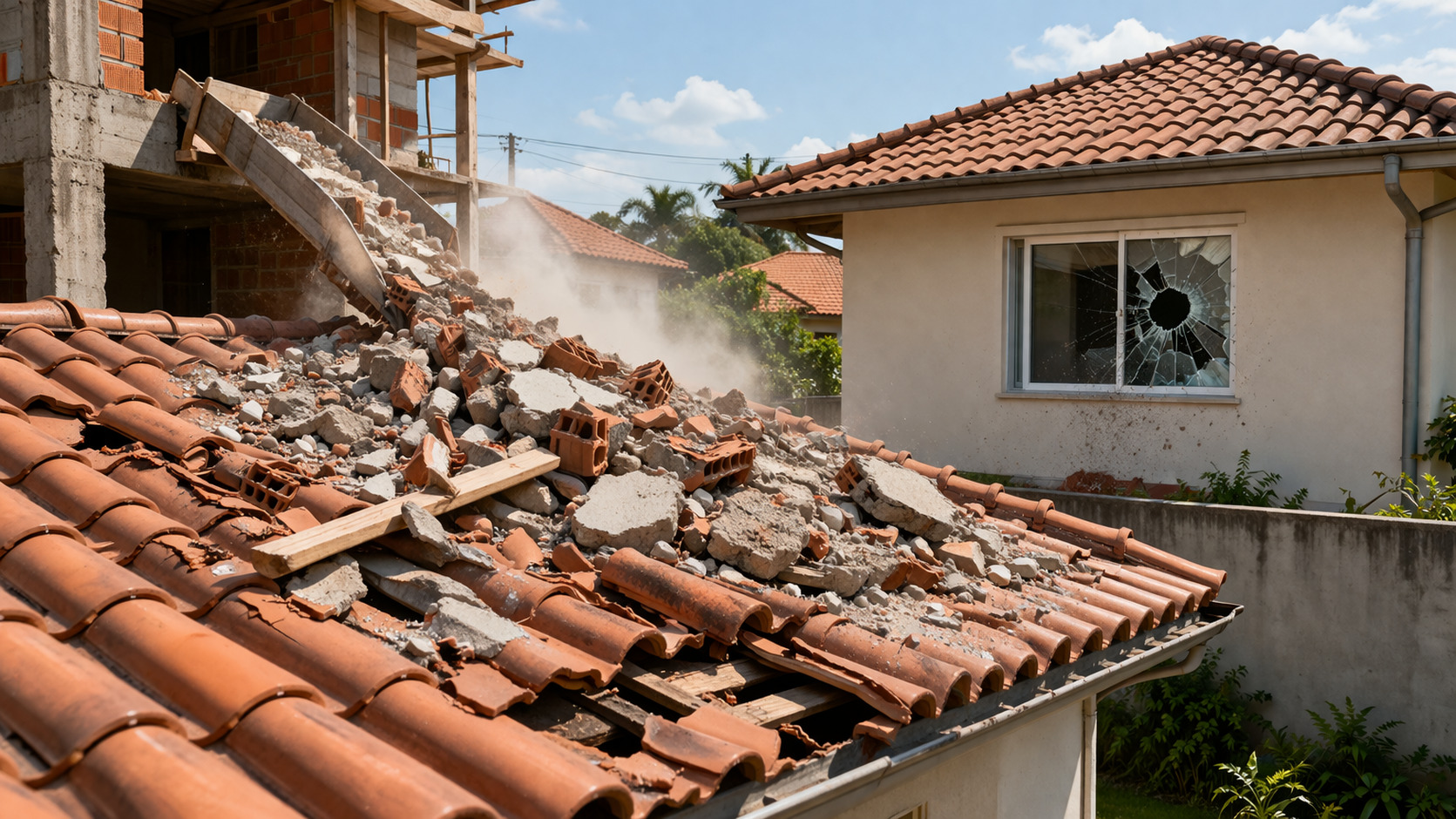
Your neighbor is undergoing construction and debris has fallen on your property? This could lead to compensation and make the owner, responsible party, and construction company pay for the damages.

What Changes Now, in Clear Numbers
The government speaks on a national scale. There are about 17.1 million families (in practice, ~60 million people) covered by the free 80 kWh. These are people who can open the refrigerator without fear, turn on the fan on hot nights, and study with the light on after dinner.
The Planalto projects an even larger number of affected individuals when combining the two phases of the program: up to 115 million people benefiting directly or indirectly. It’s the difference between surviving in the dark and living with predictability in the bill.
By the way: the expanded social tariff had already been in effect since July by virtue of the MP. The enactment only removed the uncertainty around the program and secured it for the long term.
2026 Onward: Discount for Those Who Consume Up to 120 kWh
The second phase is coming. Starting January 1, 2026, families in CadÚnico with income between ½ and 1 minimum wage per capita and consumption of up to 120 kWh/month will receive an average discount of ~12%. The technical path is to exempt these bills from the CDE (Energy Development Account), a fee that weighs precisely in this consumption range. Projected reach: an additional 55 million people.
In practice, the government reduces a structural portion of the bill for those on the threshold between vulnerability and the working class who feel the energy price the most. It’s a step toward predictability in an item that disrupts budgets when prices rise.
Public Policy with a Clear Address
The ceremony at the Planalto made the message clear: energy is a basic right and a tool for social inclusion. The MME talks about tariff justice, relief at the end of the month, and tackling energy poverty with budget and norms, not just good intentions. It’s the State saying “I see you” to those who have long chosen between paying the electricity bill or grocery shopping.
The financial design involves the CDE and ancillary measures approved by Congress. It’s an arrangement that demands management and transparency but, for the first time in a long time, speaks to the reality of those living far from the center, paying dearly for kilowatt hours, and who have no margin for surprises in the bill.







-

-

3 pessoas reagiram a isso.