





 Portuguese
  English
  Spanish
 4 min of reading
  0 comments


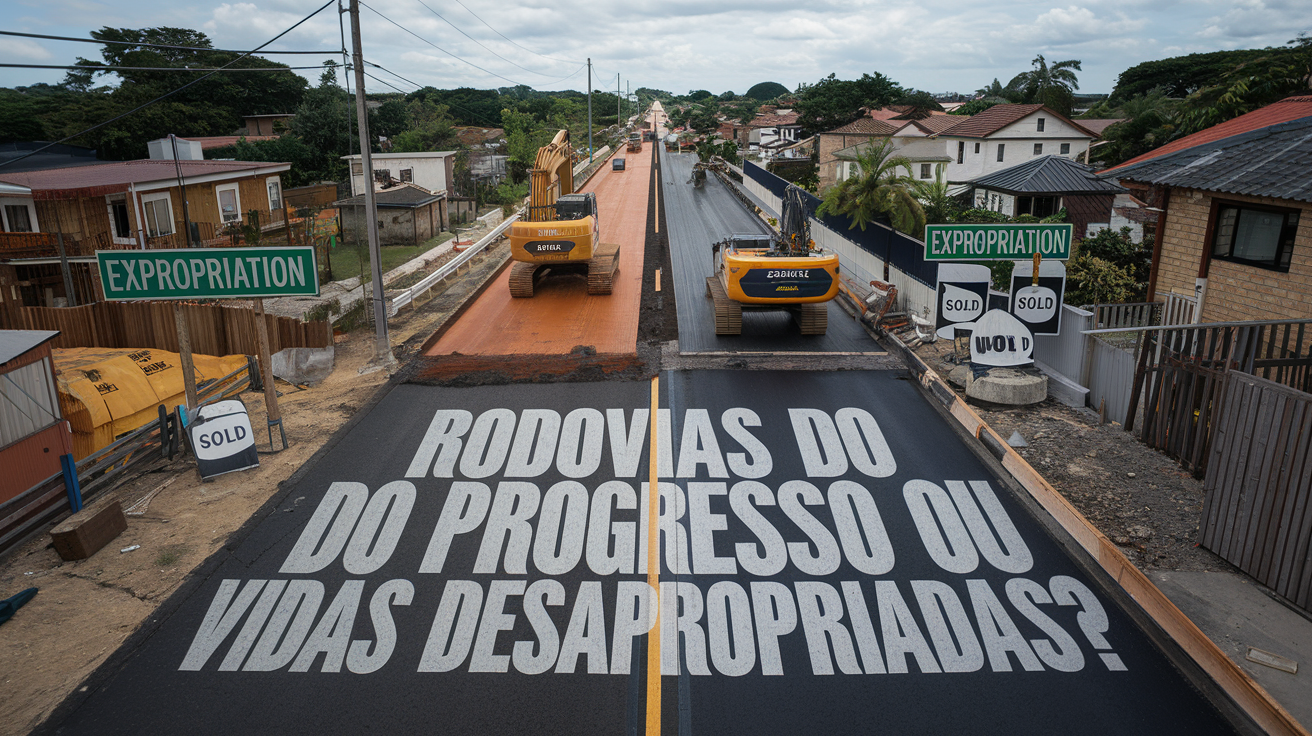
An Unexpected Decree from the Paraíba Government Generates Controversy by Authorizing Expropriations on Important Highways. Property Owners Question Compensation While the Government Advocates Progress. With Social and Economic Impacts, the Measure Promises to Transform the State’s Infrastructure, but at the Cost of Disputes and Challenges.
In an unexpected move, the government of Paraíba has made a decision that is already provoking heated debates in various sectors of society.
An official decree authorizes the expropriation of properties to enable improvements on state highways, directly impacting the lives of residents and regional logistics.
While the government argues that the measure will bring progress, those who will be expropriated face doubts, concerns, and uncertainties.
-
China alone accounts for 70% of trade within the BRICS, while Brazil establishes itself as an essential supplier of food and minerals: understand how the group, which already represents nearly 40% of the world’s GDP, is changing the game.

-
Starting in May, those who do not have registered biometrics will not be able to apply for Bolsa Família, sickness benefits, or unemployment insurance: understand the new rule that changes access to benefits for millions of Brazilians.

-
A new law being voted on in Brazil proposes a minimum fare of R$ 10 per trip and R$ 2.50 per kilometer for Uber and 99 drivers, and promises to ensure they earn as well as taxi drivers did during the golden age of taxis in the country.

-
Bauer Group collapses after failed judicial recovery: 25 years, 800 vehicles, and a network of gas stations leave a debt of R$ 50 million and 100 layoffs, exposing costs, tight margins, and expensive credit in Brazil.


The publication of the decree in the Official State Gazette (DOE), signed by Governor João Azevêdo (PSB), marks the beginning of a series of interventions on strategic roads for the local economy.
However, the social, economic, and emotional impact of this decision remains uncertain and fuels discussions around the feasibility and fairness of the measure.
Details of the Decree and Impacted Sections
According to the DOE, the decree aims to expropriate properties located along various sections of state highways.
The main justification is the expansion, modernization, and improvement of road infrastructure, deemed essential for the development of Paraíba.
The sections to be directly affected include:
- PB-390: Interchange of BR-230 to Águas Belas/Gravatá.
- PB-384: Between Carrapateira and Nazarezinho.
- PB-105: Bypass of Bananeiras.
- PB-064: Between Salgado de São Félix and Mogeiro.
- PB-097: Access to São Sebastião de Lagoa de Roça.
- PB-073: Section to the District of Braga.
- PB-394: Between the entrance of BR-230 and Engenho Ávidos.
- PB-036: From Alhandra to Ponta de Barra do Abiaí.
The Attorney General’s Office (PGE) and the Paraíba Department of Highways (DER-PB) have been appointed to conduct the process. The expropriations may be carried out amicably or judicially, depending on the circumstances.
Government Motivations
The government justifies the measure as part of an effort to modernize the state road network. According to DER-PB, the works will bring significant improvements in mobility, transportation of goods, and road safety.
“These interventions are indispensable for the economic and social progress of Paraíba,” stated a representative from DER-PB. The affected highways connect important regions, facilitating the flow of products and promoting tourism, which are strategic areas for the state.
Dilemmas Faced by the Expropriated
Despite the optimistic official discourse, residents and property owners in the affected areas raise legitimate concerns.
The main concern relates to compensation. Many fear that the amounts offered will not reflect the true financial and emotional impact of losing their properties.
According to experts, the expropriation process in Brazil often faces delays and legal disputes, which can exacerbate the suffering of affected families.
“The government needs to ensure transparency and speed in compensating for expropriations to avoid serious social problems,” stated a lawyer specializing in expropriations.
Additionally, there is the emotional impact. For many, losing property means leaving behind stories and bonds built over years.
“It’s not just a house; it’s our life that is here,” lamented a resident of Alhandra, whose home is in one of the sections listed for expropriation.
Benefits and Challenges
While the modernization of highways promises economic and logistical gains for Paraíba, it also imposes significant challenges.
Among the expected benefits are:
- Improvement in Road Safety: Expanded and modernized highways can reduce accidents.
- Ease in Transportation of Goods: With better roads, the flow of agricultural and industrial production will be more efficient.
- Boost to Tourism: Paraíba has been attracting more and more tourists, and road infrastructure plays a crucial role in this sector.
However, the challenges include:
- Resistance from Residents: Forced expropriation can lead to protests and legal actions.
- High Cost of Works: The government will need to balance spending on works and compensation.
- Environmental Impact: The expansion of highways may cause environmental damage in sensitive areas.
Repercussions and Next Steps
With the publication of the decree, expropriations are expected to begin in the coming months.
The government claims that the process will be conducted with transparency, but initial reactions from the population show that the path will be fraught with challenges.
Citizen rights organizations are already mobilizing to offer legal support to those affected.
Furthermore, experts warn of the importance of clear communication and fair processes to avoid political and social strains.
Do you think the government is balancing progress with social justice, or are the expropriations a too drastic measure for development?









Seja o primeiro a reagir!