





 Portuguese
  English
  Spanish
  3 min of reading
  40 comments




Avibras and Akaer. The Union Promises to Generate US$ 1 Billion in Revenue and Create Thousands of New Jobs in the Defense Sector.
Avibras, a Brazilian private defense company in judicial recovery since 2022, is undergoing a rescue plan involving national private capital, aiming to avoid bankruptcy or a sale to foreigners. The government and the Armed Forces are involved in the search for a solution, including the possibility of merging Avibras and Akaer Aerospace Engineering, through a group of national investors.
Avibras Accumulated Million-Dollar Debt
Founded in 1961, Avibras was one of Brazil’s pioneers in developing military equipment, but it currently has a debt of R$ 600 million, resulting in the layoff of 420 employees. Avibras is in judicial recovery and currently employs 900 workers, but production line activities are halted due to a lack of capital.


Attempts to purchase by foreign companies, such as the Australian DefendTex and the Chinese Norinco, raised concerns within the Brazilian government, leading to the mobilization of the National Bank for Economic and Social Development (BNDES) to find a national solution, considering that Avibras produces the most potent armaments of the Brazilian Army.
-
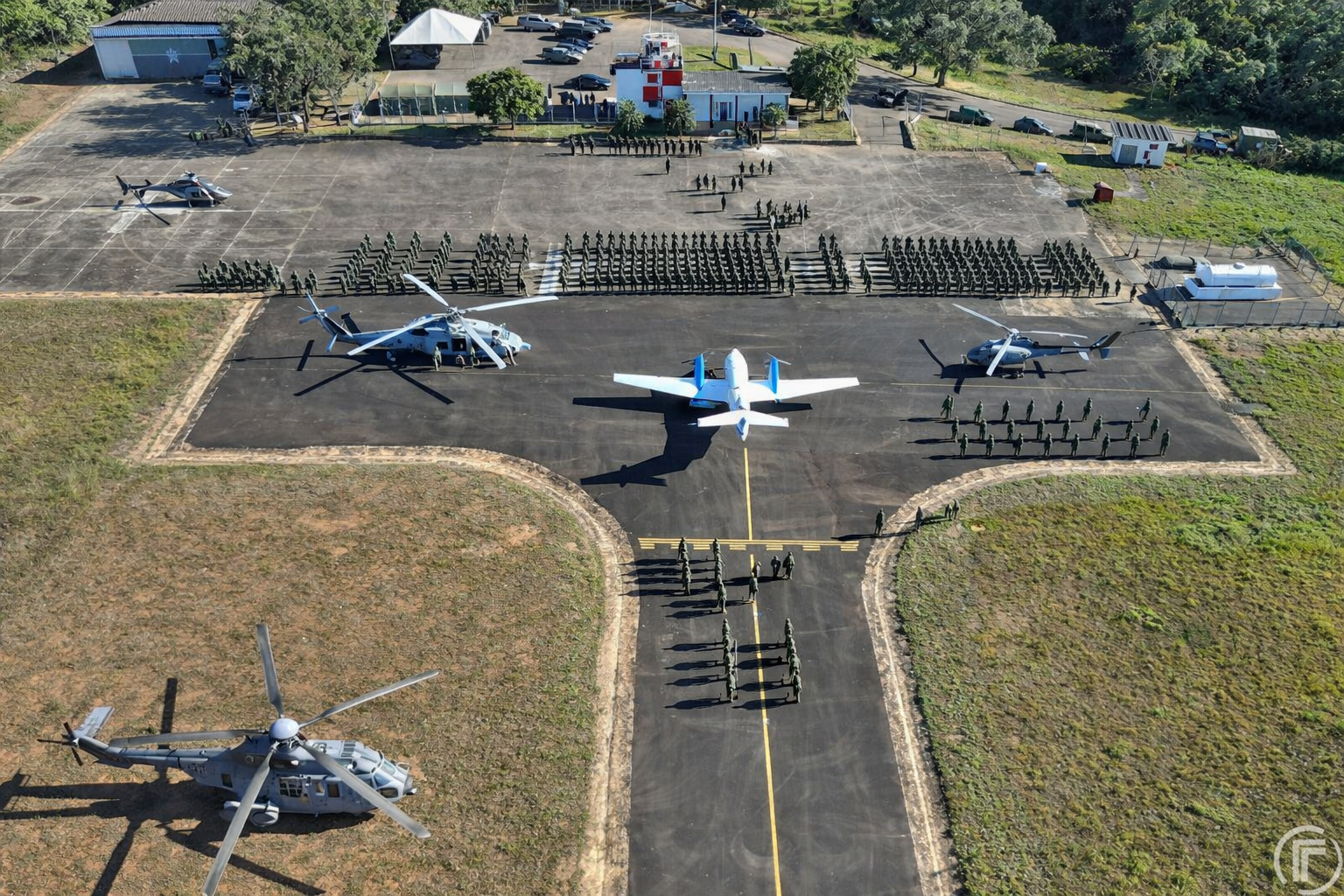
Furnas Airport is handed over to the Navy and becomes a strategic base with complete military operations, attack drones, and international mobilization at Furnas Lake.
-
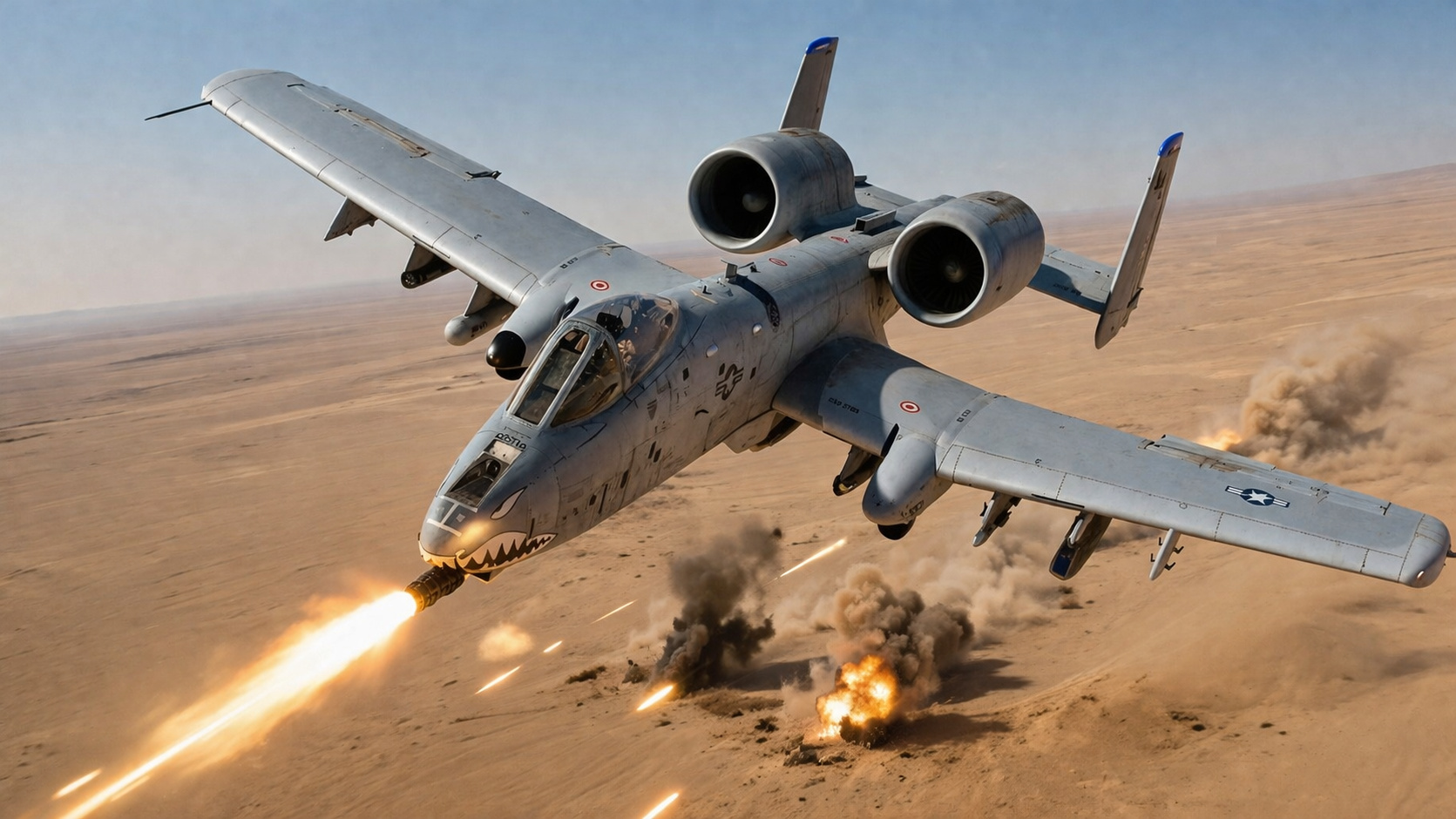
Few people know, but “mega burst” attacks from the A-10 in the Middle East are intriguing analysts and even experienced former pilots of the U.S. Air Force.
-
Manufactured in Brazil and exported to Saudi Arabia and Malaysia, the ASTROS system is renamed as Fogos in 2026, gaining AI, cruise missiles with a range of 300 km, and air defense costing R$ 3.4 billion, transforming a launcher from the 1980s into the most ambitious multidomain platform in Latin America.
-
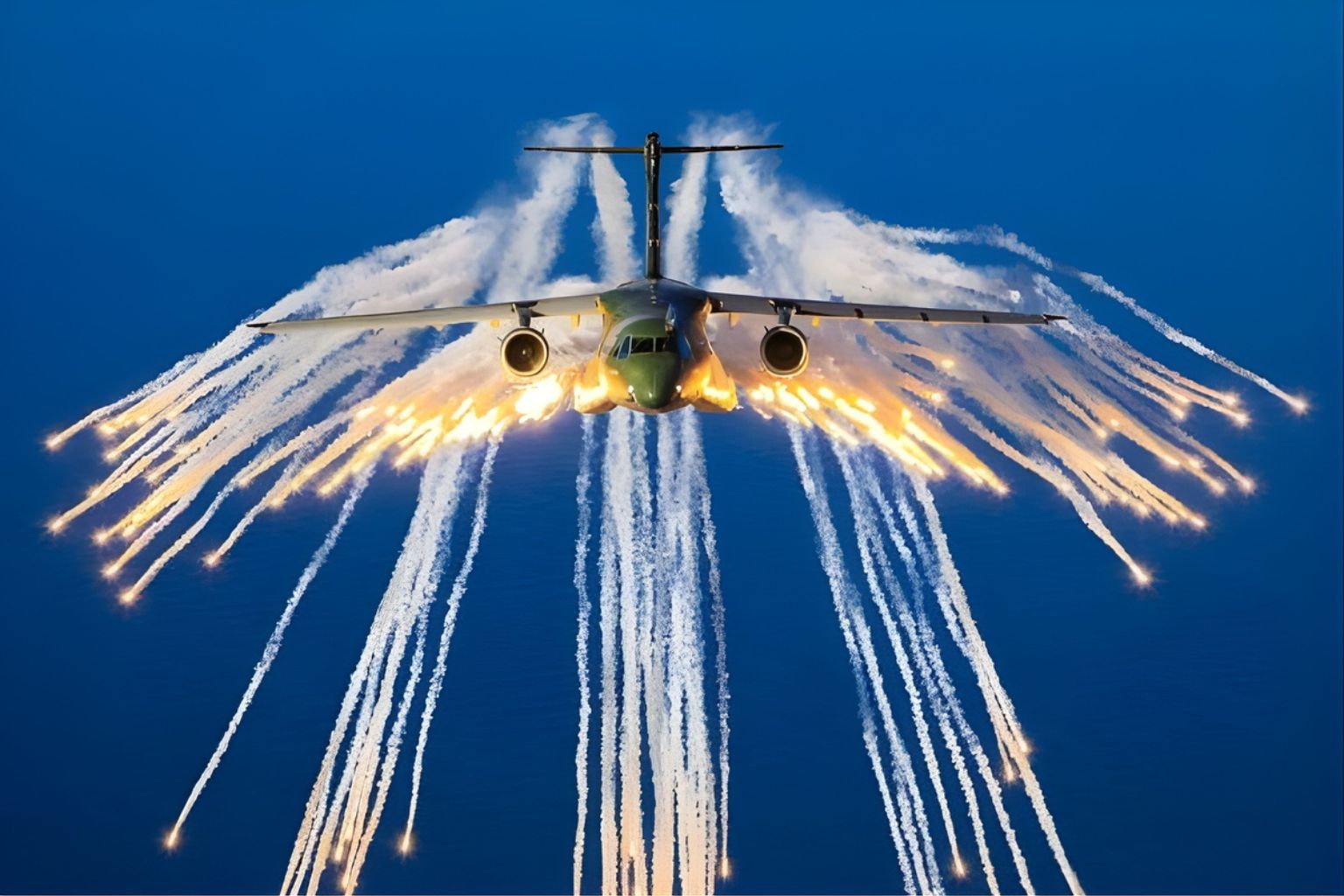
The largest military aircraft ever produced in Brazil, the KC-390 Millennium can carry up to 26 tons, refuel fighter jets in flight, and has already been exported to Europe and Asia, placing the country in the select group that designs and sells large military aircraft worldwide.

This includes the area saturation missile and rocket launcher, Astros 2020, and the final development phase of the tactical cruise missile AV-MTC-300, whose intellectual property belongs to the Brazilian Army, which largely funded the development of this highly strategic armament, which only a few nations in the world have the technology to produce.
A sale of a majority stake in Avibras to the Australian DefendTex would turn the Brazilian company into a foreign entity, which could transfer its manufacturing plants to Australia, causing even more unemployment and deindustrialization in Brazil, weakening national defense, and leading to national technology being used in the war in Ukraine, which the Brazilian government is also against.
Learn More About Akaer
Meanwhile, the sale of 49% of the company to the Chinese Norinco, although it would not turn it into a foreign company, was also viewed unfavorably by the Brazilian government, as there would be U.S. sanctions against Avibras, which would hinder the use of technologies from the U.S. currently employed in some of the company’s armaments, and worse, the complete closure of the western arms market for the Brazilian company, as well as for U.S. allies in the Middle East.
All of this led the Brazilian government to mobilize the National Bank for Economic and Social Development (BNDES) to find a national solution. The solution the government seeks is the merger of Avibras and Akaer, with state and private funding.
Akaer is one of the Brazilian defense companies with the most technological advancement in military project design, having successfully contributed to the development projects of the Brazilian Embraer Super Tucano and Embraer KC-390 aircraft, the Swedish F-39 Gripen E/F aircraft, and the Turkish Hurjet aircraft.
Impacts of the Merger of Avibras and Akaer
The merger of Avibras and Akaer aims to create the largest defense company in Brazil, bringing important synergies, such as the adaptation of Akaer technologies for the missile launchers of the Astros project.
This merger has the potential to generate US$ 1 billion in revenue by 2034 and employ over 6,000 people, in an international defense market that presents a growth opportunity, driven by the shortage of armaments resulting from the conflicts in Ukraine.
The demand for military equipment has grown, especially in Europe and Asia, leading countries to strengthen their defenses and increase investments in the defense sector, especially NATO members and countries like Japan and the Philippines.
The viability of the Avibras and Akaer merger project depends on attracting national investors and the conversion of credits by financial institutions, with BNDES playing an important role in financing.









A Avibras é uma empresa importante para oBrasil de defesa estratégica portanto é um passo muito grande em segurar pra não vende la pra país nhum ela um patrimônio a ser zelado . O futuro depende dela.
Sabem que o congresso não deixou, o elemento queria vender!…essa é a solução mais viável ,mas vai vir recuperação financeira com dinheiro estatal e mais uma dúzia de cupinchas chupins vão sugar oque puderem e encher de propagandas positivas para enganar o povo e os mega- grátis puxa saco de plantão, tão logo um ralo financeiro sem lucro igual correios, Petrobras,Furnas etc,etc nunca vai dá lucro só prejuízo…muita propaganda pouca ou nenhuma vantagem econômica para nação!…através de aumentos de impostos para o povo!…
Muito bem pensado, a tecnologia militar brasileira tem que ficar nas mãos de brasileiros!
Parabéns pela atitude!