





 Portuguese
  English
  Spanish
  6 min of reading
  0 comments


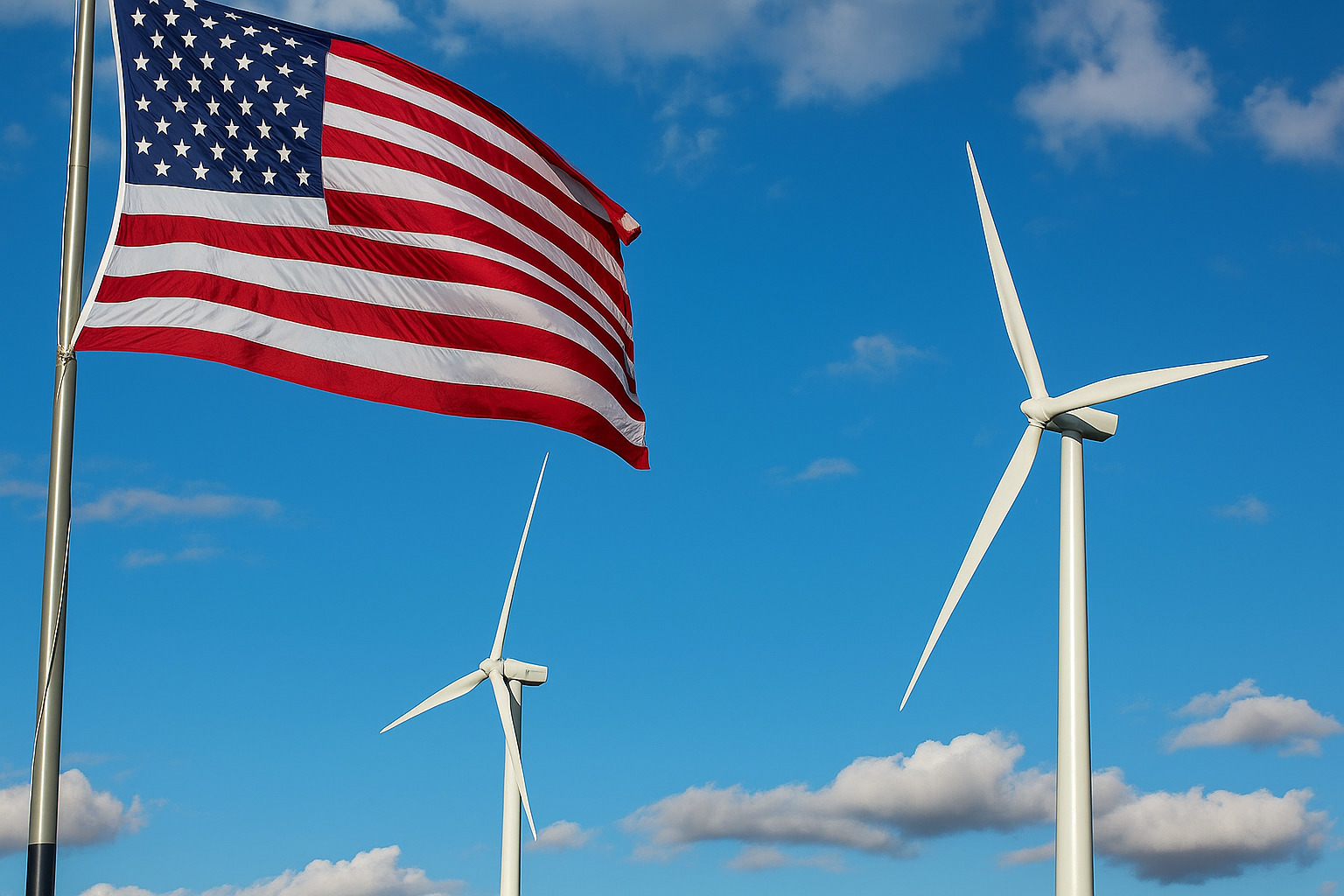
Discover How Project Shutdowns Impact Wind Energy in the U.S., Affecting Investments, Jobs, and the Advancement of Clean Generation.
Wind energy in the U.S. has been gaining traction over the past few decades; however, it faces significant challenges, especially when political decisions interfere with strategic projects.
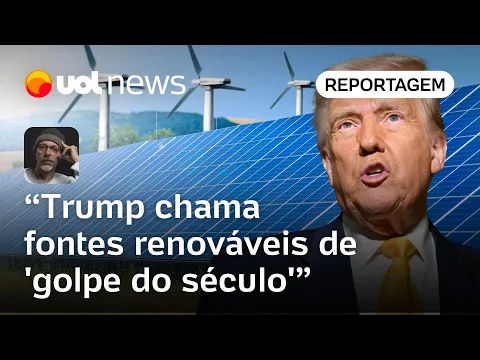
A recent example occurred with the shutdown of the offshore wind farm “Revolution Wind” in the state of Rhode Island, ordered by former President Donald Trump.
Therefore, this project, which was in the final stages of construction, symbolizes the growth of clean generation in the United States.
-
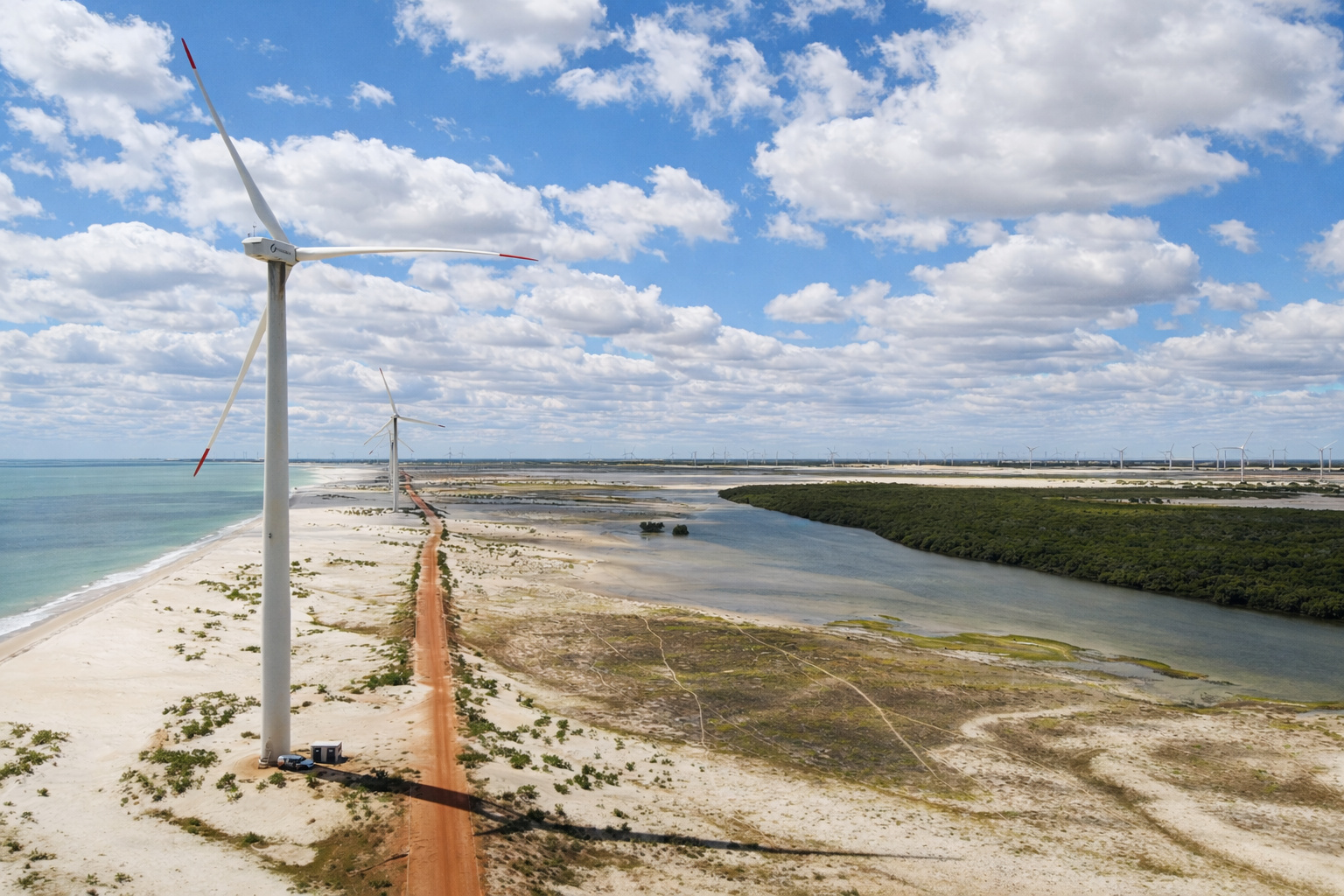
Conflict in the Sertão: Rural communities in Rio Grande do Norte report issues with wind farms and the new challenges of clean energy in the semi-arid region.
-
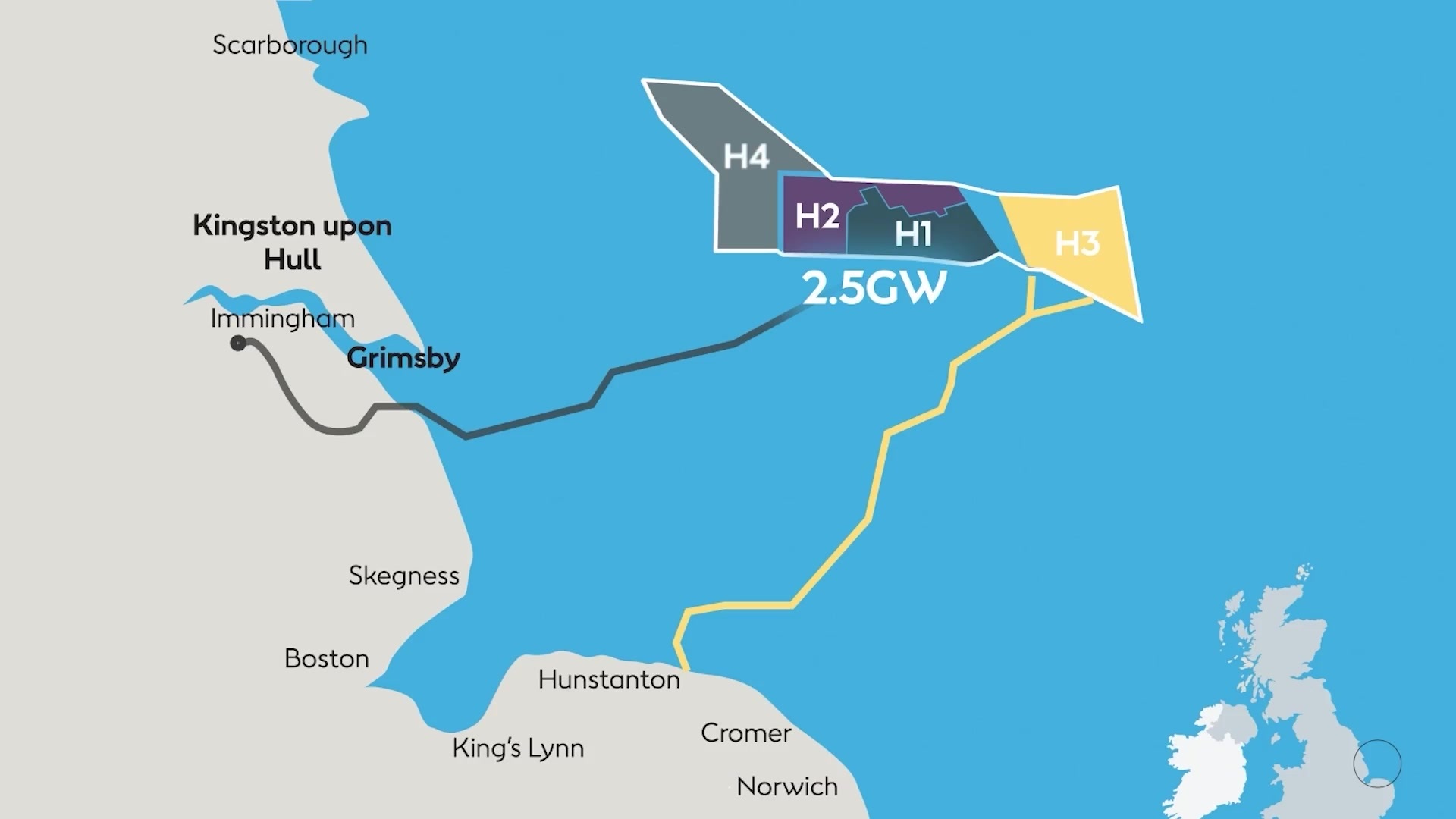
231 turbines of 260 meters at 160 km from the coast, monopiles weighing as much as nine blue whales embedded in the North Sea, and a crane ship taller than the Eiffel Tower: Hornsea 3 will be the largest offshore wind farm on the planet by 2027, and its first components have already arrived in England.
-
International Certification Puts Senai Norte on the Renewable Energy Map and Expands Access to Essential Training for Qualified Wind Power Professionals

-
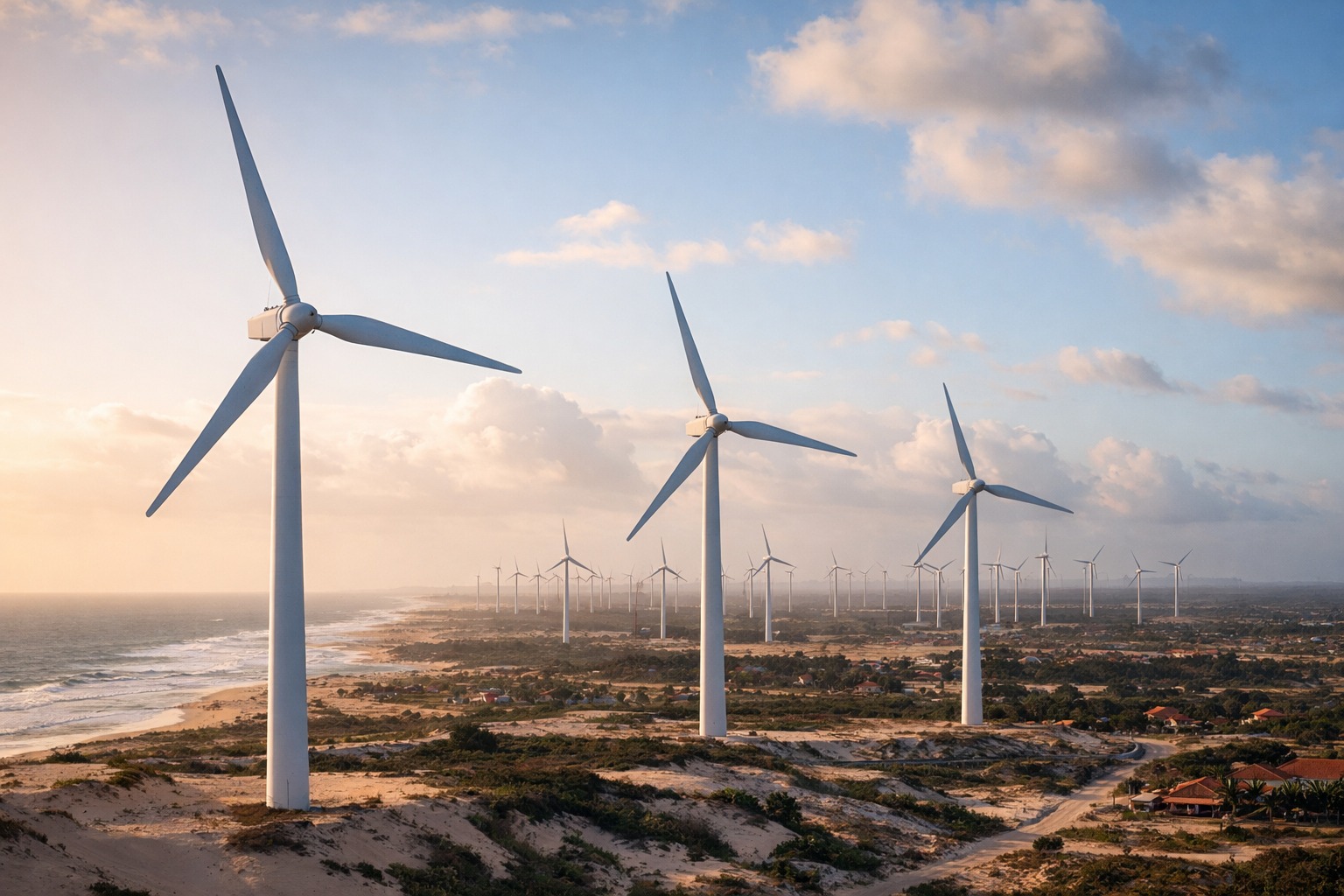
The Winds of the Northeast Are in Foreign Hands: Nearly 70% of the Region’s Wind Farms Are Owned by International Companies, with France, China, and Italy Leading Investments in Wind Energy in Brazil

It demonstrates how the sector still relies on political stability to consolidate.
Historically, wind energy in the U.S. began to develop more consistently in the 1970s and 1980s, driven by the oil crisis and the need to diversify the energy matrix.
Thus, small turbines emerged in rural areas, especially in the Midwest, where the winds are more consistent.
However, only in the early 21st century did the sector gain industrial scale, with large onshore wind farms and, more recently, offshore.
For instance, states like Texas, Iowa, and Kansas have become national references, thanks to generation potential and production cost reductions.
The Revolution Wind wind farm represents a milestone in this context.
With 80% of construction completed, the project will supply power to approximately 350,000 households in Rhode Island and Connecticut.
Moreover, the initiative expands renewable energy and generates significant investments in technology, jobs, and local economic development.
The Danish giant Orsted invested millions and planned to complete the project by 2026.
However, Trump’s decision to halt construction brought uncertainty about the project’s future and the sector as a whole.
It is worth noting that the expansion of wind energy also diversifies the American energy matrix, decreasing dependence on imported fossil fuels.
Thus, the strategy reduces carbon emissions and increases the energy security of the country, especially in a global context of volatility in oil and natural gas prices.
Impacts of Shutdown on Investments and Regulation
The Trump administration claimed it needed to review aspects related to the national security of the United States.
However, documents and public statements did not detail what concrete risks were involved.
Thus, this stance reflects the former president’s tendency to prioritize immediate strategic and economic interests over the advancement of clean sources, especially when compared to traditional fossil energy.
Additionally, the shutdown contrasts with the policy of the previous administration, under Joe Biden, which granted all necessary permits for the project.
Consequently, it reinforced the perception of regulatory instability in the sector.
The industry reacted quickly.
For example, the National Ocean Industries Association warned that halting work on a nearly completed project jeopardizes jobs and investments; furthermore, it undermines American competitiveness in renewable energy.
The Financial Times reported that, in recent months, ongoing projects in the country faced estimated losses of nearly US$20 billion due to similar decisions from the White House.
Therefore, for energy experts, these actions create a domino effect: they not only harm the immediate project, but also discourage new investments, delay research, and limit clean energy generation nationwide.
Furthermore, the shutdown of wind projects weakens the confidence of the financial sector.
As such, banks and institutional investors assess political and regulatory risks before allocating resources.
Sudden policy changes can lead to a retraction of essential financing for new ventures.
Thus, the interruption of the “Revolution Wind” directly impacts the financial sustainability of the sector.
The impact of the shutdown also extends to the environmental dimension.
Wind energy in the U.S. helps reduce greenhouse gas emissions.
As such, each wind farm that fails to come online increases dependence on fossil fuels, such as coal and natural gas.
This pollutes more and delays climate goals.
According to Kit Kennedy, managing director of the energy division at the Natural Resources Defense Council, decisions like this mean that “all Americans pay the price for misguided choices.”
Considering that climate change knows no borders, the global population also feels the impacts of these measures.
Regulatory Challenges and International Cooperation
In addition to environmental and economic factors, the shutdown underscores regulatory and institutional challenges.
Wind energy in the U.S. relies on complex licenses, environmental impact assessments, federal and state approvals, as well as negotiations with local communities.
Therefore, offshore projects, in particular, face issues of maritime space use, impacts on marine life, and integration with the electrical grid.
Any abrupt change in the conduct of these analyses can delay years of planning and investment, creating insecurity for companies and investors.
The case of Revolution Wind also highlights the importance of international cooperation.
For example, foreign companies like Orsted brought advanced technology and established experience in offshore wind farms in Europe.
Consequently, the interruption of these projects undermines not only the U.S. domestic market but also the confidence of international partners to invest in clean energy in the country.
Historically, European experience has shown that offshore wind energy requires political commitment and regulatory stability to achieve significant results.
Without this environment, the United States risks falling behind in innovation and global competitiveness.
Another relevant point is professional training.
Wind energy requires skilled technicians, engineers, and researchers for the installation, maintenance, and operation of the farms.
Thus, with the shutdown of projects, training and development opportunities for qualified labor are compromised.
This delays the growth of a sector that could generate thousands of jobs.
Future Perspectives of Wind Energy in the U.S.
Over the past few decades, the wind energy sector in the U.S. has shown a steady growth trajectory, but is sensitive to public policies.
Between 2000 and 2020, installed capacity grew from a few megawatts to tens of gigawatts, with cost reductions and increased technological efficiency.
Therefore, tax incentives, credits, and subsidies enabled expansion, especially in areas with favorable winds.
However, political decisions that halt mature projects can reverse decades of progress, impacting decarbonization targets and national energy planning.
In terms of employment and local economy, wind energy creates opportunities in various fronts: turbine manufacturing, park construction, maintenance, and operation, as well as indirect services in logistics and research.
Thus, projects like Revolution Wind generate jobs and income, particularly in coastal states.
Consequently, the shutdown compromises not only electric generation but also the economic development of communities directly linked to the sector.
Finally, it is important to reflect on the future perspective of wind energy in the U.S..
Despite challenges such as Trump’s shutdown, the growth trend of clean energy remains solid.
Thus, climate change, demands for clean electricity, technological innovation, and public interest in reducing dependence on fossil fuels sustain the sector.
History shows that, even amid political challenges, investments in wind energy can recover and expand, provided there is strategic planning, dialogue between government and industry, and commitment to long-term environmental goals.
In summary, the shutdown of the “Revolution Wind” wind farm by the Trump administration highlights the challenges faced by wind energy in the U.S., amid political decisions, environmental and economic impacts, and international cooperation.
Therefore, the sector, while resilient, needs regulatory and political stability to continue growing.
The history of American wind energy shows that the potential is enormous, but success depends on continued investments and consistent policies.
This ensures the country moves toward a clean, sustainable, and competitive energy matrix.









Seja o primeiro a reagir!