





 Portuguese
  English
  Spanish
  5 min of reading
  1 comment


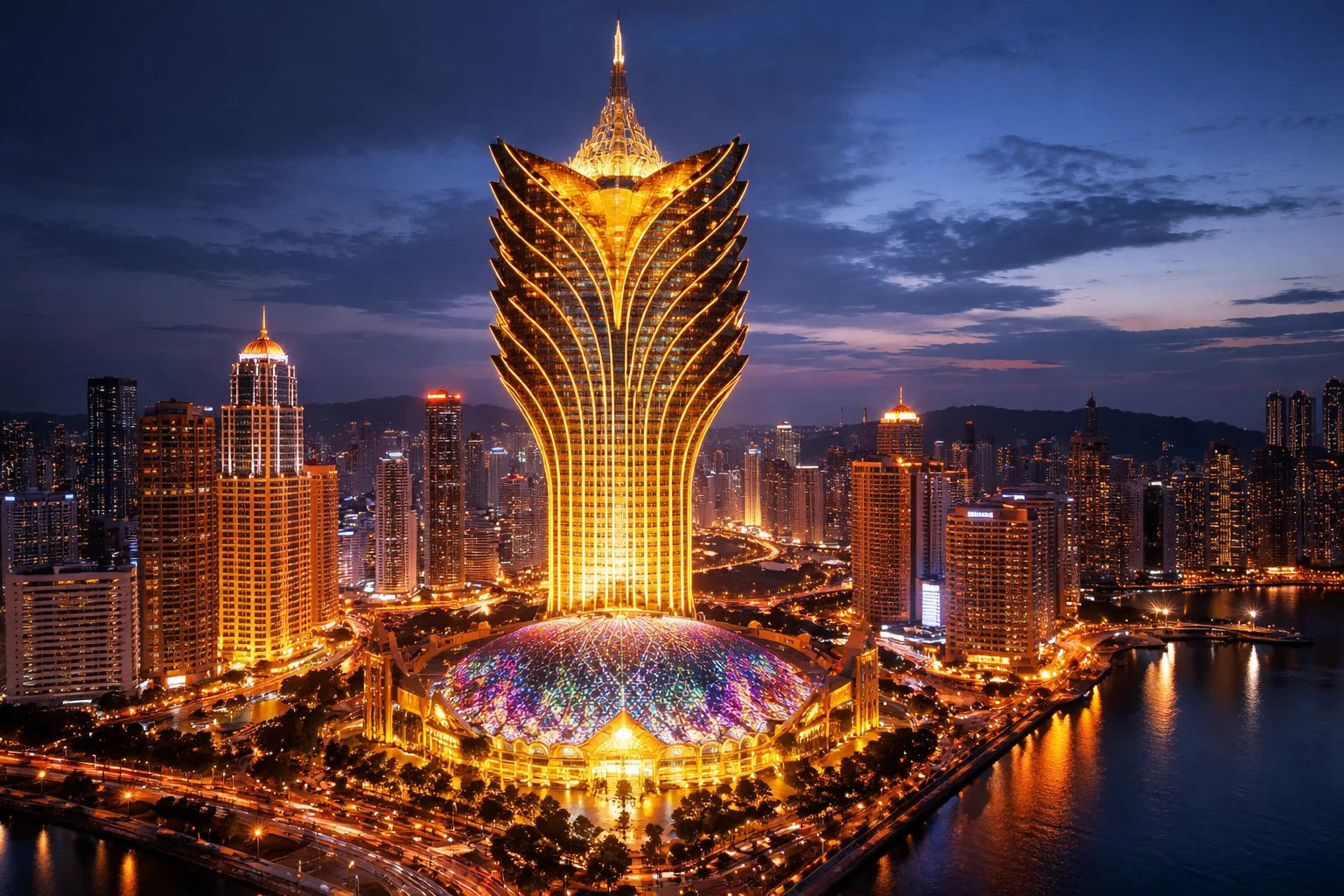


Inspired by the Lotus Flower Present on the Flag of Macau, the Grand Lisboa Was Born in 2007 to Become a Showcase of Luxury, Technology, and Economic Power in One of the Most Densely Populated Regions on the Planet
Anyone arriving in downtown Macau quickly notices a building that seems to defy the logic of traditional architecture. Grand Lisboa, a golden skyscraper shining on the city skyline, dominates the landscape as if it were a giant sculpture made of metal and glass.
It has a 261-meter-tall tower that has become the most recognized symbol of the special administrative region of China.
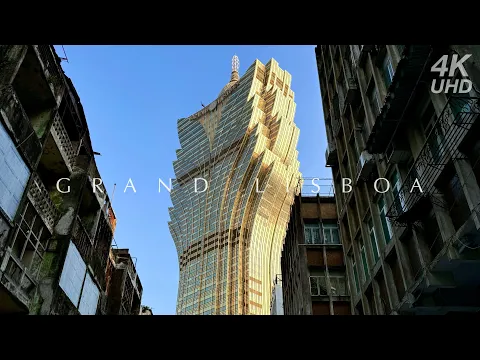

What many people don’t realize is that behind this building lies a curious mix of bold engineering, market rivalry in gaming, and a history that connects Portugal, China, and billions at play in the global casino industry.
-
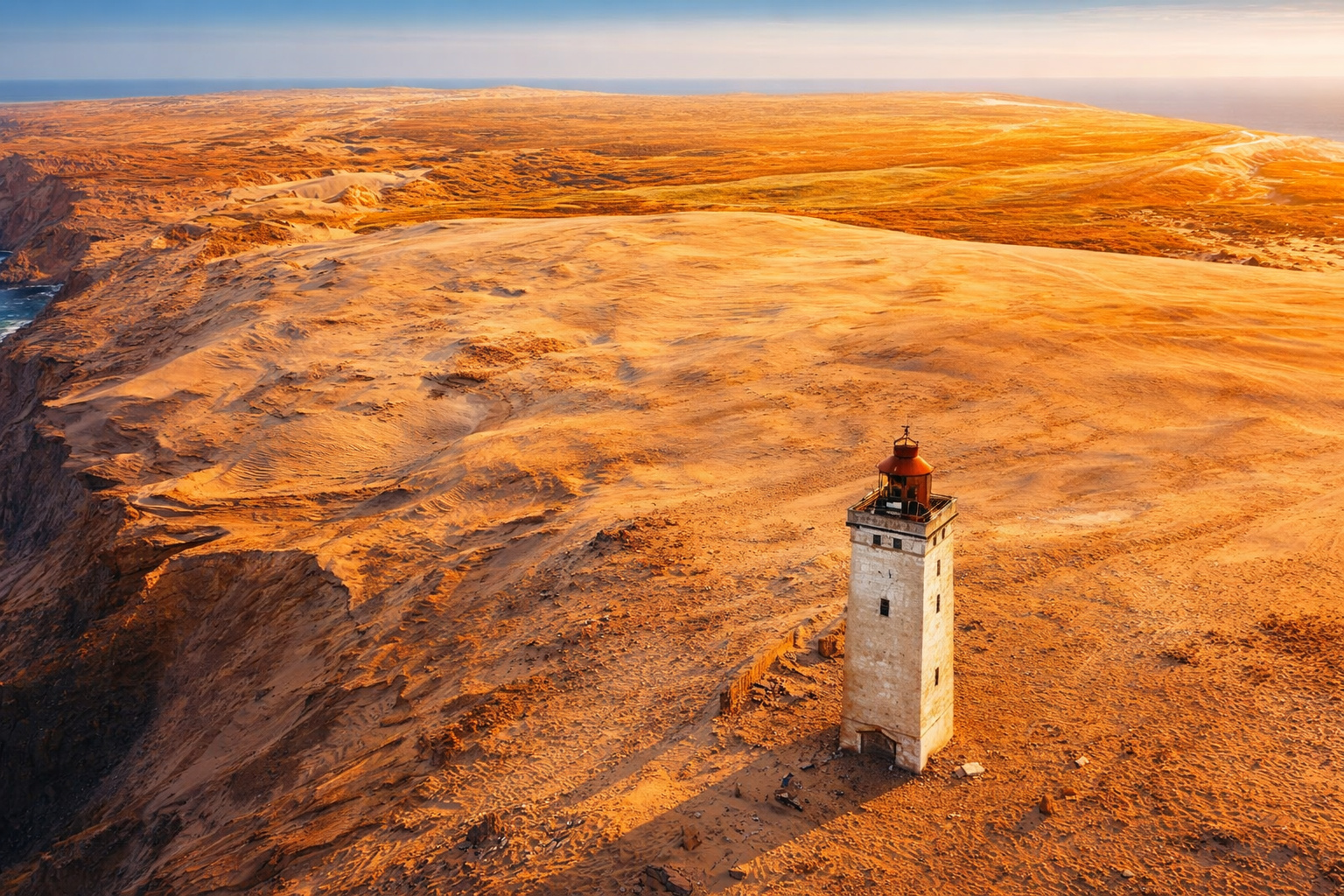
Attracting around 250,000 people a year, a lighthouse 200 meters from the sea, on a 60-meter high cliff, on the North Sea coast in Denmark, becomes one of the most impressive examples of how nature can threaten historical buildings.
-
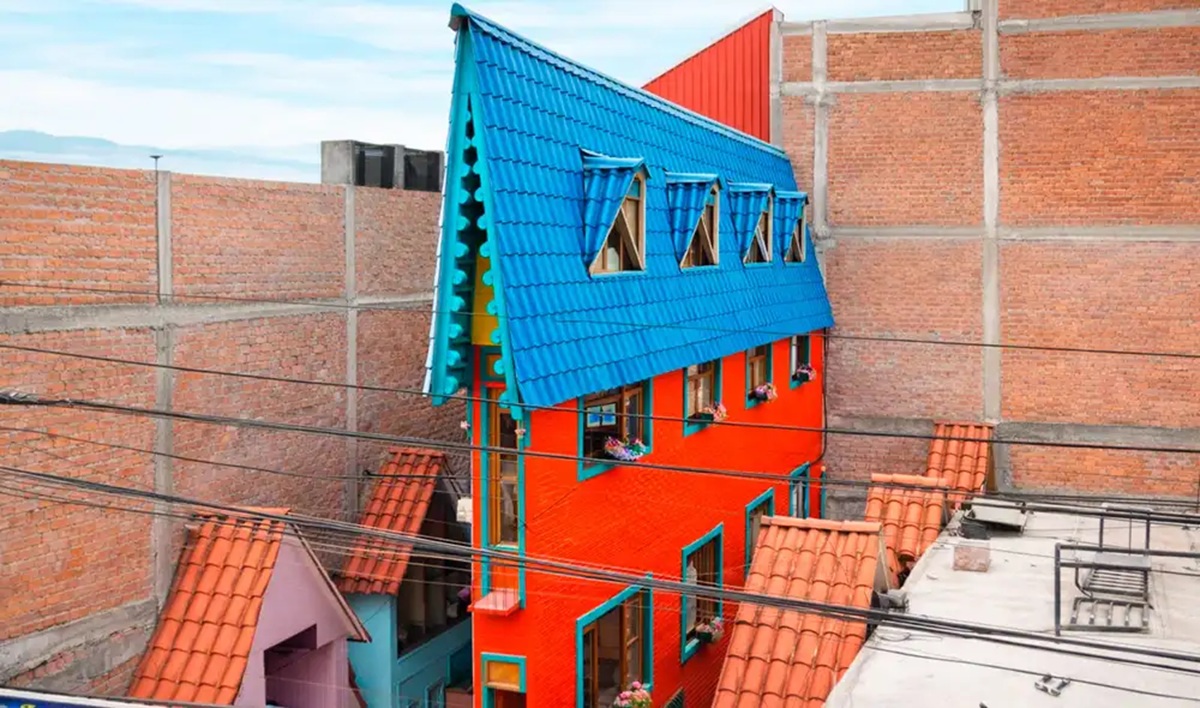
The narrowest house in the world is only 63 centimeters wide, but inside it can accommodate a bathroom, kitchen, bedroom, office, and even two staircases.
-
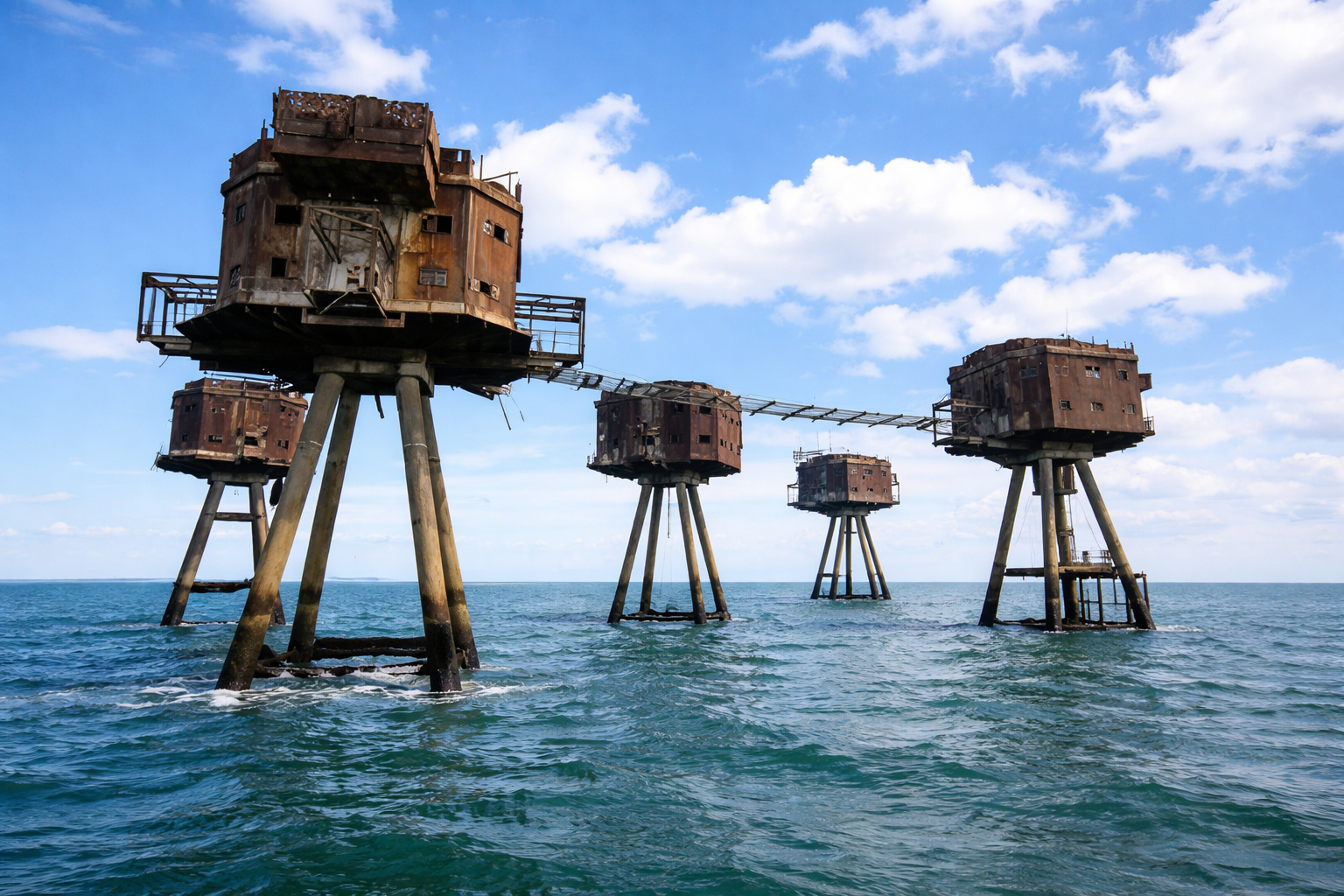
In the middle of the sea, these enormous concrete and steel structures, built by the British Navy to protect strategic maritime routes, look like they came straight out of a Star Wars movie.
-
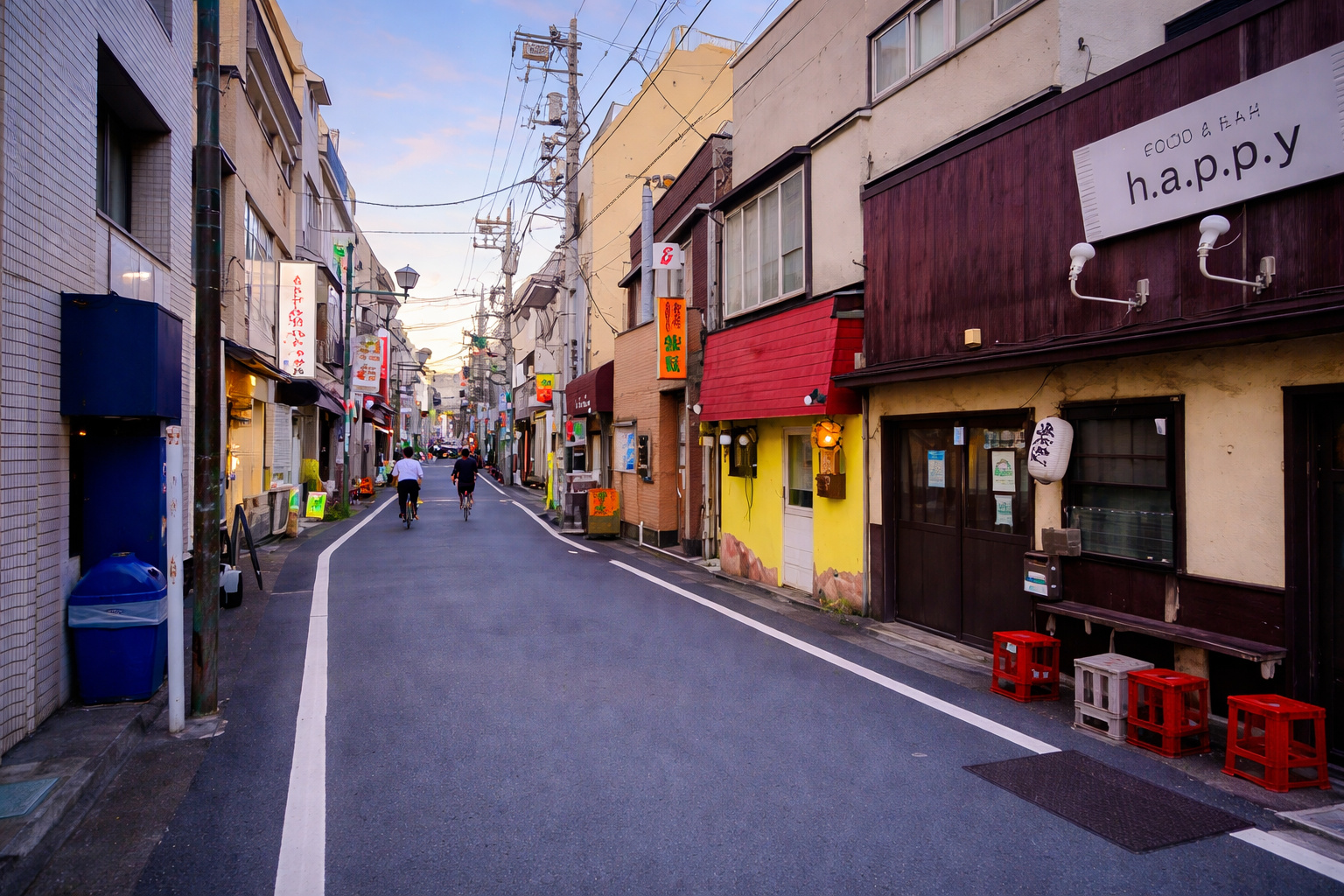
For years, no one could cross a neighborhood in Tokyo because of the tracks, but an impressive solution changed mobility and completely transformed the local routine.

The Construction of Grand Lisboa Was Born from an Ambitious Plan to Transform Macau into the World Showcase of the Entertainment and Casino Industry
The project emerged in 2007, when the Macau Tourism and Entertainment Company decided to create a venture capable of impressing visitors from all over the world.
The idea was clear. To build a complex that represented the economic power of the gaming sector in the region.
Macau was already known as the so-called Las Vegas of Asia, but the market was becoming increasingly competitive. An architectural landmark was needed to reinforce the city’s image as a global destination for tourism and gaming.
Thus, the Grand Lisboa was born, a venture that combines a hotel, casino, and high-end restaurants within a visually impossible-to-ignore structure.
The shape of the tower immediately grabs attention. The design resembles a lotus flower, a symbol present on the flag of Macau and associated with the cultural identity of the region.
Futuristic Engineering and Design Created One of the Most Curious Facades Ever Applied in a Hotel and Casino Complex Worldwide
The main tower was designed by architects Dennis Lau and Ng Chun Man and houses a hotel with about 650 rooms, in addition to restaurants and entertainment areas.
But the complex is not limited to the tower.
The casino operates in a separate structure that resembles a large decorative egg, often compared to the famous Fabergé egg, a classic reference in European jewelry.
The facade of this building features an impressive array of glass panels. Over 5,600 panels were installed, forming geometric patterns inspired by goldsmithing work.
Each panel received a coating of titanium and other metals that help reflect light and create the golden effect.
Among these panels, lighting systems were also installed with more than 16,000 possible colors, allowing the building to completely change its appearance at night.
Meanwhile, the hotel tower employed an even bolder solution. The glass used in the structure was coated with a thin layer of gold, creating the golden tone that made the building famous worldwide.
The Interior of Grand Lisboa Reveals a Level of Luxury That Aims to Rival the Largest Entertainment Resorts on the Planet
If the exterior impresses, the interior of the complex seeks to raise the standard even higher.
The design was developed by architect Khuan Chew, who aimed to blend contemporary luxury with elements of Chinese tradition.
Crystal chandeliers, golden columns, and floors made of noble materials dominate the spaces.
One of the most talked-about details appears in the restaurant located at the top of the tower.
Robuchon au Dôme, a three Michelin-star restaurant, occupies a glass dome and was named the best restaurant in Asia by the Miele organization in 2013.
Inside, there is a monumental chandelier made with 131,500 Swarovski crystals, accompanied by fixtures from the traditional French brand Baccarat.
Another attention-grabbing element is the so-called Stanley Ho Star Diamond, displayed within the casino. The stone weighs 218 carats and was presented by the entrepreneur as a symbol of dedication to the local community.
The Story of Grand Lisboa Is Directly Linked to the Growth of the Gaming Industry That Transformed Macau into an Economic Power
Long before the tower was built, Macau already had an intense relationship with gambling.
In the 19th century, the region enjoyed significant autonomy from Portuguese administration. This freedom allowed for the emergence of various casinos.
One of the most popular games was Fantan, a simple betting game operated by a dealer and based on counting pieces on a table.
The activity grew rapidly and began to attract Chinese and European merchants.
Over time, the market was eventually dominated by the Macau Tourism and Entertainment Company, a company founded by the Sino-Portuguese businessman Stanley Ho.
By the 1960s, Macau had already established itself as one of the largest betting centers in Asia.
This growth also boosted maritime and air transport between Macau and Hong Kong, strengthening the regional economy.
Macau’s Political Transition and the Continuity of Casinos Helped Maintain Grand Lisboa as a Symbol of the Region’s New Economic Phase
In the final years of the 20th century, Portugal began to hand back its overseas colonies.
Macau officially returned to Chinese sovereignty in 1999.
Even after the transfer, the region maintained its own administrative system and distinct legislation. This allowed the casino sector to continue operating and expanding its activities.
Today, Macau features unique characteristics.
The region has its own currency, an independent legal system, and a cultural identity marked by a mix of Chinese and Portuguese influences.
Within this context, the Grand Lisboa remains one of the most recognized buildings in the city.
Its golden silhouette can be seen from various points in the urban center and continues to be associated with the long history of gambling in the region.
Did you already know the story behind this golden skyscraper dominating the horizon of Macau? Do you believe such constructions represent economic progress or just excessive luxury? Share your opinion in the comments.





Esse cassino pertence a Donald Trump?