





 Portuguese
  English
  Spanish
  2 min of reading
  0 comments


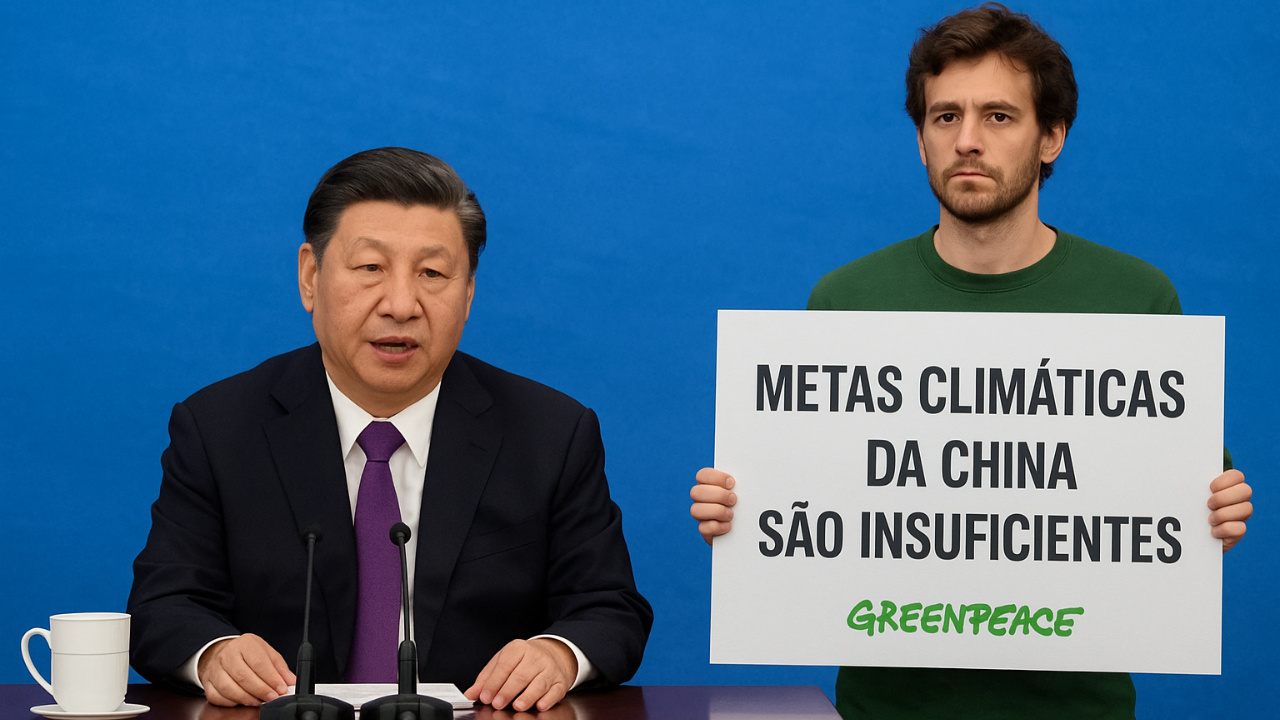
China’s New Climate Targets For 2035 Divide Opinions: As The Government Foresees Emission Cuts And More Clean Energy, Greenpeace Warns That The Commitments Are Still Below Global Challenges.
During the climate summit held alongside the United Nations General Assembly, President Xi Jinping announced China’s new climate targets for 2035. Among the promises are a reduction of greenhouse gas emissions by 7% to 10% from the already reached peak and ensuring that non-fossil energy will represent over 30% of total consumption.
However, the announcement was received with skepticism by environmental organizations. For Greenpeace, the measures “fall short” of the necessary efforts to keep the planet within safe limits. Nevertheless, the organization acknowledges concrete advances in the country’s energy transition.
Greenpeace Sees Positive Signs, But Calls For Greater Ambition
According to Yao Zhe, global policy advisor at Greenpeace East Asia, the accelerated pace of investments in wind and solar can lead to more substantial results than those officially promised. “The target for 2035 offers few guarantees of keeping the planet safe, but it is hopeful that the real decarbonization of the Chinese economy will likely exceed what is on paper,” she stated.
-
How green infrastructure and renewable energy at the World Cup transform the logistics of the largest sporting event on the planet in North America.

-
The Cagece and UFC project advances in sustainable innovation with biogas by converting waste into renewable energy, reducing environmental impacts, and increasing sanitation efficiency with concrete and measurable results.
-
Paranaense students develop a system that transforms farm waste into clean energy and revolutionizes sustainable agribusiness.

-
The Ministry of Defense installs a giant photovoltaic plant and ensures a stable supply of clean energy in Maturacá, in the Amazon.
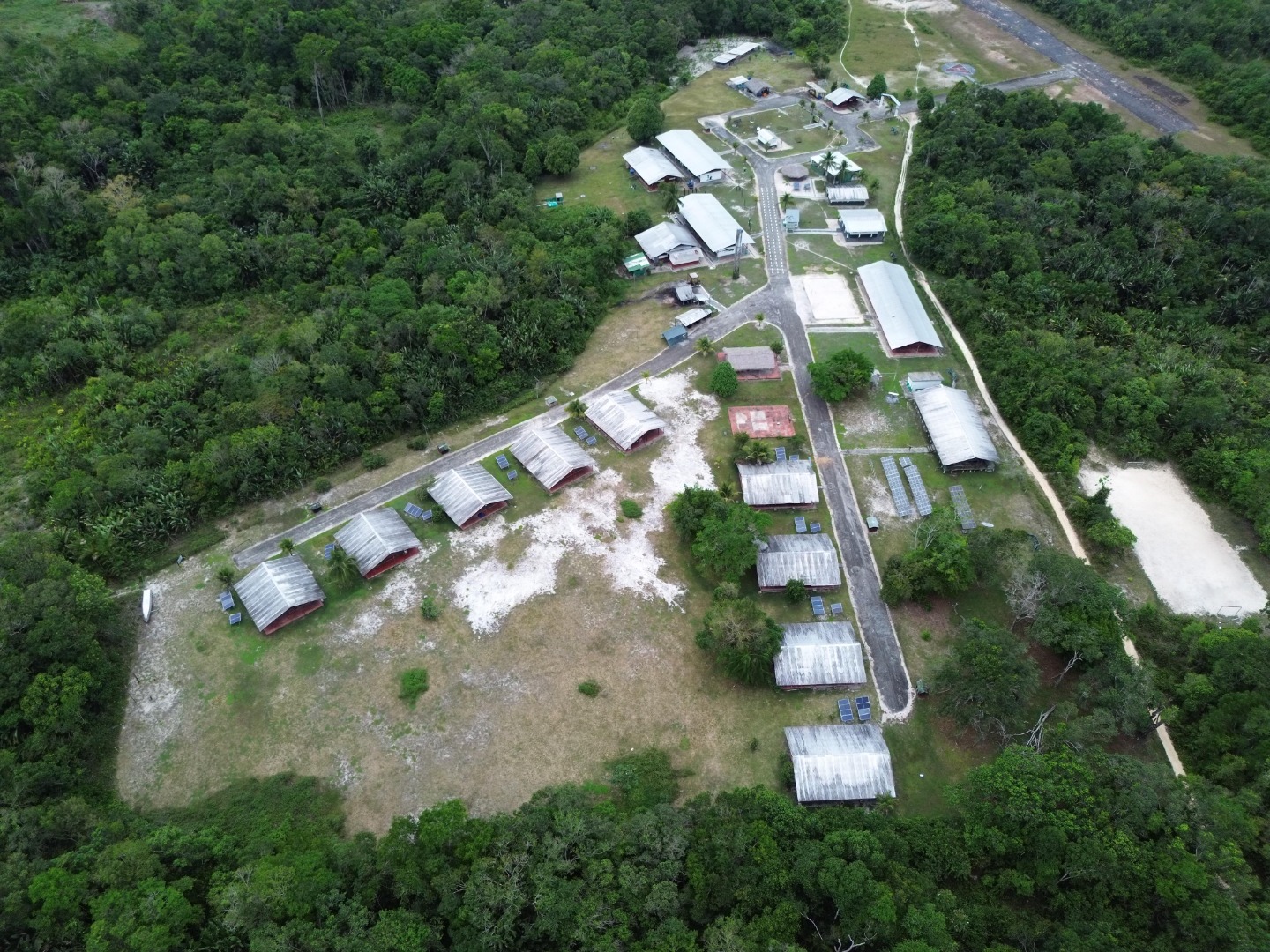
The NGO emphasized that the expansion of renewables and China’s leadership in solutions for international energy transitions already create a solid foundation for, in the future, reinforcing climate commitments.
Renewables Grow And Change The Chinese Energy Matrix
Recent numbers point to a structural transformation in the energy sector. Between 2015 and 2023, the share of fossil fuels in final consumption decreased by 1.7%, while electricity demand rose by 65%. Just in the first half of 2025, wind capacity advanced by 16% and solar by 43%. In the 12 months leading up to June, the combined production from these sources surpassed, for the first time, hydropower, nuclear energy, and biomass.
This progress, according to the organization Ember, could tip the balance of the global market and accelerate the structural decline in the consumption of coal, oil, and gas.
Despite the progress, experts assert that only business and technological advancements will not be enough. It is necessary for Beijing to adopt firmer targets and quick revisions, without waiting for long periods. Greenpeace argues that immediate adjustments are crucial, as “waiting another five years will be too late.”
Even before the new targets, the country had committed to reaching peak CO₂ emissions by 2030 and achieving carbon neutrality by 2060. Now, the challenge is to transform the accelerated expansion of renewables into climate policies that match the scale of the global crisis.







Seja o primeiro a reagir!