





 English
  Francês
  Alemão
  Italiano
  Japonês
  Norueguês
  Portuguese
  Spanish
  5 min of reading


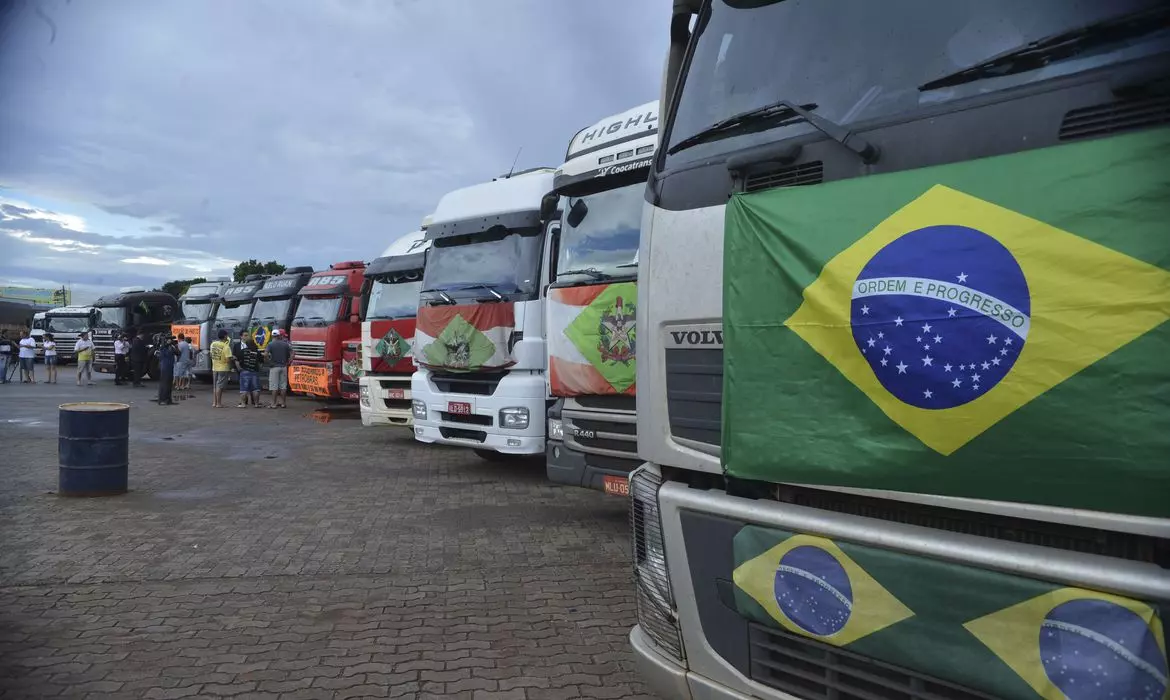
Truck Drivers Organize Strike And Consumers Rush To Refuel, Causing Shortages And Lines Of Almost 1Km At Gas Stations. The Fear Is That The New Shutdown Will Lead To Rationing
The truck drivers’ strike that began on Wednesday, the 8th, remains indefinite this morning (09/09) in at least 15 Brazilian states. The blockades on the highways by truck drivers are already beginning to have effects. In the northern region of Santa Catarina, for example, gas stations in Joinville and São Bento do Sul ran out of gasoline with lines of up to 1km. The movement continues even after an appeal from President Jair Bolsonaro for the category to unblock the blocked roads.
Read Also
- Diesel Price Soars And Registers Over R$ 5 This Semester, The Highest Price Of The Year!
- Increase In The Price Of Gasoline, Diesel, Ethanol, And Rubber Hits Consumers Hard, Either At The Stations Or On The Shelves, Activating The Alert Signal Among Carriers
- Diesel, Gasoline, And GLP Prices Soar Again Hitting Truck Drivers And Millions Of Brazilians Who Suffer Due To Disproportionate Increases Compared To Current Income
- End Of Brand Loyalty At Gas Stations And Sales Of Fuel Via Delivery Will Be Allowed; The Measure Promises To Reduce Gasoline Prices By Stimulating Competition
- Gasoline Prices Soar Again, Ethanol Confirms Significant Increase At The Plant, CNG Hits Record Of R$ 5 At Gas Stations And The Consumer Has Nowhere To Run
- Renault Demanded That Its Team Copy The VW Diesel Engine Fraud, The Largest Vehicle Manufacturer In The World, To Skew Vehicle Emission Results
- Oil, Uranium, Copper, And Aluminum Prices Could Experience A Global Surge Due To The ‘Green Economy’
- Ethanol Prices Soar, Reaching Almost R$ 7 At Fuel Stations; Reduction Promises To Arrive In The Coming Weeks To Ease The Consumers’ Budget
- Gasoline, Ethanol, And Diesel Prices Keep Rising, Legislators Refuse To Change ICMS Amid Soaring Fuel Prices And Petrobras ‘Covers The Costs’
According to reporters Israel Goldenstein and Rauston Naves from Band, many drivers in the cities of the Paraíba Valley formed lines at gas stations on Wednesday night (8) due to fears that the new truckers’ strike would lead to rationing, just as it did in 2018.
“Retention points in the northern region of Santa Catarina, where the mobilization threatened supply conditions, are already cleared,” reported the Ministry of Infrastructure, citing information from the Federal Highway Police.
-
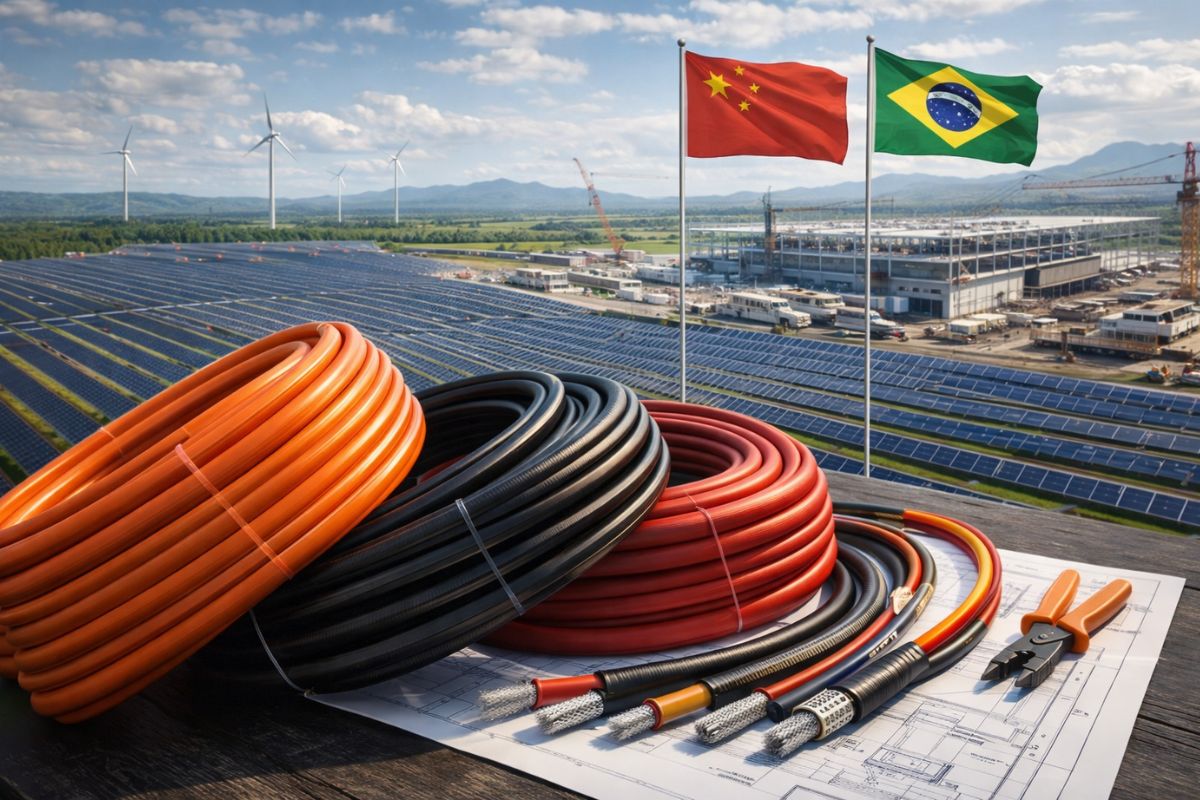
Chinese giant worth nearly R$ 4 billion that manufactures cables for electric cars, solar energy, and robotics wants to open a factory in SC.
-
Many employers do not know, but the law guarantees domestic workers a 25% increase in salary during trips, 50% for overtime, 20% for night shifts, and 17 additional benefits that can lead to labor lawsuits if not paid.

-
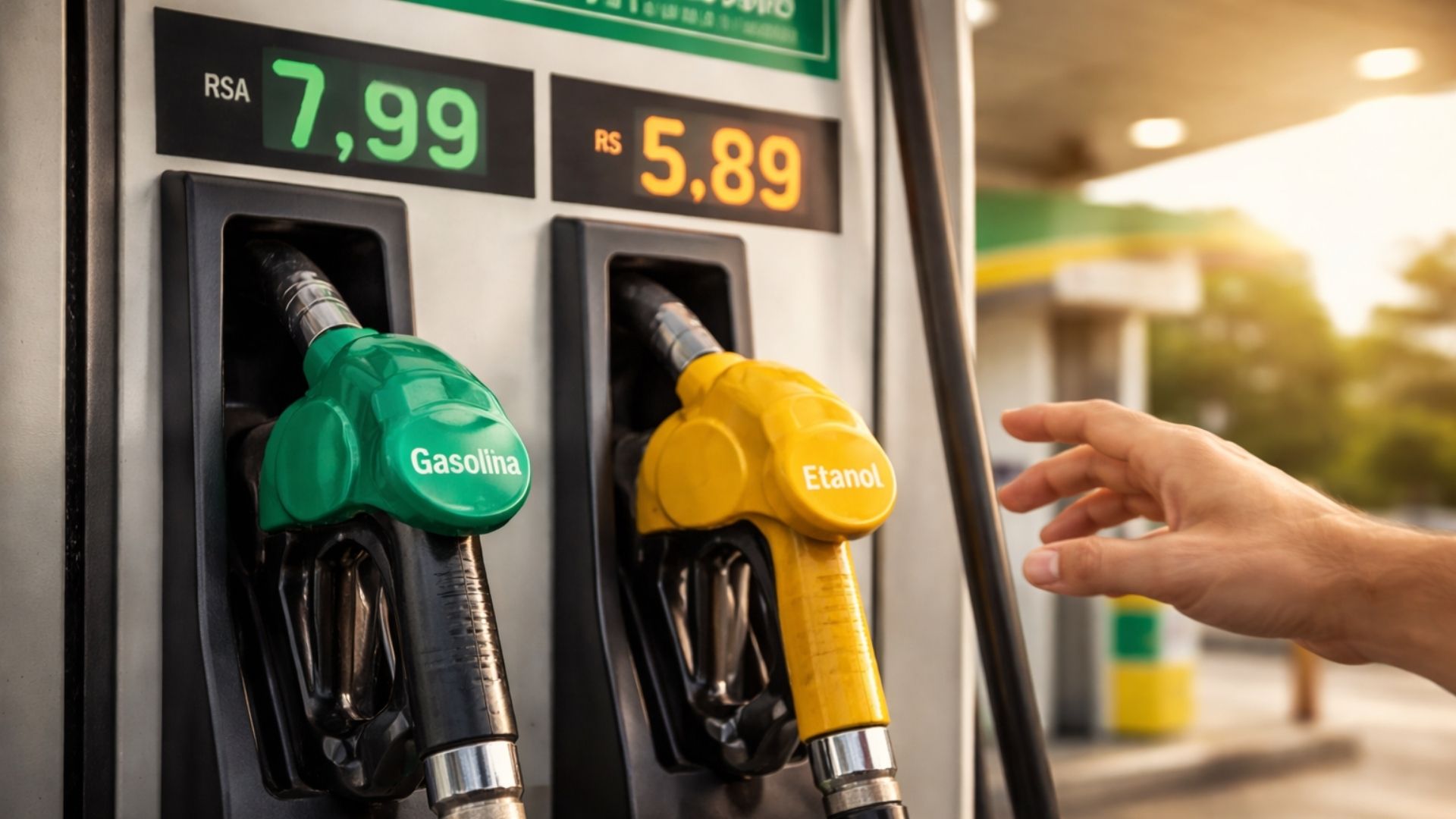
Gasoline prices soar and the question arises: is ethanol more advantageous? The 70% rule reveals the limit with gasoline.
-
The government has made a decision and is starting a test with more ethanol in gasoline, anticipating a mixture of up to 35%, diesel with 25% biodiesel, and a study to assess the impacts on engines.

According to some leaders of the category, the demands advocated during the protests include a reduction in fuel prices, but there are other distinct points proposed by trucker associations, such as support for President Jair Bolsonaro (without party) against the Supreme Court (STF). Common ground is the demand for lower fuel prices, but with different political accusations.
The states with concentration points are: Santa Catarina, Rio Grande do Sul, Paraná, Espírito Santo, Mato Grosso, Goiás, Bahia, Minas Gerais, Tocantins, Rio de Janeiro, Rondônia, Maranhão, Roraima, São Paulo, and Pará.
According to leaders interviewed by Band FM, there is no expectation of how long the strike will continue. Passenger vehicles, health-related vehicles, and those with perishable goods are reportedly allowed to pass through the roadblocks.
A video circulating on WhatsApp shows truck driver Marcos Antônio Pereira Gomes, known as “Zé Trovão,” calling for the closure of all Brazilian highways starting at six in the morning on Thursday, September 9. “Shut everything down, nothing gets through. Only ambulances, oxygen, and medicine. That’s it, nothing passes anymore,” he asserted.
In 2018, Truck Drivers Held A Historical Strike Against Diesel Prices
The demands of the truck drivers, who previously held a historic strike against diesel prices in 2018, continue to echo in President Bolsonaro’s ongoing complaints about fuel costs.
In a letter sent to President Bolsonaro, the CNTRC asks the government to adopt a tax on crude oil exports “as an immediate measure,” while other requests should be analyzed, such as ending the pursuit of import parity.
“The resources derived from the taxation of crude oil exports could be used to compensate states and the federal government in reducing fuel taxes,” suggested the group of truck drivers.
Soaring Prices Of Gasoline, Ethanol, Diesel, And CNG Drive Drivers To Biometan Fuel; The Fuel Came To ‘Save’ And Alleviate The Consumers’ Budget
Every passing day brings increasing prices for gasoline, ethanol, and diesel, and with that, Brazilians working in passenger transportation, such as taxi drivers and app drivers, who previously relied on Compressed Natural Gas (CNG), are migrating to biometane since CNG is also starting to strain their budgets. Biogas can easily be used in vehicles that have gas kits.
Petrobras made a new adjustment to the price of CNG, increasing it by 39% for distributors. According to a survey conducted by the National Agency of Petroleum, Natural Gas and Biofuels (ANP), in the last week of May, the price of vehicular gas for the end consumer reached R$ 4.199 at some points in the city of Rio de Janeiro. In light of this, despite not being a new solution, biogas is becoming popular for being more efficient and cheaper.
Currently, only ten gas stations in Rio de Janeiro offer CNG biometane (biogas), but according to Jorge Mathuiy, commercial director of the cylinder industry MAT, this number is expected to increase significantly by the end of the year, as biometane has a lower acquisition cost and is completely safe.
The main advantage of using biometane is that, besides greater range, the fuel offers higher safety, as it is lighter than air and in case of a leak, the gas dissipates quickly, reducing the risk of explosions and fires. While alcohol ignites at 200ºC, and gasoline at 300ºC, biogas requires a temperature above 620ºC to ignite.
Drivers still face difficulties identifying biometane at gas stations. The tip is to ask the attendant if the option is available or observe if the supplier is one of the companies distributing the fuel, for example, Neogás.






Seja o primeiro a reagir!