





 Portuguese
  English
  Spanish
  4 min of reading
  0 comments


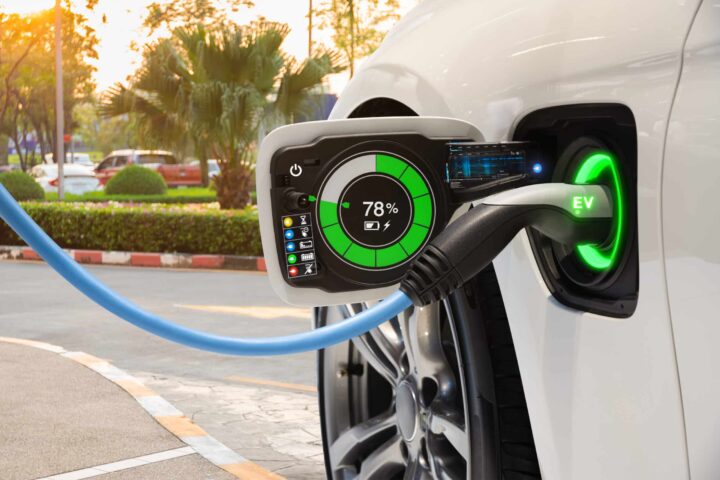
Discover How Electric Car Sales Soared in Brazil, What Factors Drive This Revolution and How Infrastructure Is Evolving to Meet the New Demand for Sustainable Mobility.
The market for electric cars in Brazil is in full expansion. In fact, in February 2025, sales of electrified vehicles increased by 24% compared to the same period last year.
Moreover, according to data from the Brazilian Electric Vehicle Association (ABVE), nearly 13 thousand electrified light vehicles were registered, consolidating the growth trend of this segment.
The Factors Driving the Growth of Electric Cars
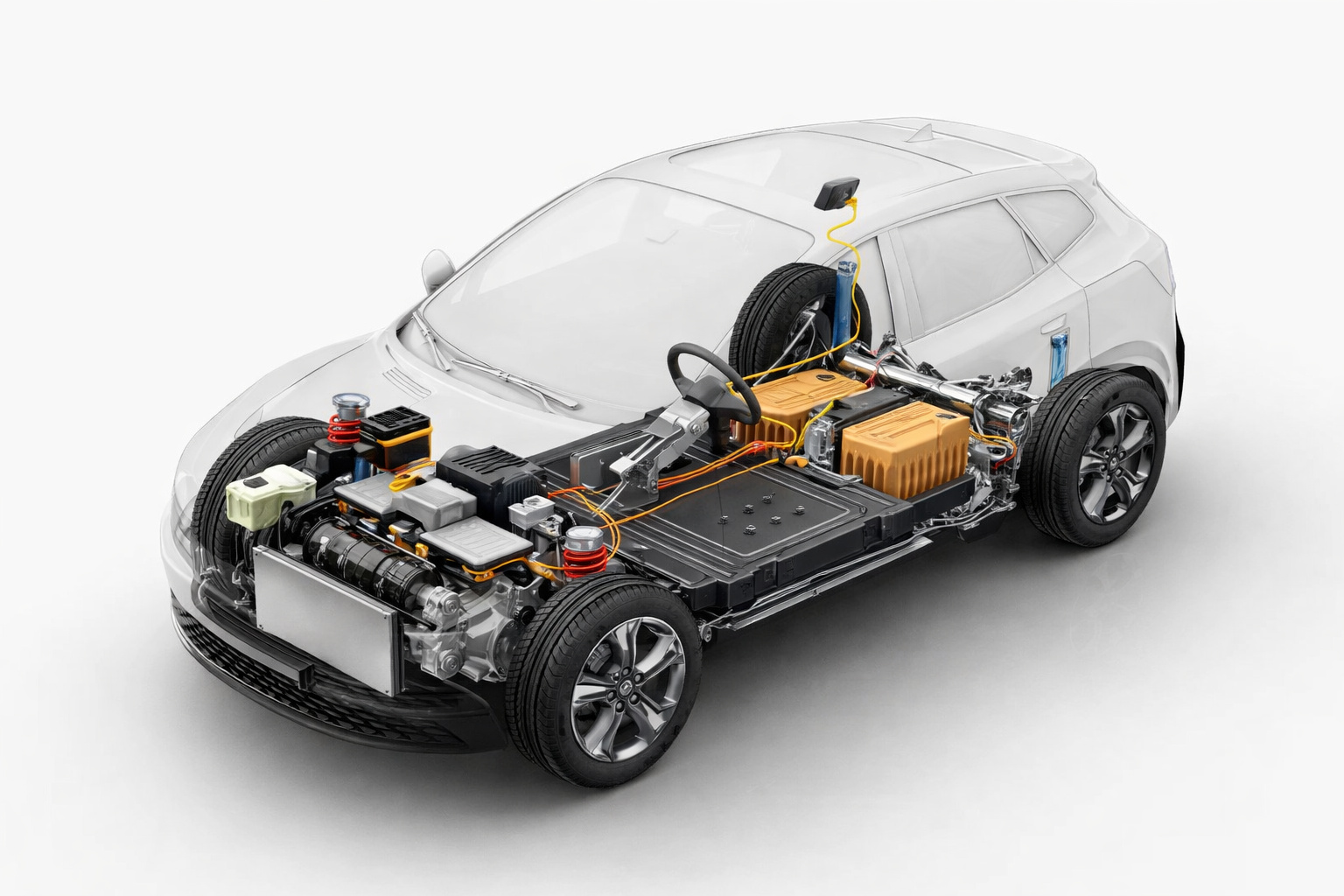
Electric mobility is gaining more ground in Brazil, mainly due to the increased environmental concern, government incentives, and advancements in automotive electrification technologies.
-
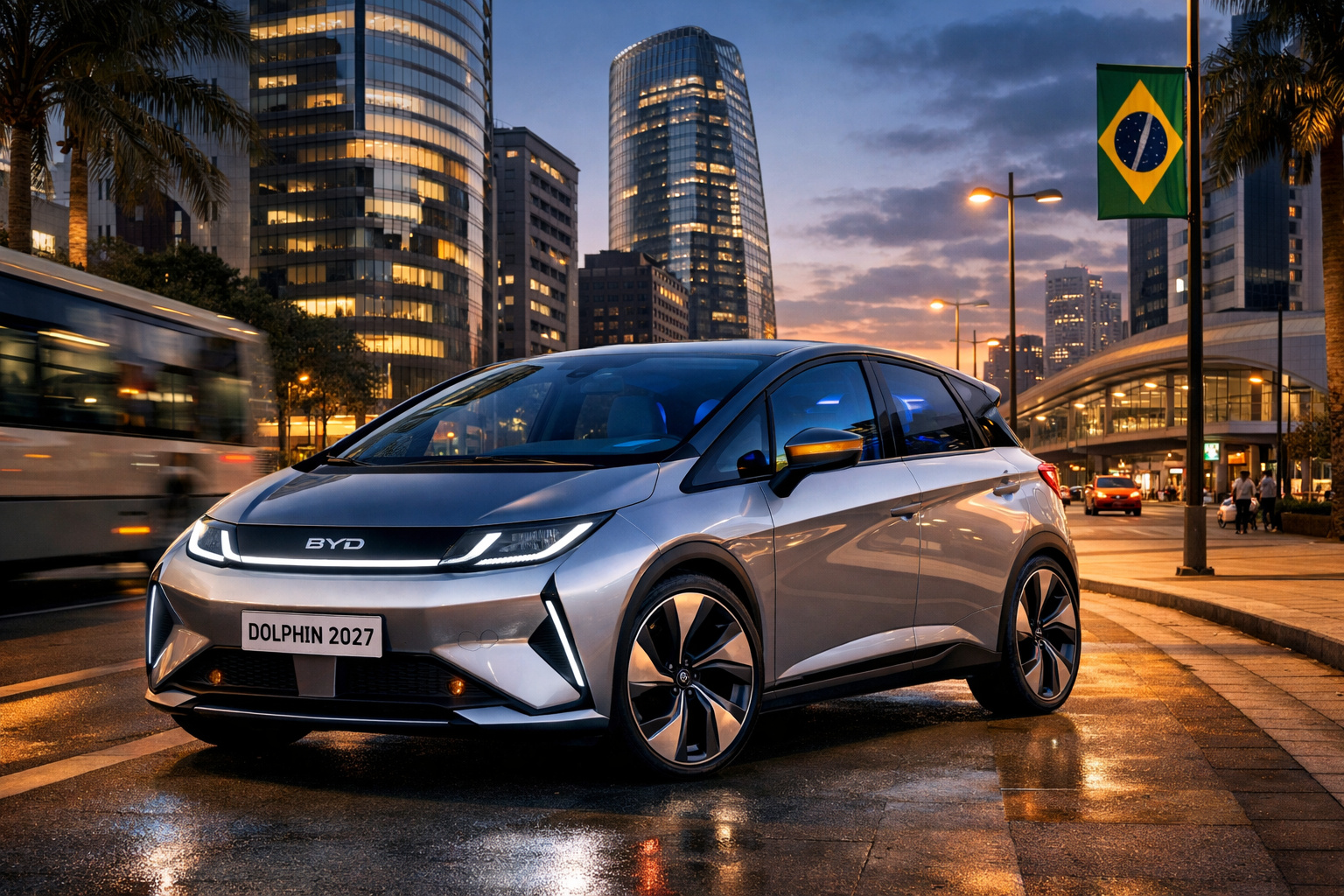
BYD Dolphin 2027 gains more power, increases in size, changes interior, and abandons controversial feature to face new competition in Brazil.
-
The German economist Wolf-Peter Schill has no doubts: “Electric cars are already far superior to cars with internal combustion engines.”

-
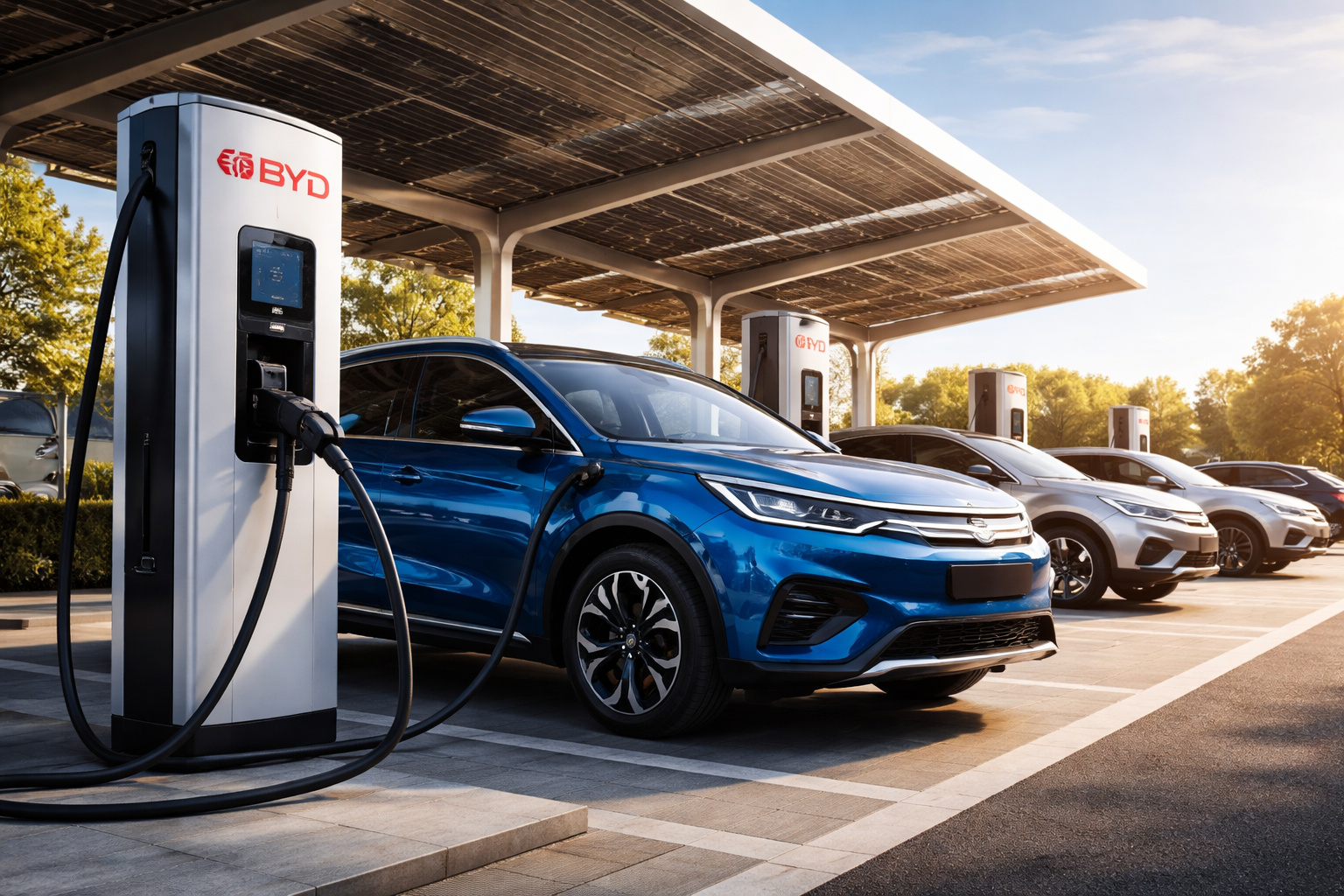
Largest public charging network in Brazil: BYD reaches 125 fast chargers and accelerates national expansion of electric mobility.
-
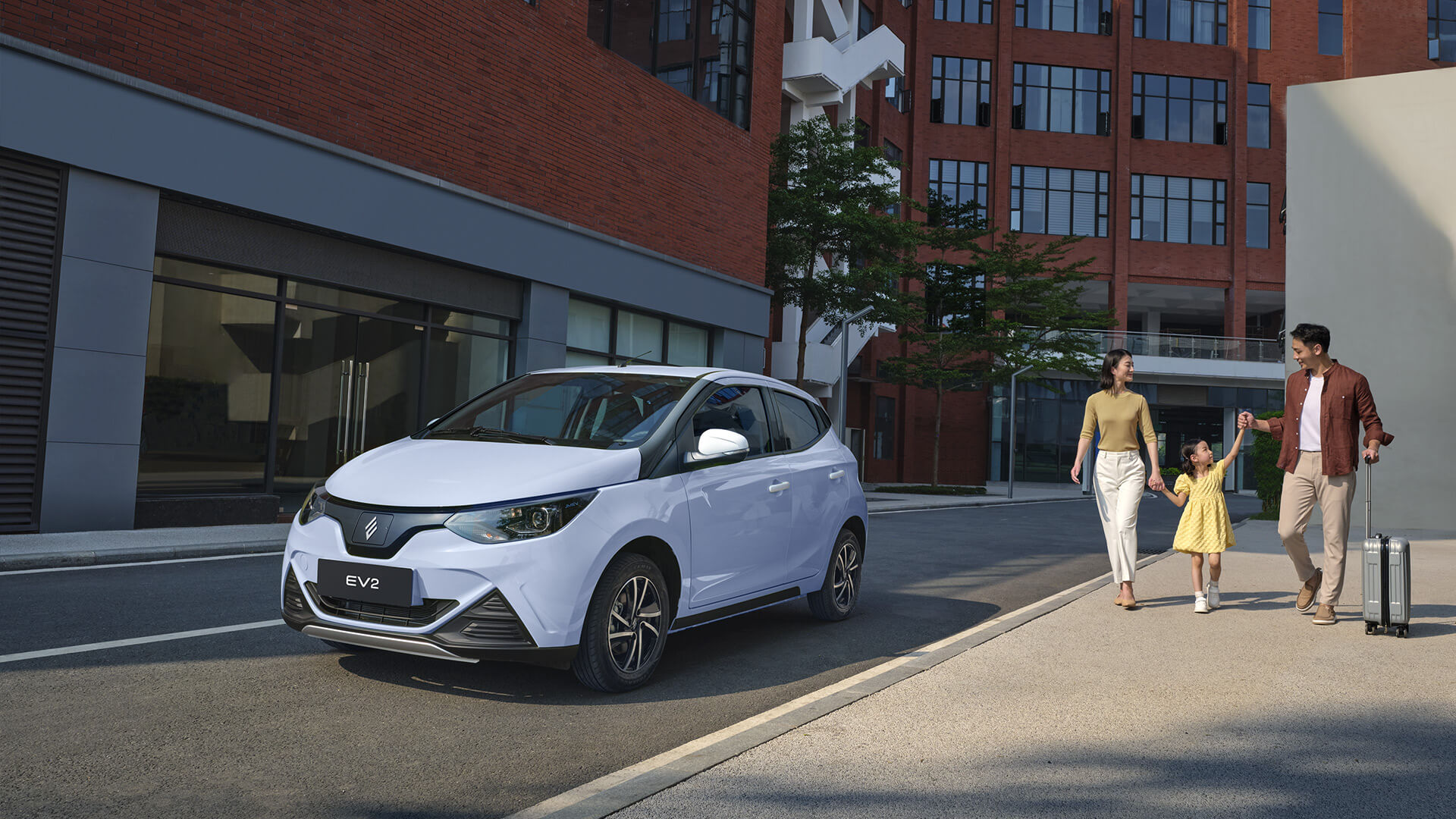
Goodbye expensive popular car: electric vehicle for less than R$ 70,000 starts being sold in Brazil with a range of 200 km and targets those looking to escape gasoline.

In addition, in January 2025, consumers acquired 12.5 thousand electrified vehicles, with a highlight on plug-in hybrids, which lead sales in the sector.
According to the site Portal Solar, the sale of electric vehicles in Brazil began to grow significantly in 2022, when the market recorded a 41% increase compared to the previous year.
This continuous growth reflects the greater availability of electric and hybrid models in the country.
With the greater adoption by consumers, it is expected that the sales of electric cars in Brazil will continue to grow throughout the year. Thus, this growth is due to the improvement in charging infrastructure and the reduction of maintenance and energy consumption costs of these vehicles.
Infrastructure and Expansion of Charging Stations in Brazil
The expansion of infrastructure for electric vehicles represents a great challenge and at the same time an opportunity to further boost sales.
Currently, about 25% of Brazilian municipalities already have charging stations for electric cars, which facilitates the adoption of this technology by consumers.
According to the site Canal Energia, in 2023, Brazil had approximately 3,000 charging stations for electric vehicles.
However, this number was still insufficient to support the rapid growth of the electric fleet. Since then, private companies and the government have been heavily investing in the expansion of infrastructure, aiming to reach at least 10,000 charging points by 2026.
Additionally, with investments in clean energy in transportation, automakers and companies in the sector are expanding the fast-charging network and improving batteries to ensure greater vehicle autonomy.
As a result, consumer confidence is increasing, further strengthening the market.
Why Choose an Electric Car? The Main Benefits
Electrified vehicles offer various advantages, including:
- Automotive Sustainability: reduce pollutant emissions and help to preserve the environment;
- Cost Savings: have lower maintenance and energy consumption costs, becoming a financially viable option;
- Advanced Technology: feature intelligent systems and connectivity, providing more safety and comfort.
According to the site Inside EVs Brasil, electric vehicles can save up to 70% on fueling costs compared to combustion models.
Furthermore, the maintenance of these vehicles is also significantly cheaper, as they have fewer moving parts and do not require frequent oil changes or complex transmission systems.
In the coming years, automotive electrification will become an increasingly viable and accessible alternative.
Thus, it will follow the evolution of the global market, becoming part of the daily lives of more consumers.
The Future of Electric Mobility in Brazil
With the rapid growth of electric car sales in Brazil, new incentive policies and investments in infrastructure should continue to drive this segment.
Moreover, experts predict that the country will follow a similar trajectory to that of nations that have already consolidated electric mobility.
According to the site Auto Esporte, Brazil intends to adopt more aggressive measures to reduce the sale of combustion cars by 2035, following trends already established in Europe.
If these goals are achieved, electric cars could represent over 50% of new vehicle sales by 2040.
With the expansion of charging station infrastructure for electric vehicles and the popularization of sustainable technologies, Brazil is likely to adopt this global trend.
Therefore, the advancement of renewable energies in the automotive sector and the growing concern for sustainability will continue to drive the electrification of the national fleet.
The Impact of the Electric Car Revolution on Society and Economy
Brazil is preparing for a revolution in the automotive sector, where electrified vehicles will be increasingly present on the streets and roads of the country.
As a consequence, this transformation directly impacts the economy, generating new jobs, encouraging investments, and creating new opportunities for the renewable energy and technology.
According to the site UOL Carros, in 2024, the electric mobility sector was already generating around R$ 2 billion in Brazil.
With the market expansion and the arrival of new automakers, the expectation is that this number will grow exponentially in the coming years, boosting various sectors of the economy.
Finally, electric mobility solidifies as one of the pillars of sustainability and innovation in Brazil.









-

2 pessoas reagiram a isso.