





 English
  Francês
  Alemão
  Italiano
  Japonês
  Norueguês
  Portuguese
  Spanish
  3 min of reading


Minister States That Amount Injected Into The Economy Should Be Around 30 Billion This Year And 12 Billion In 2020, Considering Active And Inactive Accounts
The Minister of Economy, Paulo Guedes, stated this Tuesday, 23, that the release of the Guarantee Fund for Time Served (FGTS) should be around 42 billion reais, with 30 billion this year and 12 billion in 2020, considering active and inactive accounts. The minister mentioned that there will be news in the official announcement of the measure on Wednesday.
In addition, according to him, withdrawals will be allowed every year. Early in the evening, the presidential spokesman, General Rêgo Barros, stated that the withdrawals should be around 500 reais per account. Guedes, however, did not confirm.
– I had mentioned a month or two ago that it would be around R$ 42 billion. That is indeed the case. It should be about R$ 30 billion this year, about R$ 12 billion next year. That’s the R$ 42 billion I had mentioned, but you will see that there are new things, there are interesting things – said the minister.
-
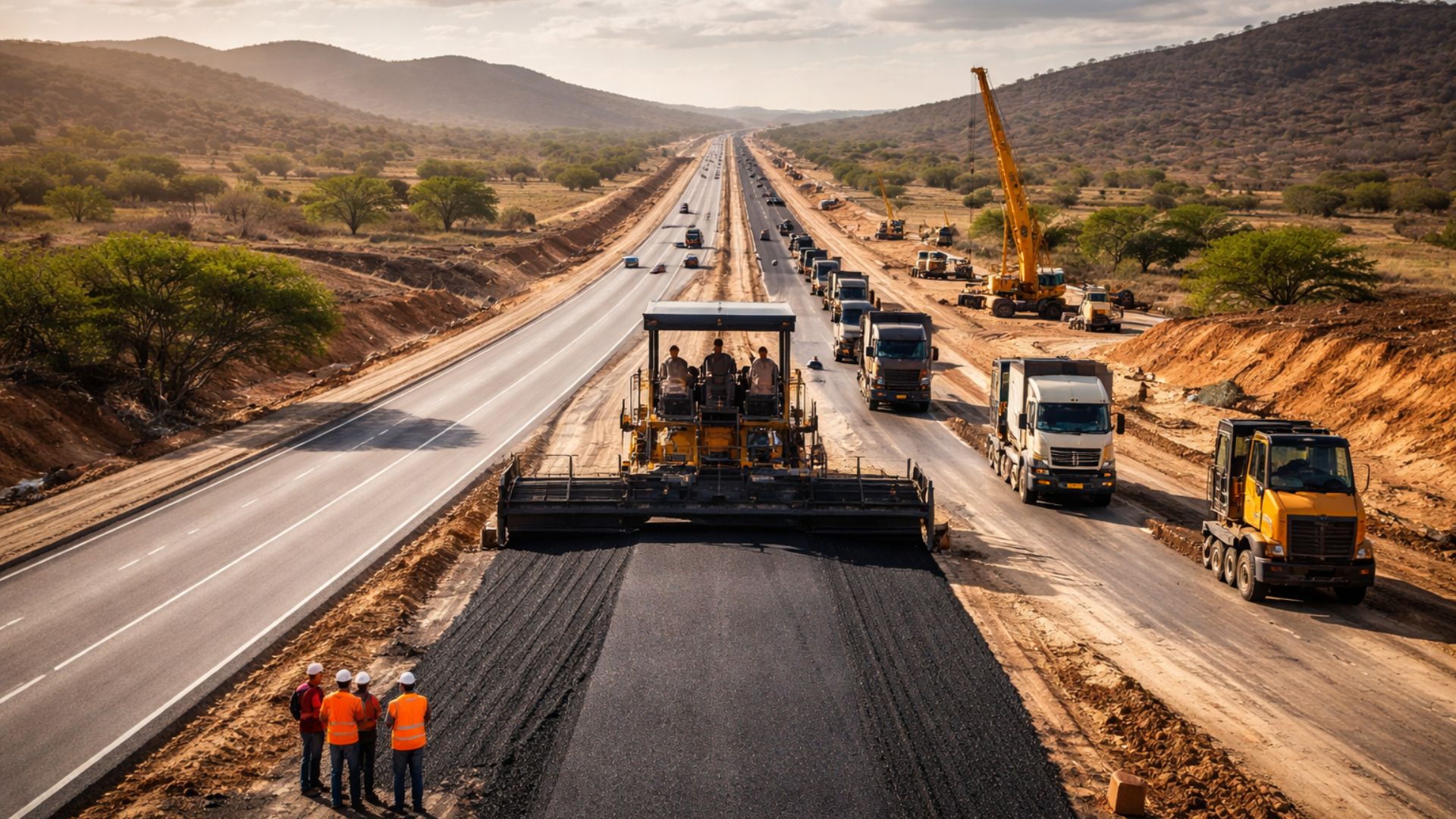
Government unlocks R$ 554 million for a highway that has been requested for decades and accelerates the duplication of BR.
-
Without bricks, without cement, and without endless construction: the cardboard house that is assembled in modules and can be moved.

-
Billions of barrels on the equatorial margin could lead Amapá to double its oil production in Brazil — the state aims to enter the route of companies in the Campos Basin, attract investments, and boost jobs and businesses in the oil and gas sector.

-
Without bricks, without cement, and without endless construction: the cardboard house that is assembled in modules and can be moved.

And he added, “The previous government only released inactive accounts. We will release both active and inactive. They released it only once. We will release it forever. Every year there will be – he added”, soon after talking to journalists following an event at the Planalto Palace for the launch of the New Gas Market.
The release of funds from the FGTS and PIS is one of the ways found by the government to stimulate economic activity at a time when GDP is practically stagnant.
The government’s official forecast is for growth of only 0.8% in 2019. However, the withdrawal is limited to avoid a depletion of the Fund, which finances housing and infrastructure projects. The measure is viewed with concern by members of the FGTS Curator Council, as the withdrawals could compromise the Fund’s budget.
The injection of R$ 30 billion this year would result from two measures. The main one, impacting R$ 28 billion, would be the release of withdrawals of up to R$ 500 per account. Thus, if a worker has three FGTS accounts, they could withdraw up to R$ 1,500. The remaining R$ 2 billion would come from the release of withdrawals from PIS/Pasep.
The R$ 12.5 billion next year will be the result of the new model of annual withdrawals. Starting in 2020, the withdrawal amount will vary according to the balance of each worker’s account. The percentage can vary from 10% to 35%, with those having more money receiving a smaller percentage to withdraw. Withdrawals would always be authorized in the worker’s birthday month, which will have a two-month grace period to withdraw – those whose birthday is in April, for example, will have until June to withdraw.
Government Will Connect The Port Of Itaqui, In Maranhão, By Railroad To The Port Of Santos.








Seja o primeiro a reagir!