





 Portuguese
  English
  Spanish
  5 min of reading
  0 comments


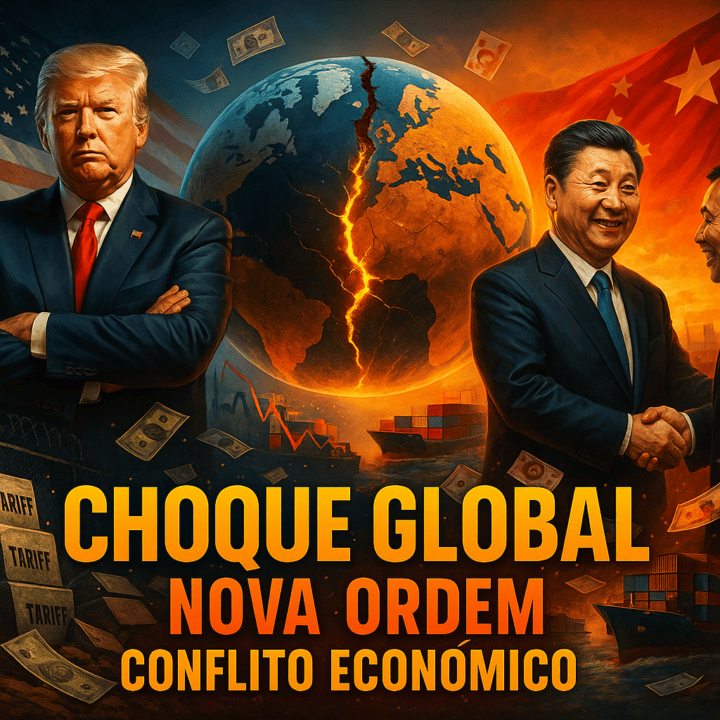
Amid Growing Trade Tensions, Global Powers Redefine Strategies, Build New Alliances, and Expose Historical Weaknesses, While the World Silently Watches the Rise of a New International Order That Promises to Transform Geopolitical Balance in the Coming Decades.
The intensification of the tariff war between China and the United States is reshaping the contours of global geopolitics.
While Washington adopts an increasingly isolationist stance, Beijing expands its influence with pro-globalization rhetoric and new trade partnerships.
The European Union, in turn, is losing its prominence and seeking alternatives so as not to be sidelined in international decision-making.
-
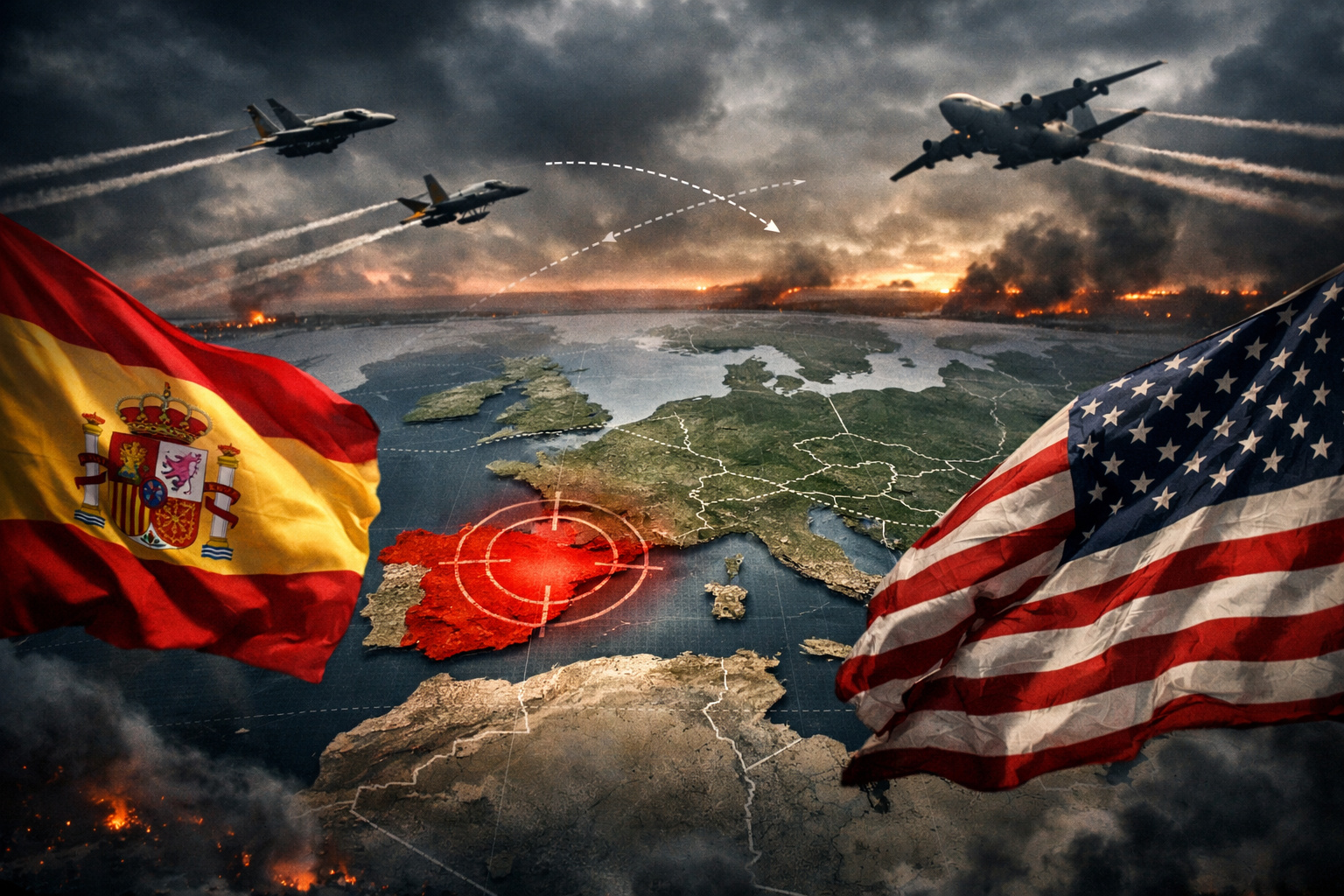
Spain challenges the USA and closes its airspace for operations against Iran, raising global tension and provoking the threat of a trade rupture.
-
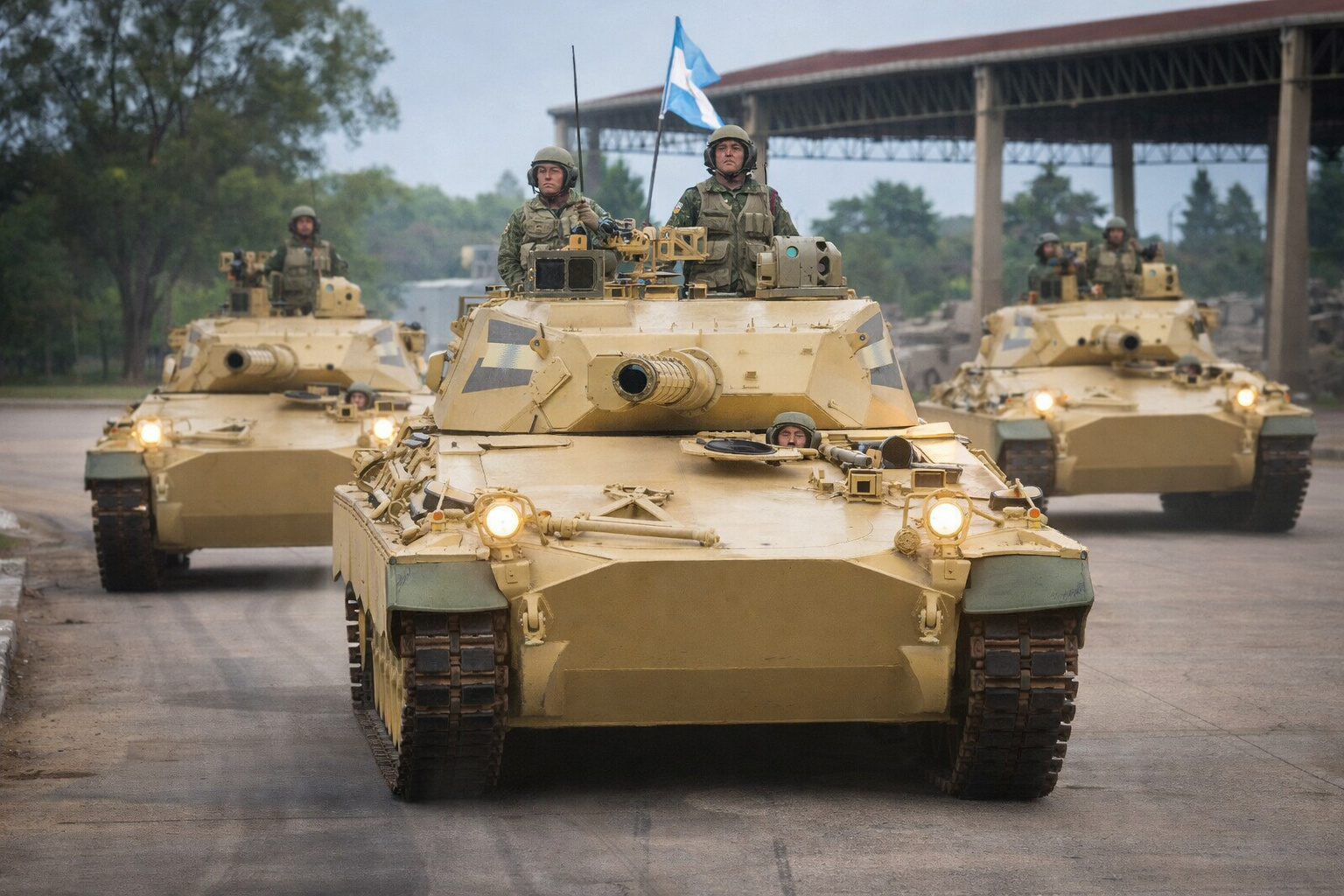
While no other country manufactures tanks in Latin America, Argentina activates the TAM 2C-A2 and raises a curiosity about the technological lag in the region.
-
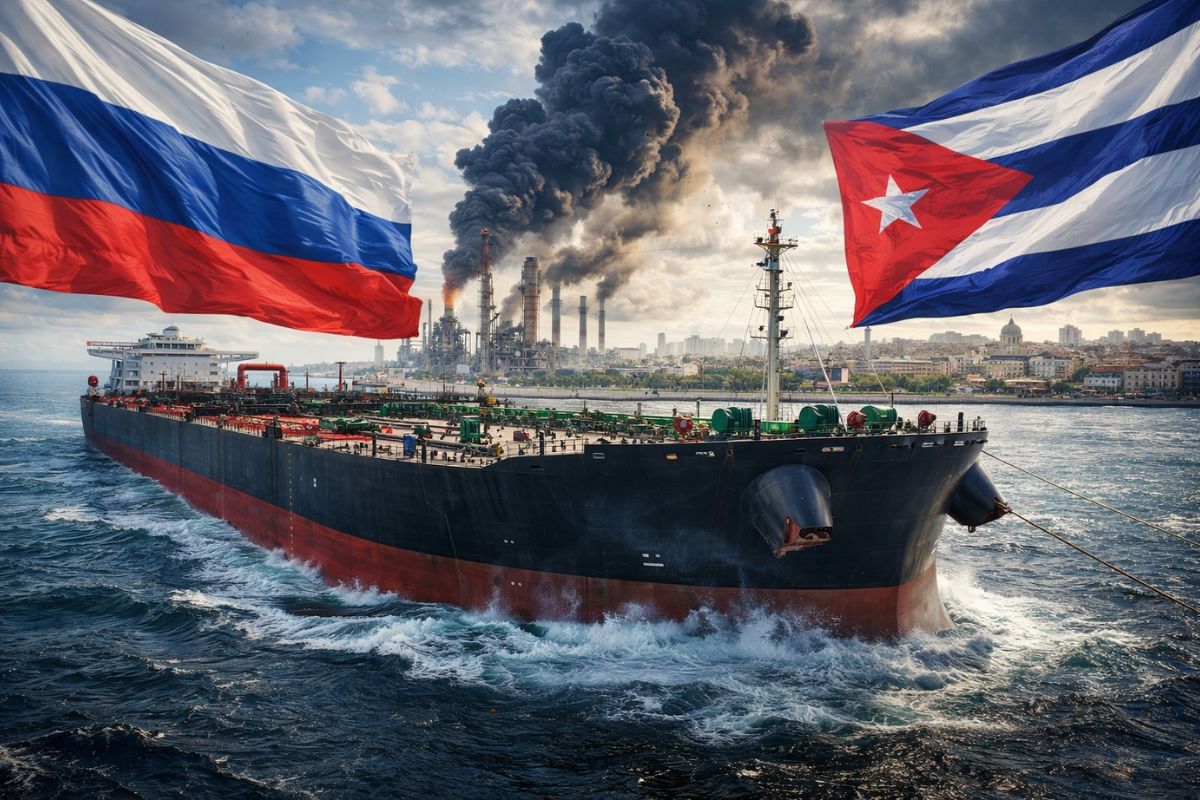
A Russian ship with 730,000 barrels of oil has just arrived in Cuba while Mexico negotiates fuel sales through private companies: the communist island is desperately seeking alternatives after losing its supply from Venezuela due to American military action.
-
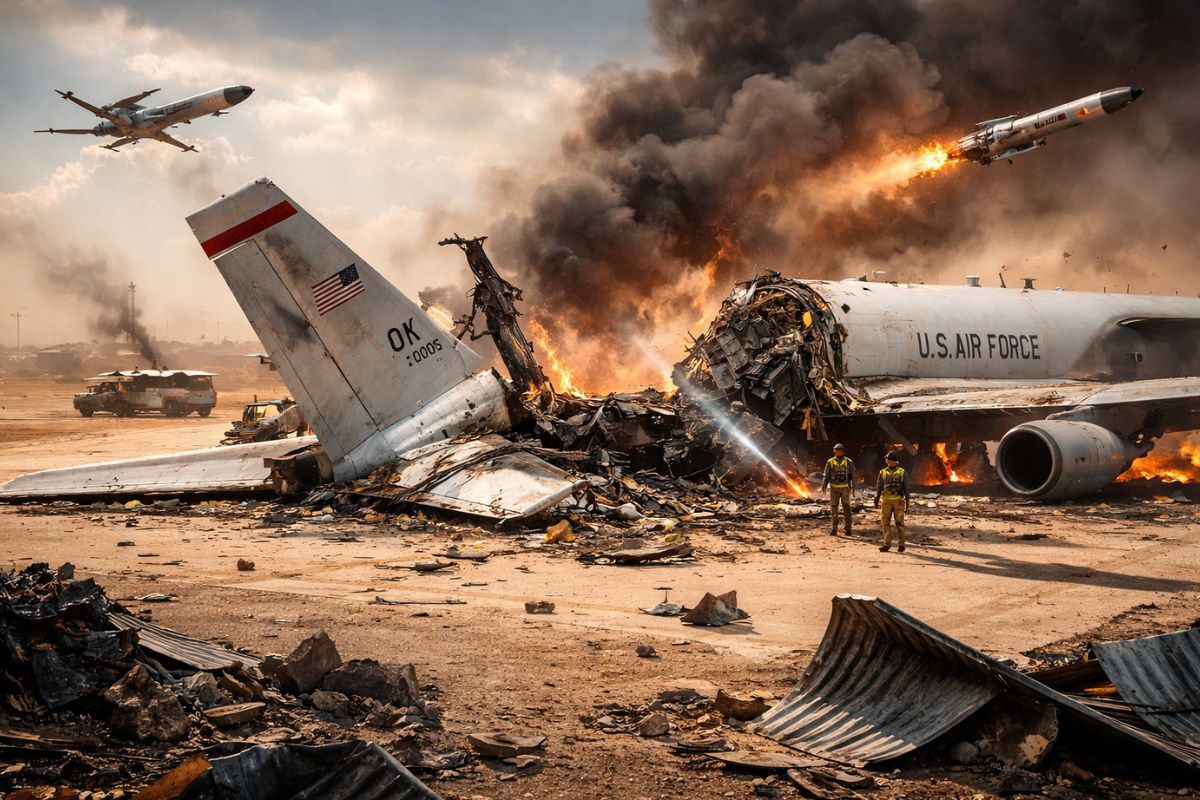
Iranian drones and missiles destroyed a 270 million dollar American spy plane in Saudi Arabia, splitting the E-3 Sentry aircraft in half and injuring 12 military personnel in an attack that exposes the vulnerability of U.S. bases in the Persian Gulf.

Experts warn that the dispute is not limited to economic issues, but represents a profound transformation in the power relations among the major world powers.
China Invests in Integration and Strategic Alliances
China has intensified efforts to position itself as a power open to multilateralism, while the United States resorts to protectionist measures.
Chinese President Xi Jinping emphasized last week the importance of preserving economic globalization and opposing unilateralism, a direct critique of American policy.
In a statement made on Friday (11), Xi highlighted that the world must “jointly resist intimidation and maintain the trend of economic globalization.”
This statement was interpreted as an invitation for other countries to join China in resisting trade barriers imposed by the U.S. government.
The Chinese leader has also been strengthening ties with strategic regions, such as Latin America, Africa, and Europe itself.
Beijing demonstrates a coordinated effort to “connect markets” and build bridges in an increasingly fragmented scenario.
The tariff war, in this context, offers China the opportunity to fill the spaces left by the United States, especially in emerging nations and blocs that value international trade.
United States Adopts Isolationist and Protectionist Stance
Since the beginning of his second term in December, American President Donald Trump has intensified the “America First” policy, focusing on measures that alienate both markets and foreign citizens.
Restrictive immigration decrees, high tariffs, and the dismantling of multilateral organizations are part of Trump’s strategy to reposition the U.S. at the top of the global hierarchy—even at the cost of historic partnerships.
The so-called “tariff blow” imposed on China was the most recent demonstration of this unilateral stance.
Experts believe that Trump seeks to reshape global geopolitics without resorting to military wars or traditional diplomatic negotiations.
Roberto Uebel, a professor of International Relations at ESPM and a geopolitics expert, states that “this is a way for Trump to impose his rules on the global chessboard.”
He believes the U.S. government is promoting a change in the structures of the international regime focusing on direct power and intimidation.
In February, an article in the British magazine The Economist classified Trump’s foreign policy as “mafiastic.”
According to the publication, the American president is breaking the molds of the international order established after World War II, imposing his worldview with practices comparable to those of Don Corleone, a character from the classic “The Godfather.”
The magazine warned that the planet is swiftly heading towards a scenario where “those who have power do as they please,” replacing multilateralism with opaque bilateral agreements and direct threats.
Weak European Union Seeks Closer Ties with China
In light of the advance of the trade war and instability in relations with the United States, the European Union has signaled a rapprochement with China.
The meeting between Xi Jinping and Spanish Prime Minister Pedro Sánchez last Friday is a clear signal of this reconfiguration.
Xi suggested that the EU join China in resisting American protectionism.
According to Roberto Uebel, Europeans should align with Beijing not out of ideological affinity, but out of exclusion.
“For the first time in decades, the European Union no longer sets the rules of the game in global geopolitics,” Uebel stated.
The war in Ukraine and the EU’s energy dependency have further weakened its position in the global landscape.
Europe, which formerly exercised discreet leadership behind diplomatic scenes, is now struggling to maintain some influence in the face of dominant powers.
Its closeness with the U.S. has deteriorated with Trump’s aggressive style, and the need for reinvention has become urgent.
Latin America Comes into Chinese Focus
In addition to Europe, China has also been increasing its presence in Latin America, traditionally considered a zone of influence for the United States.
On the same Friday, the Chinese Minister of Commerce spoke on the phone with Brazilian Vice President Geraldo Alckmin.
The dialogue centered on strengthening multilateral organizations, such as the World Trade Organization (WTO), and promoting agreements that favor fair and global trade.
This movement demonstrates Beijing’s interest in expanding its influence in strategic countries of the Global South, promoting the image of a benevolent and cooperative economic leadership.
The rapprochement with Brazil reflects the Chinese strategy to consolidate partnerships outside the traditional axis, especially in regions with vast economic and political potential.
Toward a Tripolar World?
With the intensification of tensions and the repositioning of powers, experts are already speaking of a transition toward a new tripolar international order.
In this scenario, the world would be dominated by three major zones of influence: the United States, China, and Russia.
Roberto Uebel emphasizes that the fragmentation of the current multipolarity should give way to more clearly defined power blocs, with greater competition for resources, influence, and ideological alignments.
“This should be a long-term change in the international regime, but it is already taking shape,” he stated.
The tariff war is just one of the manifestations of this new global balance.
More than mere trade disputes, the world witnesses a true battle for hegemony, values, and control of international narratives.
What to Expect from the Future?
The current tariff war highlights a deeper movement of geopolitical transition.
While the United States is closing in, China positions itself as a viable and pragmatic alternative, seeking to gain the trust of nations that feel excluded by the current system.
The European Union tries to balance itself, unsuccessfully, between the two giants, while other regions of the planet, such as Latin America, become key pieces in this global chess game.
The scenario demands attention and responsibility from world leaders, as today’s decisions will shape the balance of power in the coming decades.
Diplomacy, trade agreements, and the ability for international articulation will be determining factors in solidifying the new world order that is to come.




-

Uma pessoa reagiu a isso.