





 Portuguese
  English
  Spanish
  3 min of reading
  0 comments


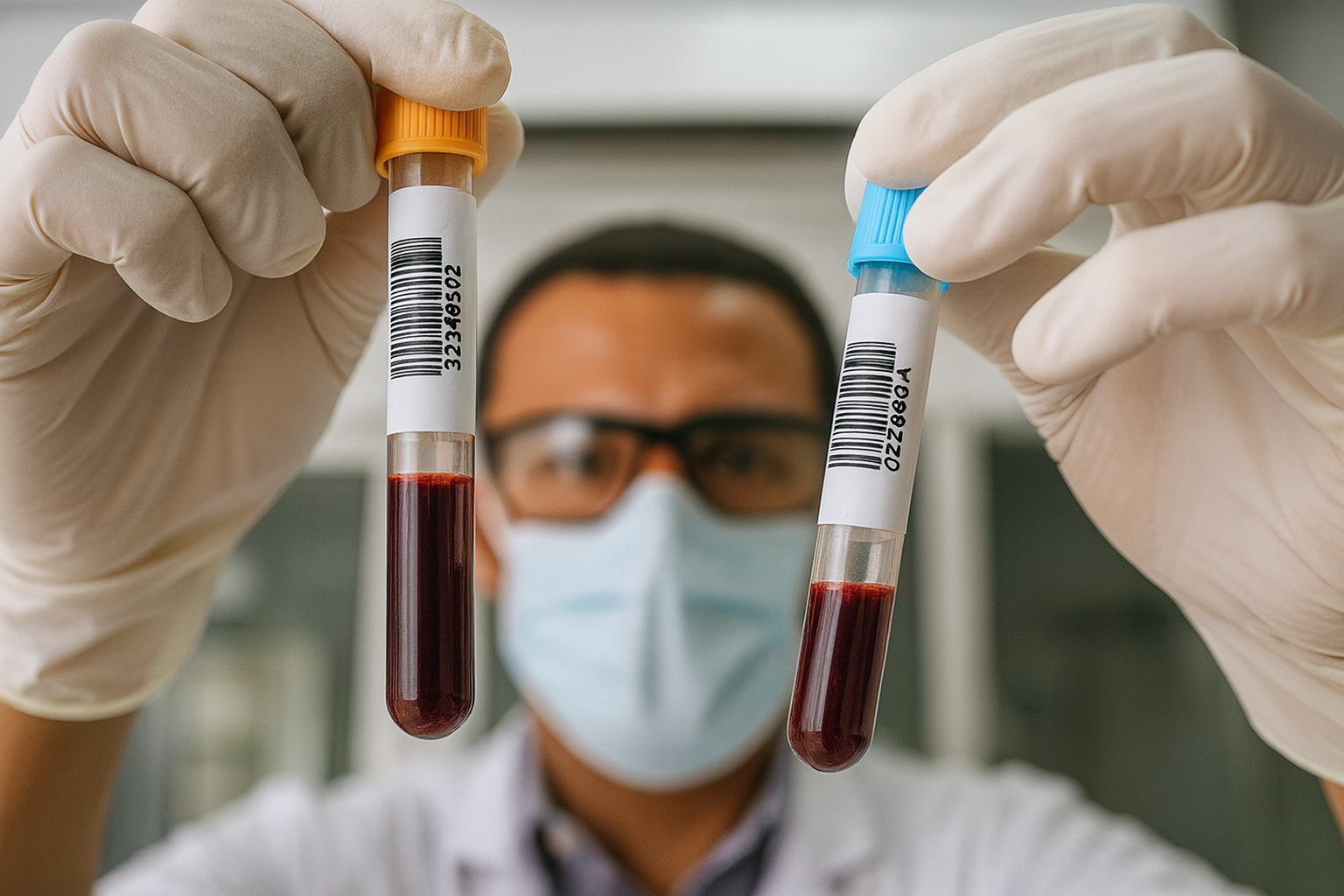
Unique Blood System Discovered in the Caribbean Woman Redefines the Limits of Transfusion Medicine
A groundbreaking scientific discovery has recently caught the attention of the medical community. Researchers identified a new type of human blood, considered the rarest on the planet, after routine lab tests produced unexpected results.
This finding led to the official recognition of the 48th blood system in the world by the International Society of Blood Transfusion, significantly enhancing understanding of human biological diversity.
The new type has been named Gwada-negative and has currently been identified in only one person on the planet, a woman native to Guadeloupe in the Caribbean.
The discovery was published in a scientific journal registered with the National Library of Medicine, an international reference in medical research.
Routine Tests Reveal Unseen Incompatibility
The identification of Gwada-negative began unexpectedly during routine lab tests conducted on the patient.
The tests showed that her blood reacted unusually to all available samples, including those considered universal.
As a result, doctors expanded the investigation and conducted comparisons with samples from close family members, such as siblings.
Even then, no compatibility was found, indicating an extremely rare condition that had previously been unknown to medicine.
This unusual behavior prompted specialists to delve deeper into the genetic analyses of the patient.
Unique Genetic Mutation Explains the New Blood Type
After more detailed analyses, scientists identified a rare mutation in the PIGZ gene.
This gene is responsible for adding a specific sugar to blood cells during the formation of essential structures.
When this sugar is not incorporated correctly, a structural alteration occurs that generates a completely new antigen.
This antigen is the central element that defines Gwada-negative as a distinct and unprecedented blood system.
Following this finding, researchers officially recognized the new blood group.
-
The end of electrical waste? Meet the new AI that uses 100 times less energy, learns in minutes, and is still much more accurate than famous models.

-
How a “sweater” for buildings can cut energy bills by up to 23%: removable fabric panels capture solar heat, insulate facades, and promise to heat homes without construction or complicated installation.

-
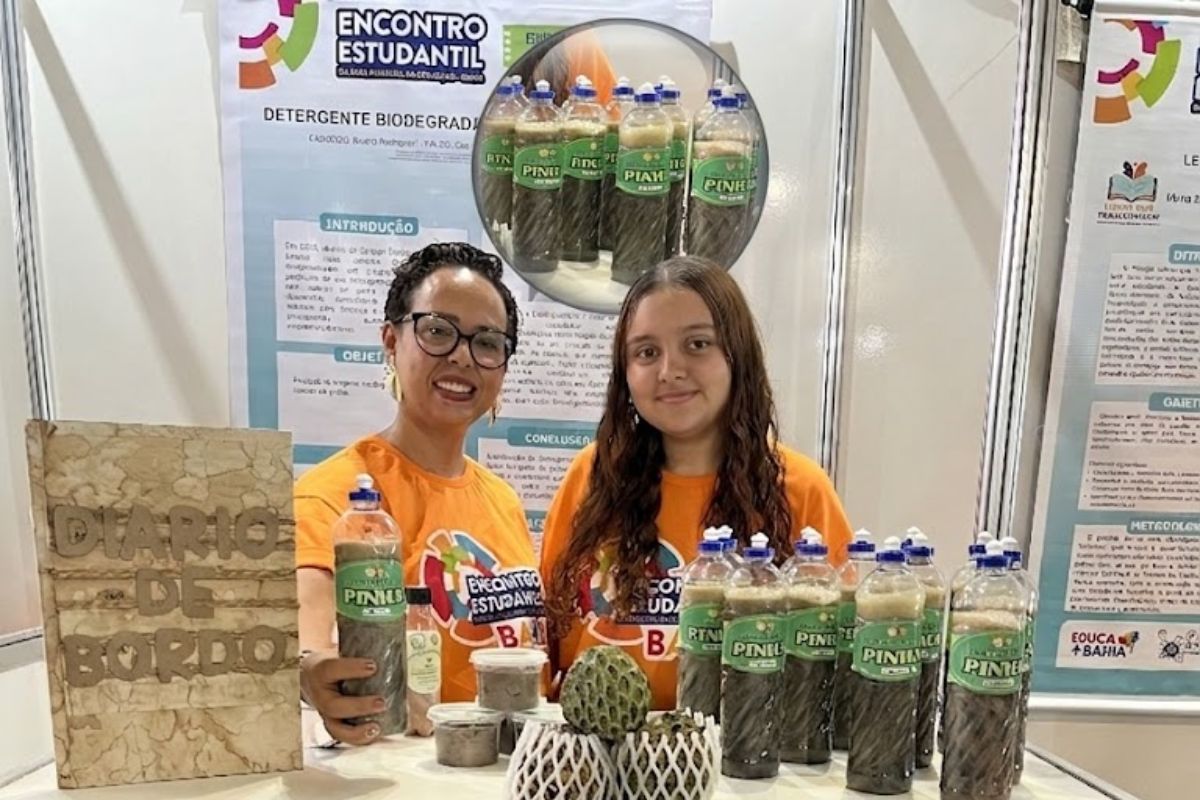
A student from the Bahia semi-arid region discovers that the skin of the pine cone has cleaning power and creates a biodegradable detergent that can transform the waste from the largest producer of the fruit in Brazil into a sustainable product and generate income for the community.
-
An extratropical cyclone more intense than usual forms this Tuesday and is expected to hit the South of Brazil with winds of up to 125 km/h, rainfall of 100 mm, and a real risk of hail and destruction between Tuesday and Wednesday.

Only One Person in the World Has Gwada-Negative Blood
Among all the tests conducted so far, only the woman from Guadeloupe exhibited the Gwada-negative profile.
All other individuals evaluated, including direct relatives, were classified as Gwada-positive.
This means that, currently, there is no known compatible donor for this blood type.
This lack of compatibility poses a significant medical risk, especially in situations requiring a blood transfusion.
For this reason, the patient remains under continuous clinical monitoring.
Health Conditions Associated with Genetic Mutation
In addition to the rarity of blood, researchers observed that the patient has some health conditions possibly related to the genetic mutation.
These include mild intellectual disability and a history of gestational loss, including the loss of two babies.
This pattern has been previously described in studies involving mutations in the PIGZ gene, according to scientific records.
Despite this, researchers emphasize that more studies are necessary to fully understand this relationship.
How Science Confirmed the New Blood System
To understand the origin of Gwada-negative, scientists utilized whole exome sequencing.
This technique analyzes more than 20,000 human genes.
Using this method, researchers confirmed the alteration in the PIGZ gene.
Additionally, the analysis demonstrated the direct influence of this mutation on the GPI molecule.
When this molecule does not receive the appropriate sugar, its structure changes.
Consequently, this modification creates the new blood antigen.
For validation, scientists replicated the mutation in the laboratory using genetic editing techniques.
As a result, healthy cells began to show the same pattern as the patient.
Thus, the tests confirmed the existence of the new blood system.
New Discovery Expands the Limits of Transfusion Medicine
Finally, the recognition of Gwada-negative as the 48th blood system reinforces the complexity of human blood.
At the same time, the discovery expands global scientific knowledge.
Furthermore, the finding highlights future challenges for transfusion medicine.
In this scenario, rare genetic mutations continue to reveal unprecedented features of the human body.
Given this, how far can new genetic discoveries still transform the way science understands human blood?









Seja o primeiro a reagir!