






 Portuguese
  Spanish
  3 min of reading
  0 comments


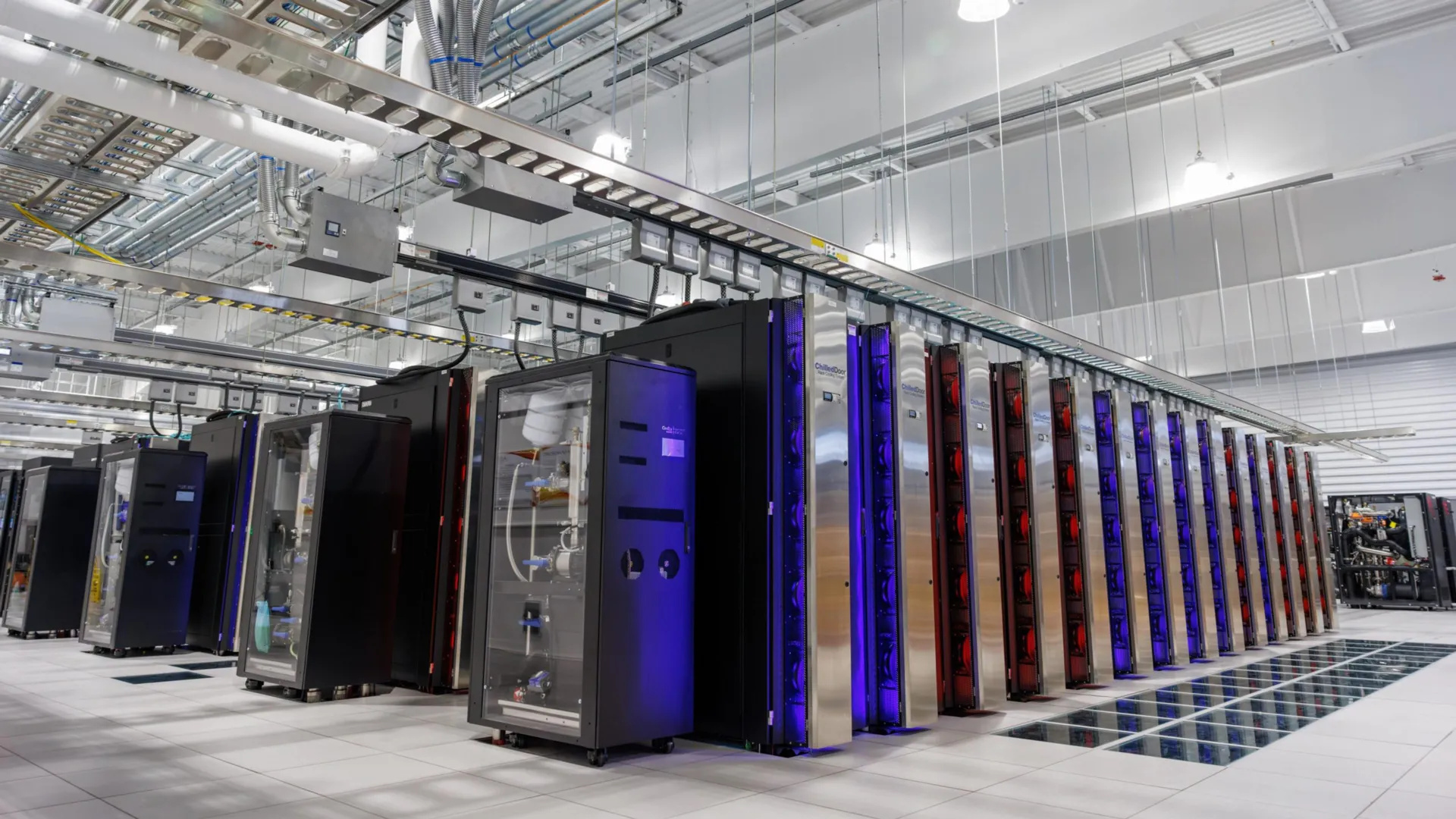
The union between the power of neural networks and the logic of human reasoning creates a model of artificial intelligence that consumes less electricity and delivers more reliable results for the industry.
Researchers from the Tufts University School of Engineering have developed a new approach to artificial intelligence capable of reducing energy consumption by up to 100 times. The innovative system, based on a neurosymbolic architecture, not only decreases electrical demand but also significantly increases accuracy in complex tasks.
This advancement comes at a critical time, where electricity consumption by AI data centers already accounts for more than 10% of the total used in the United States.
Integration between neural networks and logical reasoning
The neurosymbolic AI differentiates itself from conventional models by combining the statistical learning of neural networks with rule-based logical reasoning. This hybrid architecture allows robots and systems to think in a more structured way, avoiding exclusive reliance on brute force and trial-and-error methods.
-
Europa, Jupiter’s icy moon, intrigues scientists after radar indicates an unusual brightness in the ice and raises new suspicions about what might be hidden in the deep layers of this distant world.

-
At 10 years old, a prodigy boy who claims to have learned to read as a baby is already explaining how the brain works to over a million followers and left the famous Dr. Sanjay Gupta speechless.

-
Hidden in a secret laboratory in Tokyo for over 25 years, an impossible lens made of 2,500 microlenses that saw like insect eyes promised to blow the minds of those watching TV.
-
NASA separated two identical twin brothers for 340 days and turned one of them into a human laboratory in space: the experiment revealed changes in genes, immune system, microbiome, and cognition, as well as a surprising “rejuvenation” effect that exposed the impact of living away from Earth.




While traditional models attempt to predict the next action in a sequence, the new technology uses human logic to guide processing.
This paradigm shift addresses common problems in current systems, such as so-called hallucinations and inaccurate results. By adopting symbolic rules, the neurosymbolic AI can validate the information processed by the neural layers.
The result is a much more reliable and efficient system, aimed at applications that require rigorous planning and operational safety.
Superior performance and speed in training
Practical tests conducted in the laboratory of Matthias Scheutz, a professor of Applied Technology at Tufts, demonstrated the effectiveness of the new method using the Tower of Hanoi puzzle.
The neurosymbolic AI achieved a success rate of 95% in solving the problem, drastically surpassing the 34% obtained by conventional vision-language-action (VLA) systems. In addition to superior accuracy, the speed of learning was one of the highlights of the experiment.
The hybrid model completed its training in just 34 minutes, while traditional models required over a day and a half to complete the same task. This agility directly reflects in the reduction of computational and infrastructure costs. The ability to learn in a fraction of the original time makes neurosymbolic AI a viable alternative for industries seeking to implement high-performance automation.
Sustainability and energy efficiency in the sector
The resource savings promoted by this innovation are massive both in the development phase and in everyday use.
The training of the neurosymbolic model consumed only 1% of the energy required by standard systems, maintaining the time reduction ratio. During regular operation, the electrical consumption remained at only 5% compared to widely known AI systems on the current market.
The need for a neurosymbolic AI becomes evident when compared to the energy expenditure of popular search and chat tools.
Currently, generating a summary by artificial intelligence at the top of a search page consumes up to 100 times more energy than listing common results. With the accelerated growth of industrial adoption of technology, the model developed at Tufts offers a sustainable path for the future of global computing.
Click here to check the study.










Be the first to react!