





 Portuguese
  English
  Spanish
 5 min of reading
  0 comments


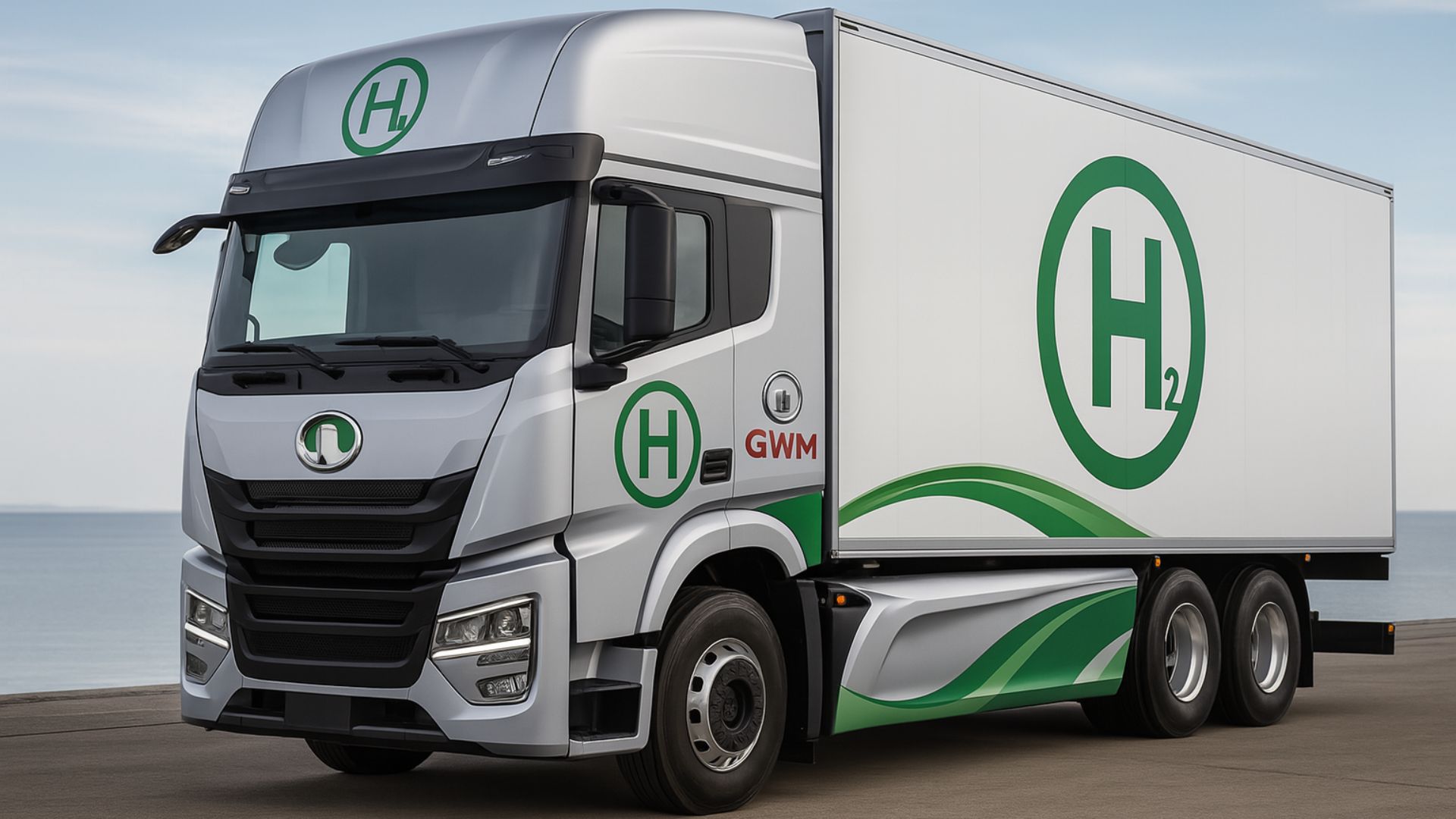
GWM Starts Testing Green Hydrogen Technology in Partnership with IPT, Expanding the Use of Sustainable Trucks and Strengthening the Transition to Clean Mobility in Brazil
The Chinese automaker GWM (Great Wall Motors) has officially established a technical partnership with the Institute of Technological Research (IPT) during the inauguration of the Hydrogen Laboratory (LabH2) in São Paulo.
According to an article published by the MegaWhat website, the event marked the arrival of the first hydrogen fuel cell truck (FCEV) in Latin America, developed by the subsidiary GWM Hydrogen powered by FTXT. This milestone represents a significant advancement for sustainable mobility in Brazil.
Strategic Partnership Between GWM and IPT Accelerates Testing of Hydrogen-Powered Trucks
The collaboration between GWM and IPT could be a turning point for heavy transportation in Brazil. The main focus is to test and validate the feasibility of hydrogen-powered trucks, with an emphasis on safety, performance, and energy efficiency.
-
Revolution in the sugar-energy sector: Government sets new target for biomethane and paves the way for ethanol plants to profit from the conversion of waste into renewable fuel.
-
How green infrastructure and renewable energy at the World Cup transform the logistics of the largest sporting event on the planet in North America.
-
The Cagece and UFC project advances in sustainable innovation with biogas by converting waste into renewable energy, reducing environmental impacts, and increasing sanitation efficiency with concrete and measurable results.
-
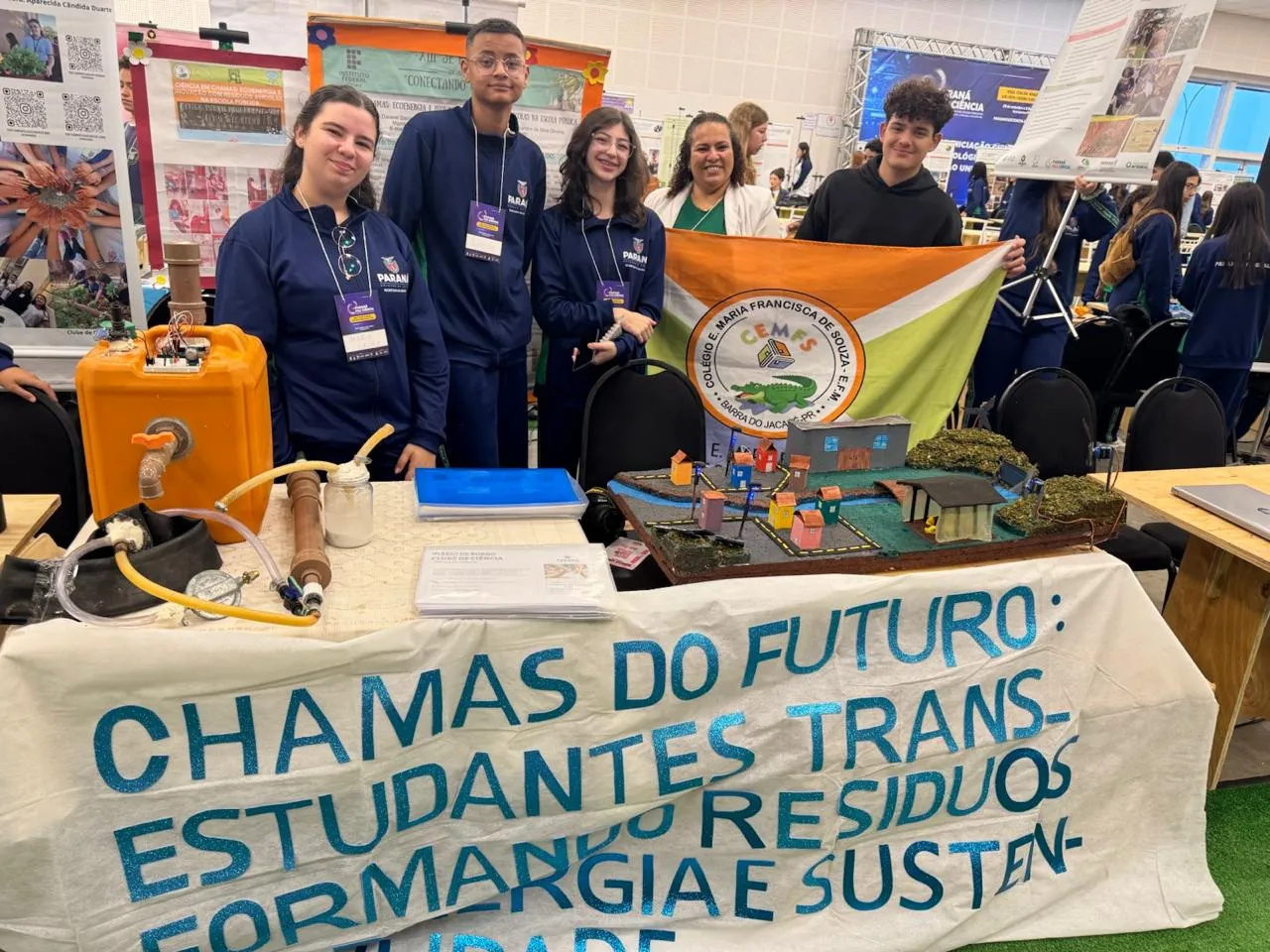
Paranaense students develop a system that transforms farm waste into clean energy and revolutionizes sustainable agribusiness.
The model presented uses an electrochemical reaction between hydrogen and oxygen to generate electricity, emitting only water vapor — without greenhouse gases or atmospheric pollutants like NOx, HC, CO, and particles.
Additionally, the truck offers high autonomy and quick refueling, essential features for long-distance transport. The initiative aligns with the guidelines of the National Hydrogen Program (PNH2), which encourages cooperation between the public and private sectors to strengthen the hydrogen production chain.
IPT and the Role of Applied Research in Advancing Sustainable Mobility
The IPT is one of the most respected research institutions in the country and now hosts LabH2, one of the most complete laboratories in Latin America focused on the study of green hydrogen.
The infrastructure includes two Hydrogen Refueling Stations (HRS): one at 700 bar for light vehicles and another at 350 bar for heavy vehicles, such as trucks and buses.
João Carlos Sávio Cordeiro, director of the IPT Energy Unit, stated that the collaboration has the potential to develop solutions that consolidate the hydrogen ecosystem and enable clean and safe mobility.
The partnership with GWM will enable testing of high-pressure tanks, component durability studies, and energy efficiency research. These studies are crucial for ensuring the safety and economic viability of hydrogen-powered vehicles in Brazil.
Green Hydrogen as a Vector for Sustainable Innovation
Green hydrogen is produced from renewable sources, such as solar and wind energy, through the electrolysis of water. This technology is considered one of the most promising for decarbonizing energy-intensive sectors, such as heavy transportation.
Davi Lopes, Head of GWM Hydrogen-FTXT Brazil, stated that hydrogen goes beyond its function as an energy vector, also acting as a driver of social, environmental, and technological development for the country.
The adoption of hydrogen-powered trucks can significantly reduce the carbon footprint of national logistics while also driving the creation of skilled jobs and boosting the components and refueling infrastructure industry.
GWM and IPT Initiative: Brazil as a Leader in Sustainable Mobility
With the inauguration of LabH2 and the partnership between GWM and IPT, Brazil can position itself as a regional leader in the transition to a low-carbon economy. The initiative reinforces the country’s commitment to the United Nations Sustainable Development Goals (SDGs), particularly those related to clean energy and action against climate change.
The presence of GWM in the LabH2 project symbolizes a commitment to the future of sustainable mobility. The automaker intends to use the laboratory as a base to expand its studies and accelerate the introduction of FCEV vehicles in the national market.
Furthermore, the initiative can serve as a model for other automakers and research institutions, promoting a culture of innovation and collaboration in the automotive sector.
Challenges and Opportunities of Hydrogen-Powered Truck Technology
Although promising, fuel cell technology faces significant challenges, such as the high cost of producing green hydrogen, the scarcity of refueling infrastructure, and the need for specific regulations.
However, the partnership between GWM and IPT aims to tackle these obstacles through applied research and controlled environment testing. Creating a sustainable innovation ecosystem is essential for enabling the large-scale adoption of hydrogen-powered trucks.
The synergy between industry and research is the path to turn challenges into opportunities.
Partnership Between GWM and IPT: Economic and Environmental Impact of Green Hydrogen
According to various studies already published, the use of green hydrogen could reduce up to 830 million tons of CO₂ globally per year if applied in sectors such as transportation, industry, and energy generation.
In Brazil, the green hydrogen market is estimated to generate over R$ 100 billion by 2040, according to studies by the Energy Research Company (EPE).
In addition to environmental benefits, the adoption of the technology can create positive economic impacts, such as:
- Creation of jobs in engineering, logistics, and maintenance.
- Development of local component suppliers.
- Reduction of operational costs in the long run.
- Attraction of foreign investments in infrastructure and innovation.
Paths to the Future of Sustainable Innovation in Heavy Mobility
The partnership between GWM and IPT is just the beginning of a journey towards sustainable mobility in Brazil. The expectation is that, in the coming years, other automakers and research centers will join the effort to develop hydrogen-based solutions .
The future of heavy mobility will be clean, efficient, and collaborative. To achieve this, it will be necessary to:
- Expand the hydrogen refueling network.
- Reduce production costs through scale and innovation.
- Create public policies that encourage the adoption of the technology.
- Promote awareness campaigns about the benefits of hydrogen.

Strategic Relevance for Brazil and the Automotive Sector
The partnership between GWM and IPT, formalized on October 9, 2025, represents a strategic advance for Brazil in the race for the decarbonization of heavy transport. With the arrival of the first FCEV truck in Latin America and the inauguration of LabH2, the country takes a decisive step towards sustainable innovation.
The collaboration between industry and research, exemplified by GWM and IPT, shows that it is possible to unite technology, sustainability, and competitiveness for a better future. With continuous investments and appropriate public policies, Brazil is well-positioned to become a global reference in sustainable mobility.







Seja o primeiro a reagir!