





 Portuguese
  English
  Spanish
 3 min of reading



The startup Helm.ai, based in Menlo Park, California, is a startup that develops software for advanced driver assistance systems, autonomous driving, and onboard systems for electric vehicles.
Some positive points remain in the autonomous vehicle industry, even with the overall market going in the opposite direction. An example of this is Helm.ai, which managed to raise US $31 million in investments during its Series C round, led by Freeman Group, just a year after securing US $26 million in venture capital funding.
This latest funding round includes major names in the market such as ACVC Partners and Amplo, along with strategic investors like Honda Motor Co. and Goodyear Ventures Sungwoo Hitech, bringing Helm.ai’s valuation to approximately US $431 million. A significant milestone for a startup that is less than a decade old.
Brandon Freeman, the founder of Freeman Group, will join Helm.ai’s board of directors as part of this financing. The company has raised US $78 million to date.
-
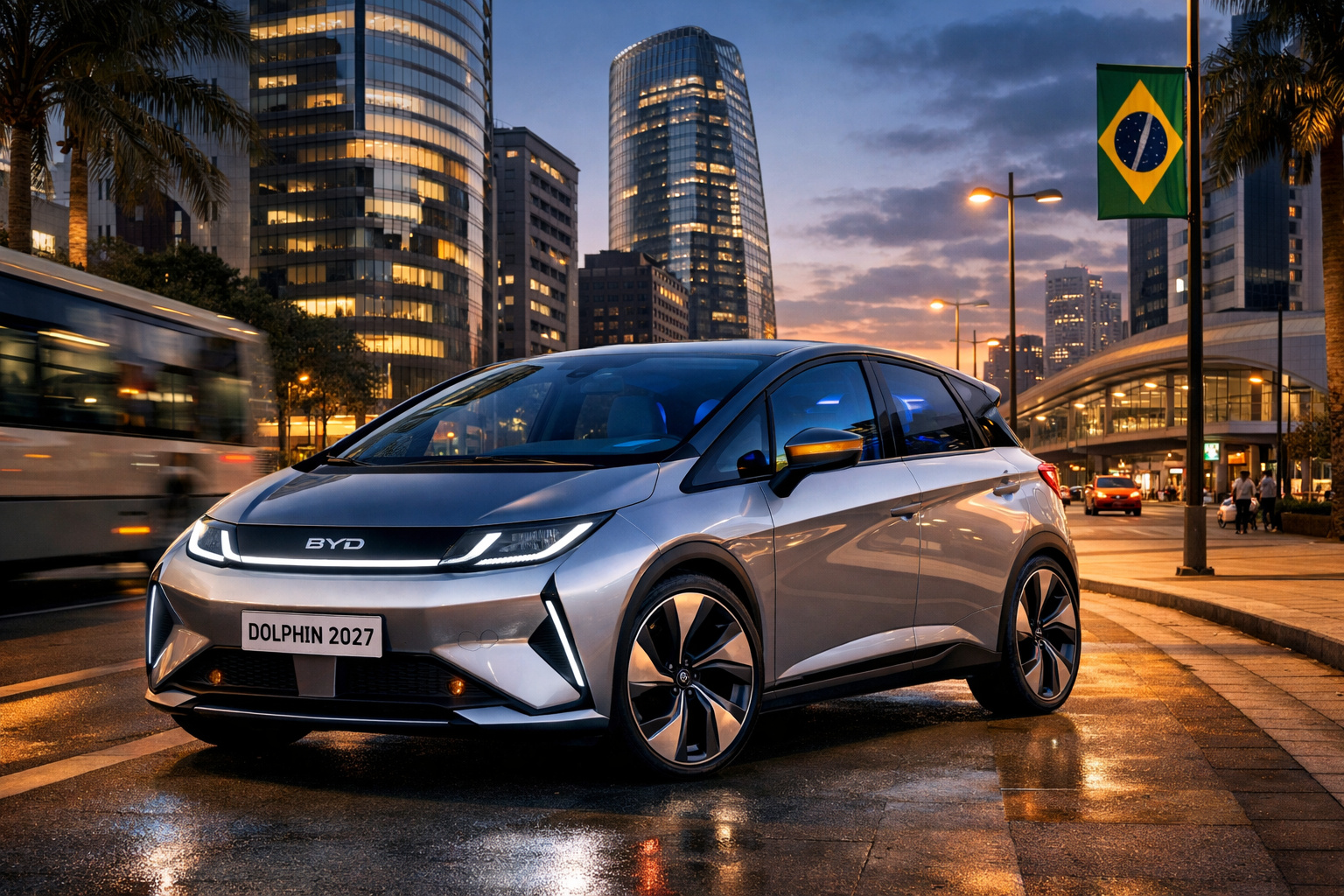
BYD Dolphin 2027 gains more power, increases in size, changes interior, and abandons controversial feature to face new competition in Brazil.
-
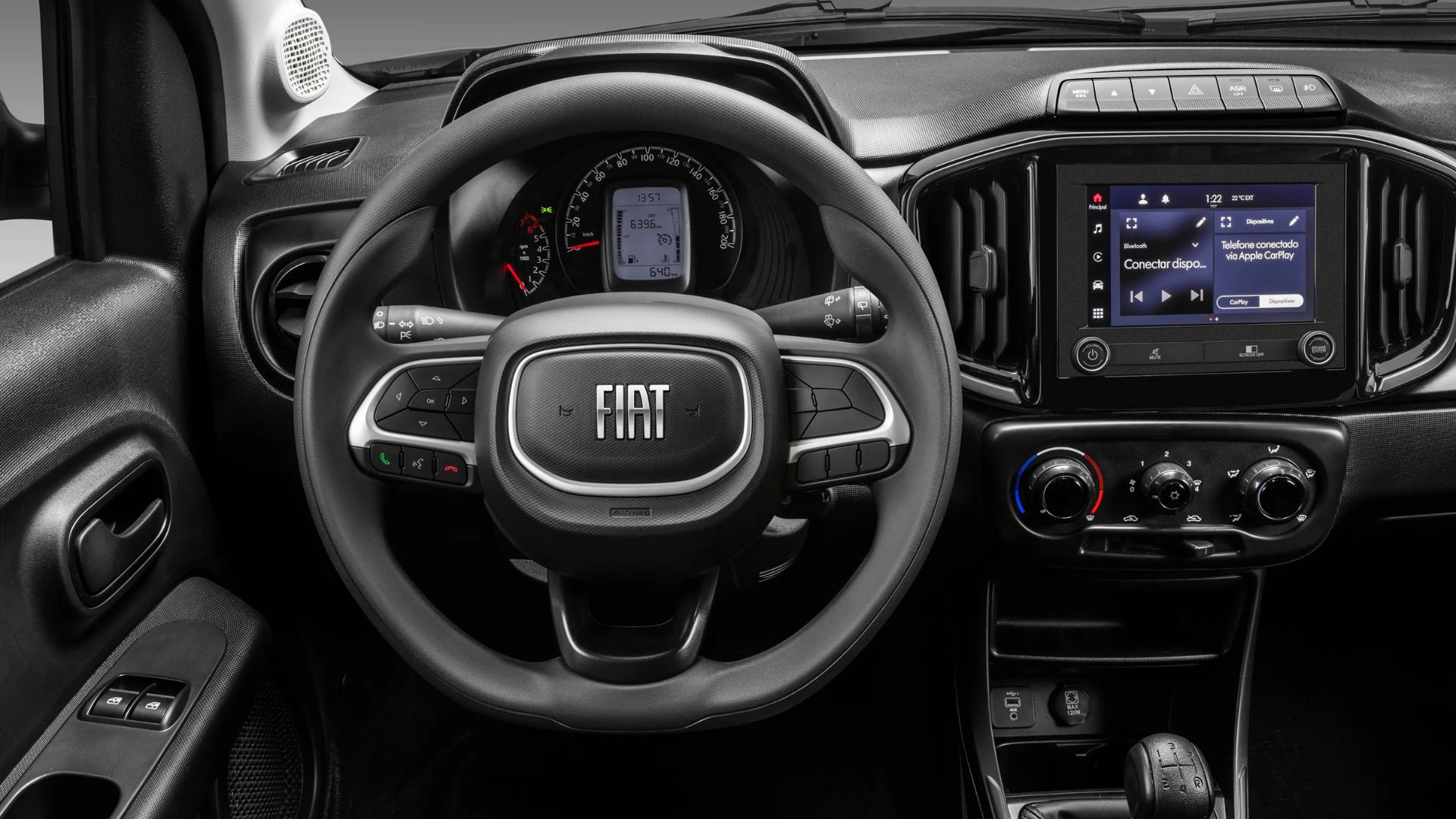
With a 1.0 engine producing 75 hp and costing less than R$ 70,000, Fiat’s car returns to the podium as the cheapest in the country; a temporary promotion for the 2026 Like version reduces the price of the Fiat Mobi.
-
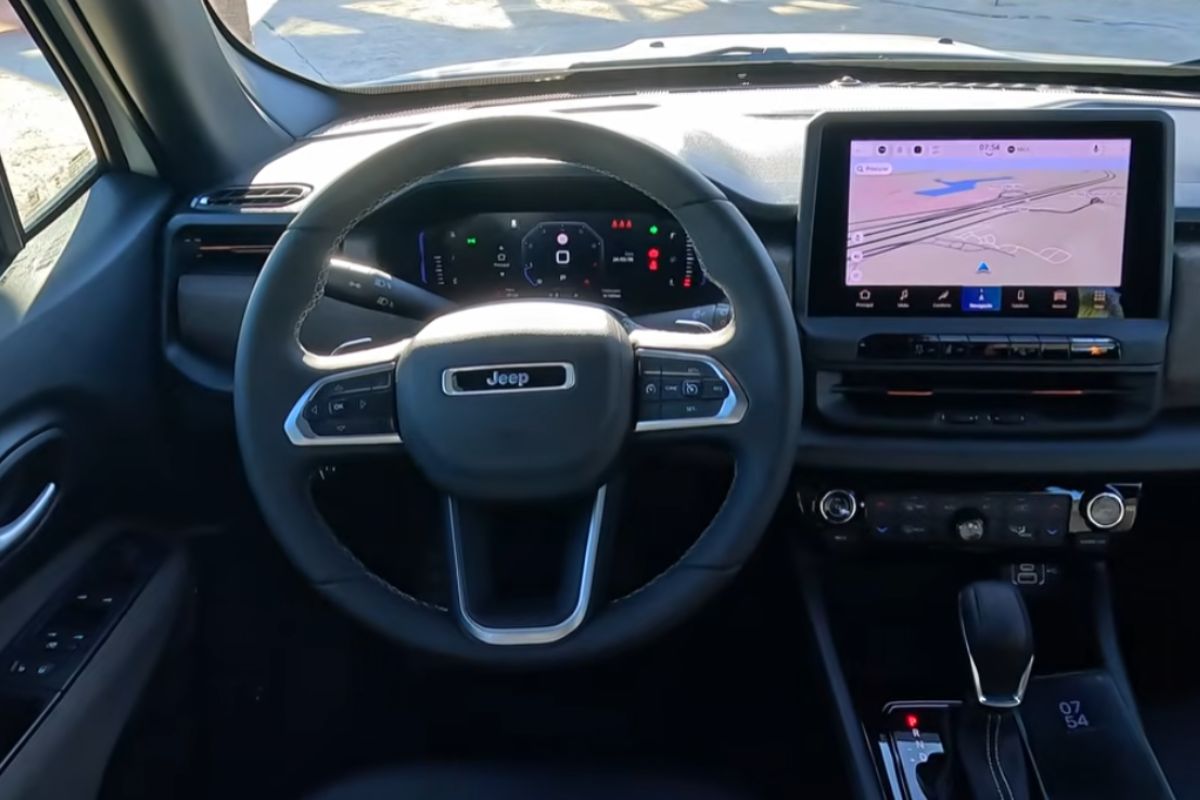
With a mild hybrid system of 48 V, 176 hp and a price of R$ 175,990 in the Sahara version, the new Jeep Renegade changes mostly on the inside, improves slightly in fuel consumption, and remains almost the same car.
-
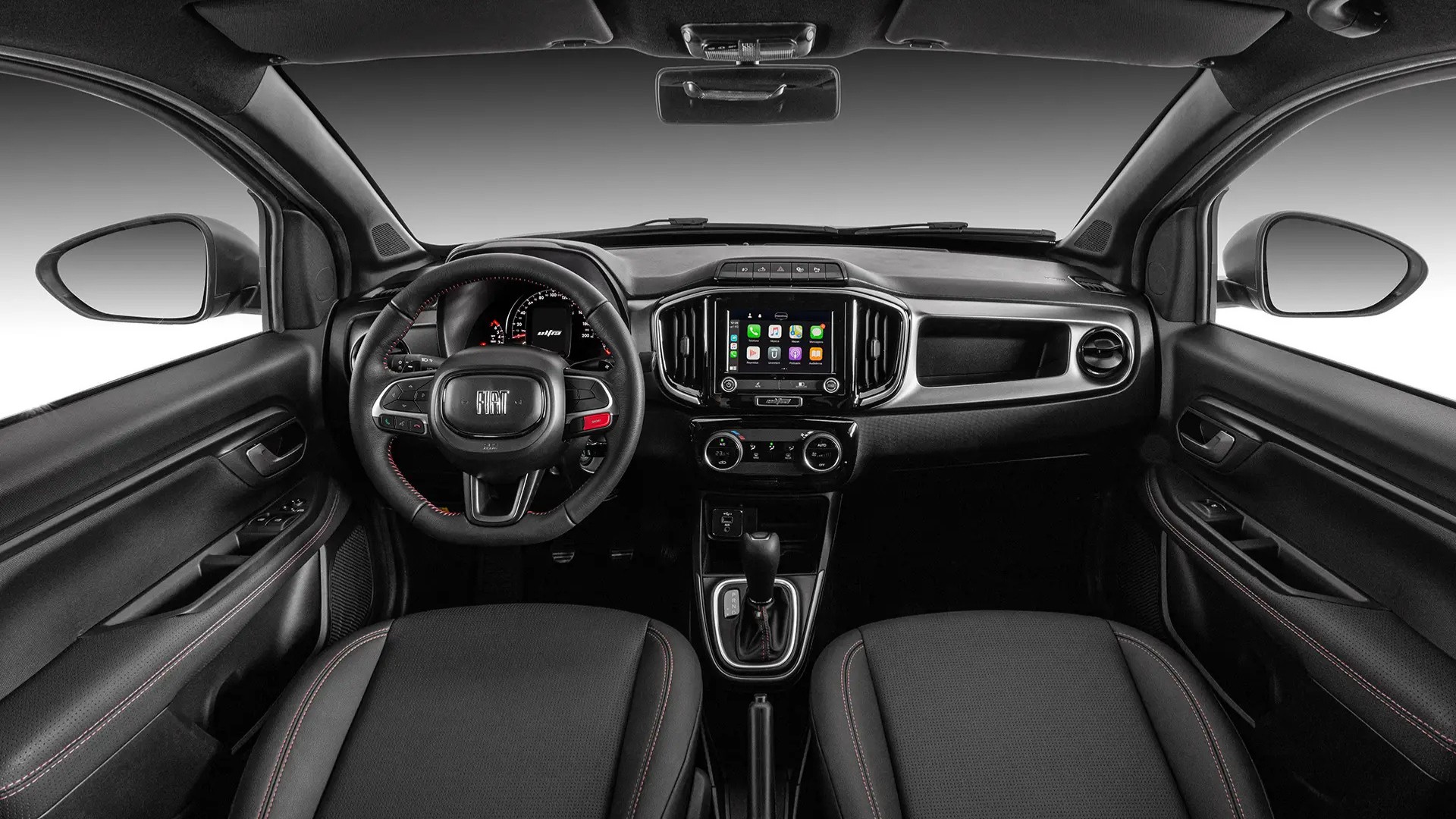
With a 293.5 cm³ engine and a range of up to 400 km with a 14.1-liter tank, the Honda CB 300F Twister 2026 has up to 24.7 hp, an initial price of R$ 25,150, and already exceeds R$ 29,000 in the Fipe Table.


Helm.ai CEO Vlad Voroninski Connects with TechFirst Host John Koetsier


With many other startups focused on autonomous electric vehicles, Helm.ai wanted to stand out from the rest and decided to focus its efforts on software.
Instead of sensors and computing, co-founders Tudor Achim and mathematician Vlad Voroninski developed software that can understand sensor data like a human does. The goal is not very different from existing solutions in the market; however, its approach is somewhat distinctive. Autonomous vehicle developers usually rely on a series of tests both in simulations and on roads. All this data, eventually annotated by humans, feeds the “brain” of the autonomous vehicle system.
Helm.ai claims that the software they are developing can skip these steps, streamlining the process and reducing costs; this lower cost also makes it particularly useful for advanced driver assistance systems.
The startup uses an unsupervised learning approach to develop software that can train neural networks without the need for data, simulation, or large-scale fleet annotation. The software is also adaptable to any sensor and computing, making it marketable to a broader range of customers.
“We know that our go-to-market strategy will focus on high-end ADAS. In some ways, our strategy hasn’t changed at all regarding recent events,” Voroninski stated, referring to the consolidation of the electric autonomous vehicle market.
He added, “For some years now, I have been predicting that the vast majority of autonomous vehicle companies will not succeed in reaching the market due to outdated technology and below-average business models.”
With this new software, Helm.ai has attracted several clients, although Vlad cannot discuss the names of some of them due to confidentiality agreements, Helm.ai has disclosed that Honda is one of its clients. The mathematician and former chief scientist of the cybersecurity machine learning startup Sift Security states he has spent the last two years commercializing the technology and securing partnerships.









Seja o primeiro a reagir!