





 Portuguese
  English
  Spanish
  9 min of reading



Green Hydrogen Is a Fuel That Can Change Brazil’s Energy Reality. Learn More About This Fuel and Its Applications!
Green hydrogen will be one of the most important fuels of the future, especially when discussing Brazil’s economic future. In many ways, hydrogen is assuming an important role as one of the energy sources of the future, but there was one aspect of its production that still needed improvement: its method of extraction.
The fact that hydrogen is not found naturally and that the water electrolysis process, which for many years was believed to be a viable method, is not efficient enough to generate the necessary material led to this technology being postponed.
- While COP26 Was Taking Place, Toyota President Akio Toyoda Planned the Brand’s Rise in the Hydrogen Car Market
- Brazil Becomes a Major Green Construction Site; There Are 84 Wind Farms in Project Phase and 21 Under Construction, in Addition to Solar Plants That Have Boosted the Country Among Nations with the Highest Solar Generation Capacity!
- Electric Car Company Partners with Carrefour to Install 40 Charging Stations in Supermarket Parking Lots by the End of 2022
In this regard, the chemical industry has created various ways to produce hydrogen, which is great for the energy and economic aspects of the element as a product, but bad for the environment, as most of these methods end up using some fossil fuel to occur, which generates carbon in the atmosphere. Green hydrogen, made from ethanol, however, is different in this regard.
-
OMODA & JAECOO grows in Europe in 2026 with an integrated strategy of sales, innovation, local production, and technological advancement in the United Kingdom, Italy, and Spain.

-
OMODA & JAECOO expands after-sales service in Brazil with competitive maintenance, a 7-year warranty, and high availability of parts for technological SUVs.

-
OMODA & JAECOO appoints Alessandra Souza as executive marketing director in Brazil and accelerates brand expansion with a focus on innovation, networking, and hybrid portfolio.

-
Jaecoo 7 with super hybrid SHS system exceeds 1,200 km of combined range with a 1.5 turbo engine, high-density battery, and intelligent energy management.

In a scenario where ethanol is becoming increasingly relevant for the green energy world, it is important to explain that Brazil has been developing technologies related to the use of fuel ethanol since the last century, which, combined with the country’s large sugarcane production, creates a positive outlook for Brazil’s future as a protagonist in this form of clean energy that can be used for both vehicles and to generate electricity.

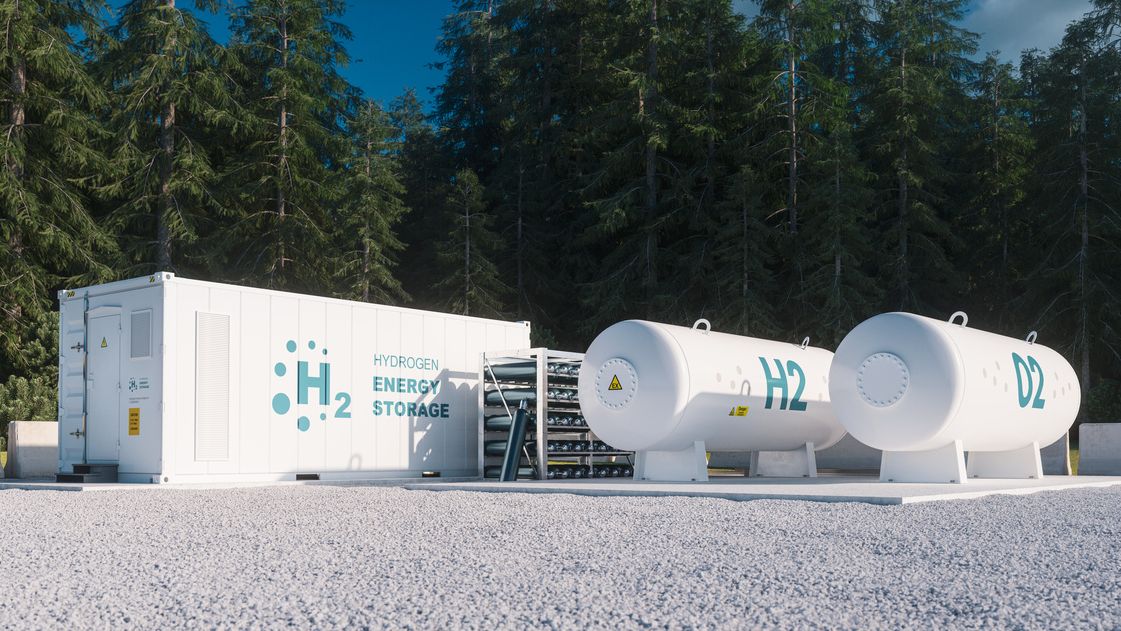
These are some reasons why it is important to pay attention to green hydrogen production, what advantages hydrogen offers as a fuel, and why several automakers now believe more in hydrogen fuel cell vehicles than in plug-in cars.
The Science Behind Green Hydrogen
What makes green hydrogen fall under this designation, as should be clear, is directly related to the fact that this hydrogen is produced in a way that has no “carbon footprint,” meaning it is produced from a clean source.
Since the two most common methods of obtaining hydrogen are through burning materials (which generates carbon waste, although in some processes this waste is captured) and through electrolysis, green hydrogen must be produced through the latter method, and the energy used in the electrolysis process must also come from clean energy, or it ceases to be green.
With an electric matrix mainly composed of hydroelectric plants, the extensive production of sugarcane, and available technology through national research and international partnerships, Brazil has the potential to become a true powerhouse in this process.
How Can Green Hydrogen Become an Advantage for Brazil?
The answer is simple, but the challenge of turning this concept into reality is a bit more complex. Green hydrogen is easy to produce in Brazil, and there are various ways to work on its distribution, which is still being contested among several companies.
In fact, already there are vehicles powered by hydrogen fuel cells for electric propulsion.
This is, in fact, an important aspect to highlight. There are two main ways to utilize hydrogen as fuel for vehicles:
- The combustion of hydrogen itself: is not much different energetically from all other fuels currently used, although it is considerably less polluting as it does not generate carbon during combustion.
- The use of hydrogen in energy cells for electric cars: this method is much more efficient and truly makes hydrogen considered one of the fuels of the future, as in addition to providing more autonomy and ease of recharging for electric cars, it can also increase fuel efficiency by 50% on average.
According to Enio Peres da Silva, coordinator of the hydrogen laboratory at Unicamp and researcher at the National Center for Hydrogen Energy Reference, “The Hydrogen Economy Association represents the most efficient and least impactful way to utilize this biofuel, almost doubling its availability to replace non-renewable fuels globally, which could mean for Brazil not only a position as a leading producer but also as a major exporter of renewable energy worldwide.”
In summary, if Brazil can really stand out in transforming ethanol into hydrogen, the country could be promoted to a protagonist in this new market, as it is very difficult for any competitor to challenge Brazil when it comes to green hydrogen generation.
What Is Being Done for Green Hydrogen Production in Brazil?
There are research efforts both within Brazilian universities and in international partnerships for the more efficient application of this potential for transforming ethanol into hydrogen.
In this sense, there are various initiatives, notably the previously mentioned hydrogen laboratory at University of Campinas (UNICAMP) and various studies focused on this technology by Federal University of Ceará (UFC), which has been working on solutions to create a Hub for green hydrogen in Ceará, which will have international support for its establishment.

An investment of €34 million in green hydrogen production in Brazil announced by the German international cooperation agency will help to promote the green hydrogen market in Brazil.
The initiative has been dubbed H2 Brazil and will begin with the construction of a pilot electrolysis plant that will have a total capacity of 5 MW. Furthermore, one of the German government’s goals is to help establish a Hydrogen Framework in Brazil, assisting other companies to enter this market.
One of the most interesting aspects of this partnership is that Germany is assisting Brazil in developing this technology and will also become one of its largest buyers of green hydrogen.
This way, Germany is aiding us not only with technology transfer initiatives but also helping to create the consumer market for this resource being developed in the country.
Logically, Germany’s counterpart is based on the premise that it needs help to achieve the decarbonization targets outlined in the Paris Agreement and reinforced at the last COP 26.
Another important aspect to highlight is that Brazil is the country that has the most German industries outside of Germany, with companies from this partnership accounting for about 12% of Brazilian GDP.
Initially, work was announced in this direction in both Minas Gerais and Ceará, and it is expected that similar projects may be announced in the state of São Paulo, which has maintained its position as the largest sugarcane producer in the country in recent years.
What Is the Risk of Using Hydrogen and Why Could Its “Green Brother” Be the Solution?
One of the biggest concerns about using hydrogen as fuel for land vehicles is the fact that it is much more unstable and volatile than other fuels, which could lead to many large-scale accidents.
In this sense, using hydrogen to fuel electric vehicle energy cells is an interesting alternative. There is also the possibility of distributed electrolysis of ethanol, which makes it unnecessary to transport large quantities of hydrogen, as is currently done with tank trucks.
In other words, the process of transforming ethanol into hydrogen would be done directly at the fuel pump or even within the vehicle itself.
In addition to allowing green hydrogen to be produced optimally, the safe utilization of hydrogen as fuel and energy generator are the challenges that specialists are currently tackling, representing one of the last barriers for green hydrogen to truly become a force in the market.
What Would Be the Impact of Using Green Hydrogen in Brazil and the World?
It is essential to keep in mind that not everything is perfect in this process of changing the energy matrix.
The planting of sugarcane, which is already a monoculture of great importance to the country’s economy (accounting for about 2% of Brazilian GDP on average) could grow even more, especially considering that we are the world’s largest producer of sugarcane.
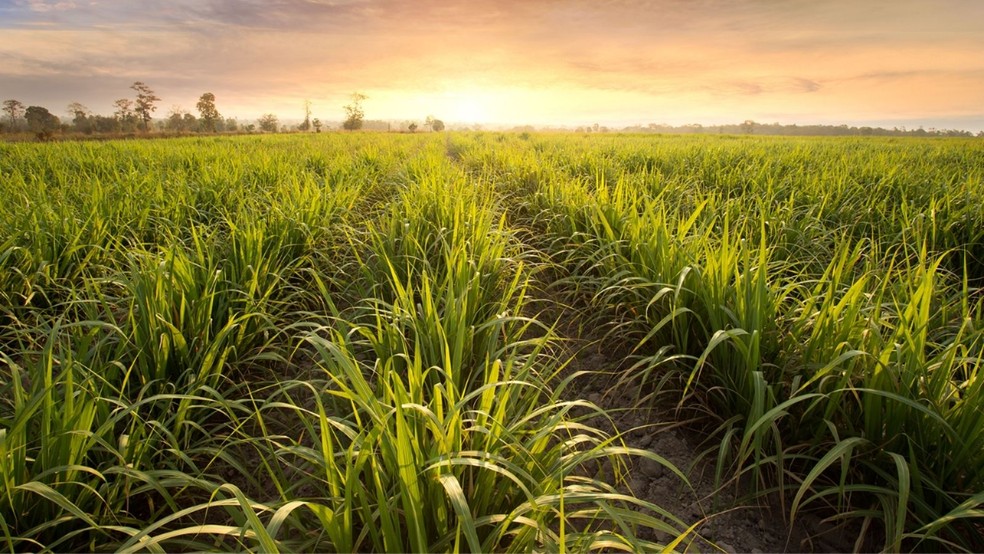
However, as sugarcane becomes more financially interesting, it could lead to farmers abandoning other crops to start planting sugarcane, which could generate problems with food production and other agricultural commodities, such as soybeans.
It is important to remember that soybeans are part of a range of products, both for human and animal consumption, and an increase in soybean prices would trigger a series of other price increases that could negatively impact the basic food basket.
In other words, the ideal in this case would be to ensure that this growing market does not disturb the production of other foods through policies encouraging the production of other crops that are not sugarcane for energy or biofuel production, whether by purchasing parts of the harvest to recreate the public food bank, a reserve of food that the government maintains to manage food prices indirectly but efficiently, or through tax subsidies or credit facilitation.
Another aspect that needs to be emphasized is that being a zero-carbon energy matrix and having zero environmental impact are two different things, especially when we discuss agriculture.
With the increasing demand for sugarcane, the threat to our preserved areas also grows. It becomes even more crucial, in a scenario like this, to ensure oversight so that unnecessary destruction of the biome does not occur in search of more space for sugarcane cultivation.
Another way to ensure that this revolution does not become overly dependent on sugarcane planting is to strengthen investments in the area of processing and technology, which already has a good start with German investment and, with the results it has been yielding, could provide Brazil with the capacity to become a processing center for ethanol.
Thus, as is the case with many other countries today, which have many refineries but do not produce much crude oil, Brazil could start importing sugarcane and turning it into value through the whole processing chain.
Beyond the country, it can be said that this is an excellent economic opportunity for other tropical countries where sugarcane could be planted. What is known is that, besides Brazil, Chile is also paying attention to the green hydrogen market, and this could lead to some trade disputes within Mercosur in the coming years.
Green Hydrogen or Plug-in Cars: Which Will Prevail?
This is a discussion that has been offering interesting viewpoints from both sides. Although they are easier to integrate into our current reality, plug-in electric cars can be “false greens,” as they can consume electricity produced by coal-fired thermoelectric plants, which does nothing to aid the decarbonization process.
This is not the case with hydrogen-powered cars, although all the challenges already mentioned remain.
Moreover, there is the entire issue of fleet renewal and the overall process of eliminating fossil fuel vehicles from circulation.
This process will depend on policies and also on demand, and one of the reasons the German international cooperation bank is investing in the green hydrogen hub is also related to the nearly universal choice of major German automakers for this technology.
However, at this very moment, even these automakers are heavily investing in plug-in car projects, even as they also invest in hydrogen fuel cell vehicles.
This is because these vehicles are more applicable to the current reality, as we have already discussed, and with the shift from fossil fuel vehicles to electric ones happening more rapidly, the decarbonization targets can be met more comfortably.
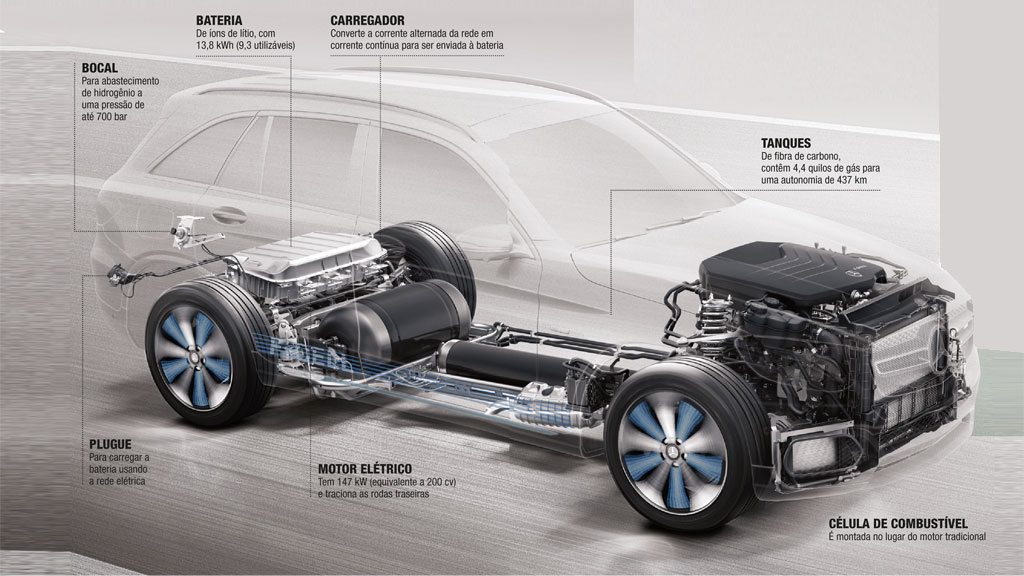
There is also the possibility that this new fuel could be the way to replace gas or coal, which are still very important for the energy matrix of many European countries.
In any case, it can be observed that green hydrogen has great potential for the future, and Brazil has enormous potential to become one of the protagonists in this new technology.









Seja o primeiro a reagir!