Portuguese
  Spanish


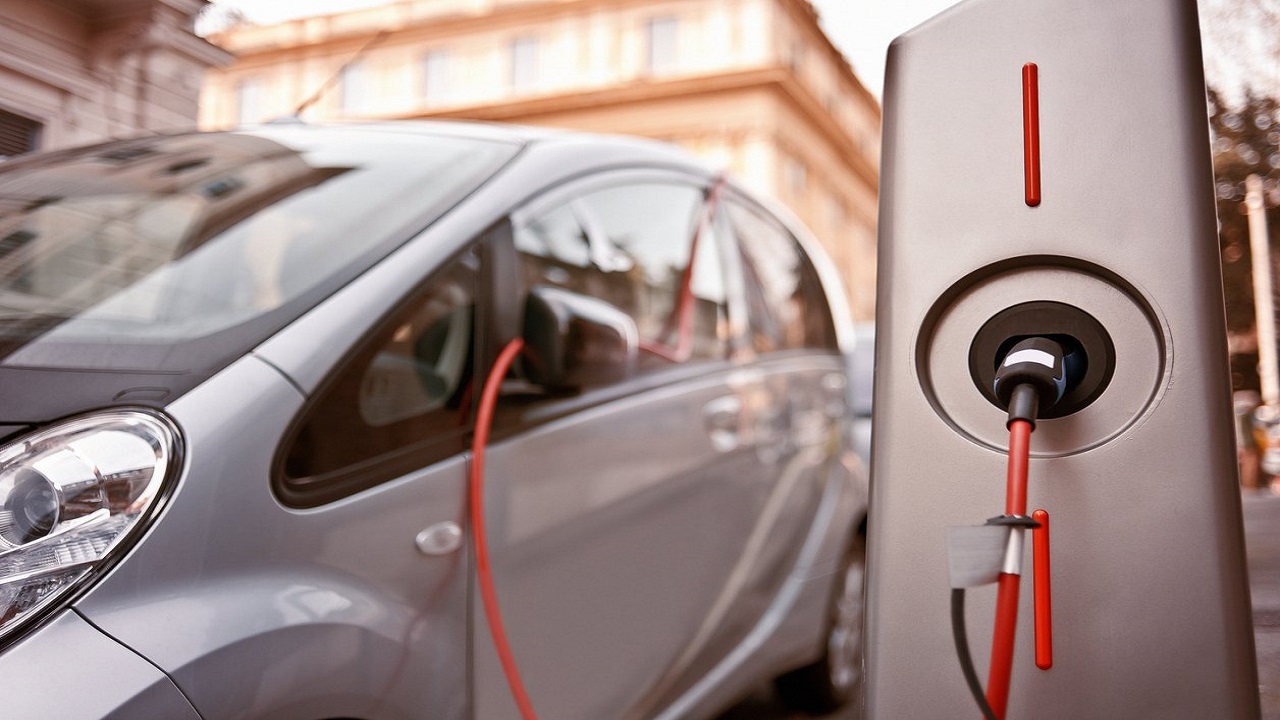

To Enhance The Electric Vehicle Charging Station Sector In The National Territory, Tupinambá Closed A Partnership With Carrefour To Install Charging Points In 40 Supermarket Parking Lots
Tupinambá, one of the leading companies in electric vehicle charging stations in Brazil, has partnered with Carrefour to install 40 charging stations in the supermarket chain’s parking lots by the end of next year. The first five are already in full operation in São Paulo, specifically at Jardim Pamplona Shopping, Butantã Shopping, the hypermarkets in Tatuapé and Brooklin, and at the Carrefour Villa Lobos unit.
Read Also
Charging Stations For Electric Vehicles Feature 22 kW Chargers
The Carrefour charging stations feature 22 kW semi-fast chargers and a 55-inch screen for advertising. The advertisers will cover the costs of operating the electric vehicles, initially free for Carrefour supermarket customers.
Currently, Brazil has about 65,000 electric and hybrid vehicles in circulation, with half of the charges made at private stations and in residential environments. In addition to the scarcity of incentives and the higher cost of electric vehicles, the lack of public charging stations, such as those at supermarkets, is a major obstacle to the market’s evolution.
-
Automatic, economical, and known for reliability: with a 1.5 engine of up to 110 hp, CVT transmission, seven airbags, and fuel consumption of up to 15.9 km/l, this used hatchback appears as a rational alternative to Polo, HB20, and Onix; meet the Toyota Yaris XLS 2020.

-
He surpassed the Tera, Creta, and Tracker: With a TSI engine of up to 150 hp, 6-speed automatic transmission, and a 373-liter trunk, the Volkswagen T-Cross was the best-selling SUV in June, with 11,753 registrations.

-
It looks factory-made, but it came out of a workshop: a mechanic from Pernambuco builds a handcrafted “mini Toyota,” drives it through the streets, and the video goes viral on social media, leaving residents astonished.
-
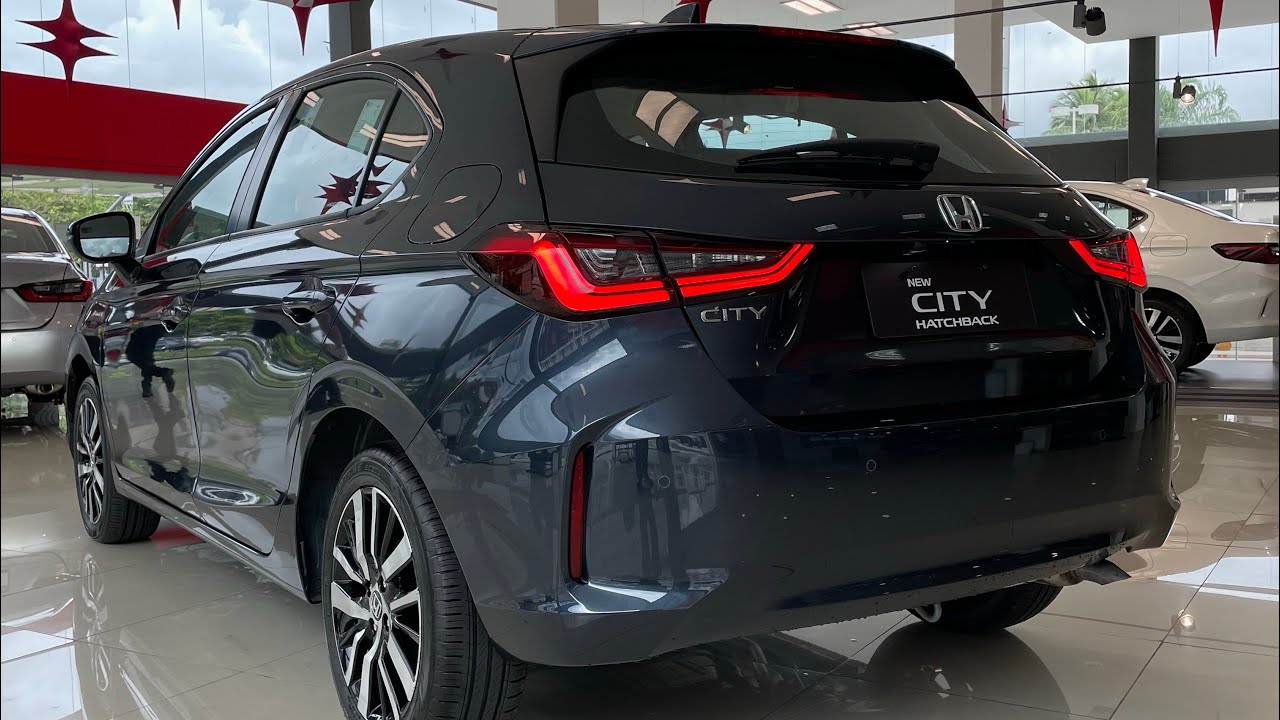
Hatch with sedan space and 1.0 car consumption: equipped with a 1.5 engine with 126 hp, CVT transmission with seven simulated gears, and consumption of up to 17.4 km/l, this used Honda delivers technology, comfort, and reliability; meet the 2022 Honda City Hatch Touring.
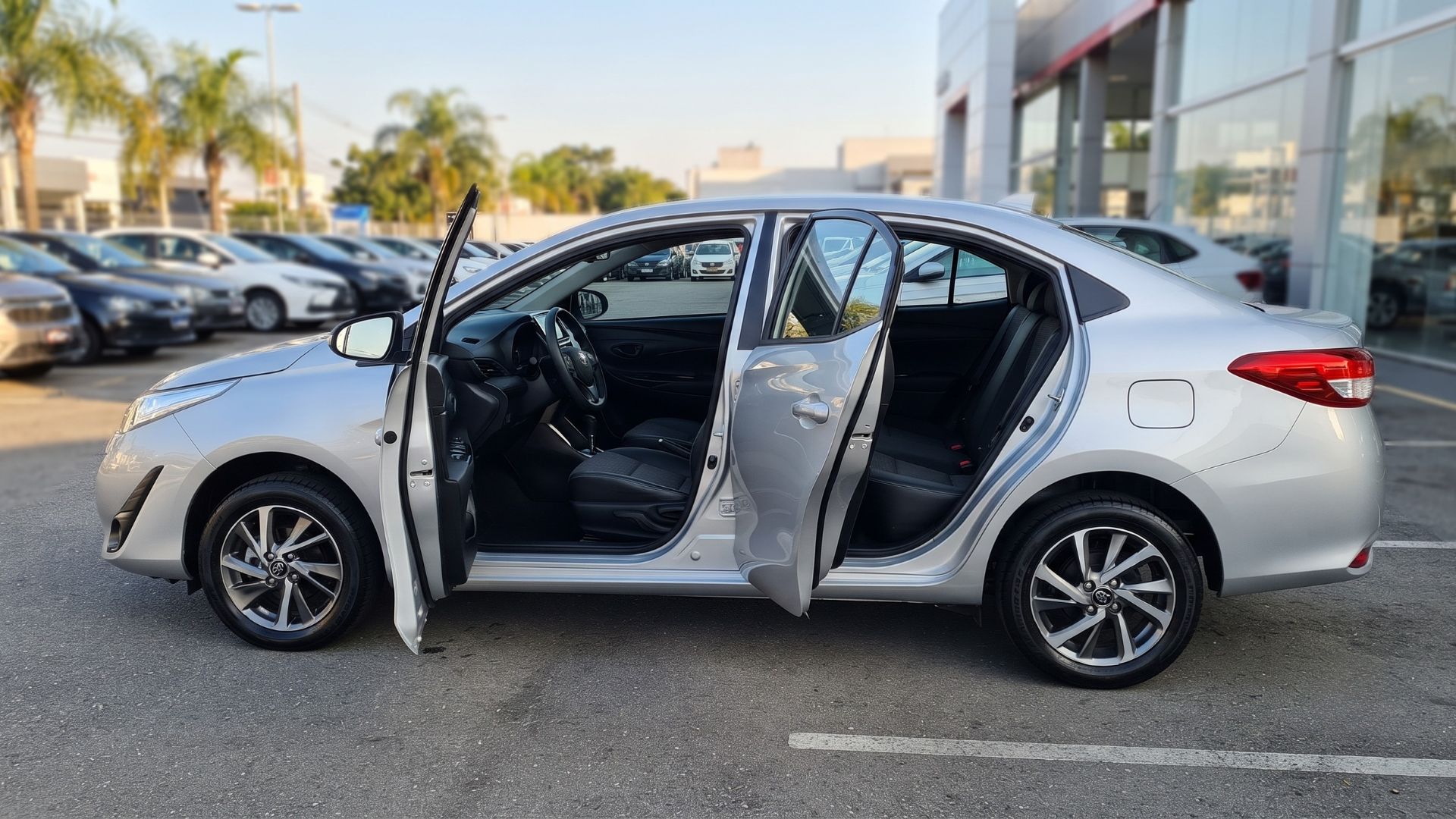


The United States already has 100,000 charging points for electric vehicles spread out, while Brazil seems to still be in an almost experimental phase, with charging still offered in a sponsored manner, generally at no cost to the driver.
Tupinambá Launches App To Identify Charging Stations
As one of the main companies in this area in Brazil, with approximately 100 units, Tupinambá has identified a total of 750 public charging points in the country from various manufacturers.
This is the number of charging stations listed in an app aimed at electric vehicle drivers that was launched by the company itself and is included in some electric vehicle models. The application helps drivers find points scattered across Brazil, handle payments, and also book time when the service is available, which occurs at least 10% of the time. One of the biggest challenges for installing charging points for electric vehicles is the business model.
In this current scenario where charging for electric models is still offered, especially for free, advertisements have still been a major motivator.
Carrefour And Tupinambá Comment On The New Partnership
In the deal with supermarket Carrefour, the company will provide the space for free, while Tupinambá supplies its charging equipment and covers the total energy cost. The companies also share revenue from advertisements on the digital outdoor.
According to the Commercial Manager of Carrefour Property, Patrícia Lima, the partnership aims to provide convenience for customers to charge their electric cars while shopping at the supermarket. According to Davi Bertonello, CEO and founder of Tupinambá, Brazil still lacks legislation or standardization for charging methods.
Some shopping centers that offer charging points charge by the time of use. However, each car model takes a specific time to recharge, and unfortunately, this leads to a distortion in the final cost.