





 Portuguese
  English
  Spanish
  4 min of reading
  0 comments



From A Wooden Loom To Global Leadership: The History Of Toyota Is Marked By Innovation, Overcoming, And Numbers That Impress The Automotive Market
The history of Toyota is marked by innovation since its inception. In 1892, at just 24 years old, Sakichi Toyoda created the first automatic loom in Japan.
The goal was simple yet revolutionary: to make work easier for his mother and many workers.
This constant pursuit of efficiency and useful solutions would continue strongly in the following generations of the family.
-
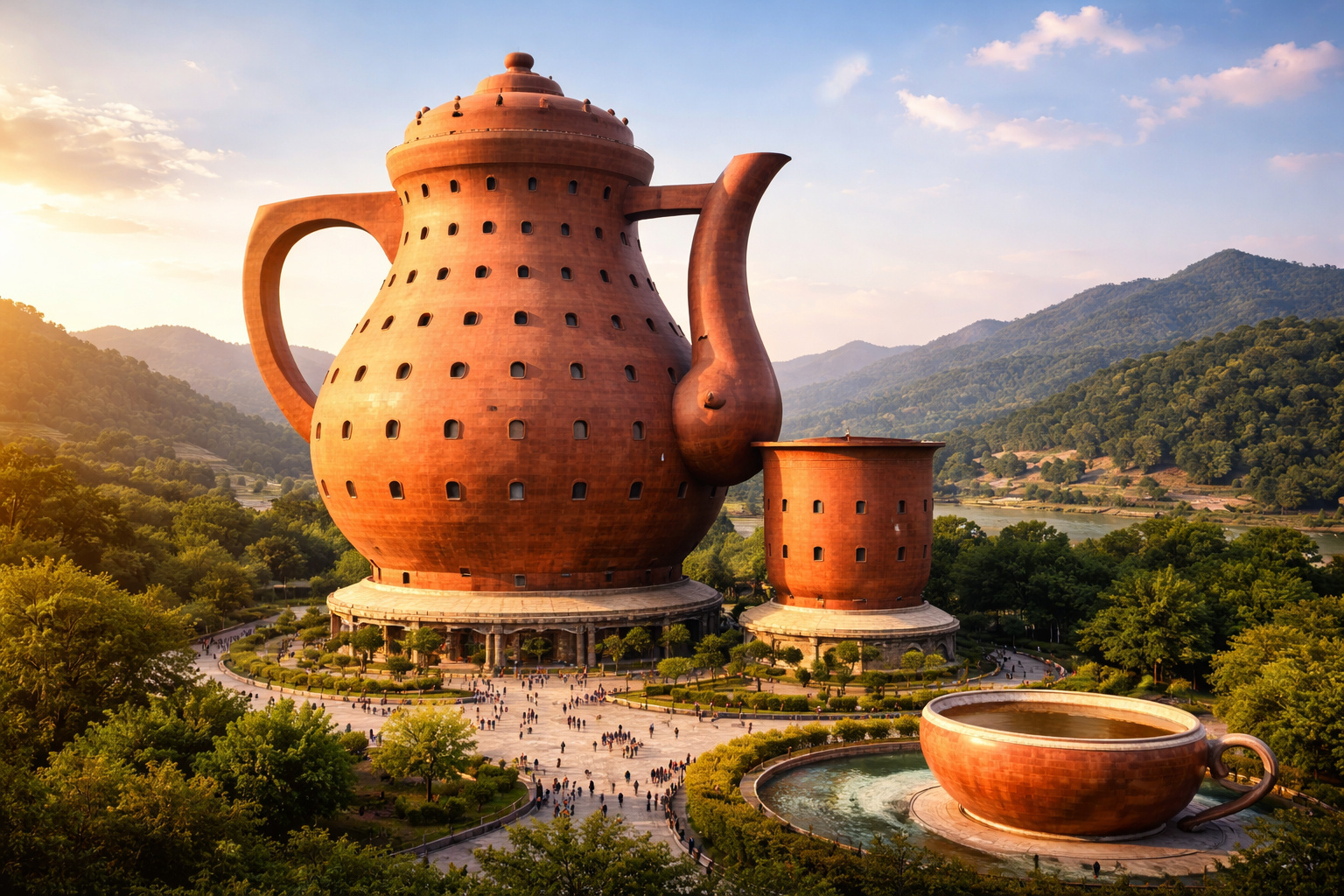
At 73.8 meters tall, the world’s tallest teapot-shaped building has 15 floors, ensures stability, and impresses with an internal space of 28,000 cubic meters.
-
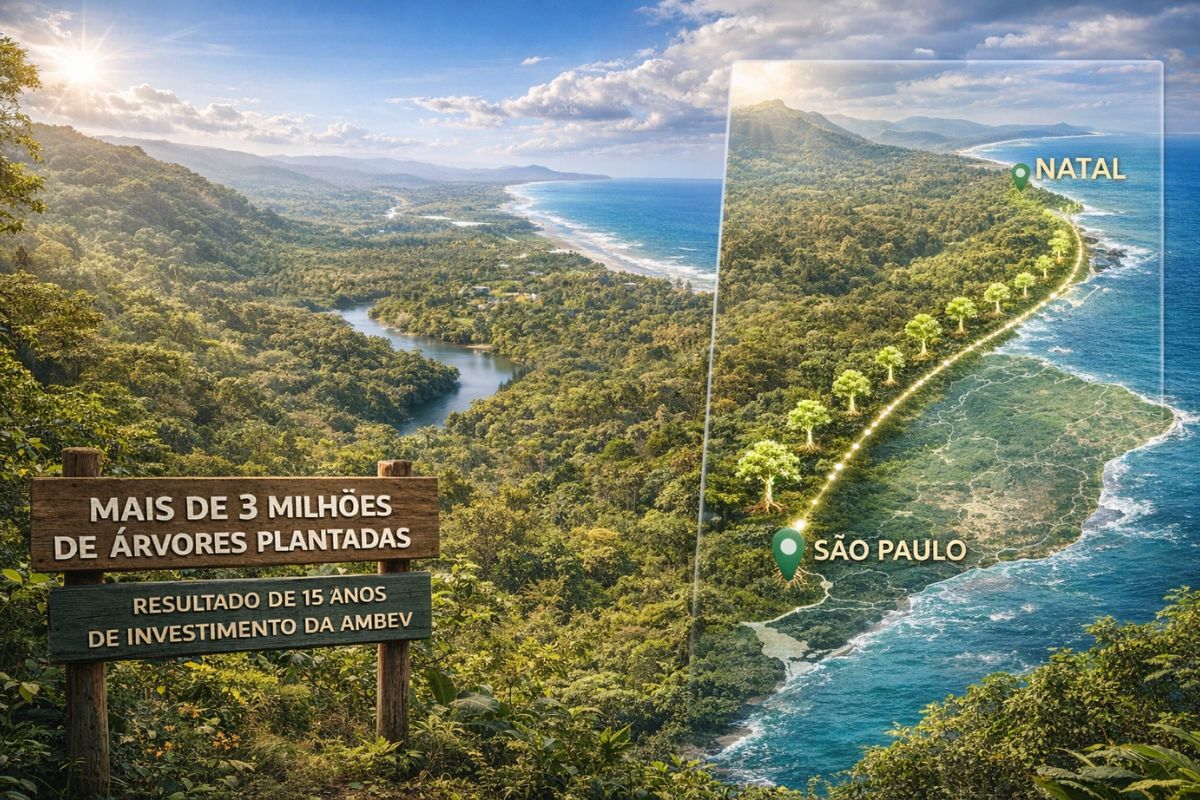
Ambev has planted over 3 million trees and restored an area equivalent to the coastline from São Paulo to Natal, and the result after 15 years of silent investment has finally appeared for all of Brazil to see.
-
A new AI collar technology for cattle eliminates physical fences, creates virtual barriers, monitors animals 24/7, and detects changes in behavior and health.

-
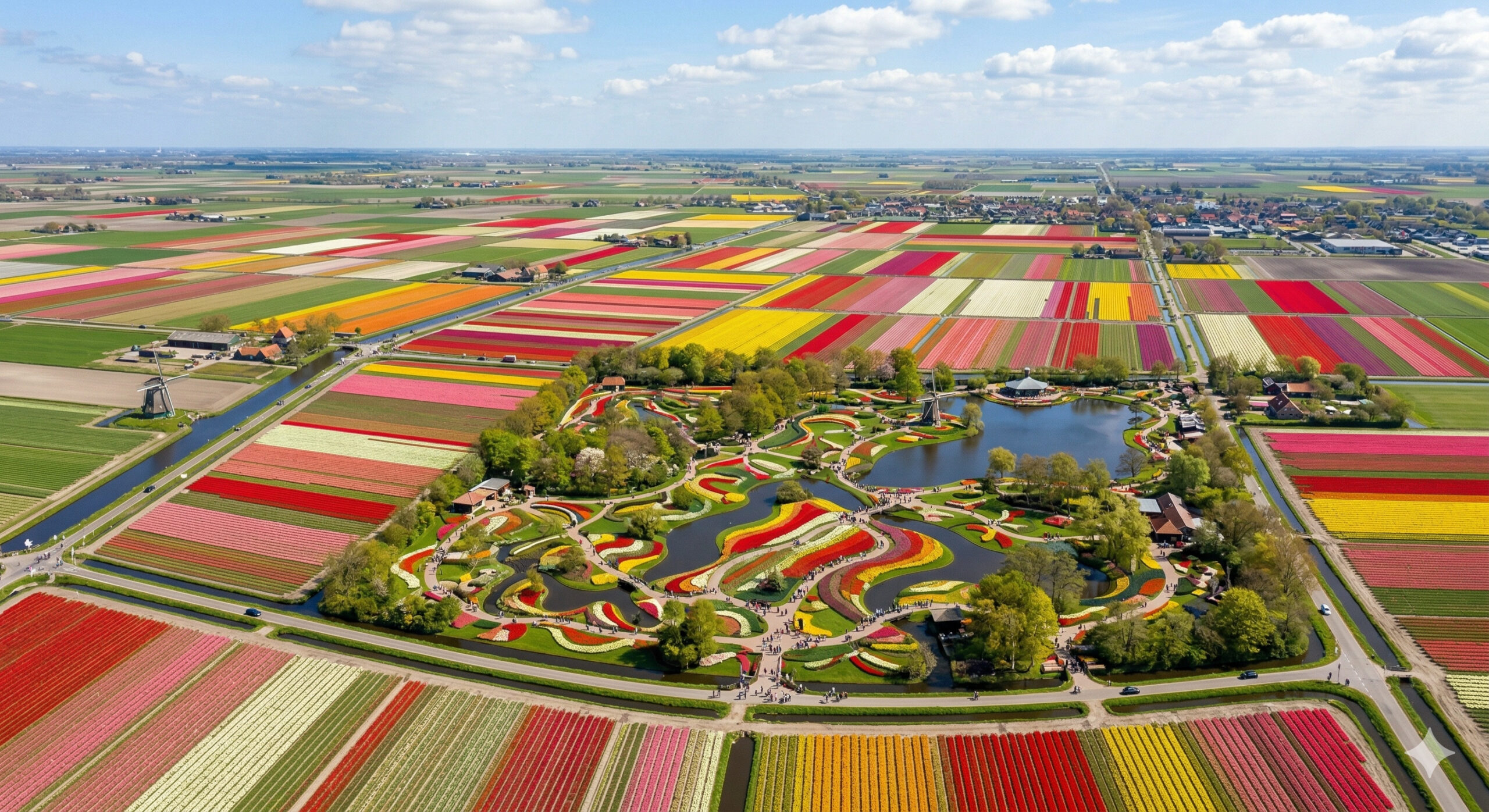
For a few weeks each year, an entire country blooms with billions of tulips, creating a mosaic of colors visible from the sky, while a single garden gathers more than 7 million flowers and attracts visitors from around the world to one of the most impressive shows in Europe.

It was in the United States that Sakichi discovered the invention that would change everything: the automobile.
Determined to invest in this new market, he used the profits from his creations and passed the mission on.
His son, Kichiro Toyoda, took on the challenge of building the first Japanese motorized car.
The project was realized with the A1 prototype in 1935. Two years later, the Toyota Motor Company was officially born.
The History Of Toyota – Global Expansion And Arrival In Brazil
Decades later, Toyota would become the largest automaker in the world, present in 160 countries.
An important milestone in this expansion was the arrival in Brazil.
In 1958, the first Toyota factory outside Japan was established in São Paulo. There, production of the Landcruiser model began.
By 1962, production was moved to São Bernardo do Campo, where the legendary utility vehicle Bandeirante was born. This model marked generations and is still remembered today as a symbol of robustness.
The 1990s brought significant changes. Toyota began importing new models and created its network of dealerships in the country.
In 1998, a new factory was inaugurated in Indaiatuba. It was there that production of the Corolla began in Brazil, a model that would become one of the best-selling in the brand’s history.
New Factories And Environmental Commitment
The following years consolidated Toyota’s growth in Brazil and strengthened its presence in Latin America.
In 2005, a parts distribution center was inaugurated in Guaíba, Rio Grande do Sul.
This center is essential for the Hilux and SW4 pickups, produced in Argentina, to reach the Brazilian market swiftly.
The pursuit of sustainability also gained traction. In 2012, Sorocaba received Toyota’s first ecofactory in Brazil. The unit was created to reduce environmental impacts during production. Models such as Yaris and Corolla Cross are assembled there.
Another important step occurred in 2014, with the groundbreaking of the engine factory in Porto Feliz, also in São Paulo state. The new plant reinforces the commitment to innovation and quality.
New Logistical Operation And International Reach
In November 2024, Toyota inaugurated a new Parts Logistics Center in Sorocaba. Covering 55,000 square meters, the facility more than doubled its previous capacity.
The operation plays a strategic role: it serves all 27 Brazilian states and also exports parts to 23 countries in the region.
This new center is essential for Toyota to continue providing quick and efficient support to the 3.1 million vehicles in operation in Latin America, of which 1.5 million are in Brazil.
The number is impressive and illustrates the importance of the Brazilian base within the automaker’s global operations.
Drop In Sales, But Maintaining Leadership
Despite advances and a strong presence in so many countries, Toyota faced challenges in 2024.
The company’s global sales fell by 3.7%, totaling 10.8 million vehicles. Even with this decline, the Japanese automaker maintained its global leadership in sales volume.
Stronger performance in the U.S. and European markets helped mitigate the decline, but it was not enough to offset losses in Japan and China.
One factor that helped Toyota remain strong was the increase in demand for hybrid cars. Many consumers shifted from 100% electric vehicles to hybrid models, where Toyota already has extensive experience.
In comparison, Volkswagen sold 9.03 million vehicles in the same year, a decrease of 2.3%. The German automaker also struggled with intense competition in the Chinese market.
Besides the drop in sales, Toyota’s production was also affected. In 2024, global production fell by 7.8%, with 10.6 million units manufactured.
As with sales, the decline was driven by issues faced in the Japanese and Chinese markets.
Even amid global challenges, Toyota managed to maintain its position as the largest automaker in the world.
In Brazil, the commitment to quality, sustainability, and innovation remains strong, with modern facilities, robust local production, and presence throughout Latin America.
The history of Toyota shows that innovation and the pursuit of continuous improvement are not just concepts, but an essential part of its identity.
With new investments and strategic operations, the company is clearly signaling that it wants to continue leading — not only in volume but also in trust.






-

-

2 pessoas reagiram a isso.