





 Portuguese
  English
  Spanish
  3 min of reading
  0 comments


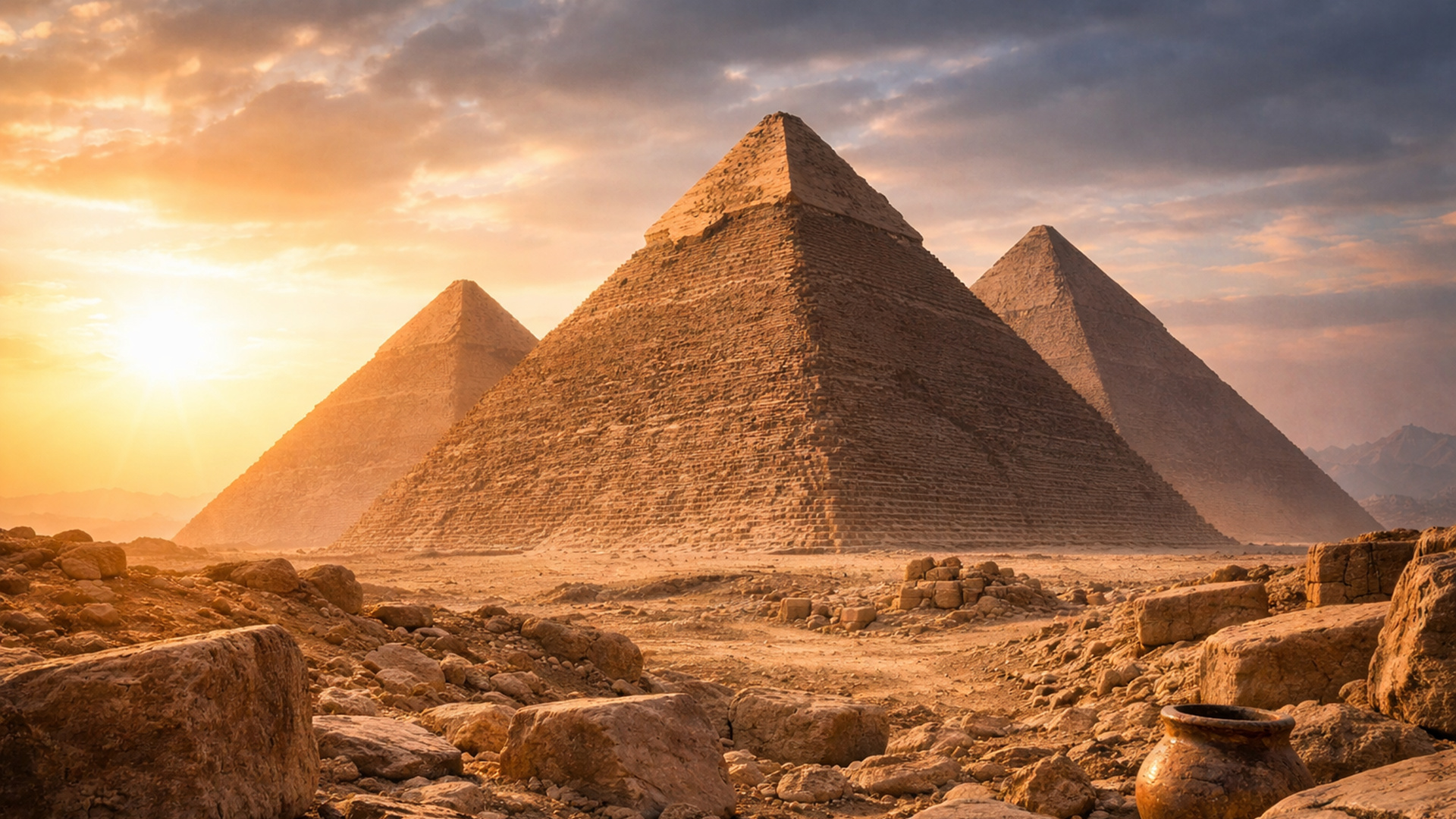
The Pyramids Have Returned to the Center of the Debate After a Historian Challenged Theories About Extraterrestrials, Pointed Out Real Flaws in Egyptian Construction, and Made an Unusual Warning: In 4,000 Years, the Digital Age May Leave Fewer Traces Than the Great Civilizations of the Ancient World
Tito Vivas, Egyptologist, historian, and writer, has returned to the center of the debate about the ancient world following the release of Pyramids, Gods, and Lost Wisdoms of the Ancient World. In an interview with Telecinco, he challenged myths about the Pyramids, criticized explanations linked to extraterrestrials, and warned of the risk that today’s society may leave few lasting traces for the future.
Pyramids and the Myth of Impossible Precision
Vivas countered one of the most widespread ideas about the Pyramids by stating that even the structures considered the most perfect are not completely regular.
He noted that many stones were rough and that there were also fillings with sand or rubble, which dismantles the notion of an impossible construction for the technical capacity of antiquity.
-
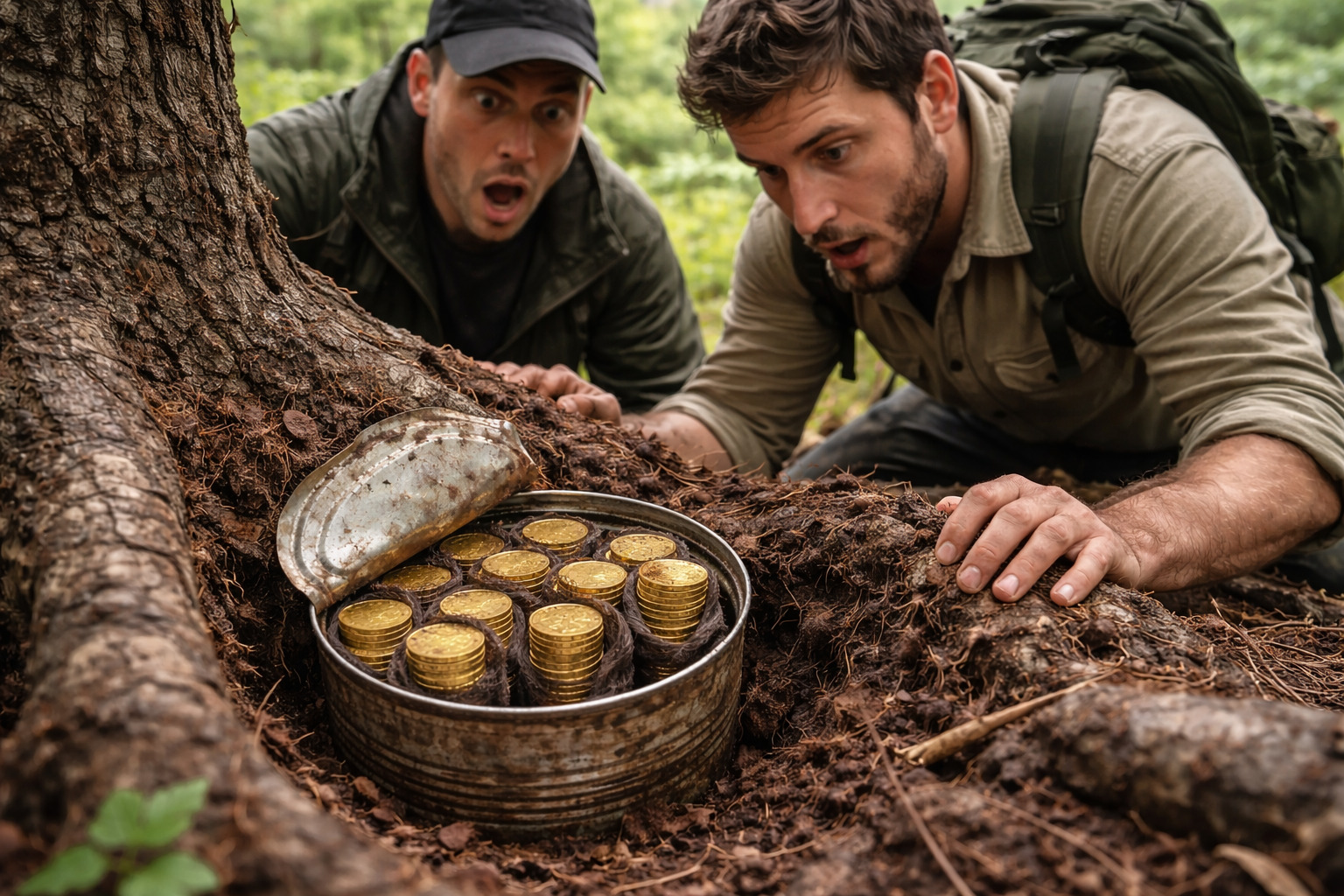
They saw an aluminum can coming out of a stone wall in the forest, opened the container, and found 598 gold coins worth more than $330,000.
-
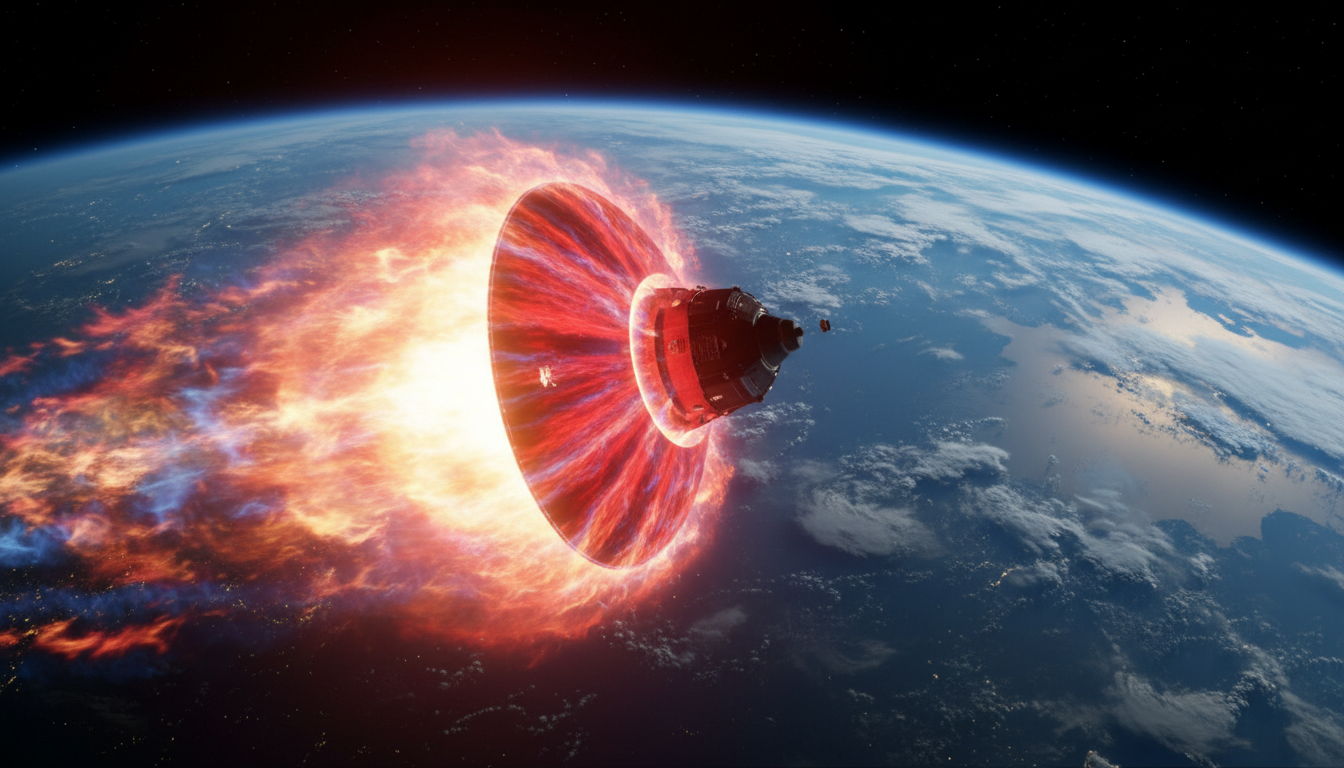
For the first time in over half a century, humans have seen the Moon up close and returned to tell the tale, and the technology that brought them back makes Apollo look like a toy.
-
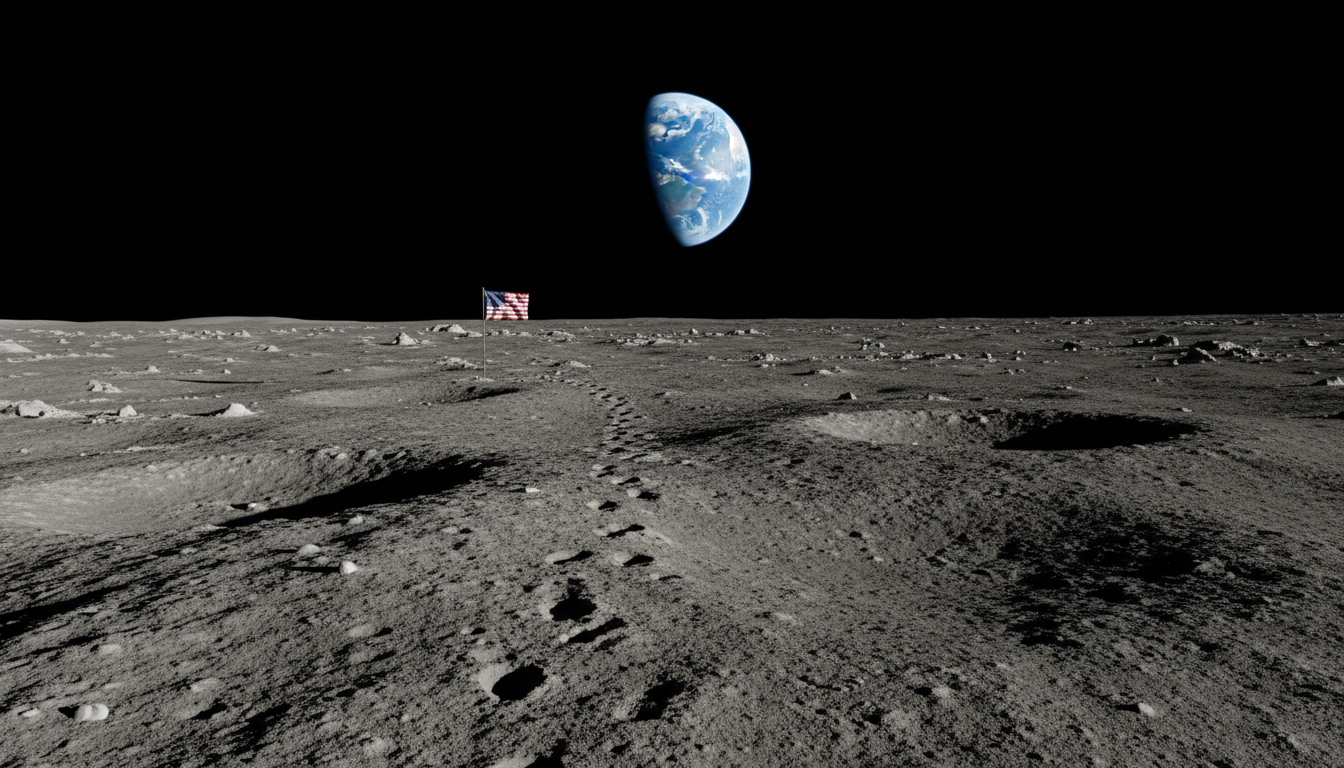
From 1969 to 1972, only 12 human beings set foot on the Moon, and then the world simply stopped going, until this week when NASA showed that the journey back has finally begun.
-
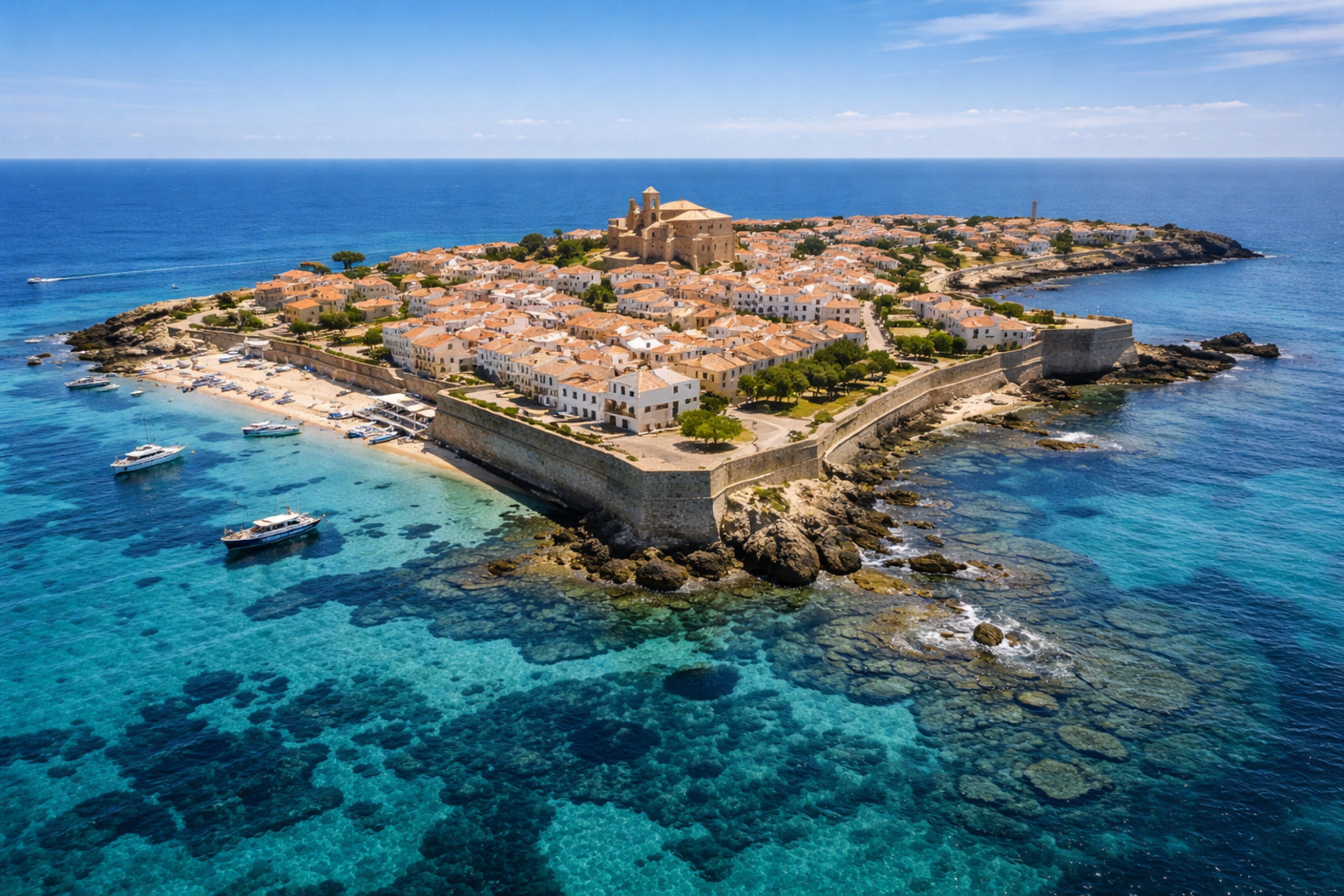
Tabarca, an 18th-century walled island with only 30 hectares and around 50 residents, lives isolated in the Mediterranean and now wants to separate from Alicante.
In the researcher’s assessment, the belief that the Pyramids would require laser cuts or an unattainable precision today is based more on myths than on evidence. For him, the work of the Egyptians was feasible within the logic of a society that operated very differently from today’s.
The Fascination with the Impossible and Popular Culture
When explaining why these theories continue to attract so much attention, Vivas pointed out two central factors. The first is presentism, which leads part of the public to imagine that the Great Pyramid of Khufu could not be reproduced today, although he maintains that it would be possible, just without efficiency or practical necessity.
The second factor, he stated, arose from popular culture in the second half of the 20th century. Theories about ancient or extraterrestrial civilizations gained strength in the 1950s and 1960s during the space race and solidified in the 1970s and 1980s with cinema.
Vivas observed that the collective imagination changed its setting throughout this process. Previously, monsters inhabited caves or the ocean; later, outer space took on this role, driven by films like Alien, which helped these ideas to become socially established almost like a contemporary religion.
Information, Knowledge, and Critical Thinking
During the interview, the historian also differentiated information from knowledge. For him, consuming dozens of videos about enigmas in a single day does not guarantee sufficient criteria to separate what is true from what is false.
At this point, Vivas advocated for critical thinking as an indispensable element for understanding topics related to the Pyramids and other mysteries of the ancient world. He associated this ability with study, learning, and accumulated knowledge, and not with the volume of content available on the internet or social media.
The researcher also classified as unfair the idea of attributing achievements of antiquity to extraterrestrials. In his view, saying that the Egyptians were not capable of building the Pyramids on their own disregards their historical capability, especially considering that the construction of a Gothic cathedral would be technically more complex.
The Risk of Forgetting and the Duty to Preserve
In the final part of the conversation, Vivas drew attention to the fragility of contemporary memory. He stated that if someone were to excavate today’s society in 4,000 years, the greatest surprise would likely be the lack of data, as photos and digital records are easily lost and depend on short-lived media.
Although surrounded by information, today’s society may leave very little that truly endures, the author warned. For him, this scenario reinforces the need to respect cultural heritage, which belongs to humanity and should be enjoyed, understood, and preserved, as shown by the case of the Temple of Debod in Madrid, affected by pollution and even acts of vandalism.






Seja o primeiro a reagir!