






 Portuguese
  Spanish


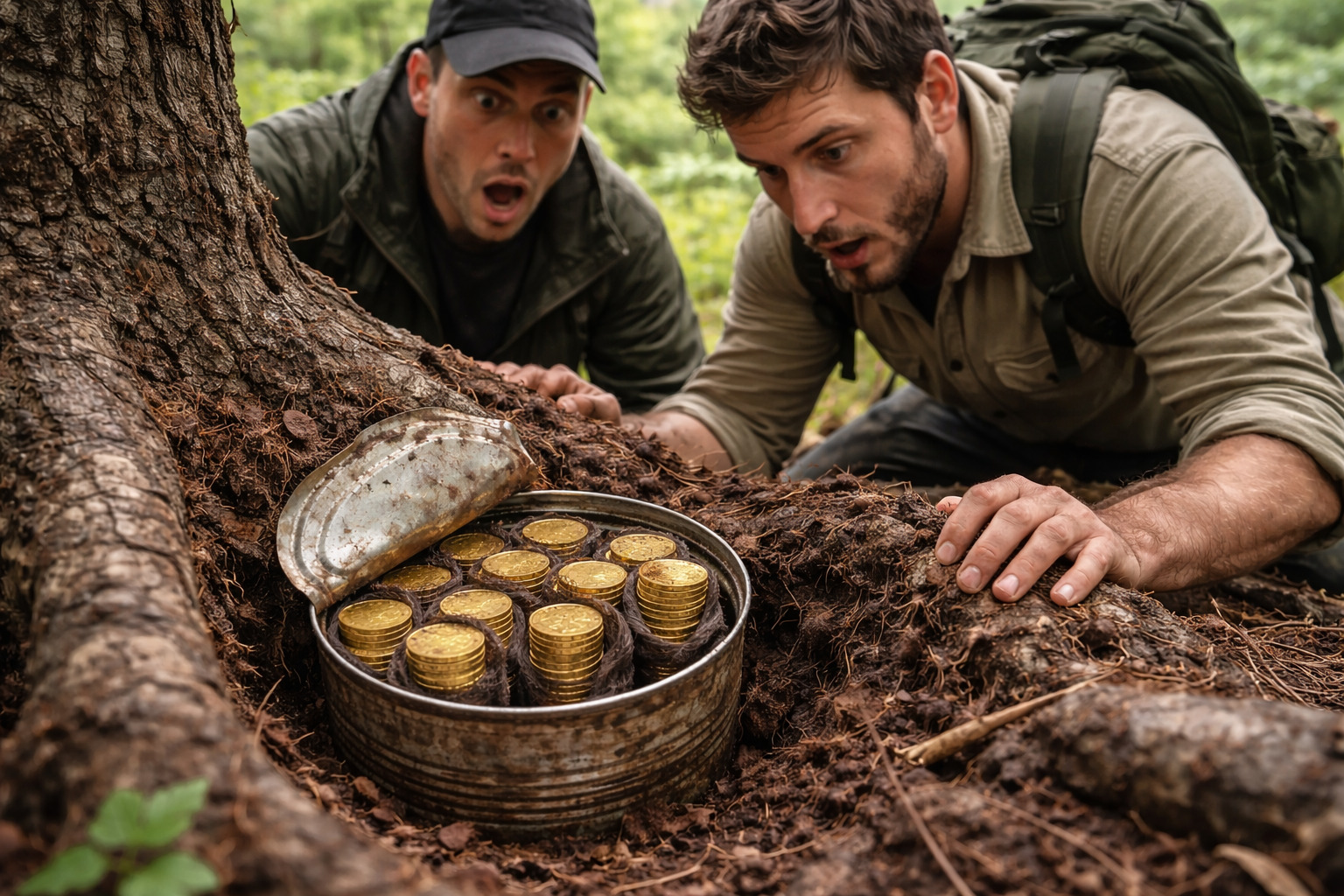
Discovery of 598 gold coins and valuable objects hidden in the Krkonoše mountains intrigues experts and raises hypotheses about past European crises
An aluminum can seen by two hikers in the Krkonoše mountains revealed a treasure hidden for decades: 598 gold coins and other valuable objects, valued at over $330,000 and now under analysis by the Eastern Bohemia Museum. This news was confirmed by the portal Daily Galaxy.
How the treasure was found
According to the article, the hikers noticed an aluminum container sticking out of a stone wall. Upon opening it, they found 598 gold coins, organized into eleven bundles and wrapped in dark fabric.
The discovery did not end there. A few meters away, they located a second container, an iron box, filled with valuable pieces hidden in the exact same location.
-
Ancient 4,000-Year-Old City in Brazil Grew Wealthier and Reduced Inequality, Study Finds

-
Lost Page from Archimedes Palimpsest Resurfaces in French Museum After Decades, May Reveal Hidden Mathematical Calculations with X-ray and Multispectral Imaging
-
Brazilian Education Ministry Announces Tech Benefits for Teachers, Providing Smartphones, Notebooks, and Tablets to Enhance Digital Learning and Professional Development
-
Woman Stranded for Six Months in Brazilian Airport After Losing Passport and Ticket, Faces Agonizing Wait to Reunite with 15-Year-Old Son at Age 56.




What was in the containers
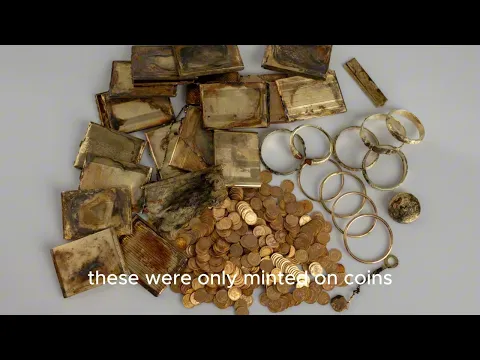
Inside the box, there were 16 cigarette cases, 10 bracelets, a silver mesh purse, a comb, and a chain with a key. The entire treasure set weighed about 7 kilograms.
After the find, the hikers handed over the materials to the Eastern Bohemia Museum.
Experts quickly realized that this was not a common discovery due to the quantity and variety of the items.
Gold coins from various countries
The coins found in the can date from 1808 to 1915. Experts identified specimens from France, Austria-Hungary, Russia, Italy, Romania, Belgium, and Turkey.
Some of the coins from Austria-Hungary corresponded to systems still in use in the 1930s. This mix made it more difficult to explain how they were all gathered and hidden in one spot.
For the experts, the treasure suggests a collection formed over time, rather than gathered all at once. This detail adds to the mystery surrounding the history of the collection.
Hypotheses for the hideout
The reason for the burial of the treasure remains unknown. Miroslav Novak from the museum stated that hiding valuable objects underground during periods of instability has been a recurring practice over time.
Among the possibilities mentioned are the onset of war, the deportation of Czech and Jewish populations, the deportation of Germans after the war, and a monetary reform that could also have motivated the hiding.
Value, precious metal, and reward
Vojtěch Brádle, a coin expert at the museum, stated that the central point was not the nominal value of the pieces, but the fact that they were made of precious metal and were deliberately hidden.
It is still unknown to whom the treasure belonged. The collection is expected to be displayed, and the hikers will receive a reward of 10% for handing over the material.
With information from Daily Galaxy.


Be the first to react!