





 Portuguese
  English
  Spanish
  3 min of reading
  0 comments


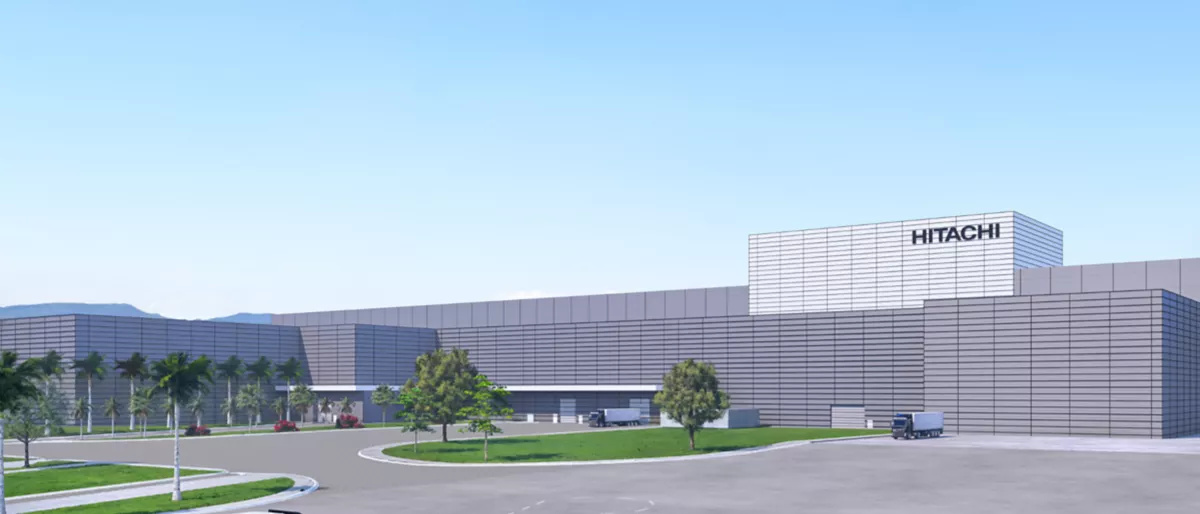
Hitachi Energy Invests in Building a New Transformer Factory in Pindamonhangaba (SP) to Double Its Production in Brazil and Meet the Demand for Renewable Energy and Data Centers.
Hitachi Energy has confirmed the start of construction of a new factory for high-power electrical transformers in Pindamonhangaba (SP), with an expected completion date in 2028.
The strategic location in the Paraíba Valley — between São Paulo and Rio de Janeiro and close to ports — was essential for the choice, while the project aims to meet the growing demand for energy infrastructure, especially for renewable energy and data centers.
Strategic Expansion: New Hitachi Energy Factory in Brazil
The new unit will be the third factory of the company in the country, joining the existing ones in Guarulhos (SP) and Blumenau (SC).
-
Lula responds directly to Trump and says that Pix is from Brazil and will not change under pressure from anyone, after a report from the United States pointed out the Brazilian payment system as an American trade barrier.

-
Amazon has just announced a new fee on all deliveries, and your online purchases will become more expensive starting April 17, including for those buying from the United States here in Brazil.

-
He sold his share for R$ 4 thousand, saw the company become a giant worth R$ 19 trillion, and missed the opportunity of a lifetime.

-
Elon Musk’s Starship megafrocket puts $8 billion at risk, raises alarms in the market, and could affect technology, mining, and space internet startups in the coming years.


The initial project foresees an area of 46,300 m² and potential to create around 450 direct jobs and 1,800 indirect jobs in the region.
Focusing on meeting the demand for high-power transformers, the new factory will come into play at a time of expansion of electrical grids, essential for the energy transition.
These equipment are fundamental for both energy transmission and distribution as well as for supporting data centers, which are needed to operate artificial intelligence and modern technology.
Strategic Location and Operational Timeline
The factory will be built in Pindamonhangaba, chosen for its proximity to urban centers, highways, and important ports, such as Itaguaí and Santos. This location favors logistics and supplies.
The timeline foresees full operation by 2028.
This investment marks a significant expansion of Hitachi Energy in Brazil, reinforcing its role in the energy transition and supporting the national grid.
With this new factory, the company will increase its production capacity and serve strategically growing sectors — such as renewables and technology — while generating jobs and development in the Paraíba Valley.
Another point highlighted by the company is the environmental commitment. The new factory in Pindamonhangaba will be built with a focus on energy efficiency and carbon emission reduction.
Hitachi Energy aims to support the global transition to a more sustainable electric system by investing in solutions that integrate renewable sources, such as solar and wind, into the transmission grids.
The company has already indicated that the facility will be equipped with cutting-edge technologies for manufacturing more efficient transformers, capable of reducing energy losses and meeting the growing demand for reliability in the electric system.
History of Hitachi Energy in Brazil
Present in Brazil for decades, Hitachi Energy already has a factory in Guarulhos (SP), dedicated to electrical equipment and digital solutions.
The new factory in Pindamonhangaba will complement this structure, increasing production capacity and reinforcing the country’s role as an export center for other markets in Latin America.
This movement follows the global trend of the company, which has increased investments in strategic regions to address a rapidly transforming energy sector.
Currently, the country is among the largest producers of clean energy, with emphasis on hydro, wind, and solar sources.
With the growing demand for more sustainable and reliable electricity, Hitachi Energy’s new unit reinforces Brazil’s importance on the global energy map.
Additionally, it brings direct benefits to the industry, consumers, and society by promoting innovation, sustainability, and economic development.








-

-

-

-

16 pessoas reagiram a isso.