





 Portuguese
  English
  Spanish
  4 min of reading
  7 comments


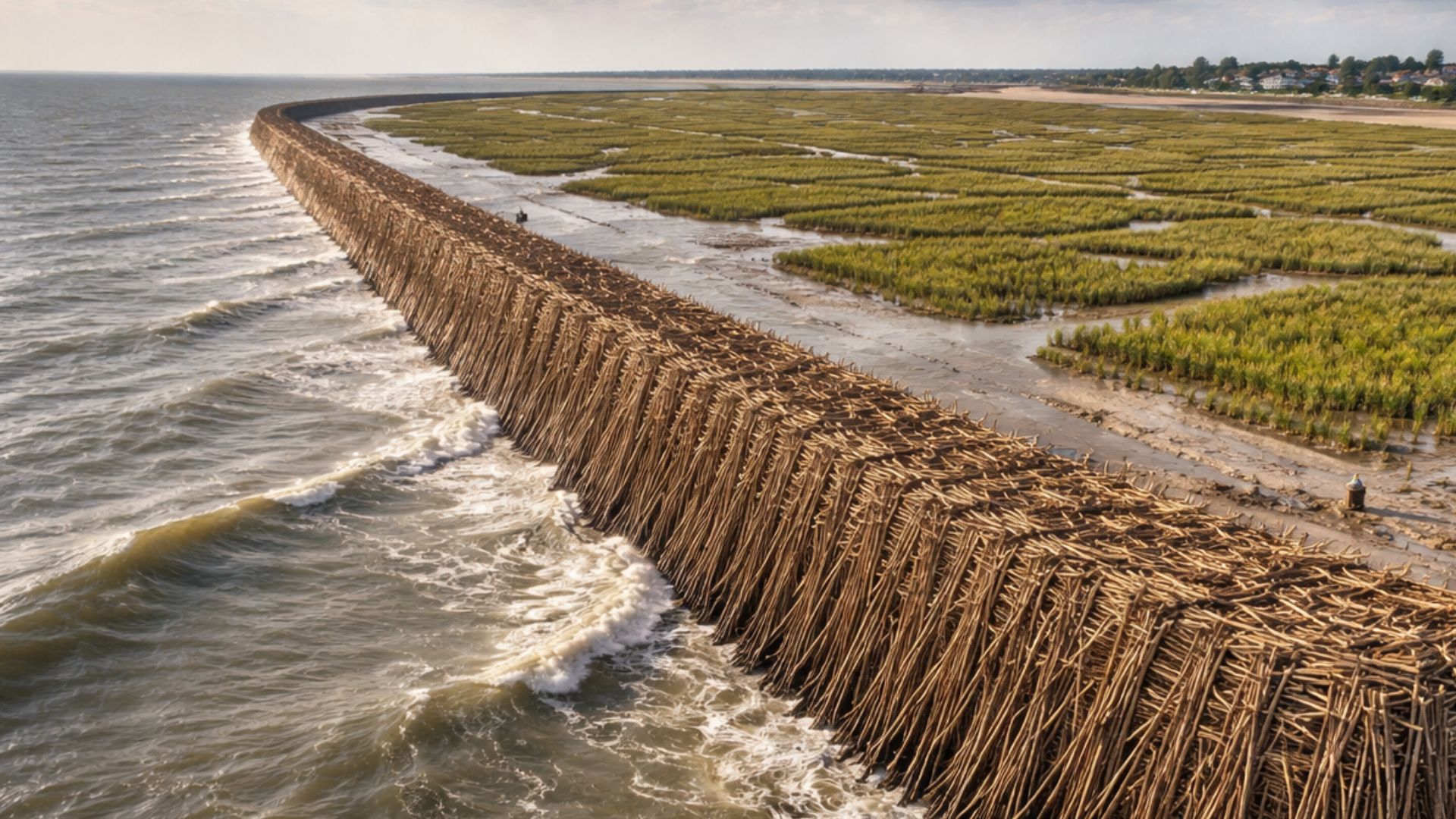


Coastal Intervention in Northern Holland Transforms Branches, Dredged Sand, and Fragments of Salicornia into a Natural Restoration Experiment Capable of Creating a 15-Hectare Salt Marsh, Recovering Halophytic Vegetation, and Enhancing Protection Against Sea Level Rise.
On the coast of Delfzijl, in northern Netherlands, a coastal project has transformed simple materials into natural infrastructure.
In an area where the salt marsh couldn’t form on its own, the Marconi initiative combined permeable branch barriers, locally dredged sand, fine soil, and Salicornia seeding to build a 15-hectare experimental field aimed at sediment retention, advancing halophytic vegetation, and enhancing coastal protection.
Environmental Pressures in the Ems-Dollard Estuary
The intervention was implemented in a stretch subjected to simultaneous pressures. Information from Royal HaskoningDHV and EcoShape indicates that Delfzijl was facing sea level rise, land subsidence, and loss of ecological quality linked to increased sediment concentrations in the Ems-Dollard estuary.
-
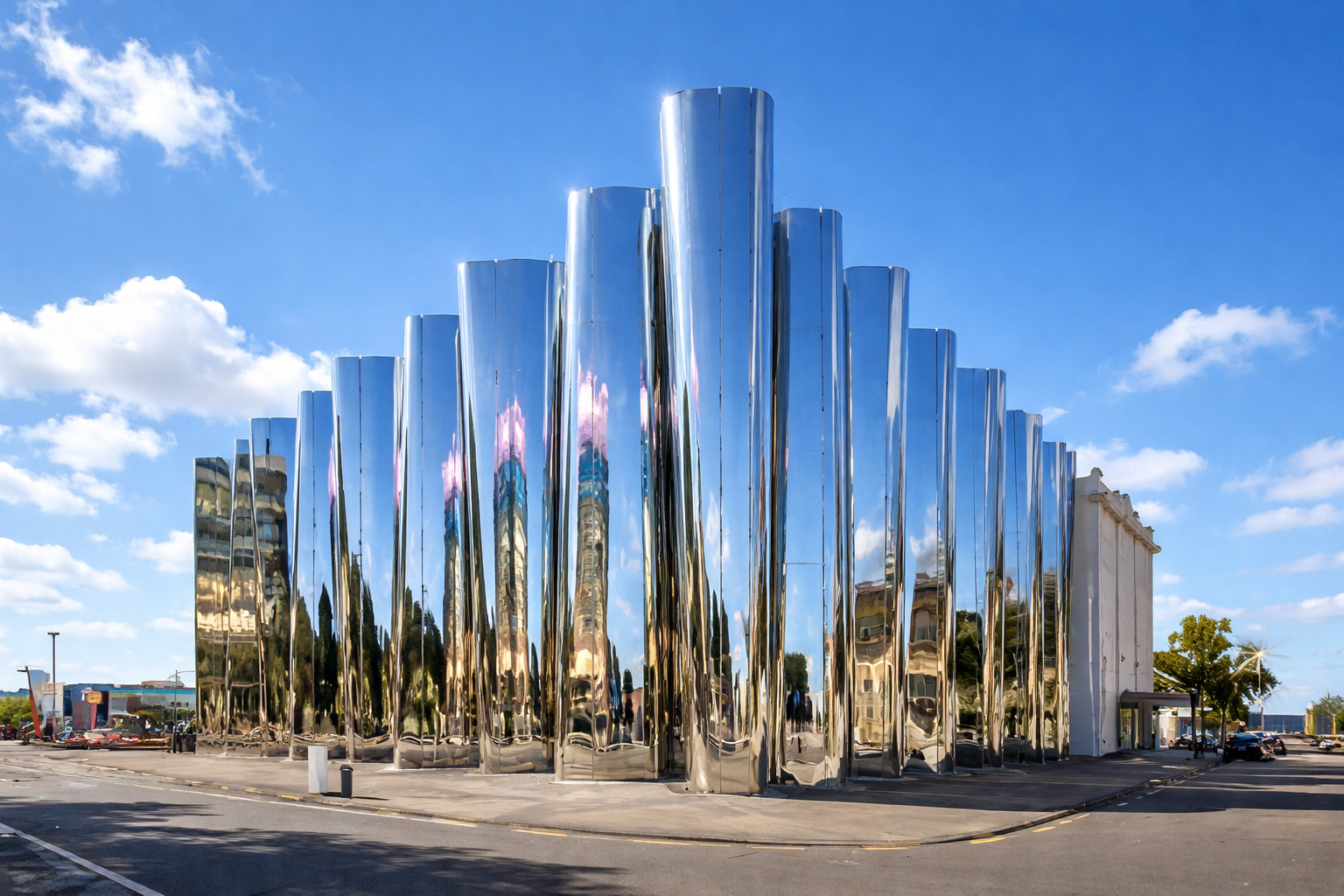
New Zealand builds a shimmering building that vibrates, featuring a 62-seat cinema, moving sculptures, and an environment where sound, light, and energy are felt in the body.
-
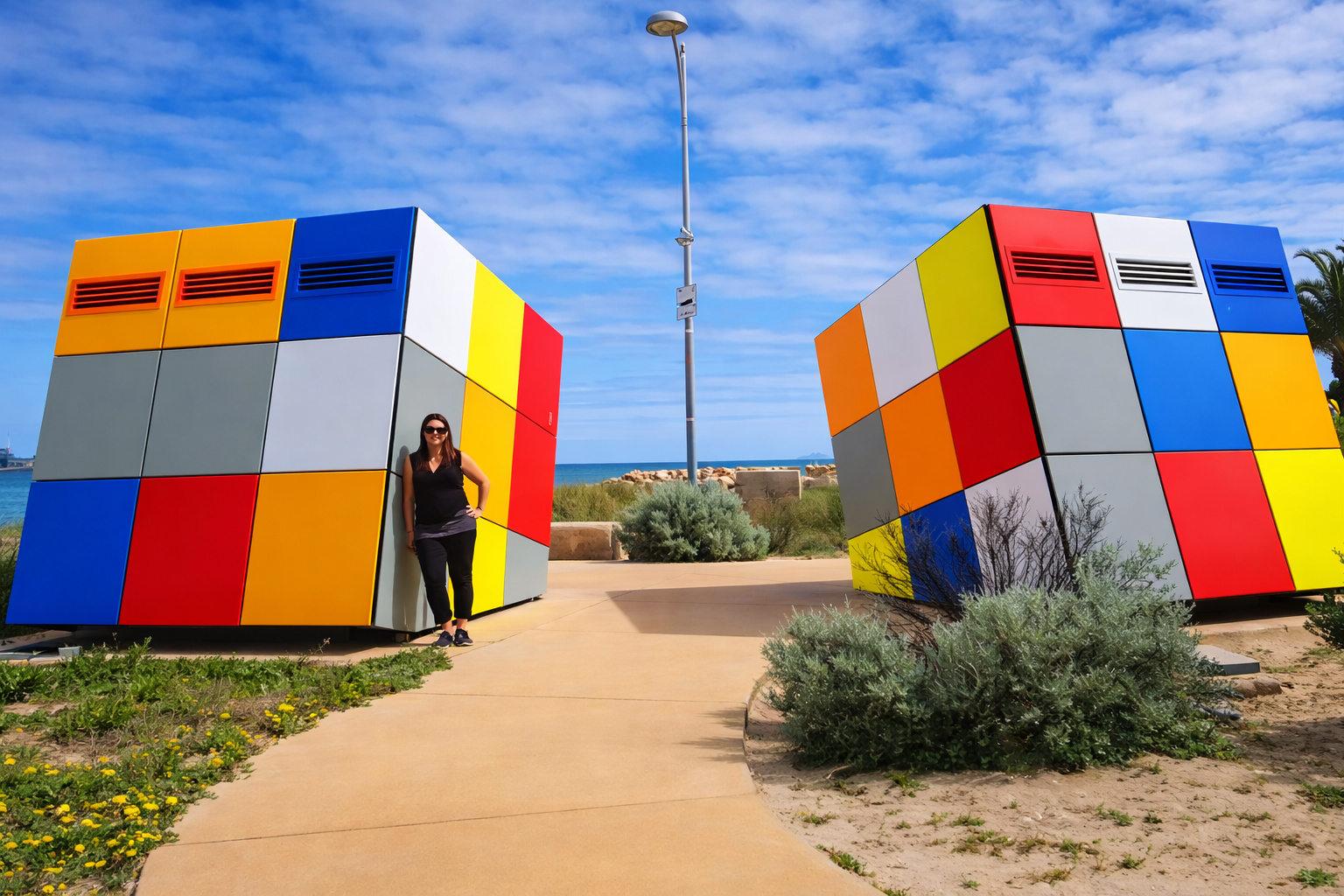
Two colored cubes of 2.5 m transform a public bathroom into a selfie spot in Western Australia, costing up to 75% less than traditional construction and helping to reduce vandalism in public spaces.
-
Santa Catarina produces up to 7 times more than it consumes in some sectors, and its century-old industries founded by grandparents and great-grandparents now compete on equal footing with Germany and the United States in the international market.

-
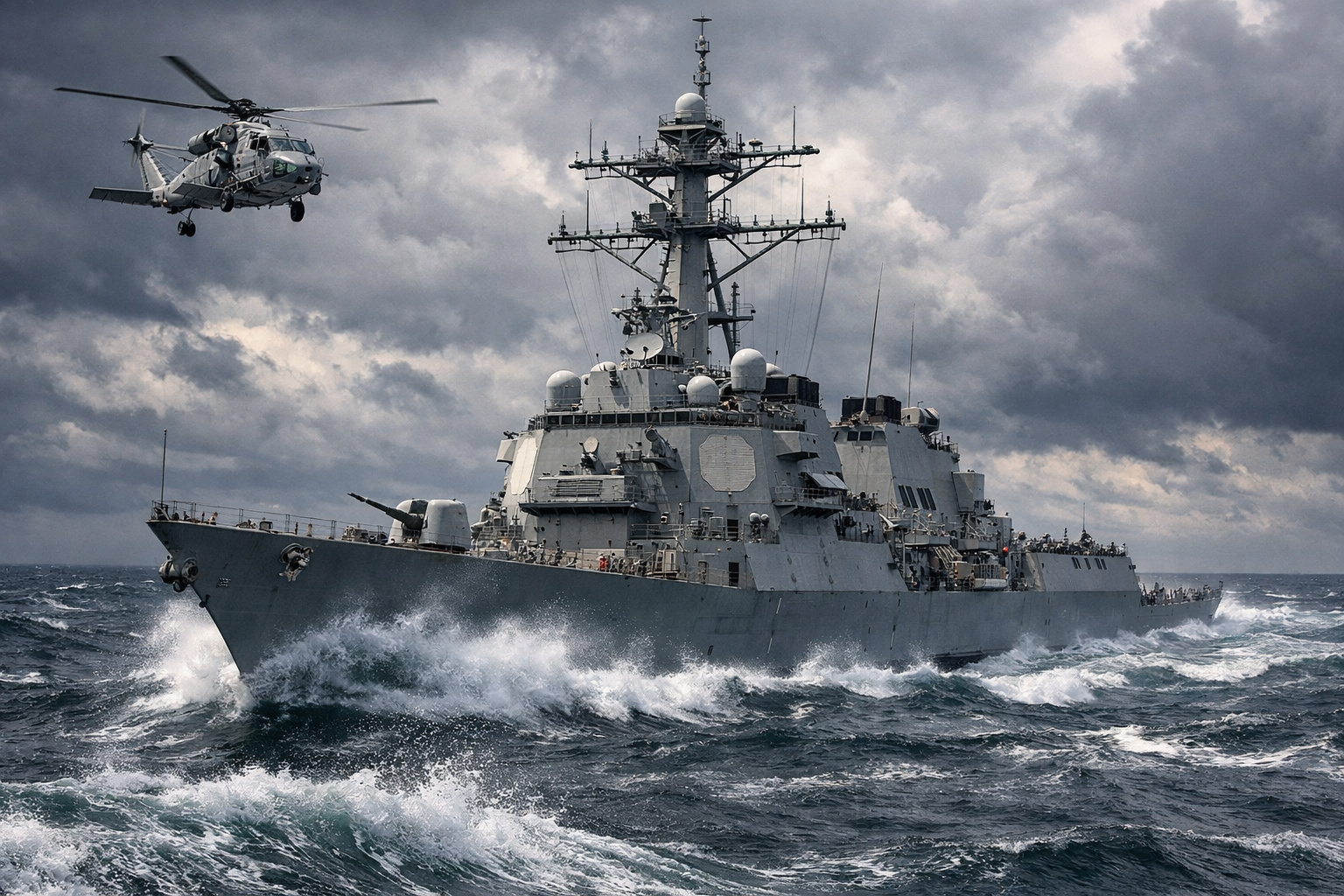
U.S. war giant weighing 9,600 tons and equipped with long-range missiles is sent to the Atlantic to protect global internet and hunt submarines.

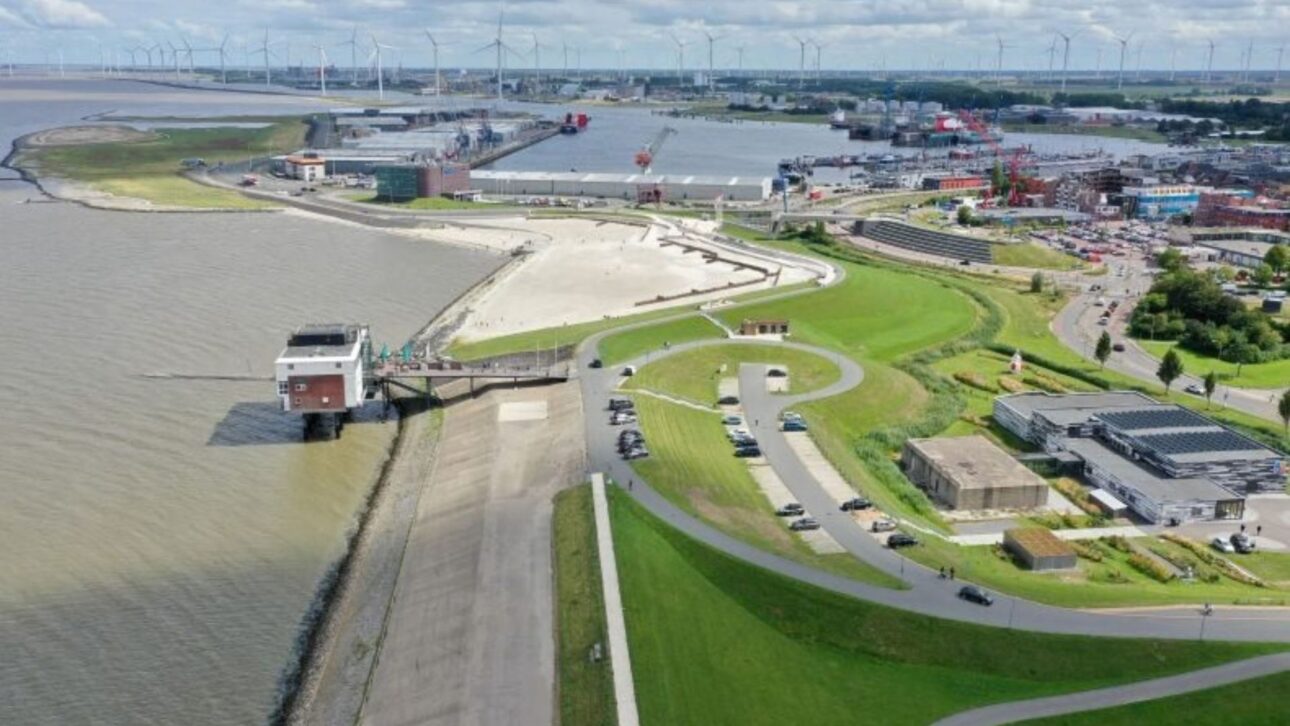
In this context, the Marconi program began to gather coastal safety, environmental recovery, and urban requalification objectives in the same coastal front.
The area was not conceived merely as an isolated experiment.
The broader design included an artificial beach, a park wetland, and a naturalized salt marsh sector, while the existing levee was relocated and reinforced to restore the connection between the city and the estuary’s wetlands.
Within this framework, the 15-hectare pilot functioned as a real-scale laboratory to observe how an artificial salt marsh evolves in topography, drainage, tidal channel formation, and plant coverage under exposed conditions.
Natural Engineering with Branch Barriers
The choice for branch barriers was technical rather than landscape-oriented.
According to EcoShape and the scientific study on the case, the original land level was too low, and wave energy was high enough to prevent the natural establishment of pioneering vegetation.
To change this scenario, the bed was raised with sand taken from local dredging and protected by coastal structures, creating an initial base capable of receiving tidal action, accumulating suspended material, and providing conditions for plant colonization.
The permeable barriers divided the pilot into six experimental compartments.
In each of them, researchers tested different combinations of sand and mud in the top one-meter layer of soil, with planned contents of 5%, 20%, and 50%, to measure how the substrate would influence the ecological response.
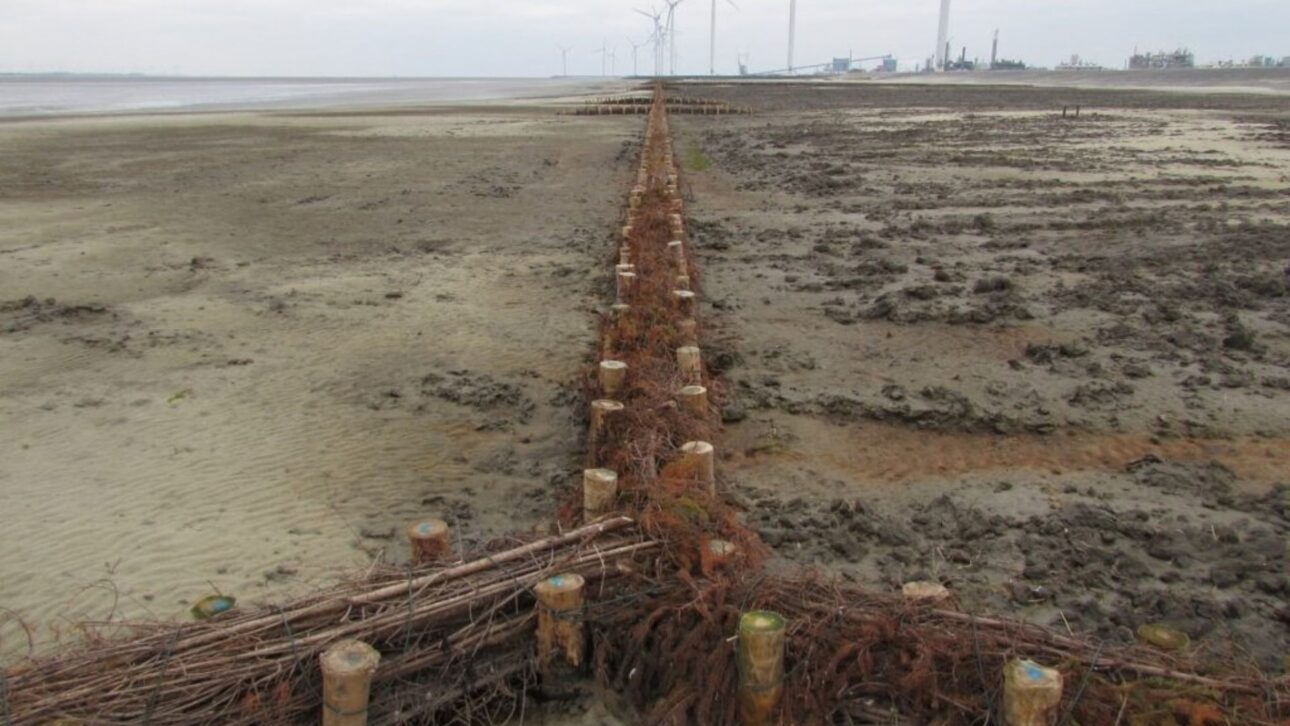
The study also notes that this enrichment was executed with deep mixing agricultural machinery and required operational adaptations, as areas with finer sediment lost strength and hindered machine progress during construction.
Land preparation also involved the incorporation of 35,000 cubic meters of clay soil, obtained from a deposit related to the expansion of a local port.
In some areas, the team had to remove some sand, replace it with finer sediment, and reshape the surface to allow machine circulation.
The goal was to alter a predominantly sandy bed and transform it into a substrate more favorable for rooting and growth of species typical of saline environments.
Seeding 1.35 Million Fragments of Salicornia
The most symbolic stage of the experiment involved salicornia.
According to the article published in the journal Nature‑Based Solutions, 13,500 plants were manually collected from a nearby salt marsh, kept over the winter, and then cut into fragments of about two centimeters.
This process generated approximately 1.35 million plant fragments, which were immersed in freshwater for three days and then manually spread across parts of compartments E, F, and G.
The seeding density used reached around 50 fragments per square meter, a strategy designed to accelerate plant colonization in an still unstable environment.
Scientific Monitoring and Evolution of the Salt Marsh

Field monitoring showed that the intervention produced a functional environment in a location where this was not occurring spontaneously.
The monitoring, conducted between November 2018 and September 2020, used drone with LiDAR, RTK-DGPS, sedimentation and erosion bars, and acoustic sensors for surface elevation to track flooding, erosion, sedimentation, relief, and tidal channel dynamics.
After two years, the study describes the pilot as a vigorous salt marsh with rapid establishment of pioneer vegetation and sufficient stability to support the natural evolution of the system.
Soil Rich in Sediments Boosts Vegetation
Technical data indicated that the fine sediment content was decisive for the biological performance of the restored area.
The scientific publication points out that compartments with higher mud content had higher vegetation cover and greater species richness than sandier sections.
Meanwhile, Salicornia seeding accelerated the beginning of colonization in the first growth cycle.
However, this initial effect lost statistical relevance after the first growing season, indicating that the type of soil had a more lasting impact than the initial intervention on germination.
Beyond the ecological dimension, the project established a practical reference for coastal protection based on nature-inspired solutions.
Royal HaskoningDHV states that salt marshes help reduce wave energy, capture sediments, and respond to the combined effects of subsidence and sea level rise.
EcoShape adds that the knowledge gained in Delfzijl can guide similar interventions in other port and delta areas, especially where traditional rigid structures are no longer responding alone to coastal protection challenges.






Sempre tem algum assunto bem interessante aqui
O problema é conseguir furar o bloqueio das dezenas de propagandas que atrapalham bastante a leitura
Total AFFF
Instalei o Adguard. Salvou meu celular.
DeizedeParaty…que gratificante..saber que ao invés de DESTRUIR a natureza, os BERÇARIOS MARINHOS…(vide os manguesais e costeiras continuamente concretados, DESTRUÍDOS aqui em PARATY RJ)…existam países que INVESTEM em CONTENÇÃO com PRESERVAÇÃO…Parabéns.
Na Holanda, têm os holandeses.
No brasil, os brasileiros …
Em Paraty, tem um projeto semelhante, para estabilizar a foz do Rio Matheus Nunes, um Guia Corrente Natural. Está em execução
NA FRANÇA TEM OS FRANCESES E OS TURISTAS