





 Portuguese
  English
  Spanish
  5 min of reading
  0 comments


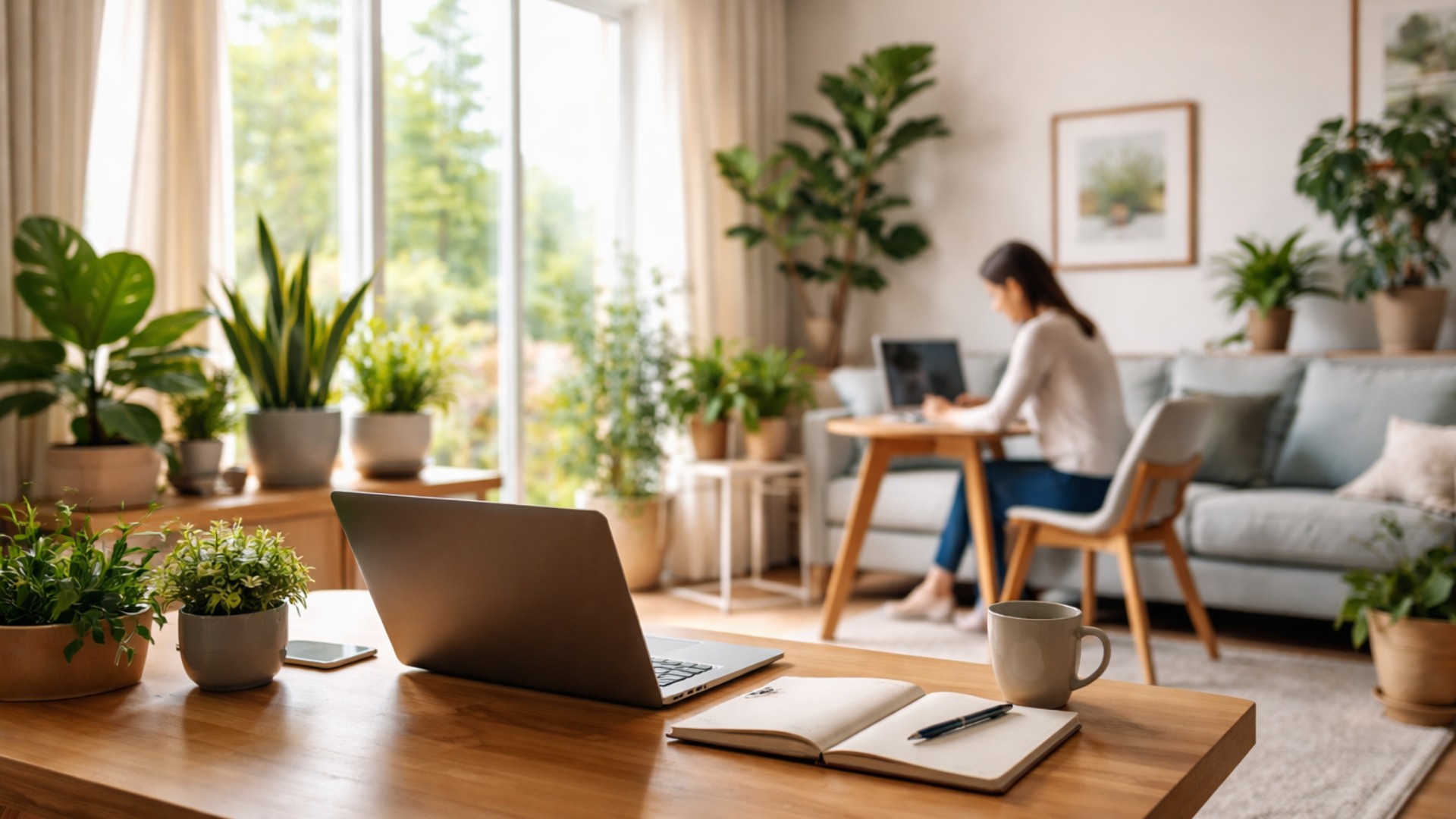
Domestic spaces shape mood, focus, and sleep throughout the day, with direct influence from light, organization, nature, and sensory stimuli on the human brain and daily behavior.
The way a house is lit, organized, and occupied directly affects brain function, influencing mood, attention, sleep quality, and overall sense of well-being in daily life.
In this context, the scientific literature on the built environment and health indicates that factors such as natural light, presence of vegetation, thermal comfort, noise level, and organization are not merely aesthetic: they continuously act as stimuli on body and mind.
Natural light and circadian rhythm
Among all these elements, light occupies a central position in regulating the circadian rhythm, responsible for organizing biological cycles of approximately 24 hours that affect sleep, wakefulness, mood, hormonal secretion, and cognitive performance throughout the day.
-
A Brazilian millionaire couple restores a farm over 150 years old in the interior of São Paulo and transforms the historic property with Portuguese tiles, antique furniture, and new spaces into a refuge that blends tradition, comfort, and sophistication.

-
Submerged city in a lake in Minas reveals intact streets, preserved vehicles, and houses after more than 60 years, impressing divers.

-
Yellowstone has started to rise again in an area of the caldera, and the movement rekindles fears surrounding the U.S. supervolcano, as scientists monitor the deformation and try to understand what is happening underground.

-
Woman arrested after receiving $1.2 million due to banking error and not returning the amount.


Based on recent studies, environments with adequate access to natural light tend to promote better sleep quality, greater vitality, and more efficient performance in daily activities, especially in routines that require concentration and regularity.
In practice, therefore, it is not just about having windows, but about considering solar incidence, orientation of spaces, and times of exposure to light throughout the routine inside the house.
In research with office workers, individuals exposed to natural light during working hours reported better quality of life, as well as more consistent sleep patterns compared to those who remained in closed environments without direct natural lighting.
Additionally, there was a tendency for longer sleep duration and higher levels of physical activity among those who had frequent contact with natural light during the day.
Although the presence of light is essential, excess or inadequate distribution can cause visual discomfort, eye strain, and even irritation, showing that the balance between intensity and direction of lighting is crucial for comfort.
In this scenario, artificial light serves as an important complement, especially during nighttime or in environments with little solar incidence, requiring attention to the intensity and type of lighting used.
Research indicates that different color temperatures directly influence alertness, with cooler and more intense lights tending to favor focus and attention, although prolonged use may increase the feeling of fatigue throughout the day.
Colors, space, and perception of the environment
In addition to lighting, the brain constantly responds to the visual characteristics of the space, interpreting elements such as colors, proportions, and dimensions in a way that directly impacts the emotional experience within the environment.
Studies in environmental psychology and neuroarchitecture show that spacious environments with a greater sense of height stimulate more abstract and creative thinking, while smaller spaces favor focus on details and more specific tasks.
This perception, however, is not universal, as the way each individual interprets the environment depends on subjective factors, previous experiences, and the context of space use.
In the realm of colors, the influence also occurs significantly, as different color combinations alter the perception of comfort, warmth, and even energy of the environment.
Thus, the choice of colors directly affects the emotional reading of the space, potentially making it more stimulating, neutral, or relaxing, depending on the adopted composition.
Plants and natural elements reduce stress
Alongside visual aspects, the presence of natural elements inside the home has been associated with consistent benefits for mental health and emotional balance.
A systematic review on indoor plants indicates that, in general, these elements positively contribute to physiological, cognitive, and emotional functions, reinforcing their relevance in daily life.
In work environments, studies observed an increase of up to 15% in productivity after the introduction of plants in spaces previously considered sterile or uninviting.
Experimental results also show that tasks performed in environments with vegetation yield better performance, including reduced reaction time and lower stress perception among participants.
Even simple interventions, such as the inclusion of pots or natural materials, have already shown a positive impact on how the environment is perceived and experienced.
In this sense, wood, organic textures, and visual references to nature serve as elements that soften the rigidity of closed spaces and contribute to a more balanced experience.
Clutter, noise, and mental overload
On the other hand, disorganized environments or those with excessive stimuli tend to generate opposite effects, acting as constant sources of cognitive overload and mental fatigue.
Studies indicate that homes with high levels of clutter, noise, inadequate lighting, and overcrowding are associated with greater stress and difficulties in concentration.
In research with children and adolescents, domestic disorganization was related to poorer cognitive outcomes, as well as lower self-regulation capacity and more challenges in socio-emotional development.
Although these results cannot be generalized to all contexts, they help to understand why chaotic environments can intensify the feeling of mental fatigue.
When there is an excess of visual and auditory information, the brain has to work harder to filter stimuli, which increases cognitive effort and reduces attention efficiency.
In contrast, organized spaces with less interference tend to favor mental clarity and better performance in activities that require focus.
Another relevant factor is thermal comfort, as inadequate temperatures inside the home can directly impact mood and disposition.
In this aspect, environments with balanced temperature are associated with better mental health conditions and overall well-being, reinforcing the importance of thermal adjustment in daily life.
Individuality and adaptation of spaces
Despite consistent evidence, the way each person reacts to the environment varies according to individual characteristics, routine, and sensitivity to external stimuli.
Differences in age, habits, type of activity, and personal preferences directly influence how light, colors, noise, and organization are perceived.
Thus, an environment considered ideal for one person may not produce the same effect on another, highlighting the importance of individual adaptation of spaces.
Still, some principles appear consistently in studies on healthy environments and well-being.
In general, more balanced spaces tend to combine access to natural light, noise control, adequate ventilation, comfortable temperature, and organization compatible with the routine.
In addition to these factors, elements that reinforce identity and belonging, such as photos and personal objects, help create an emotional connection with the environment, making it more welcoming and functional in daily life.







Seja o primeiro a reagir!