





 Portuguese
  English
  Spanish
  4 min of reading
  0 comments


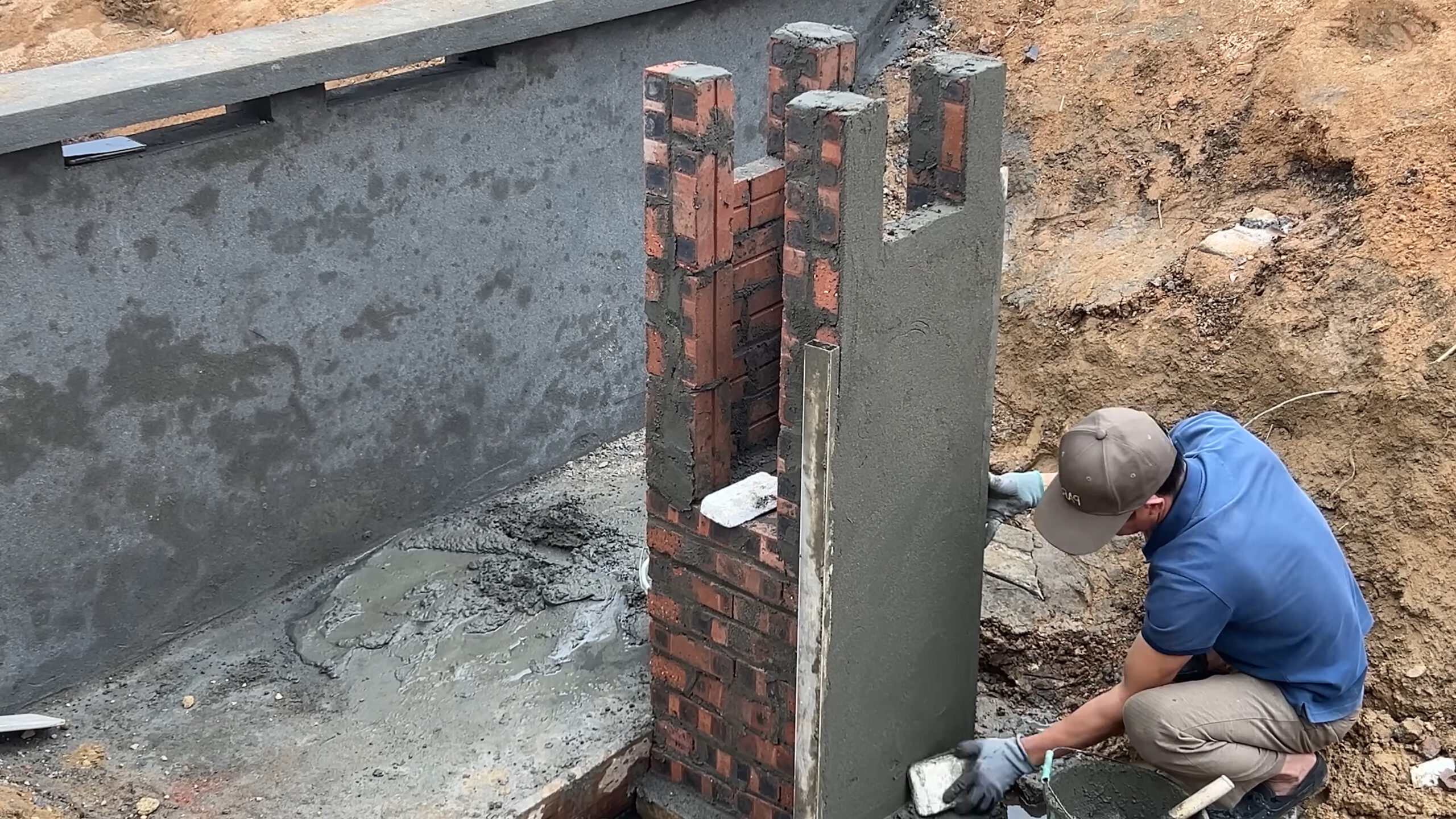
Canal Man Mini Constructions Builds Mini Hydroelectric Plant From Scratch, Generates Energy at 220 V with Exclusive Turbine, and Gains Total Independence Off the Power Grid.
The scene seems simple at first glance: a small watercourse manually excavated, bricks laid one by one, concrete molded by hand, and reused parts taking on a new function. But what emerges from this artisanal work is something much larger. A man built, practically from scratch, a mini hydroelectric plant capable of generating energy at 220 volts, sufficient to power electrical equipment and ensure total independence off the conventional power grid.
The project draws attention not only for the final result but also for the method. No industrial machines or large investments. The system was designed to operate at low cost, taking advantage of the natural slope of the land and the constant force of the water.
The Base of the Mini Hydroelectric Plant Starts with Water Control
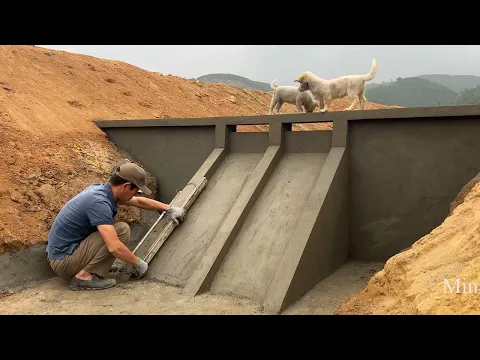
Every hydroelectric generation starts with a simple principle: flow control. In the initial images, you can see the construction of a small channel and a containment structure made of bricks and concrete, forming a kind of micro-dam. This step is crucial as it ensures that the water reaches the turbine with sufficient pressure and relatively constant flow.
-
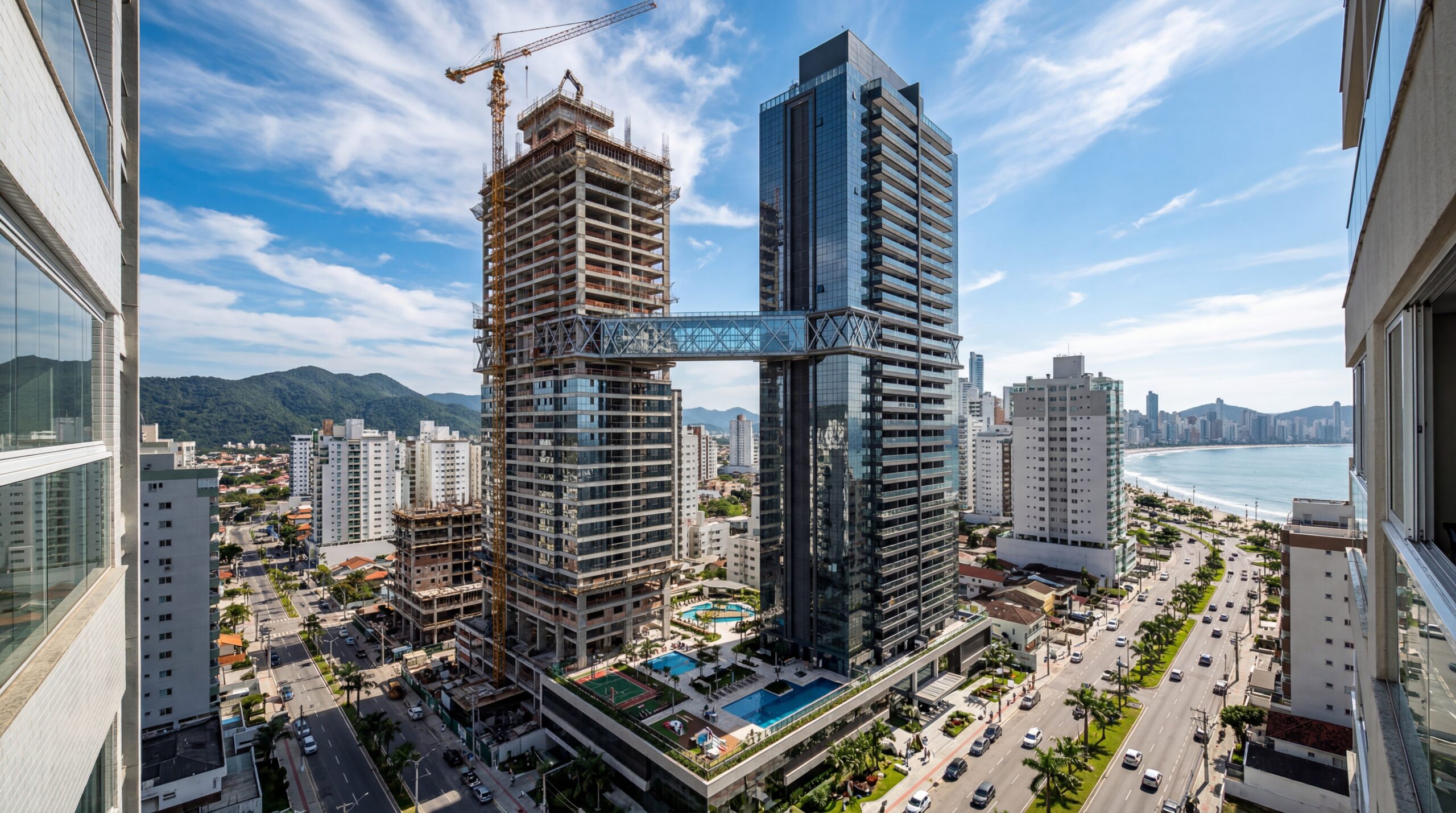
With 55 floors, 177 meters in height, a 15-meter walkway between the twin towers, ventilated facade, and 6,300 m² of leisure space, Ápice Towers already has one tower completed and another nearly at the top.
-
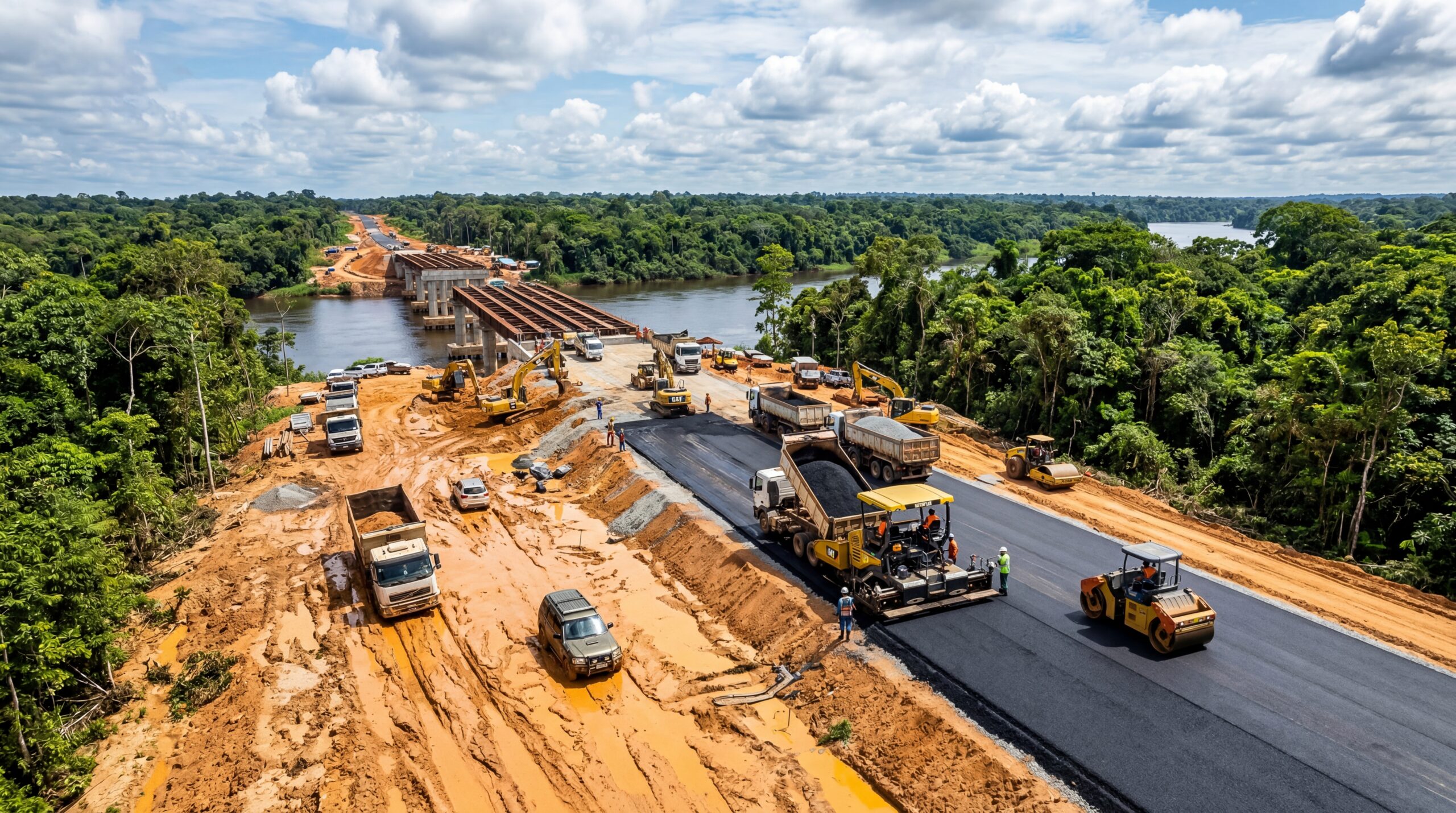
After nearly 50 years of neglect, BR-319 receives R$ 678 million to pave 340 km, gain a 320-meter bridge, and try to lift Amazonas out of the mud, the quagmire, and road isolation.
-
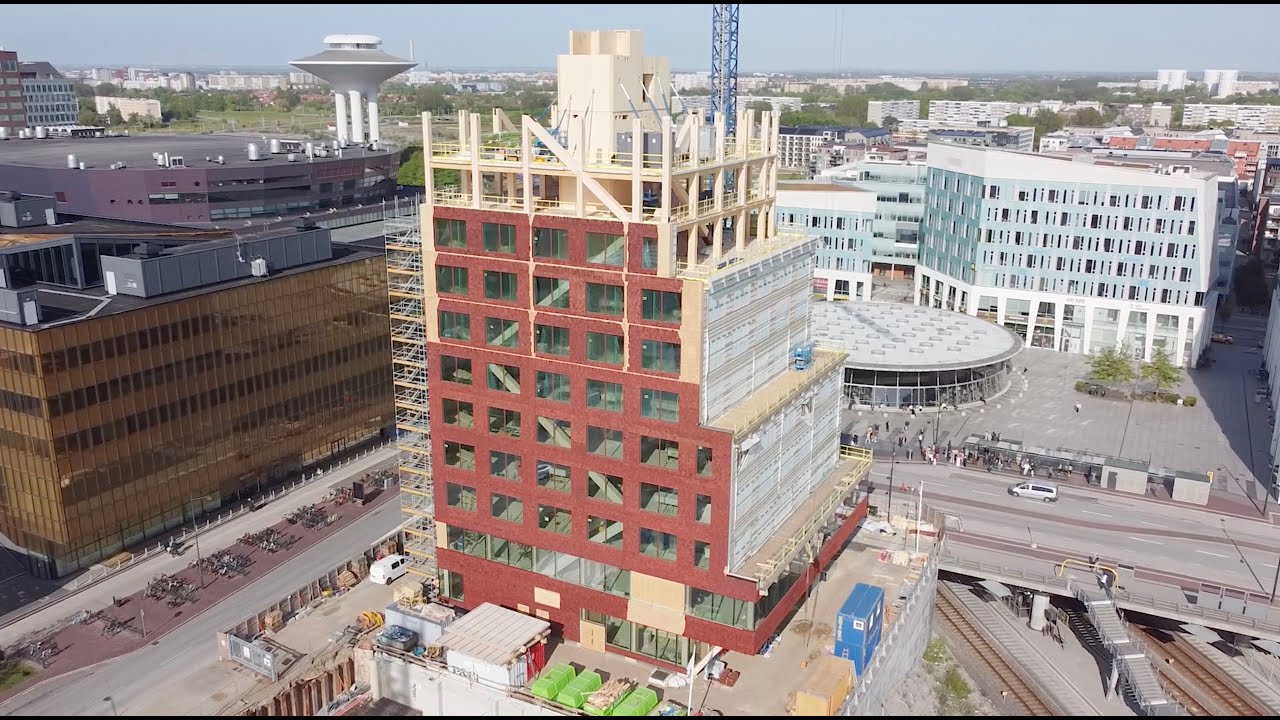
In Sweden, a 51-meter tower was built almost entirely of wood, without a concrete structural core and with solar panels integrated into the facade, using CLT and laminated beams to challenge the dominance of steel and concrete in modern buildings.
-
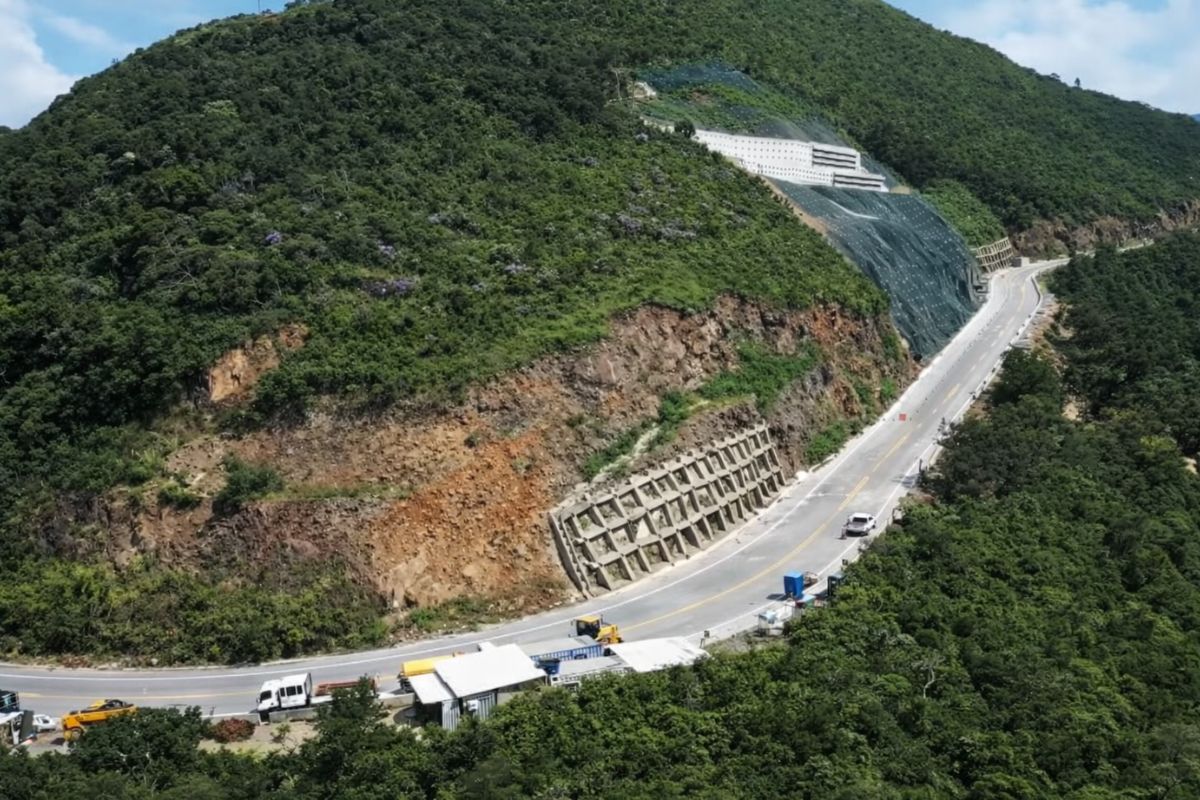
The section of Serra da Rocinha on BR-285 is now open in Timbé do Sul: 50 m tensioned curtains and top-down technique stabilize the slope, with a stairway duct controlling the water.


The builder creates a directed path for the water, reducing losses and preventing uncontrolled erosion. The well-leveled side walls indicate structural concern and durability, even for a small-scale project.
Concrete Structure Ensures Stability and Durability
Unlike improvised projects, the mini plant uses reinforced concrete and masonry walls, which significantly increases the lifespan of the system. The images show the careful finishing of surfaces, with well-applied plaster and reinforced corners.

This structure serves not only to hold the water but also to secure the turbine assembly, preventing excessive vibrations and misalignment of the shaft — a common problem in homemade projects that end up reducing the efficiency of electricity generation.

Exclusive Turbine Transforms Water Force into Real Energy
The heart of the system is the exclusive hydroelectric turbine, installed at the center of the structure. By its shape and positioning, it indicates a turbine model adapted for low water drop, possibly of the cross-flow type or similar to a modified Pelton turbine.

Water enters forcefully, spins the metal rotor, and converts kinetic energy into continuous mechanical motion. This motion is transferred to the generator, responsible for producing electricity in alternating current.
Even as an artisanal project, the turbine demonstrates sufficient efficiency to maintain stable generation, an essential factor for anyone wishing to live off the power grid.
Energy Generation at 220 V Impresses with Technical Level
One of the most impressive points of the project is the output voltage of 220 volts, a standard used in several countries for household appliances and electric tools.
This indicates that the system not only generates raw energy but also undergoes some kind of electrical regulation, whether through transformers, charge controllers, or adapted inverters.
In the final images, it is possible to see the energy being used to power common equipment, such as fans and lamps, proving that the generated electricity is not just experimental, but functional and usable on a daily basis.
Simple System, but Enough to Live Off the Power Grid
Although it does not have the power to supply a city, the mini plant perfectly fulfills its role: ensuring personal energy autonomy. For those living in rural areas, far from urban centers, or simply seeking independence from utility companies, this kind of solution becomes extremely attractive.
The system operates continuously, day and night, as long as there is water flow. Unlike solar energy, it does not depend on the sun. Unlike wind energy, it does not depend on the wind. The constancy of water ensures predictability and stability.
Low Cost and Reuse Make the Project Even More Relevant
Another strong point of the project is its low implementation cost. Common bricks, manually prepared concrete, reused metal tubes, and simple electrical components show that significant investment is not necessary to generate clean energy.
This type of initiative directly aligns with modern concepts of sustainability, energy autonomy, and even survival outside traditional infrastructure.
Homemade Mini Hydroelectric Plant Draws Attention Online
Projects like this go viral because they combine three powerful elements: practical engineering, self-sufficiency, and simplicity.

The images show that with basic knowledge, planning, and physical effort, it is possible to build a functional energy solution, without relying on large companies or inaccessible technologies.
More than just generating energy, the project proves that engineering can be accessible, adaptable, and extremely efficient when applied intelligently.
A Real Example of Clean, Decentralized, and Functional Energy
In times of ever-increasing electricity bills and debates on sustainability, the mini hydroelectric plant built from scratch emerges as a concrete example of a viable alternative.

It is not just a technical curiosity, but a real demonstration that it is possible to live independently off the power grid, using only natural resources and human ingenuity.
And you, would you have the courage — or curiosity — to build your own energy source using just water, concrete, and creativity?






-

-

-

-

-

-

9 pessoas reagiram a isso.