





 Portuguese
  English
  Spanish
  4 min of reading
  0 comments


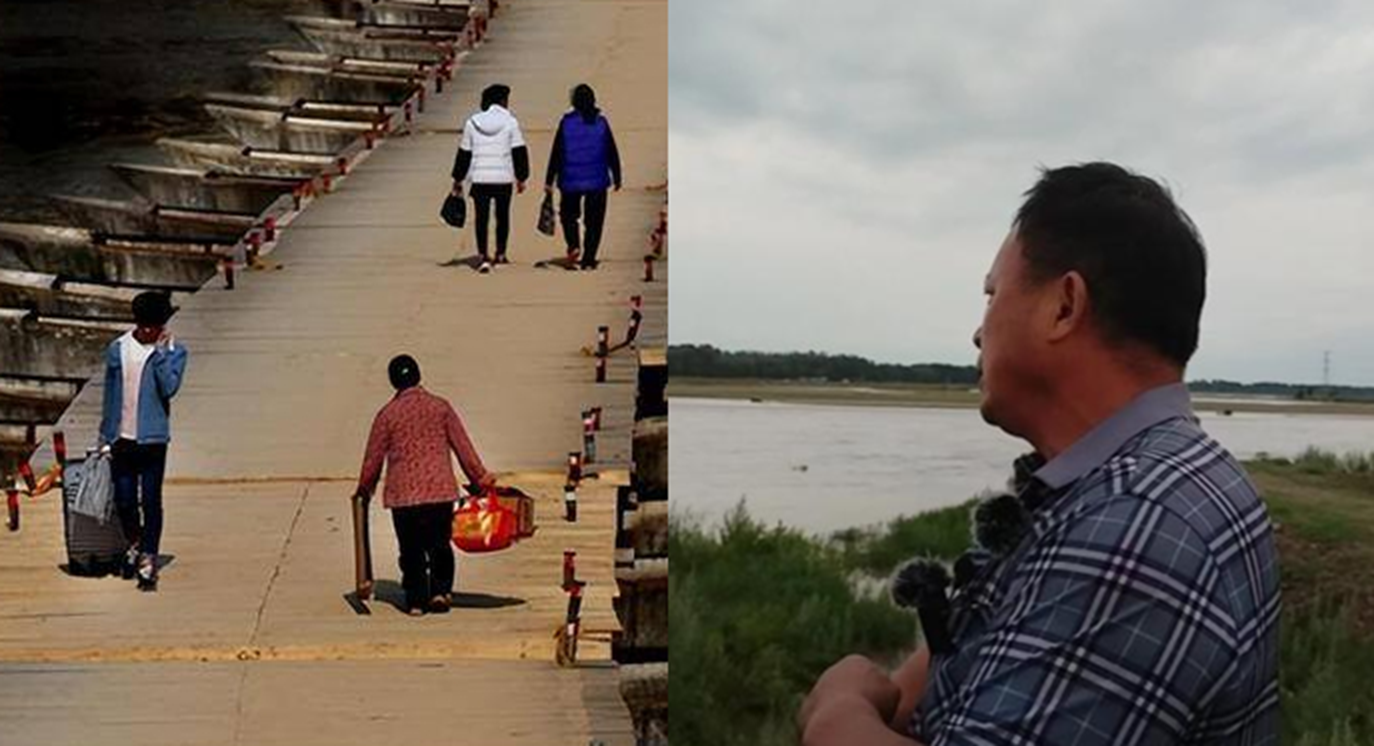
Infrastructure Is Essential To Connect Isolated Communities, But Alternative Solutions Are Not Always Well Received. In China, A Resident Decided To Build, With His Own Money, A Floating Bridge To Help His Village, But Ended Up Facing Fines And Even Jail Time For Not Having Official Authorization.
Before 2005, Zhenlin Village, in Jilin Province, in northern China, was isolated by the Taoer River. Residents had to travel about 70 kilometers to the nearest bridge, making daily commuting a major challenge.
The village relied on fishing and agriculture, but limited access made trade and the pursuit of basic services, such as health and education, difficult.
The situation began to change when Huang Deyi, one of the most active residents of the village, decided to build an improvised bridge.
-
Created by George Lucas with over $1 billion, a futuristic museum in the shape of a spaceship with 1,500 curved panels is about to open in Los Angeles and will house one of the largest private collections of narrative art in the world.

-
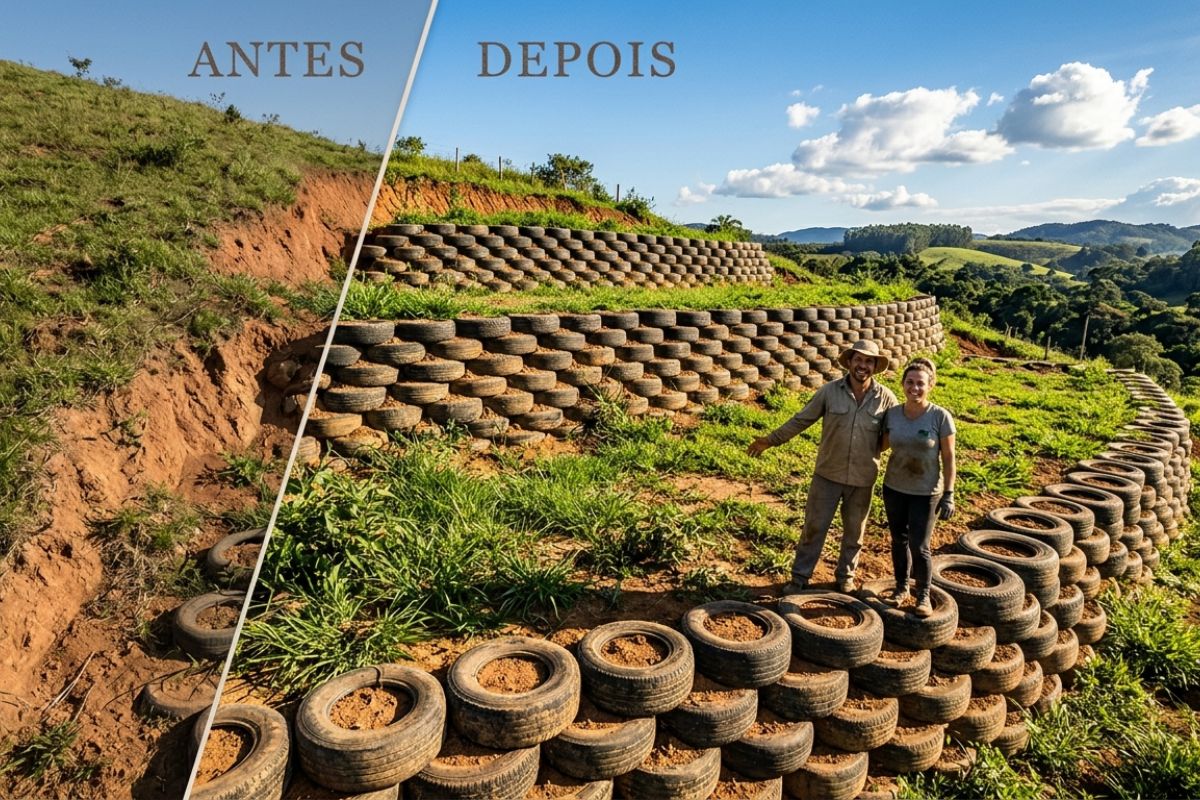
Couple shows how they built a retaining wall on their property using 400 old tires: sloped land turned into plateaus, tires are aligned, filled, and compacted with layers of soil, with grass helping in support and at almost zero cost.
-
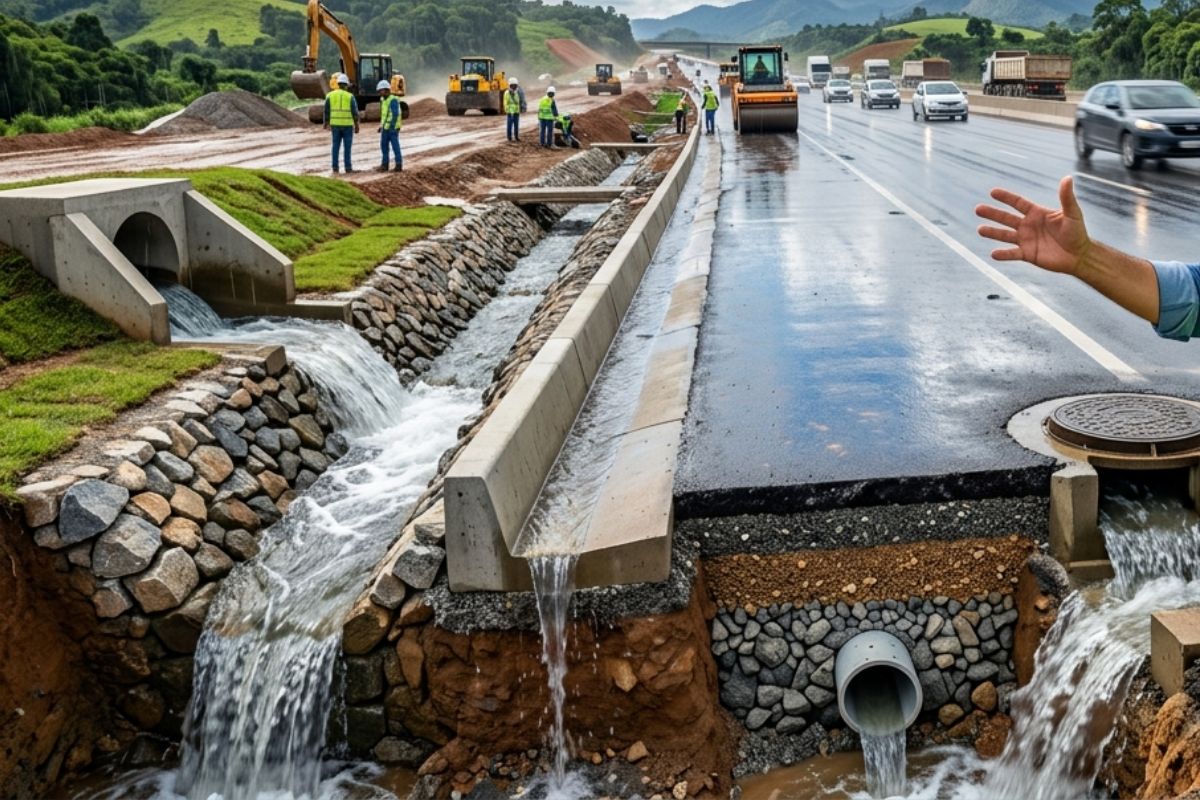
Engineer explains drainage during the rainy season: the difference between surface water and deep water, ditches, gutters, and water outlets on the road, as well as drains and drainage mattresses, to prevent erosion, aquaplaning, and flooding at the construction site today.
-
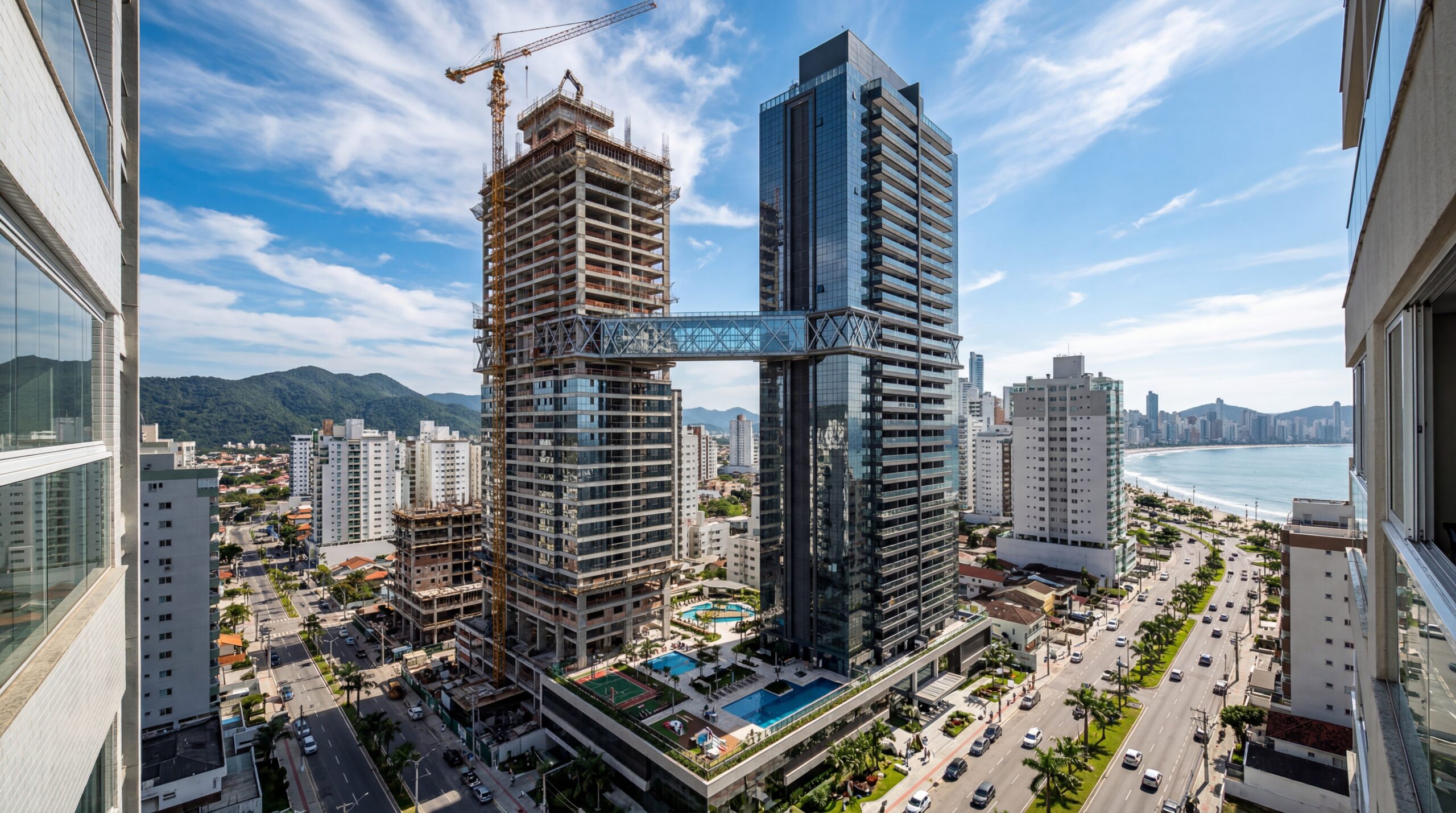
With 55 floors, 177 meters in height, a 15-meter walkway between the twin towers, ventilated facade, and 6,300 m² of leisure space, Ápice Towers already has one tower completed and another nearly at the top.

He operated a small ferry to help residents cross the river, but realized that crossing was still slow and limited.
Determined to improve the community’s life, Huang decided to take a bigger initiative. Using his own resources, he built a rudimentary floating bridge that quickly became essential for the locals.
The structure was well received by the population. Instead of traveling long distances, residents could pay a small toll to cross the bridge, ensuring faster and more efficient travel.
The cost was much lower than the expense of fuel and time to use the official bridge.
Over time, the new crossing became a key part of everyday life in the village, facilitating the transport of goods and allowing more people to access jobs in other cities.

Expansion And Issues With Authorities
Business thrived, and in 2014, Huang, along with 17 other residents, reinforced the structure.
They welded 13 metal boats to increase capacity, allowing heavy vehicles to pass. With the improvement, the flow of people and goods increased significantly.
Small traders began using the bridge to bring their products to larger markets, strengthening the local economy.
However, in 2018, the Taonan Water Affairs Authority intervened.
They ordered the removal of the bridge and accused Huang of illegally profiting from the structure. The decision sparked outrage among residents, who feared returning to isolation and losing the convenience gained in recent years.
The removal of the bridge did not end the case. In 2019, Huang and some family members were detained.
Authorities claimed he had collected 44,000 yuan (US$ 6,200) in tolls between 2014 and 2018. An investigation revealed that, since 2005, the total charged had exceeded 52,000 yuan (US$ 7,300).
As a consequence, he was sentenced to two years in prison and two more years of probation.

Defense Attempt And Legal Appeal
Huang did not deny that the bridge did not have official authorization. He claimed that the purpose was only to help the community.
Regarding the charges, he stated that the amount cited was exaggerated and that construction costs exceeded 130,000 yuan (US$ 18,300). In addition, he highlighted that the toll was a way to keep the bridge in good condition, covering maintenance and safety expenses.
The first appeal was denied by the court in 2021. He appealed again in June 2023 to the Baicheng Intermediate People’s Court. The case is still under review.
Meanwhile, the story gained significant attention on Chinese social media. The debate became polarized. On one side, some argue that Huang and his family profited improperly. Others defend that he provided an essential service, given the inaction of authorities.
A Weibo user commented: “There Would Be No Room For Huang To Profit If There Were Already A Bridge In Place”. Others pointed out that residents preferred to pay the toll than face a much longer journey.
On the other hand, some questioned the safety of the structure. Some internet users asked who would be responsible in case of an accident.
After the controversy, authorities promised to build an official bridge closer to Zhenlin Village. So far, however, the project has not materialized, and there has been no further update on the case.
In the meantime, residents continue to face difficulties crossing the river, awaiting a definitive solution.
Bridge Rebuilt In Brazil Withstands The Rains
While Huang faces issues in China, in Brazil, a similar situation had a different outcome. In Nova Roma do Sul, in the Serra Gaúcha, residents celebrate the resilience of a bridge built with their own resources.
The structure was washed away by a flood in September 2023. Without government support, the community organized to rebuild it.
The construction was completed in 138 days, being reopened in January 2024. The project was funded by donations raised by the Nova Roma Friends Association.
Heleno Pasuch, treasurer of the association, explained that the new bridge was built 1.70 meters above the previous one. This detail made all the difference: despite the heavy rains recently, the structure remained intact.
On May 1st of last year, the city was again hit by storms. Even so, the bridge stood firm, reinforcing the value of grassroots initiatives in rebuilding essential infrastructures.









-

-

3 pessoas reagiram a isso.