





 Portuguese
  English
  Spanish
  3 min of reading
  0 comments


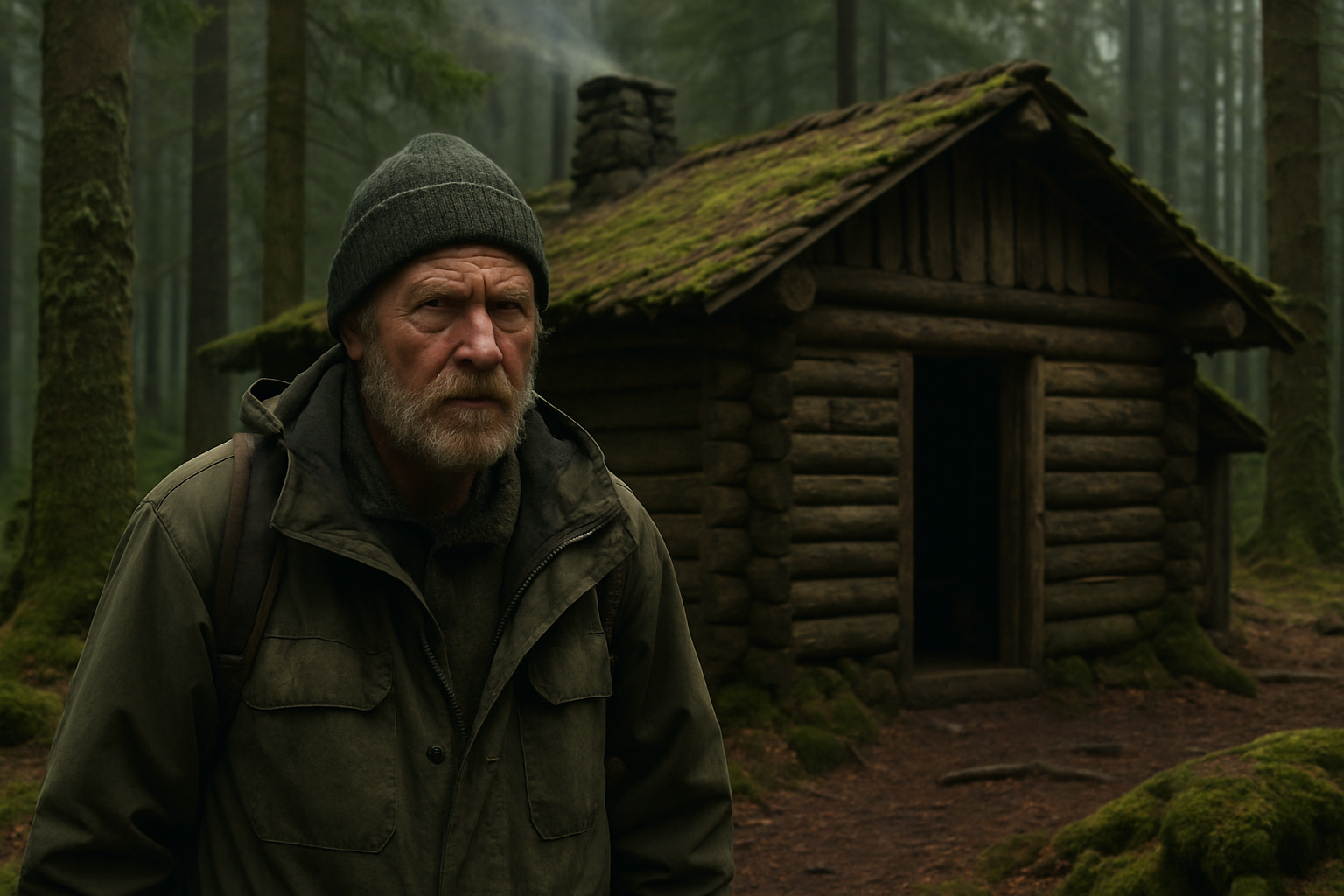
The Case Reveals How Extreme Isolation in a Remote Area Involves Climatic Challenges, Rigid Routines, and Continuous Emotional Effects
A recent case recorded in 2024, in which a man was identified living completely isolated in a hidden cabin in a remote forest in Scotland, gained national attention and raised discussions about life away from society. The episode, initially observed by locals and analyzed by specialists in natural environments, shows how living far from society demands intense adaptation, especially in regions marked by severe weather and preserved vegetation. According to nearby residents, the discovery occurred in early January 2024, when hikers noticed unusual movement. From this point, questions arose about the motivations and emotional impacts of this lifestyle.
As reported by scholars of human behavior, choices for deep isolation typically involve a quest for tranquility, a need for self-sufficiency, and a desire to break away from the urban environment. This is why, the case sparked debates about privacy, survival, and mental health in extreme environments.
Why Would Someone Decide to Live Isolated in a Scottish Forest
Moreover, choosing to live away from others can stem from various motivations, such as a desire for tranquility, rejection of excessive stimuli, and appreciation for a simple life. As indicated by wildlife researchers, Scotland houses vast preserved areas that become a refuge for those seeking absolute silence. Thus, both adventurers and individuals seeking a fresh start find in these locations an environment conducive to retreat.
-
A Mercado Livre customer opened their package and found 32 resumes of people looking for jobs crumpled as protective paper inside the box, exposing names, addresses, documents, and phone numbers of dozens of candidates.

-
Iceberg A23a, one of the largest in the world, is undergoing accelerated collapse and may disappear: what explains the end of the ice giant?

-
The simplest swap at home can reduce energy consumption by up to 90% without changing habits, using a technology that lasts up to 25 times longer and consumes only a fraction of the electricity.

-
With over 14 million baskets of earth moved, an ancient North American metropolis built a monumental pyramid of 30 meters and established a city with 20,000 inhabitants nearly a thousand years ago.


Even so, stories of voluntary isolation also highlight significant psychological challenges, as prolonged absence of human contact increases emotional vulnerabilities. Thus, even when there is a sense of freedom, risks of loneliness and anxiety emerge.
Daily Survival Challenges in a Remote Cabin
Consequently, staying in a cabin in the Scottish forest requires specific skills and practical strategies. Among these strategies, the following stand out:
- Collecting water from natural sources, crucial in areas without infrastructure.
- Heating with firewood, essential due to low temperatures.
- Natural protection techniques against animals and insects, necessary for basic safety.
Additionally, the harsh winter reduces resources and makes help distant. Therefore, constant planning becomes essential to maintain adequate food supply, physical preparation, and mental health. This is why, specialists remind us that stocking durable food helps to face sudden climate changes.
WORLD: Man seen living in isolated cabin in the middle of the forest, in Scotland.
pic.twitter.com/zQzdlv3Rup— CHOQUEI (@choquei) July 7, 2025
Psychological Impacts of Extreme Isolation
According to researchers of human behavior, long periods without social interaction change temporal and emotional perception. Thus, while self-sufficiency is strengthened, episodes of intensified loneliness may occur. Eventually, accounts from people who have lived in Scottish forests point to risks of anxiety and difficulty in social reintegration. Therefore, emotional balance becomes a central element of this experience.
Daily Routine: Constant Adaptation and Organization
In daily life, residents of remote cabins establish defined routines to ensure survival. Among these routines, are:
- Frequent fire preparation, used for heating and food preparation.
- Continuous checking of tools, important for keeping the cabin safe.
- Daily exploration of the surroundings, necessary to find natural resources.
Additionally, many alternate manual tasks with moments of contemplation. However, long periods without structured activities reduce well-being and reinforce the sensation of time standing still. Thus, maintaining daily discipline is essential.
Key Learnings from This Type of Life
In light of this, the case reinforces that extreme isolation requires physical and mental self-sufficiency. Moreover, Scottish forests have a harsh climate, which increases daily challenges. Finally, the pursuit of tranquility and natural connection demands constant resilience to preserve health and well-being.
Given this scenario, what do you believe carries more weight for those who choose to live this way: the search for absolute freedom or the emotional challenges imposed by deep loneliness?






-

-

5 pessoas reagiram a isso.