





 Portuguese
  English
  Spanish
  6 min of reading
  0 comments



The Honda CG, The Best-Selling Motorcycle in Brazil, Was The First Ethanol Motorcycle in The World, Had Pelé as The Face of The Brand, Went Through Kia, and Today, With The CG 160 2026, Remains Strong in Price, Autonomy, and Economy Against Popular Rivals.
Have you heard that the Honda CG was the first ethanol motorcycle in the world and yet continues to reign as a reference for affordable motorcycles in Brazil? It may seem exaggerated… until you put the pieces together: oil crisis, Proálcool, a bold project on two wheels, and a lineage that became a market standard.
And the most curious thing is that in 2026, the “new Honda motorcycle” from the CG family (the CG 160 line) is the best-selling motorcycle in Brazil, still giving trouble to rivals when it comes to cost per km and autonomy.
Brazil Put The CG on The Map: The First Ethanol Motorcycle in The World Was Born From The Hands of Brazilians in 1981
The historic turning point came early. Still in its first generation, in 1981, the CG became the first ethanol motorcycle in the world. Yes: even before “flex” became common talk, Honda was already testing Brazilian reality with an ethanol motorcycle on the streets, riding the Proálcool wave and the fuel crisis.
-
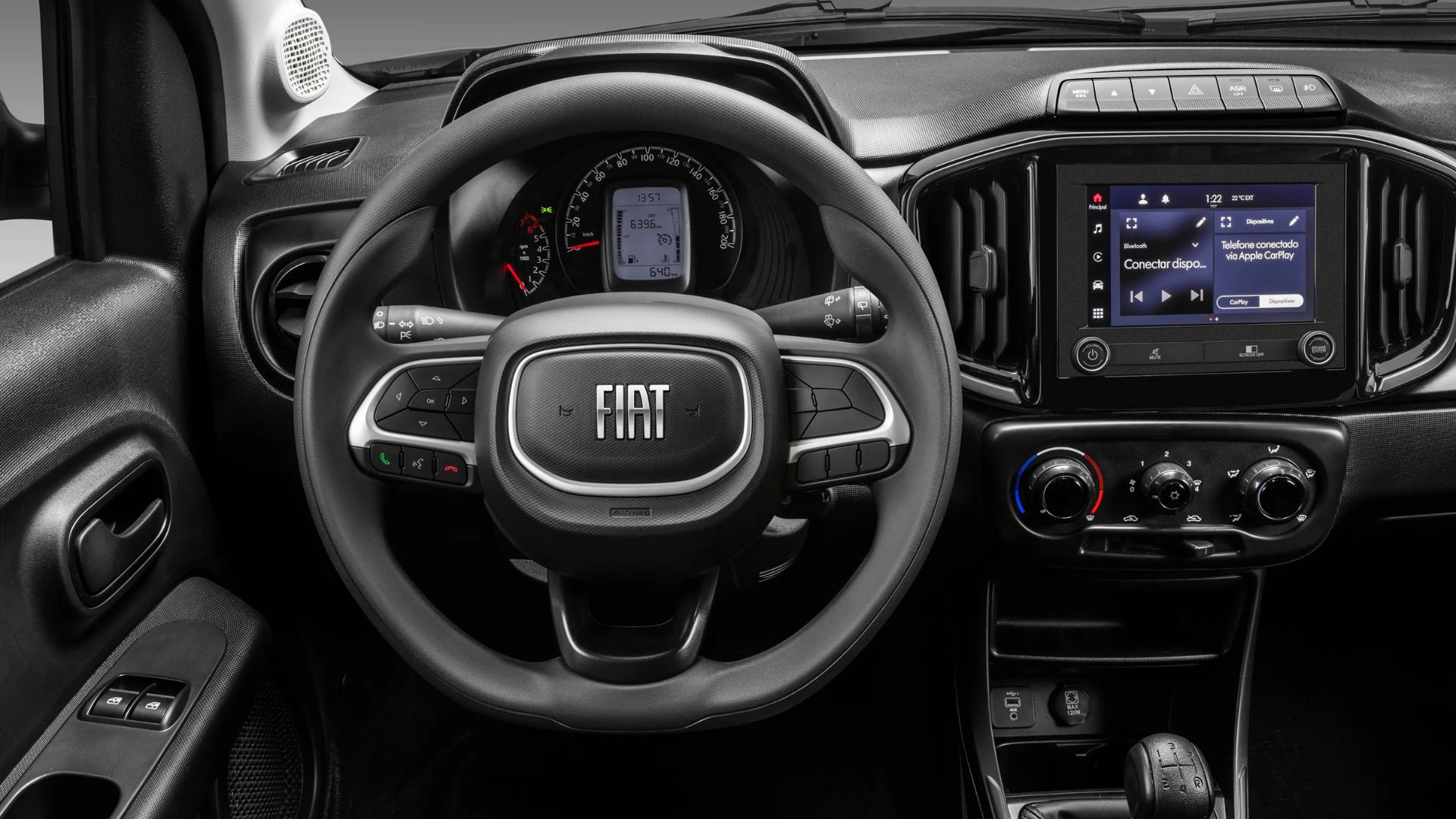
With a 1.0 engine producing 75 hp and costing less than R$ 70,000, Fiat’s car returns to the podium as the cheapest in the country; a temporary promotion for the 2026 Like version reduces the price of the Fiat Mobi.
-
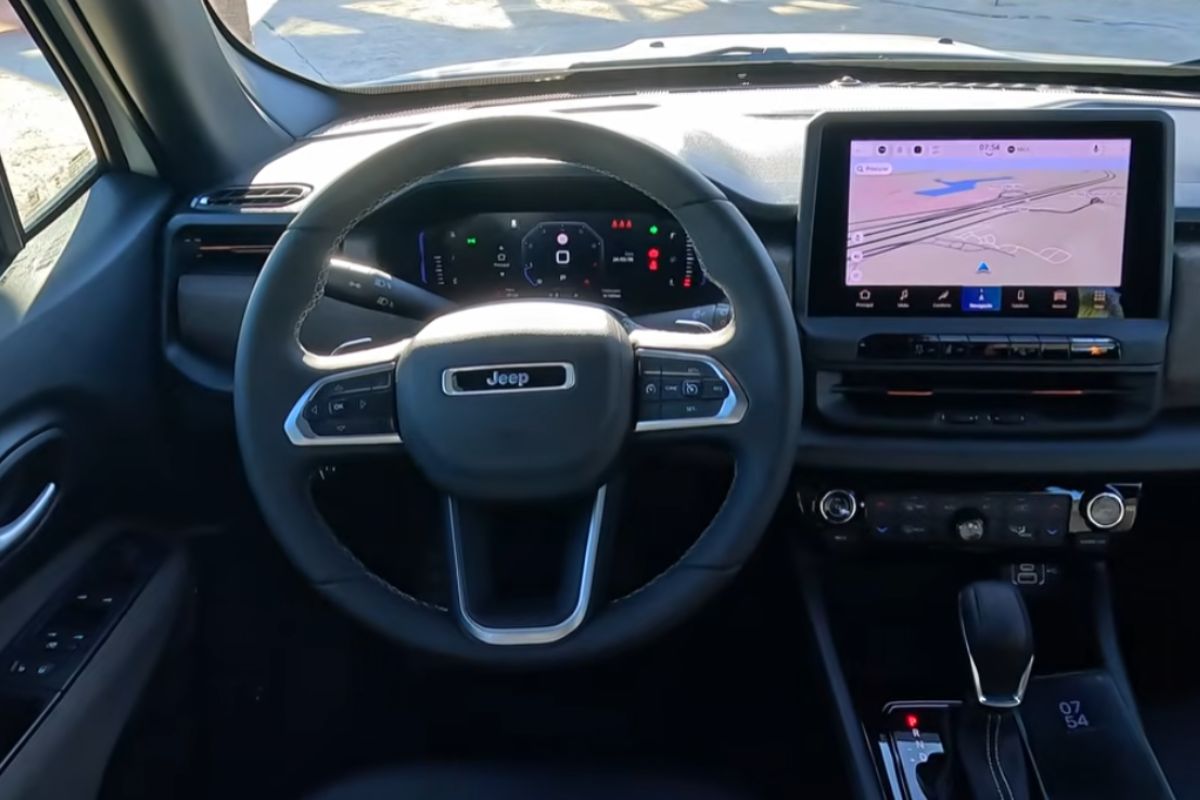
With a mild hybrid system of 48 V, 176 hp and a price of R$ 175,990 in the Sahara version, the new Jeep Renegade changes mostly on the inside, improves slightly in fuel consumption, and remains almost the same car.
-
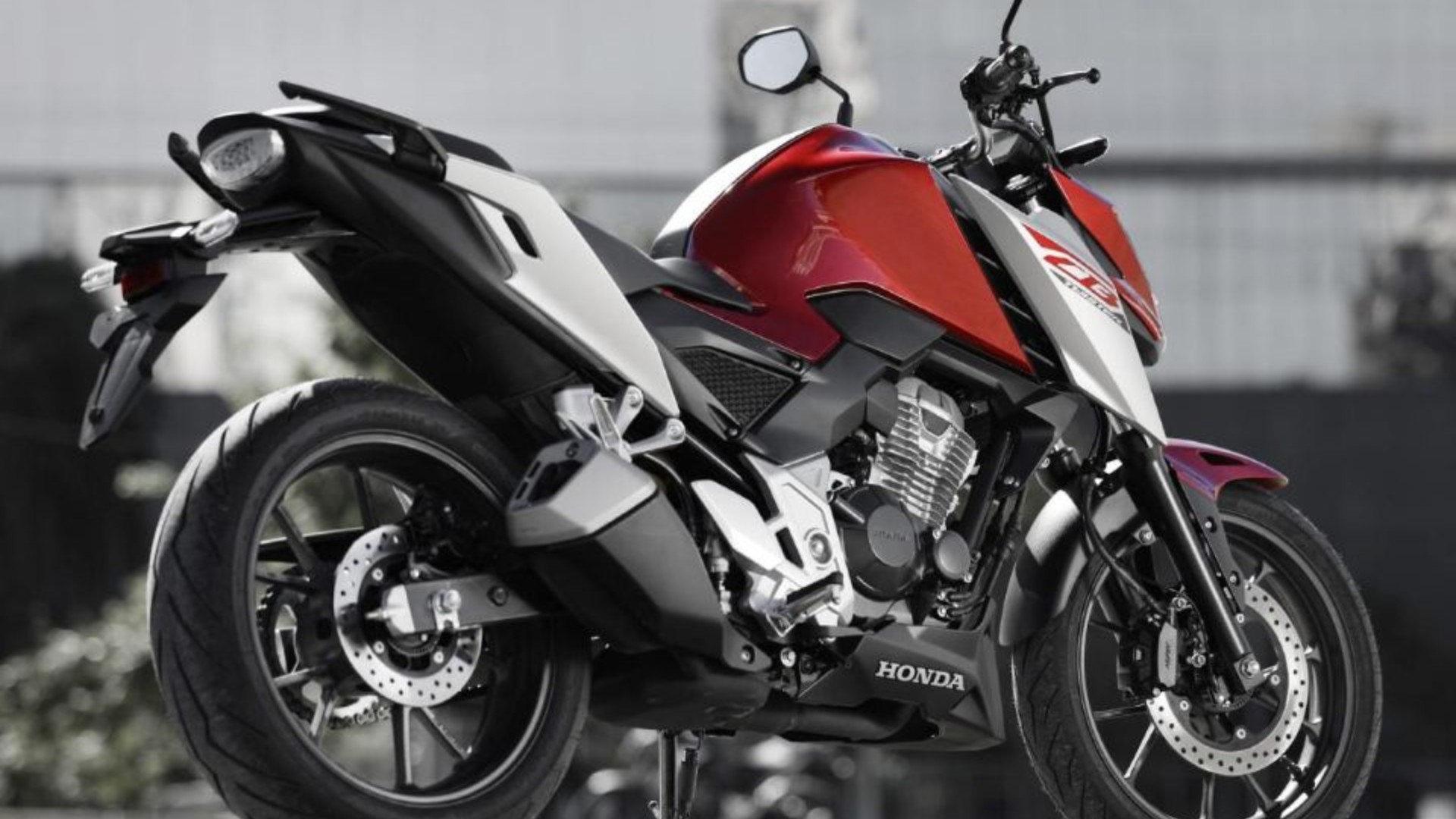
With a 293.5 cm³ engine and a range of up to 400 km with a 14.1-liter tank, the Honda CB 300F Twister 2026 has up to 24.7 hp, an initial price of R$ 25,150, and already exceeds R$ 29,000 in the Fipe Table.
-
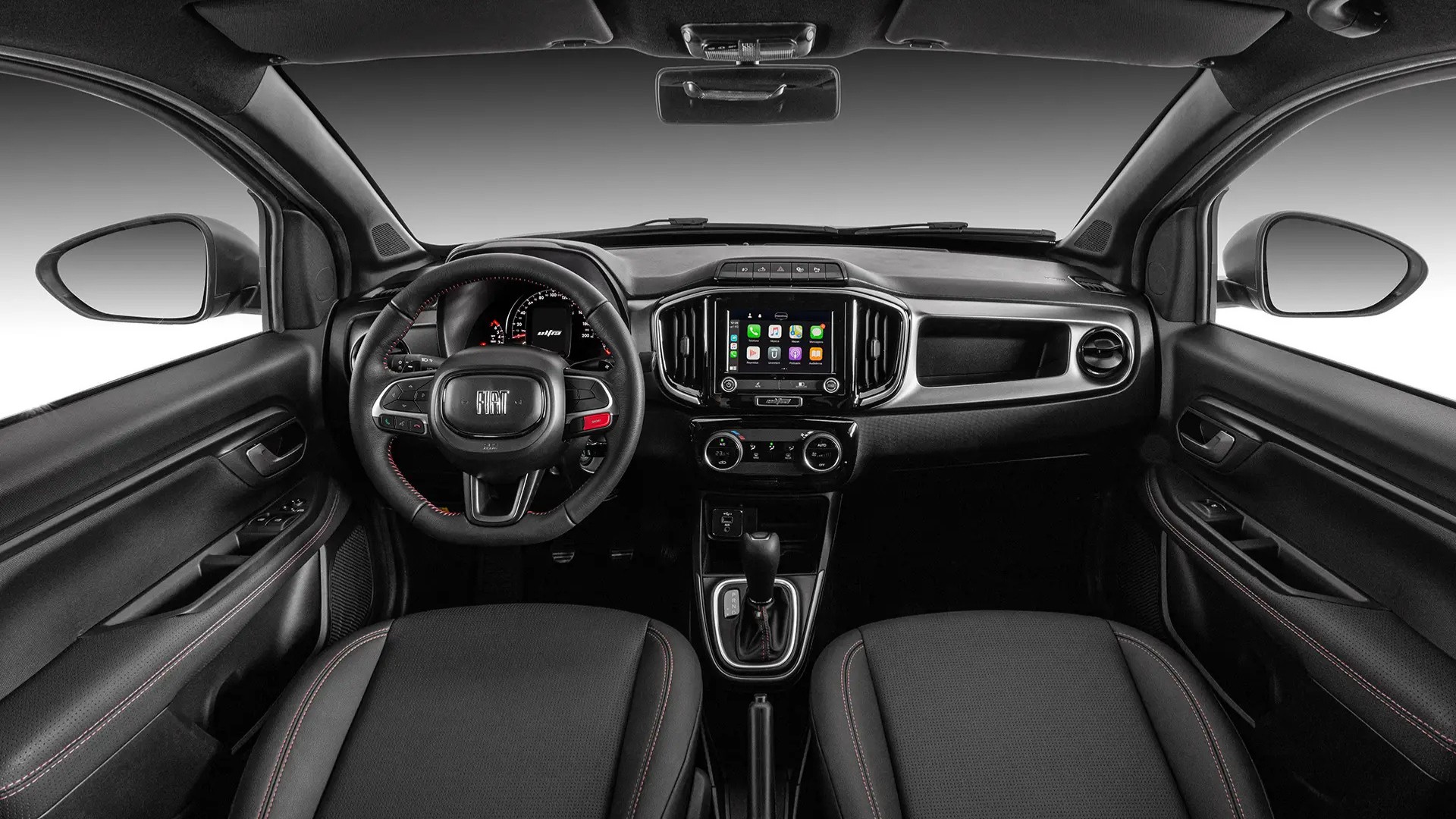
With a 1.3 engine, nearly 700 km of range, and Turbo 200, the Fiat model surpasses Polo, Tera HB20, and Onix, becoming the best-selling car in March; see the numbers for the Fiat Strada and others.
At the time, the single-cylinder engine delivered about 11 hp and fuel consumption was approximately 18% higher than gasoline, but with cheap ethanol in the 80s, the math made sense for many people.
This point is essential because it explains why the CG has always been much more than “popular”: it became a real laboratory for practical solutions in Brazil.
Made for Brazil, China, India, and Mexico, But Became a Global Phenomenon
Honda developed the CG 125 as a low-cost alternative to the CB 125, targeting emerging markets like Brazil, China, India, and Mexico.
The plan hit the mark: the CG became a phenomenon, and the oil crisis also made developed countries interested.
There were CGs sold in places like Japan and parts of Europe, with the European market even receiving units produced in Manaus.
Pelé Entered The History: Advertising, Prestige, and Market Dominance
Honda quickly understood that it needed a giant face to enter Brazil. Pelé was chosen after an invitation linked to Soichiro Honda himself.
When the CG 125 was born here, The King was already with New York Cosmos, but the image was still golden. The result: the CG dominated about 70% of the national market in the following years.
The CG Already Had a “Korean Passport”: Yes, It Was Produced by Kia
Another interesting fact that few people associate is the phase when the CG 125 was produced by Kia. In 1981, Honda was looking to increase its presence in South Korea and formed a partnership: the Japanese handled the project, while the Korean produced and sold locally.
The motorcycle even ran with a “Kia-Honda” sticker on the tank. Later, with Honda officially established in the country, the partnership ended, and Kia focused on cars and trucks.
The “Root” CG Still Exists: Pakistan Keeps The Classic Alive

While in Brazil the CG evolved, in Pakistan, the CG 125 continues to be produced in very similar molds to those of decades ago.
The reason is simple: a less demanding market and looser environmental regulations. It is a CG “frozen in time,” still serving regions of Asia, Africa, and the Middle East.
Check Below The New Honda Motorcycle In Practice: CG 160 2026 – Prices, Consumption, and Autonomy
The CG 160 2026 line maintains its essence: simple, robust, and cheap to maintain. And the suggested public price remains a strong argument, especially in the entry version.
According to Motor1 Brasil, the CG 160 2026 arrived at stores in September with discreet adjustments and changes (mainly colors), with prices starting at R$ 16,770.
On Honda’s official website, the CG 160 Titan 2026 appears with a price “starting at R$ 19,910,” as well as items like ABS, LED, and more onboard technology.
Table 1 – Prices of The Main Honda 2026
| Model | Suggested Public Price (Excluding Freight) |
|---|---|
| CG 160 Start 2026 | R$ 16,770 |
| CG 160 Fan 2026 | R$ 18,350 |
| CG 160 Titan 2026 | R$ 19,910 |
| Pop 110i ES | R$ 10,080 |
Fuel Consumption and Autonomy: How Many km/l Does It Make and How Many km Can It Go With A Full Tank?
Here, it’s worth separating “real use” (which varies a lot) from “average published references” by portals and tests.
On the official page of the CG 160 Titan 2026, Honda informs a 14-liter tank.
In technical sheets published by specialized portals, the CG 160 Titan usually appears with an average consumption of around 45 km/l (varying with use and fuel).
With this, it is possible to estimate the theoretical autonomy:
- Estimated Autonomy of The CG 160 Titan = 14 L × 45 km/l ≈ 630 km
Table 2 – Fuel Consumption and Autonomy (Published References)
| Model | Disclosed Consumption | Tank | Approximate Autonomy |
|---|---|---|---|
| CG 160 Titan 2026 | ~45 km/l | 14 L | ~630 km |
| Yamaha Factor 150 (Test) | 46 km/l (Urban) | 15.7 L | ~722 km |
| Yamaha FZ15 (Reference) | 35 to 40 km/l | 11.9 L | ~416 to 476 km |
| Pop 110i ES | 49.1 km/l | (smaller tank; cited autonomy ~206 km) | ~206 km |
Important note: in the case of the Pop, autonomy is limited by the small tank — that’s why it is the “city economic model,” not the champion of range per refueling.
Comparison with Rivals: Where The CG 160 “Wins” By Being Cheaper and Better?
1) CG 160 Start vs Yamaha Factor 150: Price and Proposal
The Yamaha Factor 2025 appears with a suggested public price of R$ 18,390. The CG 160 Start 2026 starts at R$ 16,770.
In practice: the CG Start enters cheaper into the “160/150 world” and continues with the classic approach of an affordable motorcycle for work and daily use.
2) CG 160 Titan vs Yamaha FZ15: “Better” in The Package by Price Range
The CG Titan 2026 already features ABS and LED lighting, according to Honda itself. And costs “starting at R$ 19,910” on the official site.
The Yamaha FZ15 is a more “stylish” and technological alternative, but has lower fuel consumption (35 to 40 km/l) and a 11.9 L tank, delivering lower autonomy than the estimated standard of the Titan.
In other words: if the priority is to go a long distance while spending little and with a strong package (ABS + LED), the Titan tends to be the more rational purchase.
3) Pop 110i is The Cheapest – But It’s Not A Direct Competitor of The CG 160
The Pop 110i ES is officially one of the most affordable models from the brand and appears “starting at R$ 10,080”.
However, it is another proposal: smaller engine, smaller tank, lower autonomy (~206 km).
It competes with basic urban mobility. The CG 160 competes with “motorcycles for everything”: work, short roads, deliveries, and daily commuting with more stamina.
And The Link with Ethanol Today? The DNA Continues
The current CG is not exclusively an ethanol motorcycle, but it carries the legacy: the modern line is flexible, and Honda continues to sell the idea of you choosing the fuel according to your budget and region.
The moral is simple: the CG was pioneering in ethanol when it was unthinkable, and today, it maintains the practical spirit that made it the queen of the streets.
Why Does The Honda CG Remain So Strong in The Brazilian and Global Market in 2026?
The Honda CG has become a legend for making sense in the real world. It was born to be simple, was bold enough to become the first ethanol motorcycle in the world, crossed advertising with Pelé, had a chapter with Kia, survived as “root CG” in other markets, and today, with the CG 160 2026, continues to face rivals with a highly competitive package of price, autonomy, and cost per km.
If you’ve had the chance to ride the first ethanol motorcycle in the world, tell us how it was. Are you a fan of the Honda CG or do you prefer other brands? Comment below and, if this text helped you, share it with someone who is looking for an affordable motorcycle for daily use.









Seja o primeiro a reagir!