





 Portuguese
  English
  Spanish
  3 min of reading
  0 comments


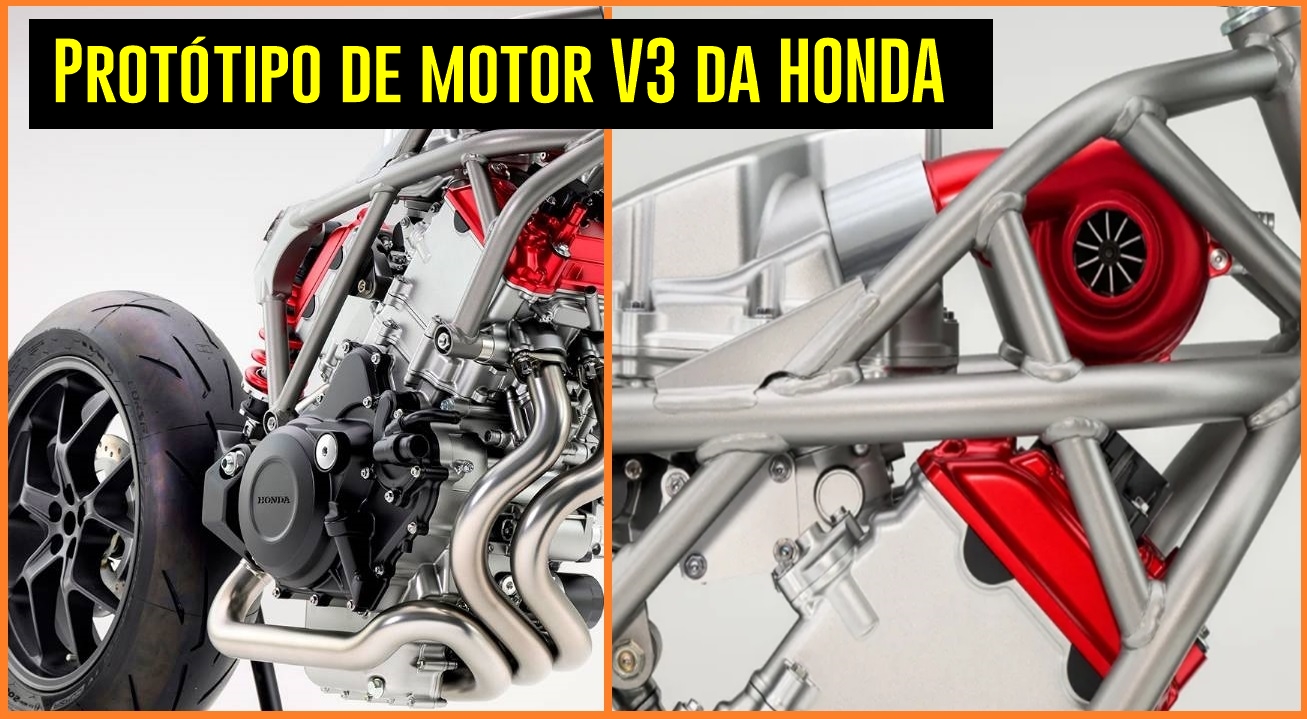
With Honda’s V3 Engine Supercharged by Electric Compressor, Honda Bets on Innovative Technology to Keep Combustion Engines on the Market
Honda surprised everyone by launching new electric concepts, but the big news came from its ongoing investment in combustion engines. The Japanese giant presented a prototype of a V3 engine, supercharged with an electric compressor.
The launch suggests that Honda sees a promising future in the continuation of gasoline-powered engines, especially with the use of advanced technologies.
A Compact and Efficient Engine from Honda
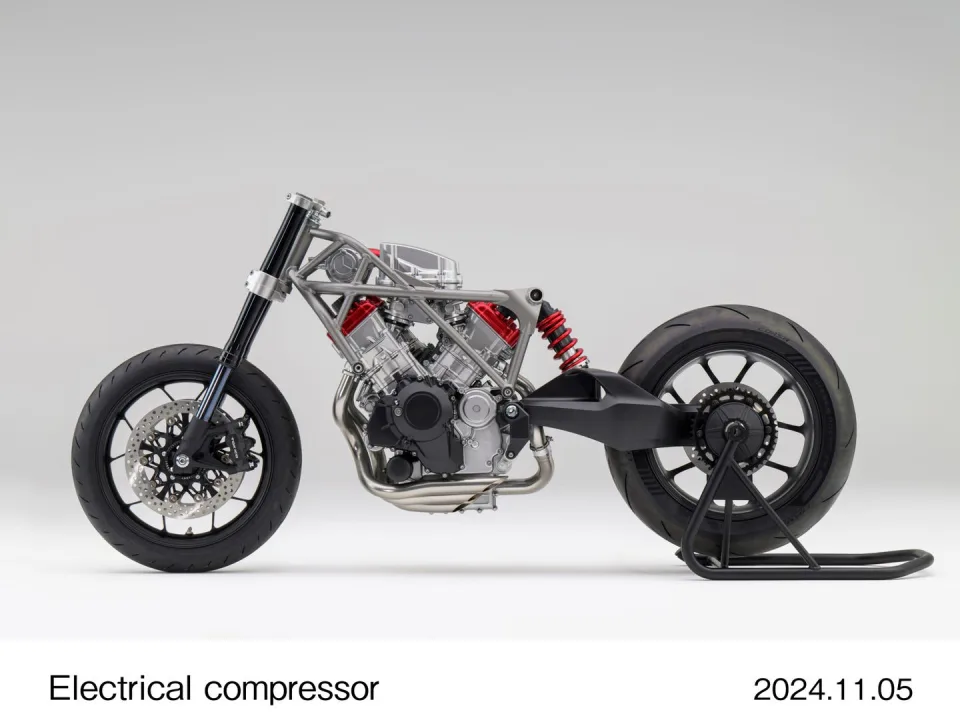
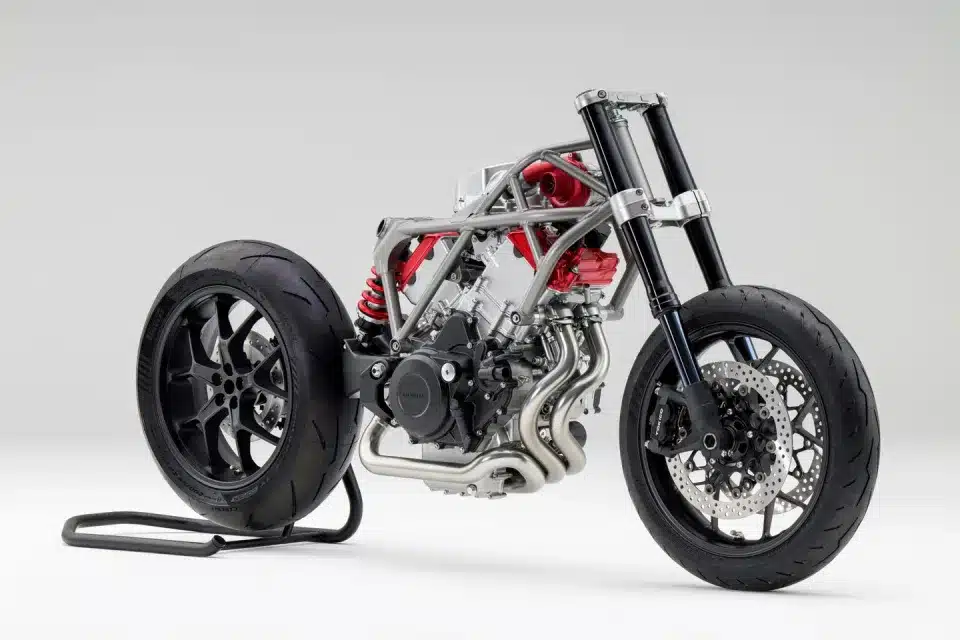
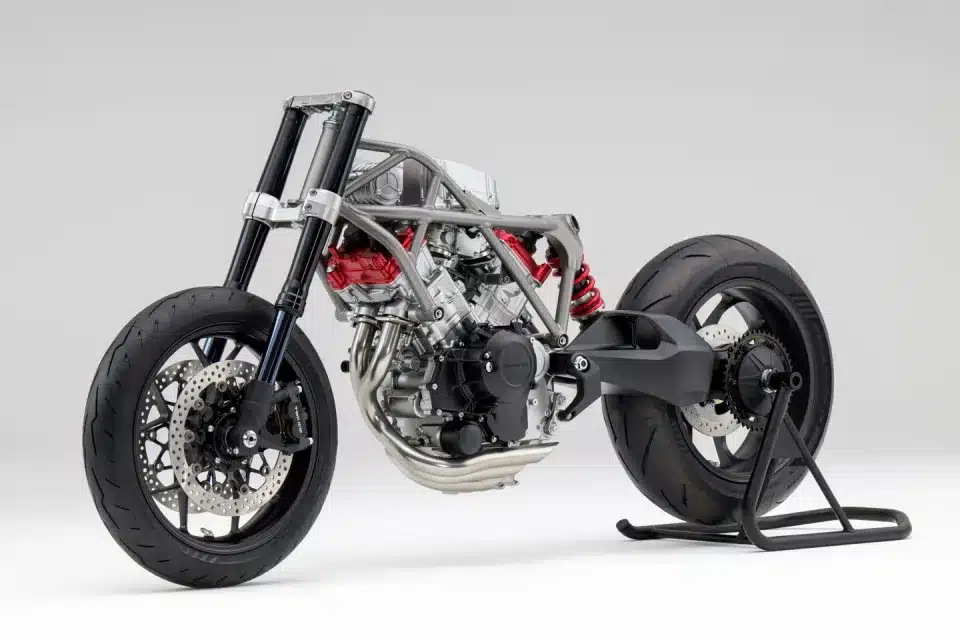
The Honda V3 prototype engine features a unique cylinder configuration: two cylinders on one side and one on the other, forming a 75º angle.
-
The oceans are darkening all over the planet – what is happening?

-
An engineer designs a solar plane to fly on Mars at an altitude of 1,000 meters and a speed of 300 km/h, covering 16,000 kilometers in a Martian year, 900 times the distance traveled by the Ingenuity helicopter in three years on the planet before experiencing a rotor failure, and NASA is already funding the feasibility study.
-
A new phenomenon of contactless magnetic friction intrigues scientists and questions a theory that has been valid since the 17th century.
-
An impressive phenomenon in Northern Brazil causes rivers of different colors to flow side by side, revealing secrets about sediments, currents, and biodiversity.


This design was planned to create an extremely thin and compact engine. According to Honda, the electric compressor used in the engine is the first in the world developed specifically for motorcycles.
This technology allows the intake air compression to be controlled independently of the engine speed, resulting in highly responsive torque delivery, even at low RPMs.
Technology of the Electric Compressor
One of the major differentiators of the V3 prototype is the use of an electric compressor, which allows for greater freedom in design and compactness of internal components.
Honda explains that this innovation not only makes the engine more compact but also improves mass centralization, an important factor for the balance and handling of the motorcycle. Furthermore, the absence of an intercooler helps simplify the system, making it lighter and reducing the complexity of plumbing.
History and Evolution of V3 Engines
The use of a V3 engine is not exactly a new concept for Honda. In the 1980s, the company had already experimented with the NS400R, a two-stroke model that marked its era.
Now, after four decades, the brand is once again betting on this type of engine, but with a renewed approach adapted for the 21st century. The goal is to bring this innovation into mass production, allowing motorcycle enthusiasts to experience the “unique joy” of riding a vehicle with this level of technology.
How the Electric Supercharger Works
The supercharger, or centrifugal compressor, used by Honda brings a revolutionary proposal. Unlike traditional compressors, which rely on engine speed to operate, the electric supercharger uses electricity to generate boost independently of the engine speed.
This system allows Honda’s innovation to deliver a high level of torque even at low RPMs, which benefits performance in low-speed situations, such as climbs or maneuvers. Another advantage is that the simplified design of the supercharger reduces the need for complex plumbing, making the system cleaner and more efficient.
The Future of Production and Application of the V3
Although the prototype is mounted on a white tubular chassis, Honda has not yet specified which motorcycle model this supercharged V3 engine will be incorporated into.
However, the company is clearly focused on demonstrating its capacity for innovation and its commitment to cutting-edge engineering in the motorcycle segment. The development of the technology is in advanced stages, and Honda is expected to move towards mass production in the coming years.










Seja o primeiro a reagir!