





 Portuguese
  English
  Spanish
  4 min of reading
  0 comments


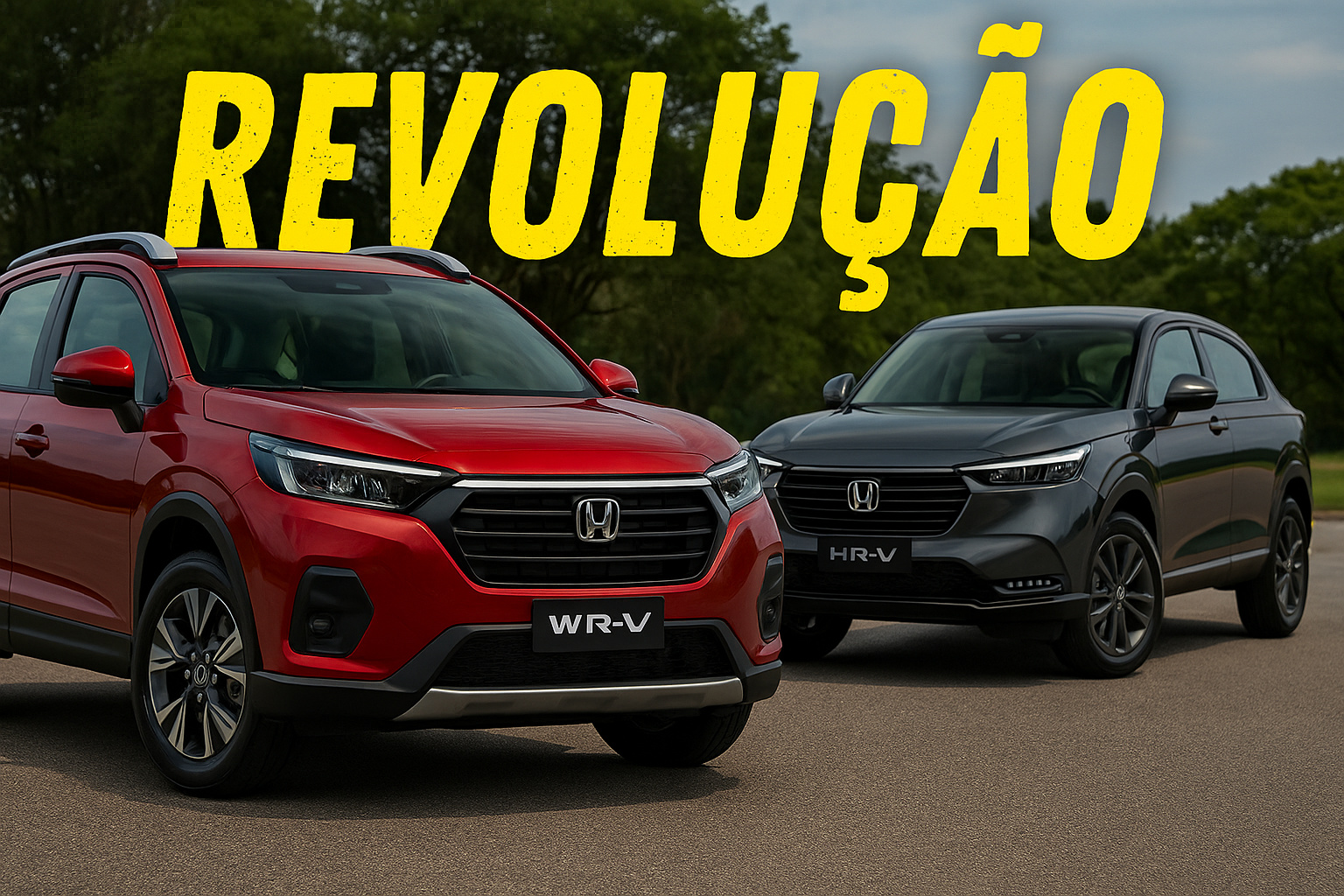
New Honda WR-V 2026 Challenges the HR-V 2026 with More Space, Technology, and Competitive Price. See Which Compact SUV Has the Advantage.
Honda WR-V 2026 Arrives with Everything to Challenge the HR-V 2026
Honda has just shaken up the Compact SUVs in Brazil. After months of anticipation, the Honda WR-V 2026 has officially launched and promises to steal the show — and customers — from its older sibling, the HR-V 2026.
The new generation arrives completely revamped, built from the ground up, aiming to attract those who found the HR-V too expensive and the City too small.
The model was presented last week and is already causing a stir among brand fans. Priced between R$ 144,900 and R$ 149,900, the new compact SUV comes in two versions, EX and EXL, both equipped with the same 1.5 flex engine delivering 126 hp and CVT transmission.
-
Less than a Tera TSI, up to 710 km of range and charging in 9 minutes: the new BYD Song Ultra expands the Chinese brand’s bet on increasingly faster, more technological, and competitively priced electric SUVs.

-
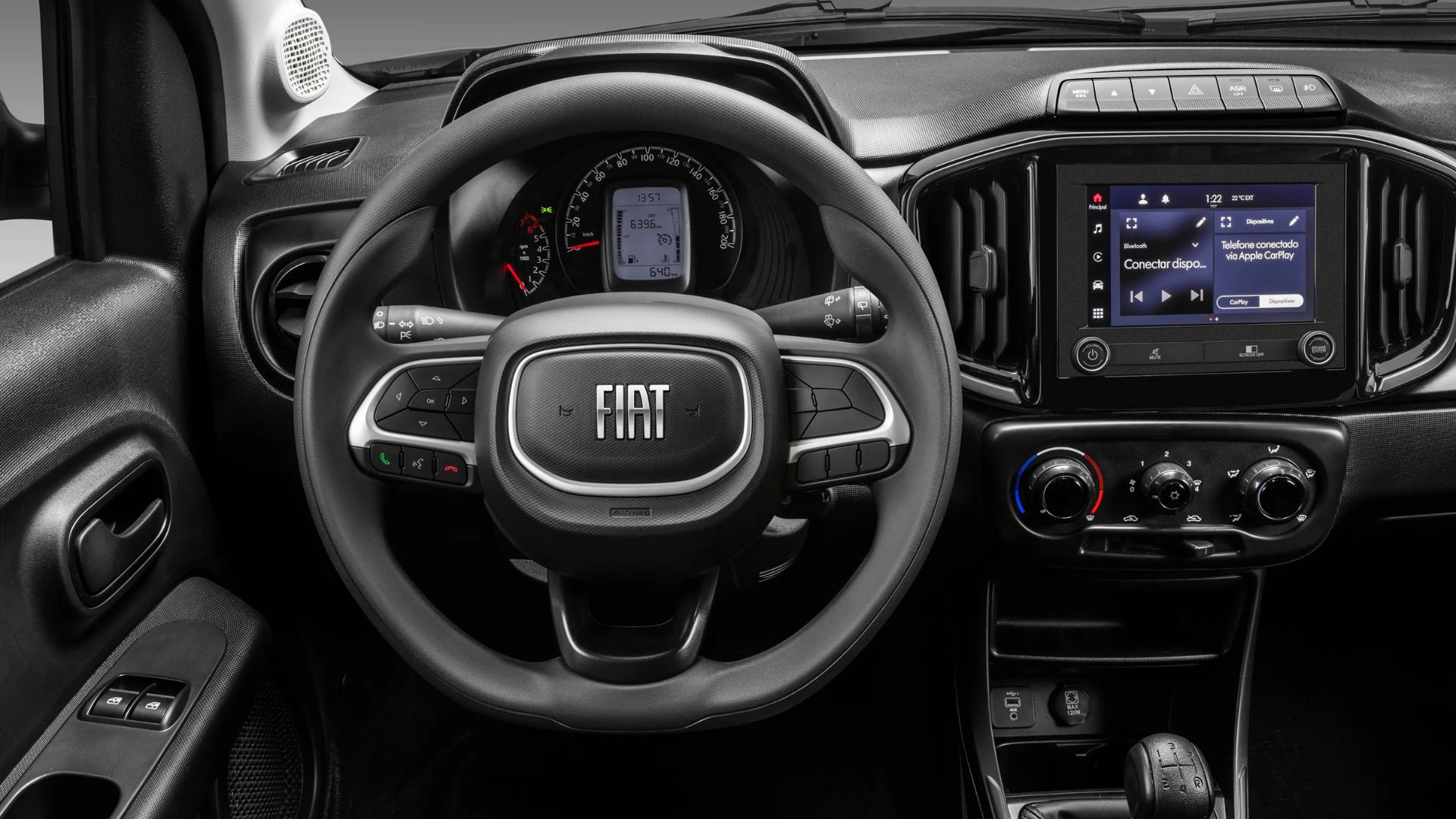
With a 1.0 engine producing 75 hp and costing less than R$ 70,000, Fiat’s car returns to the podium as the cheapest in the country; a temporary promotion for the 2026 Like version reduces the price of the Fiat Mobi.
-
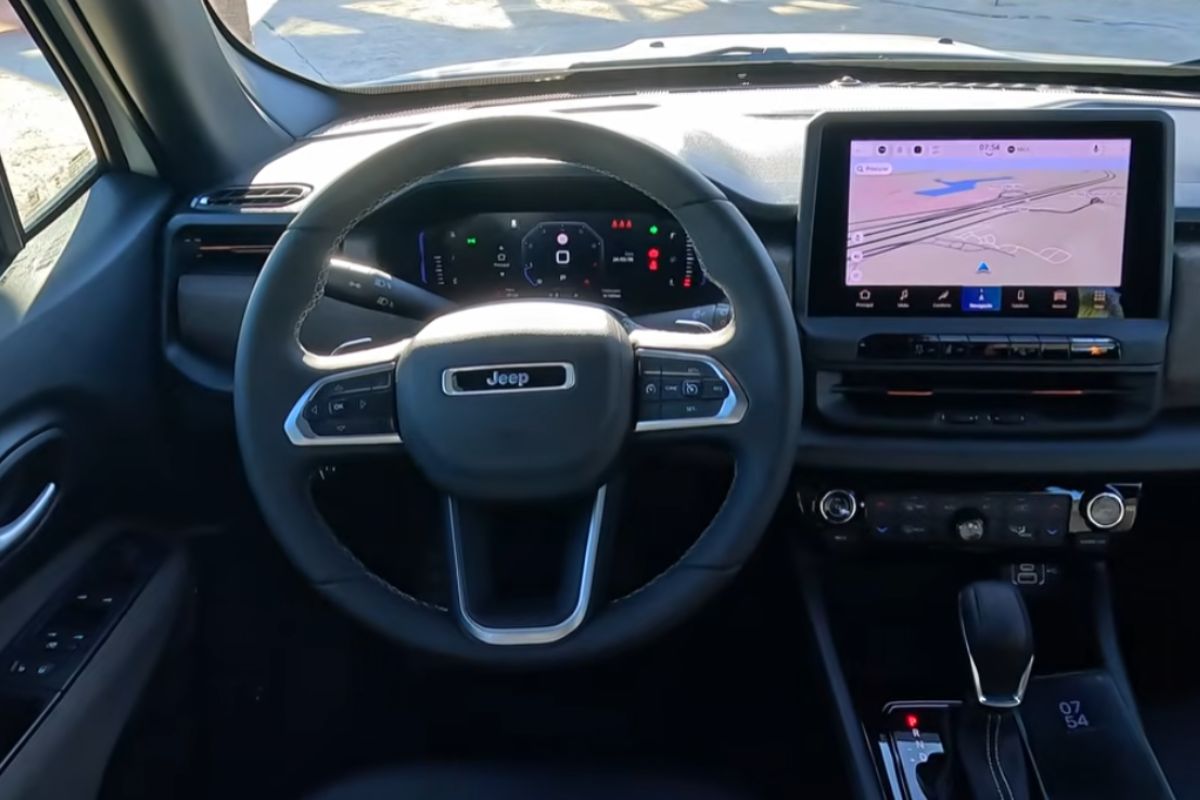
With a mild hybrid system of 48 V, 176 hp and a price of R$ 175,990 in the Sahara version, the new Jeep Renegade changes mostly on the inside, improves slightly in fuel consumption, and remains almost the same car.
-
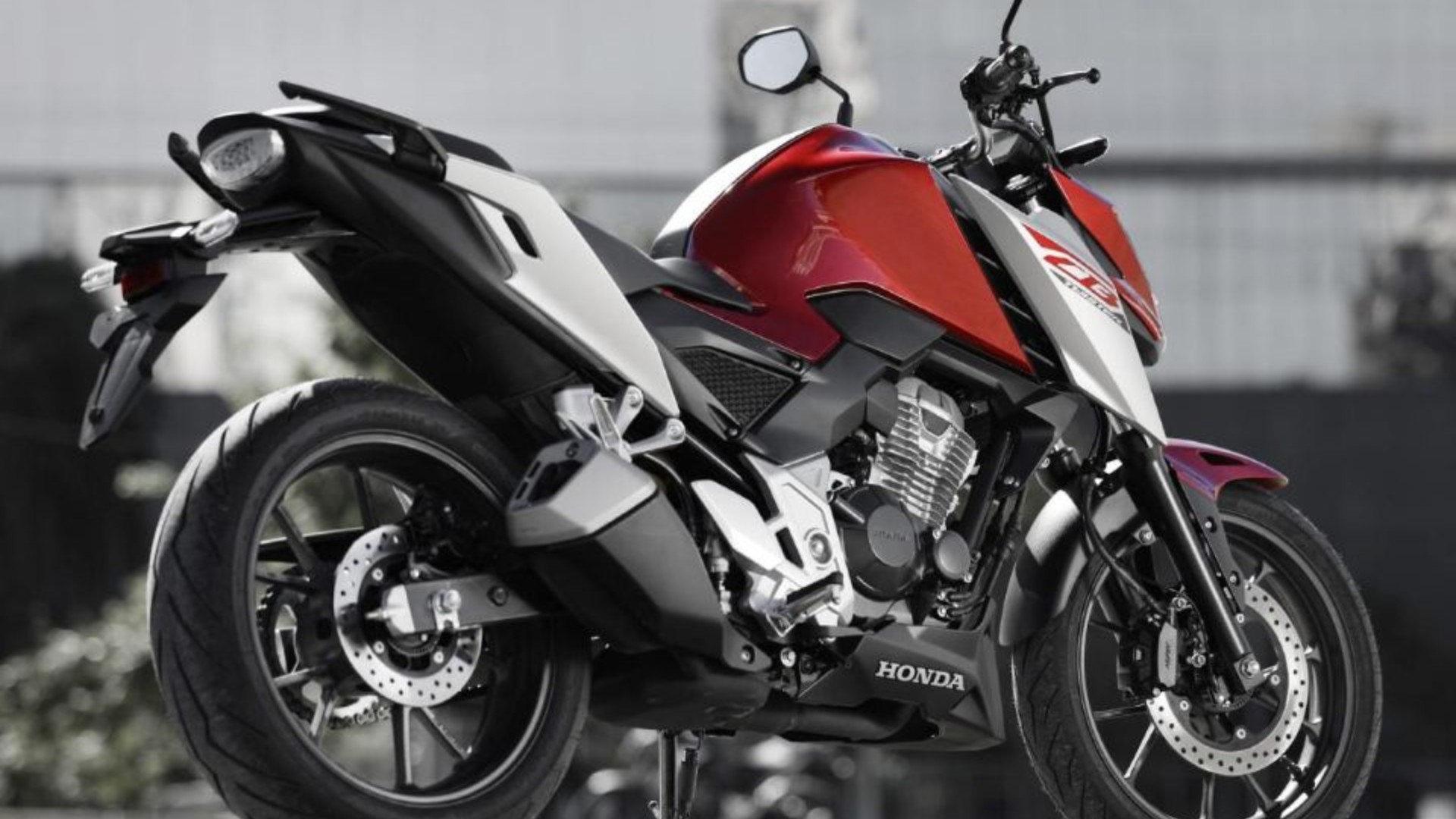
With a 293.5 cm³ engine and a range of up to 400 km with a 14.1-liter tank, the Honda CB 300F Twister 2026 has up to 24.7 hp, an initial price of R$ 25,150, and already exceeds R$ 29,000 in the Fipe Table.
The main difference lies in the aesthetic details and the roof rack, which is exclusive to the top-of-the-line version.
Bold Strategy: More Space and Robust Design
At 4.32 meters long and 1.65 meters high, the WR-V 2026 has grown considerably and now showcases proportions worthy of a real SUV.
It is taller and more spacious than the HR-V 2026, offering 458 liters of trunk space compared to 354 liters of its sibling. This difference reinforces the family appeal of the new model and makes it a more rational option for those prioritizing comfort and practicality.
Additionally, the 2.65-meter wheelbase ensures good interior space, especially for rear passengers.
Even with a smaller size, the WR-V offers better interior utilization and a ground clearance of 223 mm, ideal for tackling bumpy streets and urban speed bumps without distress.
Features and Technology: Comfort vs Refinement
When it comes to technology, the WR-V 2026 shows that it did not come to be Honda’s “cheap SUV.”
The model features a 10-inch multimedia center with wireless Android Auto and Apple CarPlay, a 7” digital dashboard, wireless charging, and the myHonda Connect system, which allows control of car functions via smartphone.
It also includes automatic air conditioning, leather seats, a rearview camera, parking sensors, and a complete Honda Sensing package, with adaptive cruise control, autonomous braking, lane-keeping assistance, and six airbags. All of this reinforces the focus on convenience and safety.
The HR-V 2026, on the other hand, bets on sophistication. Even with a smaller 8-inch center console, it compensates with disc brakes on all four wheels, an electronic parking brake with Brake Hold, descent assist, and the LaneWatch camera, which eliminates blind spots.
It also offers the handy Magic Seat system, which allows for different rear seat configurations — something absent in the WR-V.
Similar Performance, But Different Consumption
Both SUVs share the same 1.5 DI i-VTEC aspirated flex engine, but consumption makes a difference. The WR-V 2026, with a smaller 44-liter tank, has an urban range of up to 528 km with gasoline. The HR-V 2026, with a 50-liter tank, reaches up to 625 km.
Despite this, the WR-V proves to be a bit more agile, accelerating from 0 to 100 km/h in 11.5 seconds — three-tenths faster than the HR-V.
This slight advantage reinforces the urban and practical character of the new SUV, balancing economy and performance efficiently.
Which Compact Honda SUV Is More Worth It?
In practice, the competition between Honda WR-V 2026 and HR-V 2026 is more strategic than technical. The WR-V is designed for those seeking a spacious, tech-savvy compact SUV with a competitive price.
The HR-V, meanwhile, remains the premium option, with more refinement, superior finishes, and a focus on comfort and drivability.
Both share Honda’s same DNA of reliability but cater to different audiences. The WR-V 2026 is ideal for anyone wanting the brand’s first SUV without paying a high price.
The HR-V 2026, on the other hand, targets those who value sophistication and performance with a turbo engine and more advanced solutions.
In summary, Honda has managed to fill the gap in its lineup: the WR-V 2026 is the entry-level SUV many have been waiting for, while the HR-V continues to stand strong as the most complete and elegant model.
Final Verdict
The new Honda WR-V 2026 arrives with full force to redefine the entry-level SUV concept in Brazil. With this, the brand bets on a model that combines imposing design, generous space, and cutting-edge technology.
Thus, the WR-V promises to win over drivers seeking a balance between price, comfort, and content, without compromising Honda’s traditional quality.
On the other hand, the HR-V 2026 remains the symbol of refinement and sophistication within the lineup. Still, the newcomer shows potential to become the new darling of the brand, especially because it offers a more accessible proposal aimed at urban use.
In this way, Honda expands its reach in the market, offering two options capable of meeting distinct yet equally demanding audiences.








-

Uma pessoa reagiu a isso.