





 Portuguese
  English
  Spanish
  4 min of reading
  0 comments


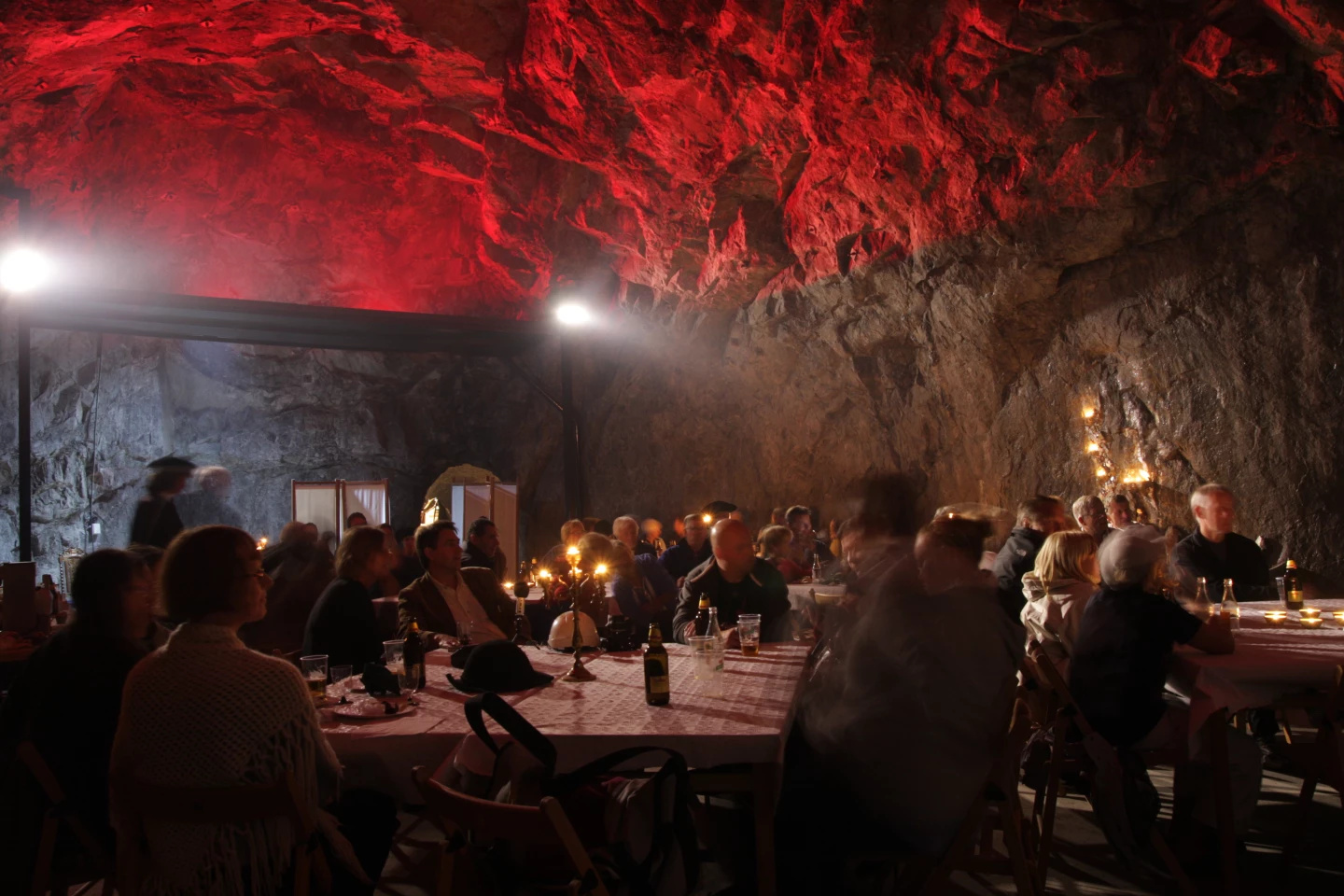
Underground Hotel in Sweden Occupies an Old Mine Over 300 Meters Deep, with Rooms Below the Water Table and Stable Temperature Year-Round.
Long before becoming a tourist destination, the Silvermine Hall was one of the most important mining centers in Northern Europe. Active since the Middle Ages, the mine was once considered one of the largest silver producers on the continent, with a labyrinth of galleries excavated deep underground in Sweden. When extraction lost economic viability, what remained was an immense underground void — cold, damp, and technically too complex to simply abandon. Decades later, this space took on an unexpected function: extreme lodging.
A Hotel That Starts Where Most Constructions End
The hotel operates within the galleries of the mine, with areas accessed by tunnels that go hundreds of meters below the surface.
Some areas are located below the natural level of groundwater, which requires permanent drainage and humidity control systems. Unlike conventional hotels, here the very geology defines the limits of architecture.
-
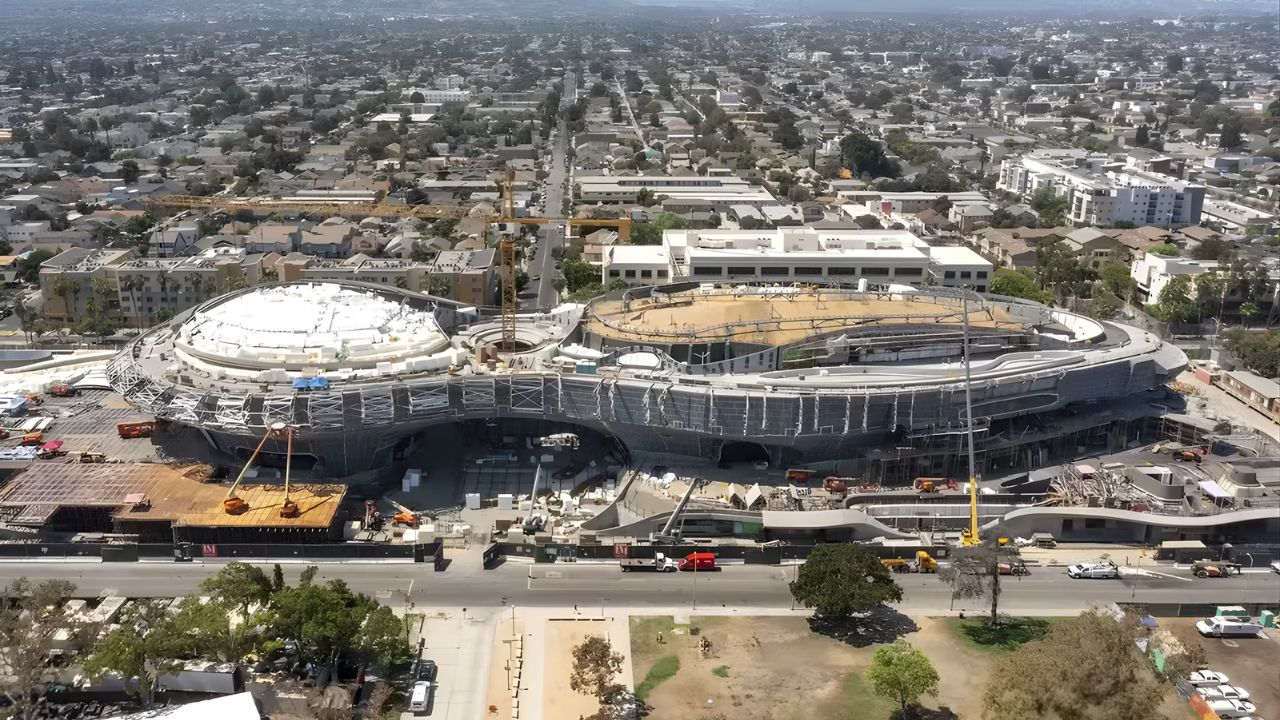
Created by George Lucas with over $1 billion, a futuristic museum in the shape of a spaceship with 1,500 curved panels is about to open in Los Angeles and will house one of the largest private collections of narrative art in the world.
-
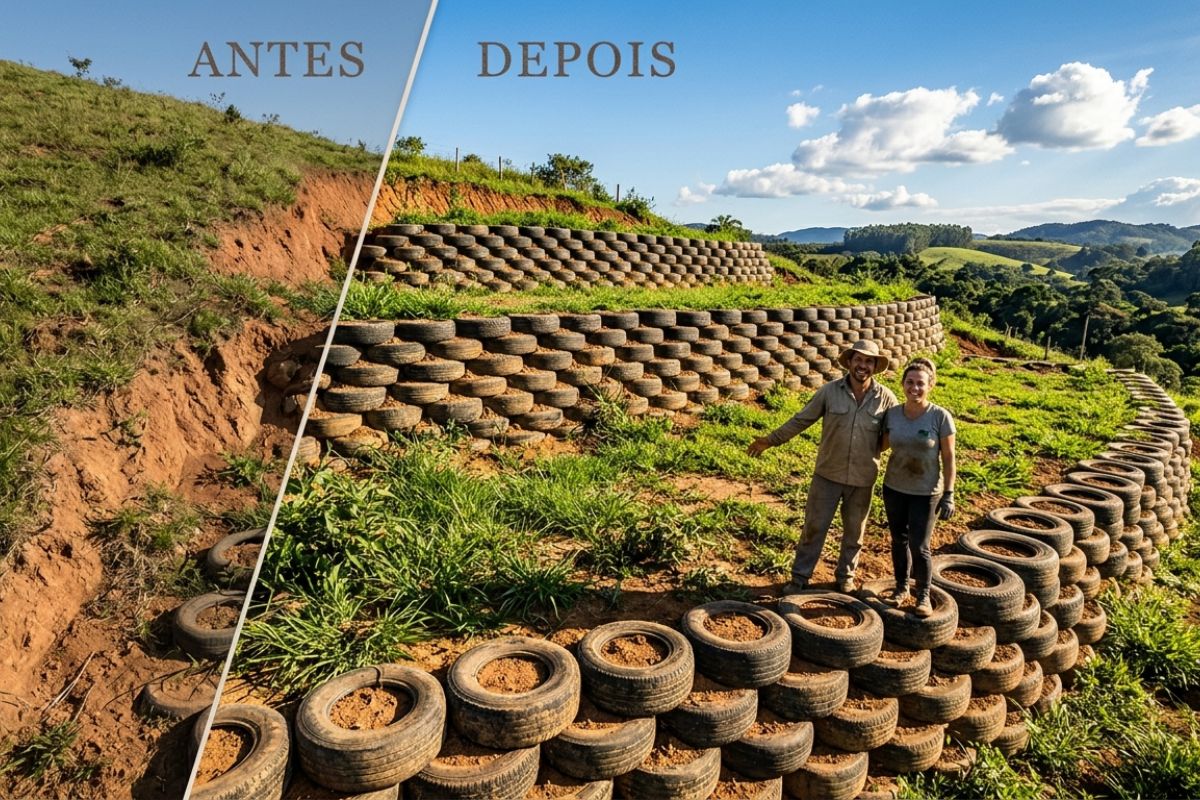
Couple shows how they built a retaining wall on their property using 400 old tires: sloped land turned into plateaus, tires are aligned, filled, and compacted with layers of soil, with grass helping in support and at almost zero cost.
-
Engineer explains drainage during the rainy season: the difference between surface water and deep water, ditches, gutters, and water outlets on the road, as well as drains and drainage mattresses, to prevent erosion, aquaplaning, and flooding at the construction site today.

-
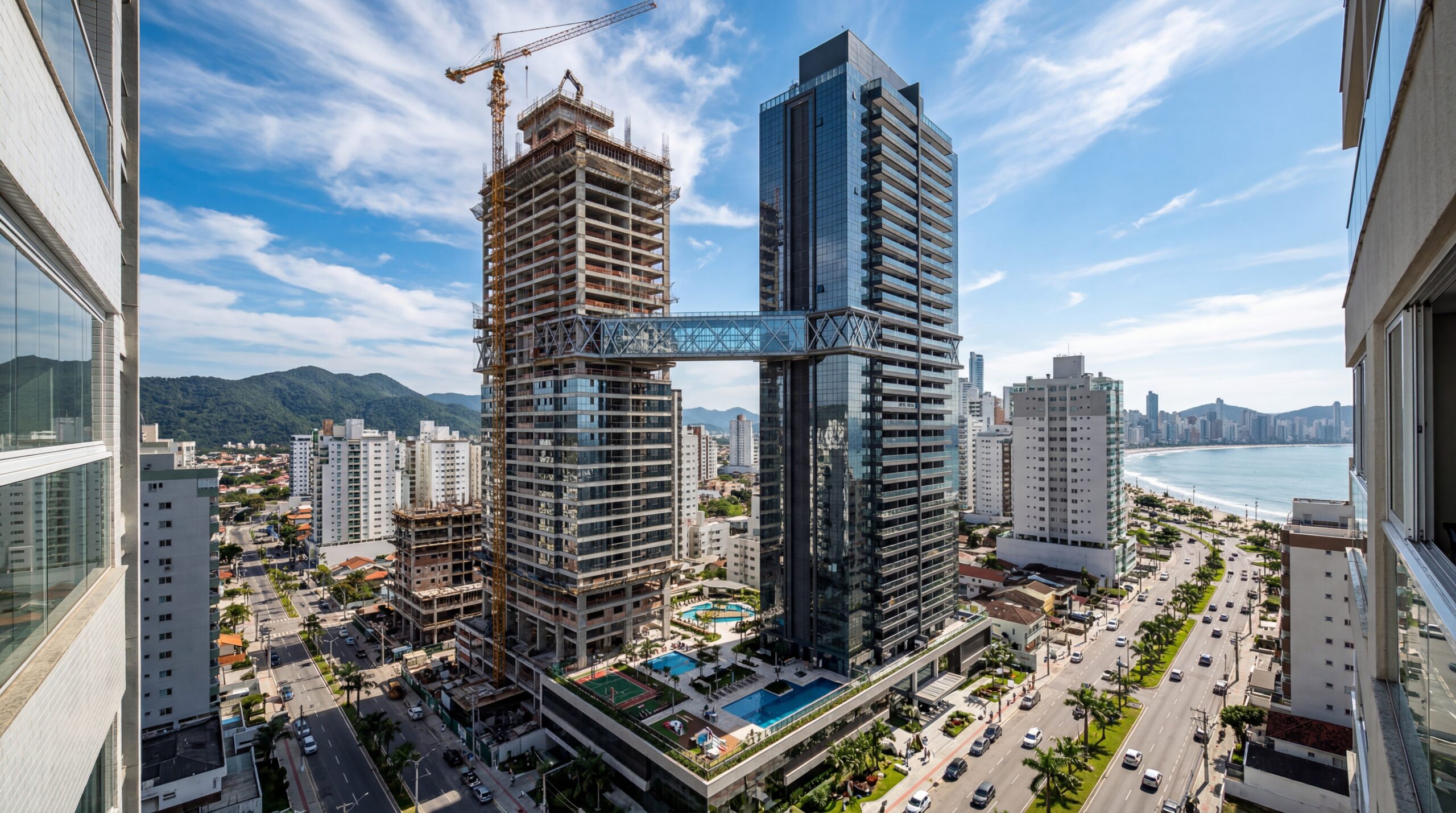
With 55 floors, 177 meters in height, a 15-meter walkway between the twin towers, ventilated facade, and 6,300 m² of leisure space, Ápice Towers already has one tower completed and another nearly at the top.



The walls were not “built”: they are exposed rock, shaped by centuries of excavation. The space that now houses rooms and common areas was originally part of the mine’s production system.
Constant Temperature and Underground Climate
One of the most striking technical aspects of the Silvermine Hall Hotel is the thermal environment. The depth ensures a virtually constant internal temperature throughout the year, regardless of the severity of the Swedish winter.
This eliminates sharp fluctuations between hot and cold, but also imposes challenges: the air is naturally cold, requiring internal insulation, thermal clothing, and specific solutions for guest comfort.
Ventilation is carefully controlled to ensure adequate oxygenation without compromising the stability of the underground microclimate.
Sleeping Below the Water Table
Some areas of the hotel are located at levels where the presence of groundwater is constant. To keep the spaces dry, the mine is equipped with active drainage pumps that operate continuously. Without this system, the tunnels would fill back up with water, as they did during the mineral extraction period.

This detail transforms lodging into a rare technical experience: the guest sleeps in an environment that remains habitable thanks to engineering working continuously.
Unlike projects that demolished and rebuilt old structures, Silvermine Hall chose to adapt what already existed. Lighting, walkways, rest areas, and rooms were installed respecting the irregular geometry of the galleries, without significantly altering the original structure of the mine.
This imposes clear limits: narrow corridors, uneven ceilings, and spaces that follow the logic of mining, not hospitality. The result is lodging that does not attempt to hide its industrial origins.
Safety in an Extreme Environment
Housing people hundreds of meters deep requires strict protocols. Access is controlled, evacuation routes are clearly defined, and electrical and communication systems have redundancy.
The stability of the rock is constantly monitored, which is essential in a historical mine with centuries of excavation.
These precautions are part of the hotel’s operational cost, but they are also what makes the experience viable and safe.
From Industrial Collapse to Niche Tourism
The transformation of Silvermine Hall into a hotel represents a clear example of extreme repurposing of heavy infrastructure. A space that once depended on the continuous extraction of ore has begun to generate value precisely because of its depth, isolation, and off-standard conditions.
Instead of sealing the mine or allowing it to degrade, the solution was to convert it into a unique tourist asset, capable of attracting visitors from all over the world in search of extraordinary experiences.
The Silvermine Hall Hotel does not offer panoramic views or traditional luxury. What it offers is something rarer: the chance to occupy, even if temporarily, a space shaped by heavy mining and kept alive by engineering.
Sleeping below the water table, surrounded by solid rock and absolute silence, shows how far human adaptation can go when it decides to transform a deep industrial void into a habitable experience — literally in the heart of the earth.







-

Uma pessoa reagiu a isso.