





 Portuguese
  English
  Spanish
  3 min of reading
  0 comments


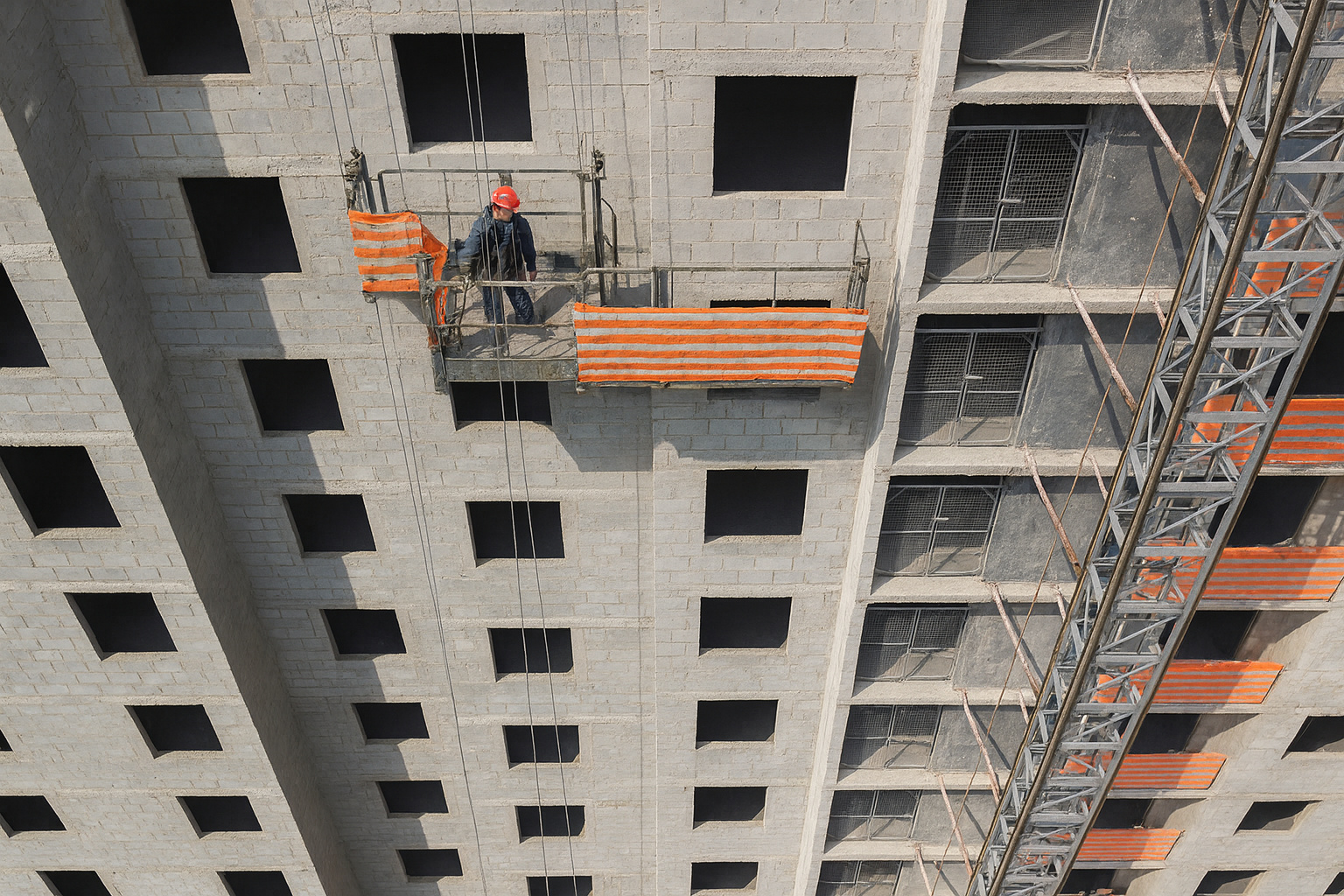
Government Invests In Financing Program With Below-Market Rates For Low And Middle-Income Families
The federal government launched in September 2025 a billion-dollar housing credit program aimed at home renovations. The initiative guarantees a subsidy of R$ 7.3 billion aimed at reducing interest rates and expanding access for low and middle-income families to financing. With this, President Luiz Inácio Lula da Silva (PT) aims to stimulate the economy and respond to social demands at a strategic moment, just before the 2026 election year.
Reduced Interest Rates And Focus On Accessibility
According to official information from the Ministry of Finance, the interest rates offered will be lower than market rates, precisely to expand the program’s reach.
- Families with incomes of up to R$ 3,200 per month will have credit with an interest rate of 1.17% per month.
- Families with incomes between R$ 3,200 and R$ 9,600 will pay up to 1.95% per month.
This model only becomes viable because the government assumes the cost of the difference, using the subsidy of R$ 7.3 billion to balance the conditions. Thus, the financing reaches much more affordable values for thousands of Brazilian families.
-
Lula responds directly to Trump and says that Pix is from Brazil and will not change under pressure from anyone, after a report from the United States pointed out the Brazilian payment system as an American trade barrier.

-
Amazon has just announced a new fee on all deliveries, and your online purchases will become more expensive starting April 17, including for those buying from the United States here in Brazil.

-
He sold his share for R$ 4 thousand, saw the company become a giant worth R$ 19 trillion, and missed the opportunity of a lifetime.

-
Elon Musk’s Starship megafrocket puts $8 billion at risk, raises alarms in the market, and could affect technology, mining, and space internet startups in the coming years.

R$ 30 Billion Loan Target By 2026
The plan foresees the release of up to R$ 30 billion in loans between 2025 and 2026. According to estimates from the Secretariat of Economic Policy, contracts will have a maximum term of five years for repayment. Moreover, beneficiaries may have a grace period of up to 180 days to start payments.
This structure, according to the technicians involved, ensures financial predictability and provides additional time for organization for families. Therefore, the program combines immediate social impact with medium-term economic sustainability.
Program Structure Under Discussion
The Ministry of Planning reported in September 2025 that some points are still under discussion. Discussions include:
- Criteria for selecting the priority audience;
- Definition of maximum limits for credit usage;
- Ways to distribute the billion-dollar subsidy.
According to the ministry, the expectation is to conclude the regulations by December 2025. This way, the first contracts could be signed as early as 2026.
The Caixa Econômica Federal, the main financial agent of the program, has been participating in technical meetings since July 2025. The bank is studying operational models to ensure that the credit line is implemented with safety and clarity for beneficiaries.
Expected Political And Economic Impacts
The announcement comes amid fiscal adjustments and the debate over social policies. President Lula sees the program as a way to engage with the middle class and, at the same time, strengthen strategic sectors of the economy.
The expectation is that credit for renovations will increase demand in construction, boost material trade, and help generate direct and indirect jobs. Consequently, the measure may energize various segments of the national economy.
However, analysts emphasize that the adherence of families and the correct execution of the rules will determine the success of the initiative. Therefore, effectiveness depends on a well-structured and monitored process.
Challenges For Implementation
Despite its potential, the measure presents governance and fiscal management challenges. To function, it is necessary to ensure legal security in all contracts. Additionally, the government needs to balance budget sustainability with the billion-dollar resources allocated to the program.
Still, economic team technicians affirm that the credit line is expected to consolidate as one of the pillars of economic stimulus in 2026. The measure combines social appeal, political relevance, and the capacity to mobilize key sectors of the Brazilian economy.
In summary, the federal government allocated R$ 7.3 billion to reduce housing financing rates until 2026, ensuring accessible credit, longer terms, and an initial grace period. The proposal aims to support low and middle-income families, stimulate the economy, and expand remodeling conditions in the country.
Do you believe this credit line will really have enough strength to drive housing renovations while meeting the expectations of the middle class?










Seja o primeiro a reagir!