





 Portuguese
  English
  Spanish
  2 min of reading
  0 comments


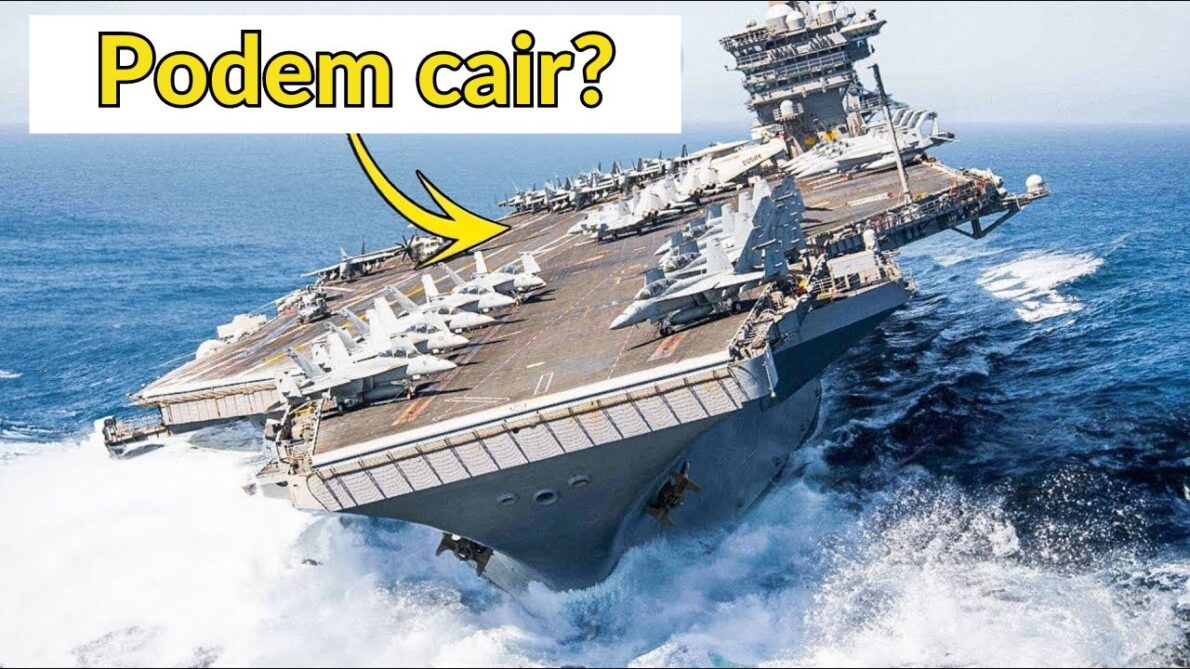
Discover How Advanced Technology and Stringent Procedures Keep Fighter Jets Safe on Aircraft Carrier Decks During Storms, and What Are the Risks and Safety Measures to Prevent Them from Falling into the Sea.
Have you ever wondered what happens to fighter jets on an aircraft carrier during a violent storm? Can they withstand fierce winds and gigantic waves? Are they really safe on the deck?
The answer is: yes, they are protected, but there is always some risk. In extreme conditions, a fighter jet can be taken into the sea due to technical failures, operational errors, or adverse weather conditions.
Aircraft Carrier Crew Adopts Various Safety Measures

A notable case occurred in 2018 when an F/A-18 Hornet slipped off the USS Theodore Roosevelt while attempting to land in difficult sea conditions. Fortunately, the pilot managed to eject safely, but the aircraft was lost.
-
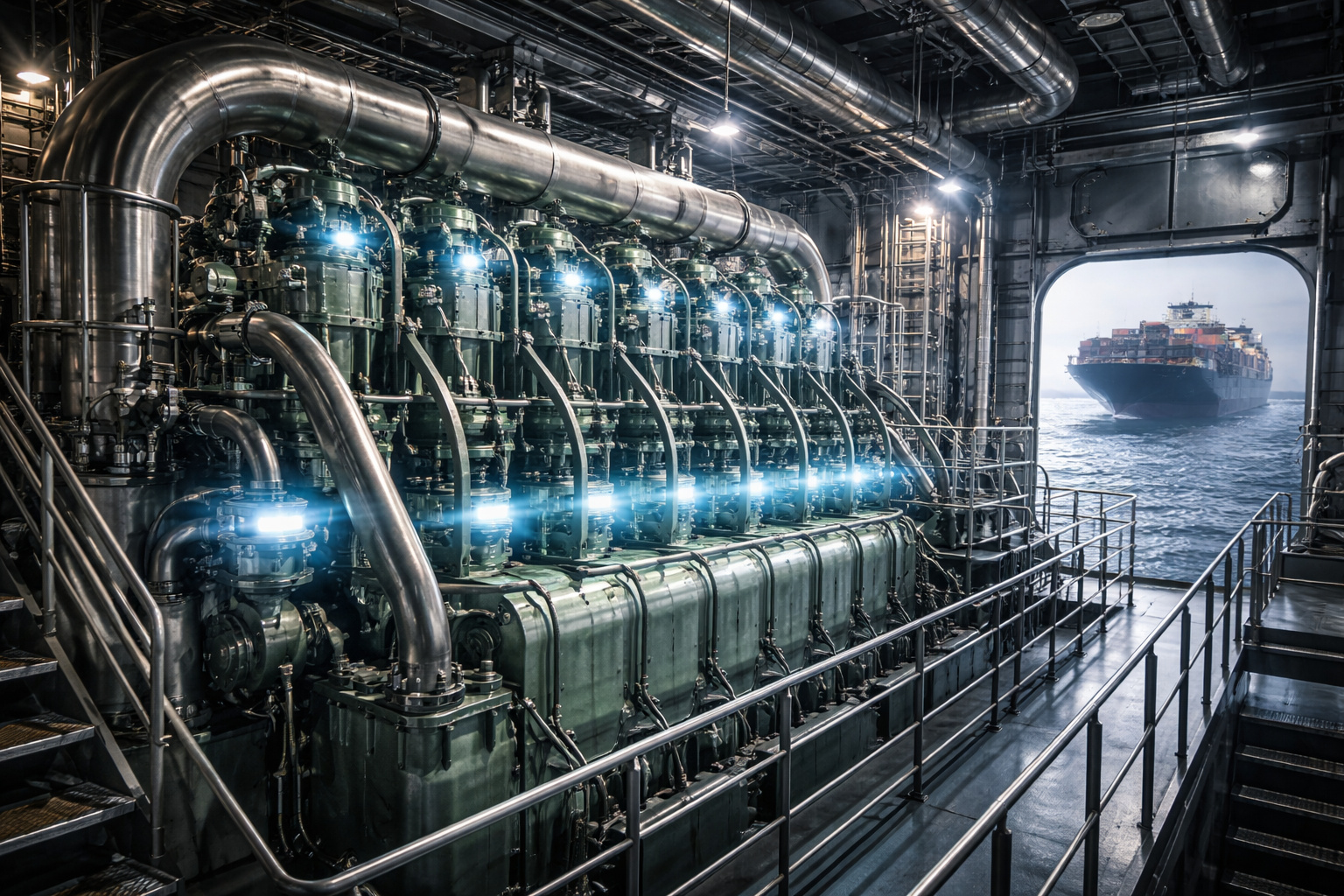
Europe is trying to create an ammonia-powered marine engine without auxiliary fuel, which could unlock the race for giant emission-free ships. The technology aims to eliminate one of the biggest obstacles to clean maritime propulsion.
-
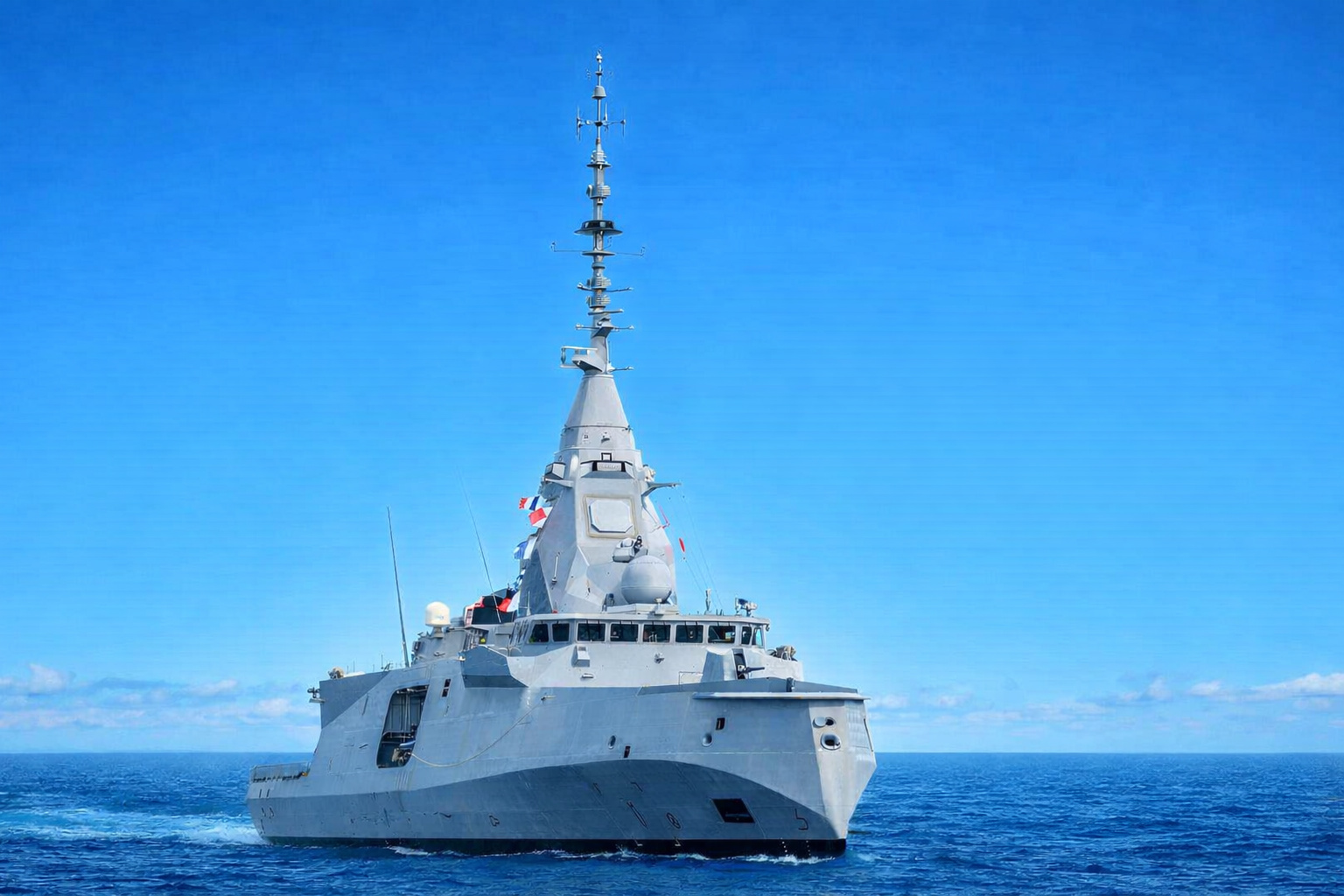
A 4,500-ton frigate with just over 100 crew members, state-of-the-art radar, and cruise missiles is being touted as the new standard of naval warfare in the 21st century.
-
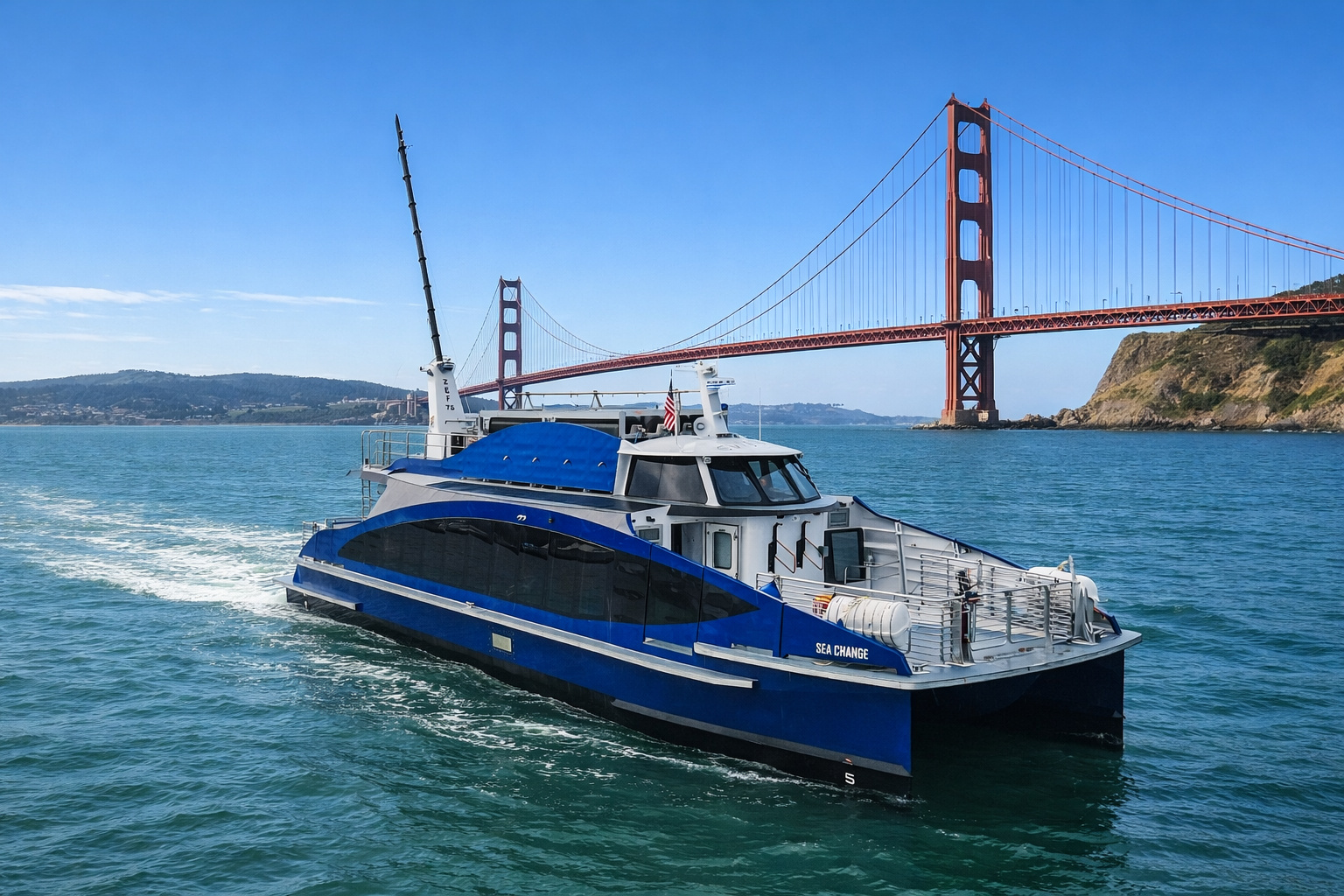
The first commercial hydrogen-powered ferry enters operation in the U.S., eliminates the use of diesel, uses fuel cells to generate clean energy on board, and transforms San Francisco Bay into a landmark of the new era of emission-free navigation.
-
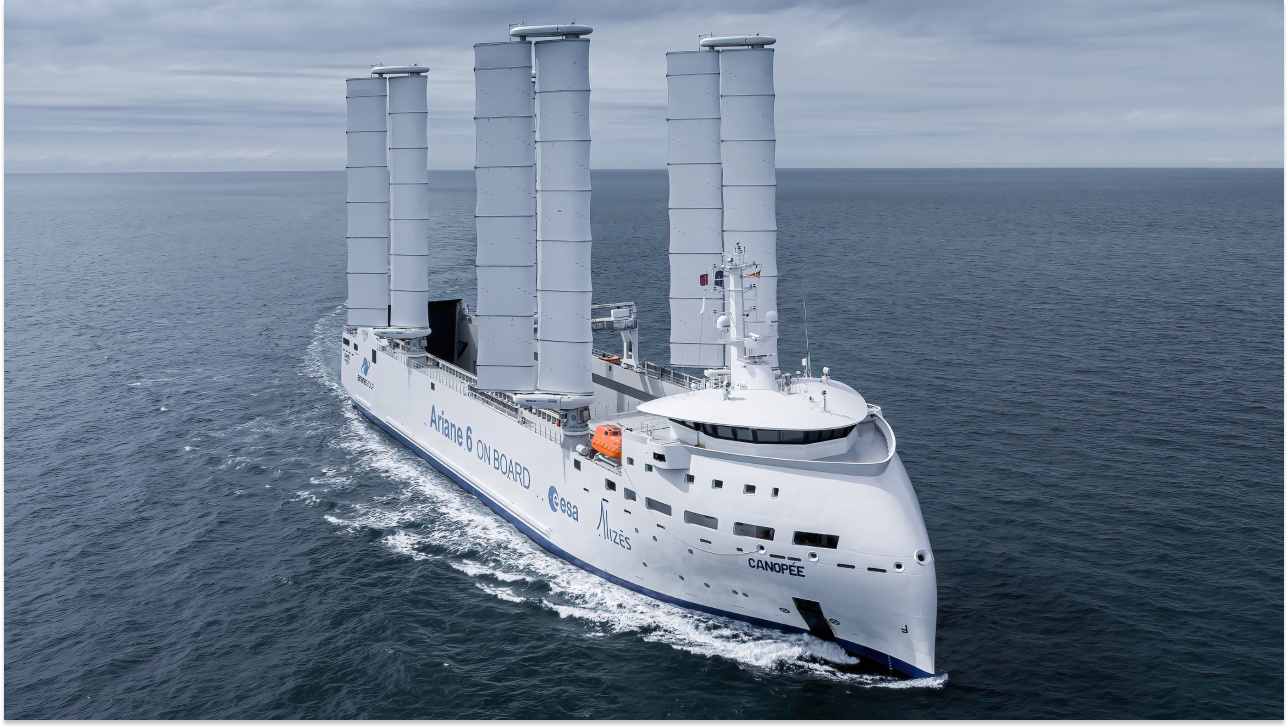
With a length of 121 meters and four rigid sails of 36 meters that automatically rotate to capture the wind, Canopée is the world’s first hybrid industrial cargo ship powered by wind, used to transport rockets and reduce fuel consumption by up to 30% on transoceanic routes.

To minimize these risks, the crew of an aircraft carrier adopts various safety measures. Among them is the intensified use of high-strength metal mooring chains. These chains are tightened to ensure that the fighter jets remain stationary on the deck, even in turbulent waters.
Aircraft Carriers Are Immense Ships with Flat Decks That Serve as Launch and Landing Platforms for Fighter Jets
In addition to mooring chains, the crew uses chocks and tie-downs on the aircraft wheels, providing an additional level of stability. They also carry out routine and detailed inspections of all mooring and tie-down systems before facing challenging navigation conditions.
Aircraft carriers are immense ships with flat decks that serve as launch and landing platforms for fighter jets. These ships are equipped with advanced propulsion systems that allow them to maintain a steady course, even in storms.
Crew on Board Is Highly Trained to Protect Fighter Jets on the Deck
Weather monitoring technology is crucial for predicting and confronting storms. Sophisticated sensors collect data on weather conditions, allowing for real-time forecasts. With this information, the crew can proactively adjust operations to ensure the safety of the aircraft and the crew themselves.
The crew on board is highly trained to protect the fighter jets on the deck. They follow strict procedures and utilize specialized equipment to ensure that the aircraft are well anchored and protected. Additionally, they work closely with weather monitoring systems to stay constantly informed about any potential dangers.








Seja o primeiro a reagir!