





 Portuguese
  English
  Spanish
  2 min of reading
  0 comments


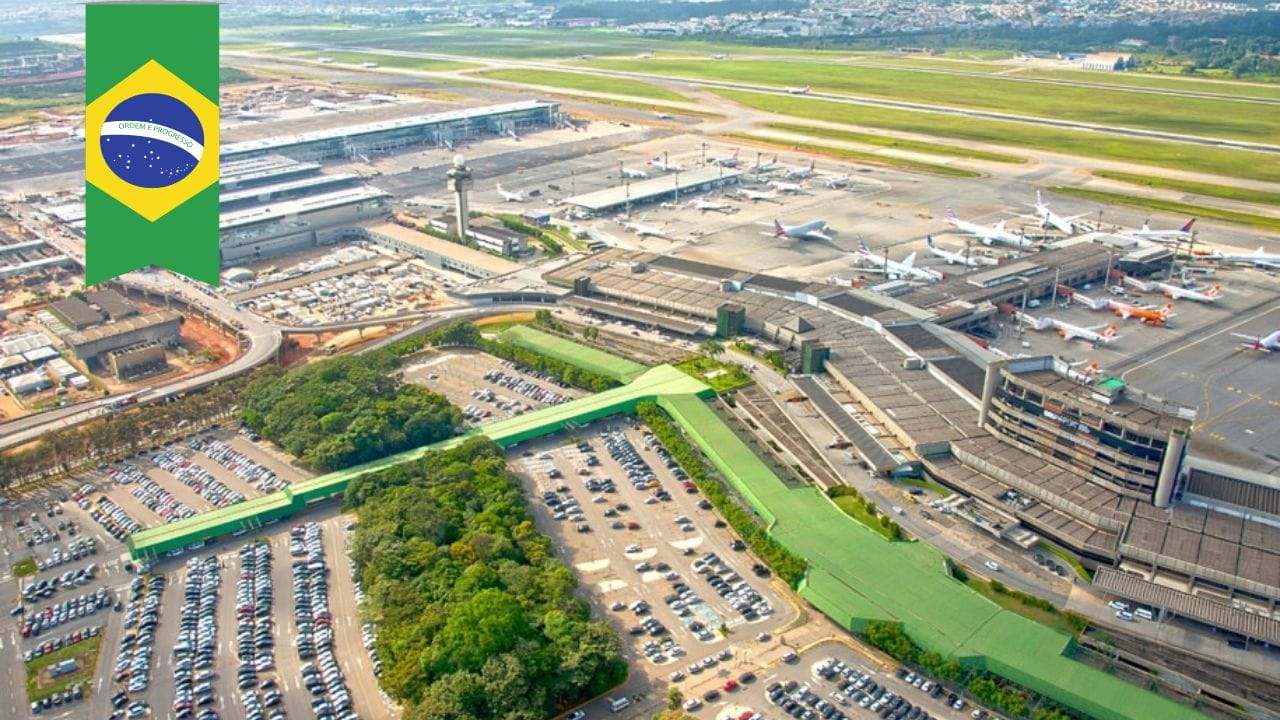
The International Airport of Guarulhos, in São Paulo, establishes itself as the largest airport in Latin America, with a history of expansion and modernization that reflects the growth of Brazilian aviation.
The idea of a new airport in São Paulo emerged in 1947, due to excessive traffic at Congonhas Airport, which recorded around 400 daily flights. Initially, several areas were analyzed, including Ibiuna and Calcaia do Alto, but the location in Guarulhos was chosen for offering lower expropriation costs and better strategic benefits for the construction of the International Airport of Guarulhos, now the largest airport in Latin America.
In 1976, the Minister of Aeronautics and the state government of São Paulo signed an agreement for the development of the new airport. Guarulhos was selected as the ideal location, receiving a donation of 10 km² from the São Paulo airbase for the project.
Initial Challenges and Construction

The initial works began in 1980, with the construction of a 3,000-meter runway and a terminal for 7.5 million passengers per year. The consortium Camargo Correa and Constran was responsible for the execution, facing delays and doubling the expected time for the completion of the first phase.
-
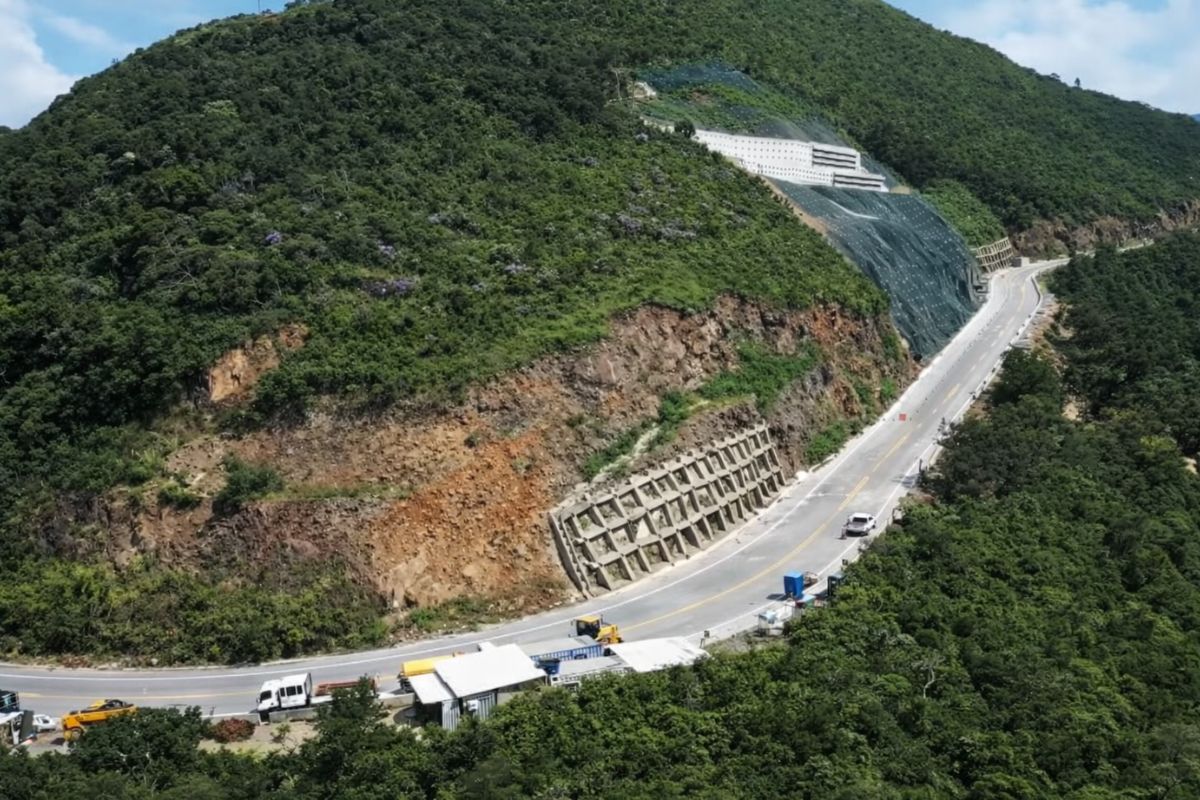
The section of Serra da Rocinha on BR-285 is now open in Timbé do Sul: 50 m tensioned curtains and top-down technique stabilize the slope, with a stairway duct controlling the water.
-
Scientists use sawdust mixed with clay to create a lighter brick, promising efficient thermal insulation and impressing by transforming waste into a solution for construction.

-
With a DNA shape, this bridge in Singapore draws attention in modern architecture and surprises tourists by transforming a simple crossing into an unforgettable visual experience in the urban heart.

-
Giant underwater pipeline begins to take shape with a R$ 134.7 million project at the Port of Santos: the 1.7 km structure uses 12-meter and 700 mm pipes to supply water to 450,000 people in Guarujá.


Over the years, the airport underwent several renovations and expansions. Terminal 3, initially planned to operate in 1998, had its capacity doubled to 12 million passengers in the new master plan. In 2014, the terminal was inaugurated, receiving its first international flight.
Privatization and Management
In 2011, the Brazilian government decided to privatize the management of the airport, with the consortium Invepar and Airports Company South Africa taking over the administration for 20 years after winning the auction with a bid of R$ 16.2 billion.
Investments and Modernization
New investments included the construction of a parking garage with 2,600 new spaces, renovations of the runways and boarding bridges, and certification for Airbus A380 operations, starting regular flights in 2017.
With a capacity for 40 million passengers per year, Guarulhos Airport became a crucial hub for air traffic in the region, reflecting the growth and modernization of Brazil’s airport infrastructure.
The International Airport of Guarulhos is an example of how Brazil overcame challenges and made significant investments to build large-scale airport infrastructure, meeting the growing demands of air transport and reinforcing its position in Latin America.










-

-

-

4 pessoas reagiram a isso.