






 Portuguese
  Spanish
  2 min of reading
  0 comments


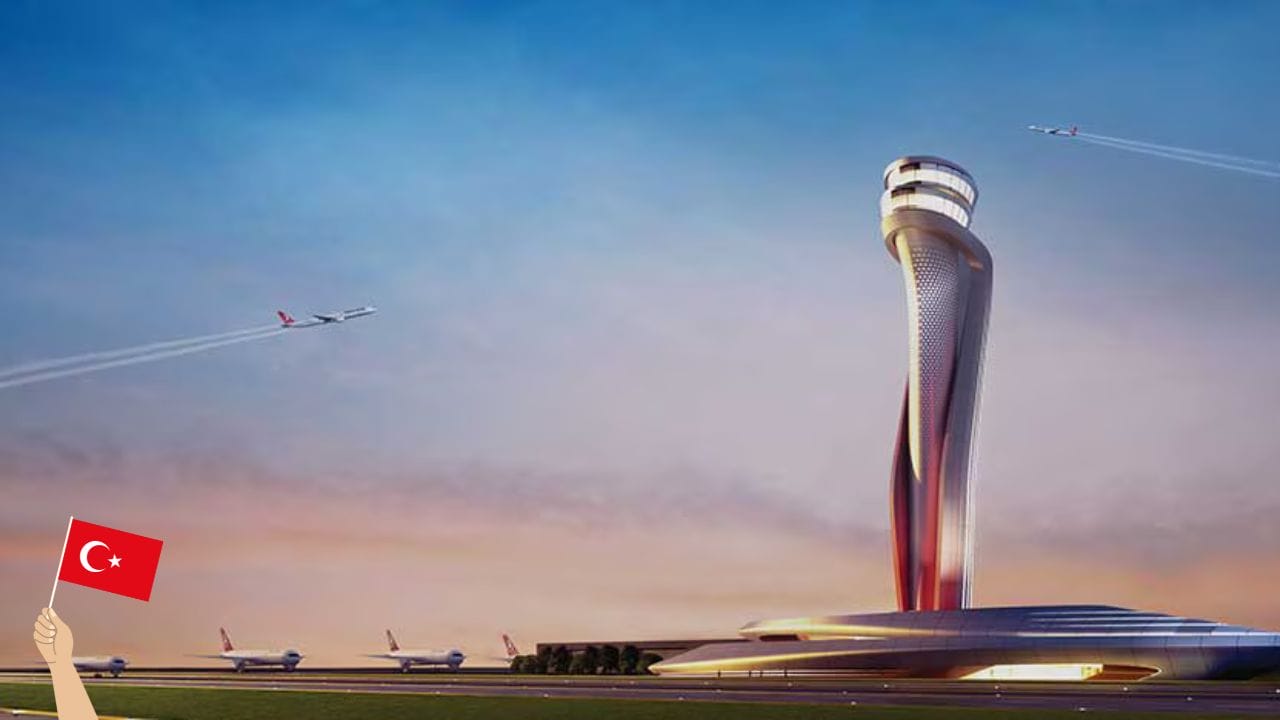
Istanbul, The Vibrant Transcontinental Metropolis of Turkey, Is Home to Istanbul International Airport, Inaugurated in 2018. This Monumental Structure Not Only Redefines Global Airport Infrastructure Standards but Also Symbolizes the City’s Ability to Reinvent Itself, Blending Past and Future.
Located about 35 km from the center of Istanbul, in the European region of the city, the airport, overlooking the Black Sea, was designed to serve over 150 to 200 million travelers per year. With over 350 routes to more than 110 countries, the main terminal covers a colossal area, incorporating cutting-edge technology and contemporary architectural design.
Infrastructure and Construction of the Project
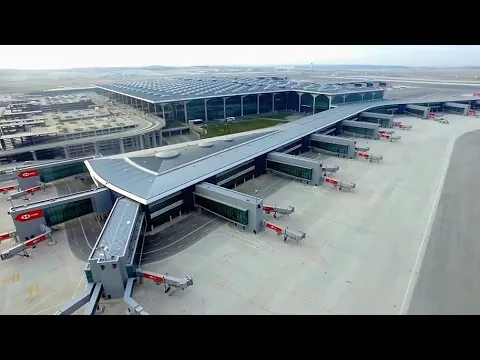

The airport has four extensive runways, ranging from 3.75 km to 4.1 km, and an impressive terminal that is a true masterpiece. Divided into boarding and arriving areas, it has five main gates, with four serving international departures and one for domestic destinations. The construction of the airport was motivated by the need to replace the overloaded Atatürk International Airport and position Istanbul as an important international hub.
The construction of Istanbul International Airport was a monumental feat, requiring world-class engineering and efficient management. Situated on an area of 7,600 hectares, the project demanded innovative techniques and materials, from advanced foundation systems to the incorporation of sustainable materials.
-
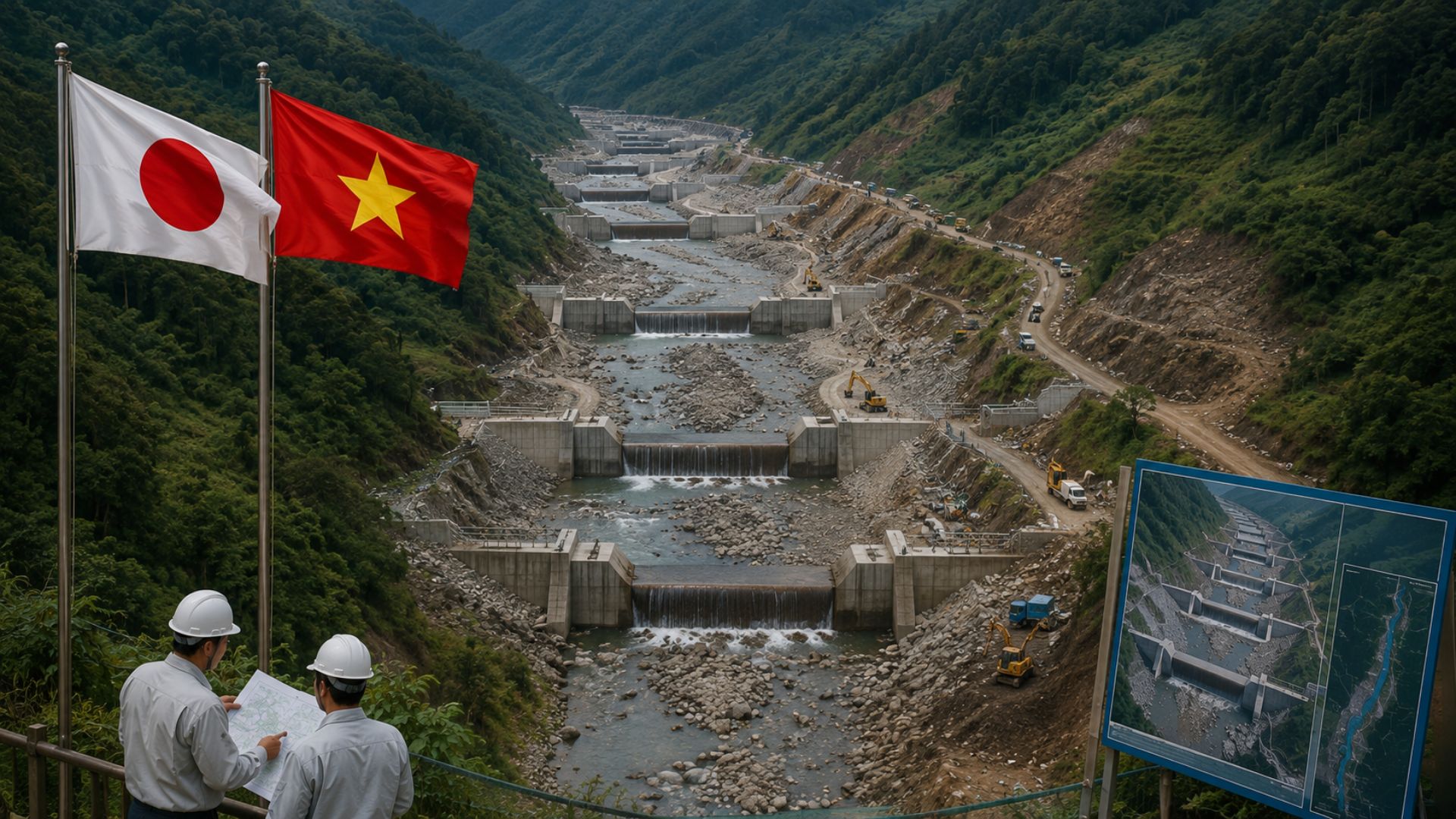
The river rose 15 meters overnight and devastated a village in Vietnam in 2025, and Japan responded with dams that hold back mud and stones, training 15,000 people for evacuation, and a sewage station for 1 million residents.

-
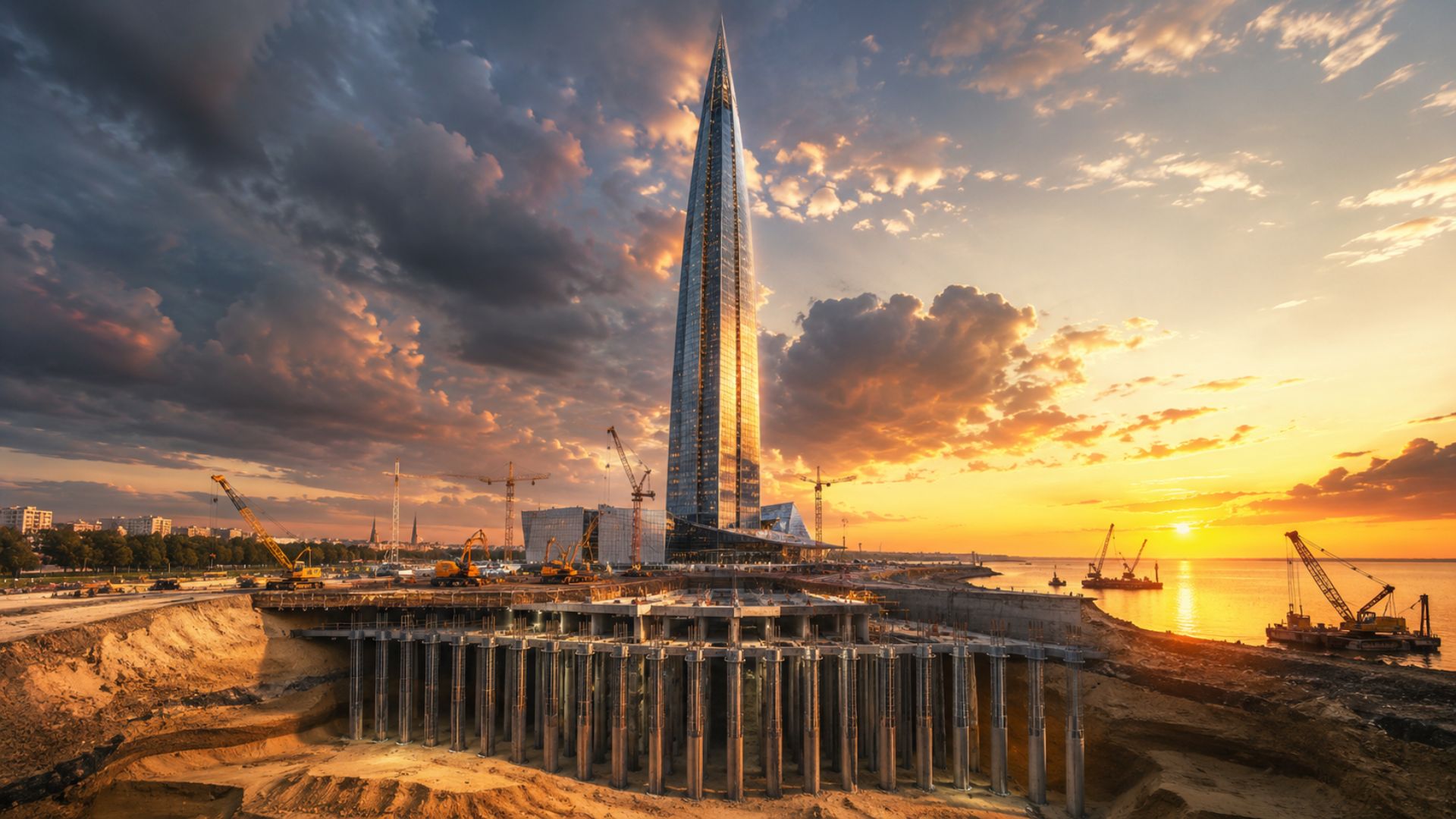
Russia erected the tallest building in Europe on ground as soft as quicksand, on the edge of the Gulf of Finland, with 264 piles of 25 meters, 30 thousand tons of steel, and 16,500 glass panels curved one by one in Saint Petersburg.
-
A mother of four sought a safer family environment, watched tutorials on the internet, built a 325 m² house with her family, and learned foundation, walls, plumbing, and electrical work without any professional experience.

-
Brazilians build modern houses 10 minutes from Disney, with luxury finishes, 3 bedrooms, 3 bathrooms, a $227 condo fee, and potential for Airbnb, targeting investors who want to use the property in Orlando and rent it out when they are not in the United States.



Stages and Expansions
The project was implemented in several phases, starting with the main terminal and planning to add two more runways and satellite terminals by 2027, increasing the total capacity by about 50 million additional passengers.
Despite the positive economic impact, the project faced criticism due to the rush in construction, destruction of green areas, and risks to workers. Nonetheless, the airport is one of the largest CO2 emitters in the country.
Comparison with Guarulhos Airport
The main terminal of Istanbul Airport, with an area of 1,440,000 m², surpasses Guarulhos Airport, whose terminals combined reach approximately 750,000 m². Istanbul offers five main gates and four extensive runways, while Guarulhos operates with three terminals and two main runways.
Istanbul Airport serves as a crucial international hub, connecting Europe and Asia and handling a wide variety of international destinations. In contrast, Guarulhos Airport is essential for international connections in Brazil, but it does not have the same volume of international traffic as Istanbul.
Istanbul International Airport is more than a transport facility; it is a landmark of human capacity to overcome challenges and create works that define eras. Representing a bridge between cultures and a symbol of Turkish vision, this airport is a testament to Turkey’s history and vibrant energy.






Be the first to react!