





 Portuguese
  English
  Spanish
  3 min of reading
  0 comments


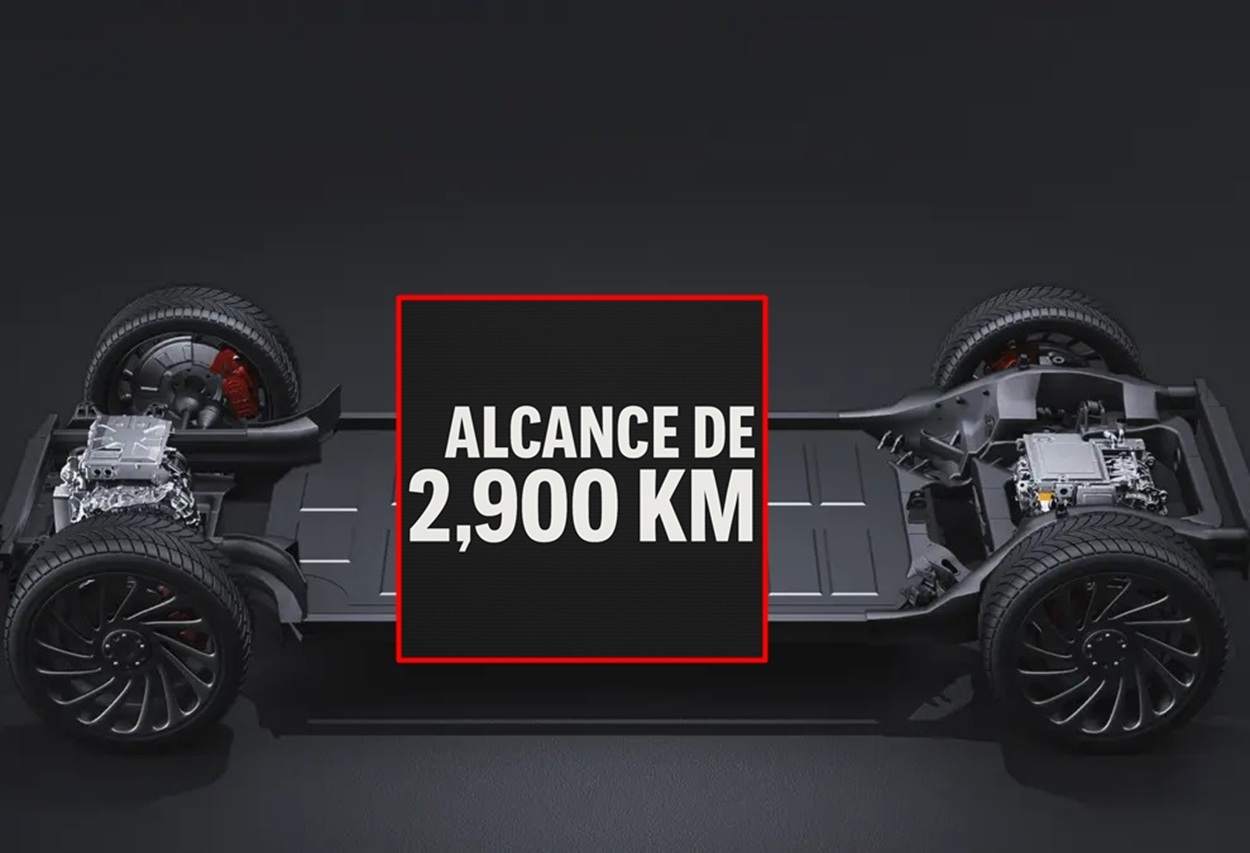
Huawei Surprises by Registering Sulfide-Based Solid-State Battery with Theoretical Range of 2,900 Km, Shaking Up the Electric Vehicle Market.
The Chinese giant Huawei surprised the automotive sector by registering a new patent for a sulfide-based solid-state battery.
The highlight is the theoretical promise of range: up to 2,900 km per charge. The technology also promises ultrafast charging, from 10% to 80% in less than five minutes.
Patent Details Innovation with Nitrogen-Doped Sulfide
The new solid-state battery uses a method of doping sulfide electrolytes with nitrogen. According to the patent application, this process aims to reduce side reactions at the interface of lithium, a common challenge in advanced batteries.
-
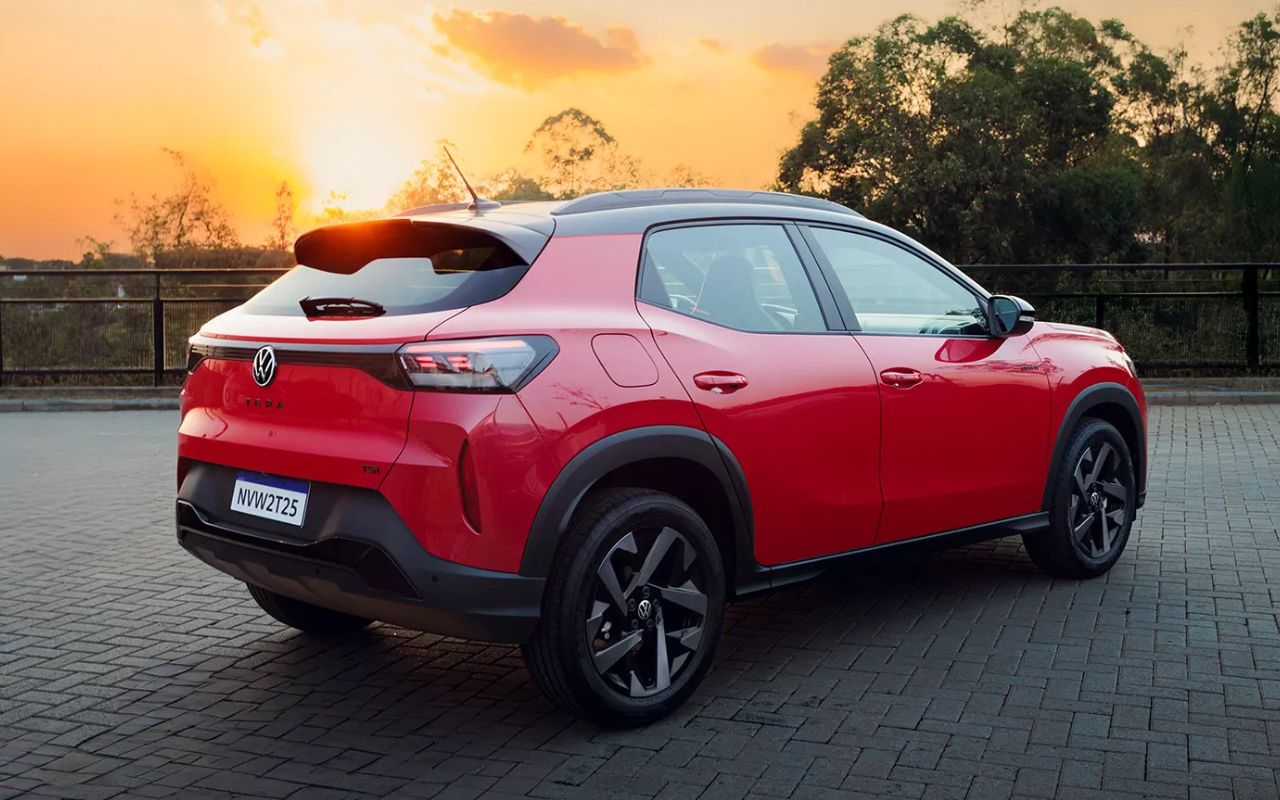
It surpassed the T-Cross, Creta, and Tracker: with nearly 8,000 units sold, the Volkswagen Tera was the best-selling SUV in March 2026.
-
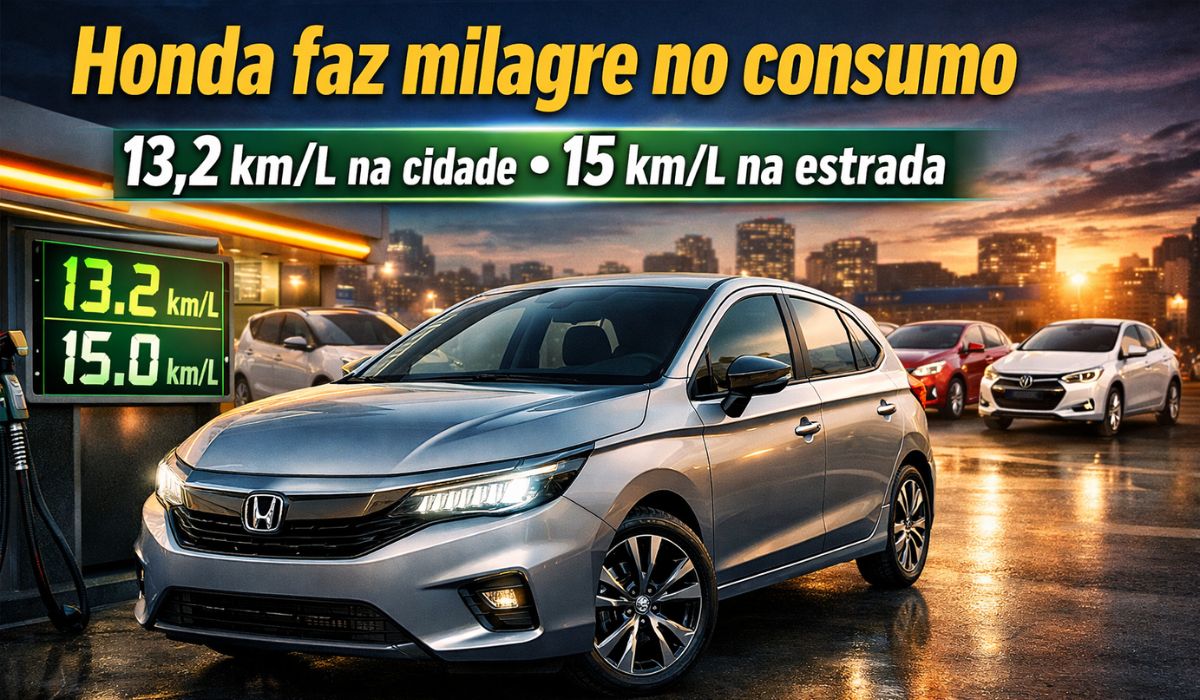
Honda performs miracles in fuel consumption with a hatch that marks 13.2 km/l in the city and 15 km/l on the highway, leaving Polo, HB20, 208, and Onix behind and becoming a reference among compact cars without resorting to turbo or hybrid systems.
-
Six diseases that seem common but can prevent the renewal of the driver’s license for the elderly throughout Brazil and surprise experienced drivers — could any of them affect you without showing clear signs?

-
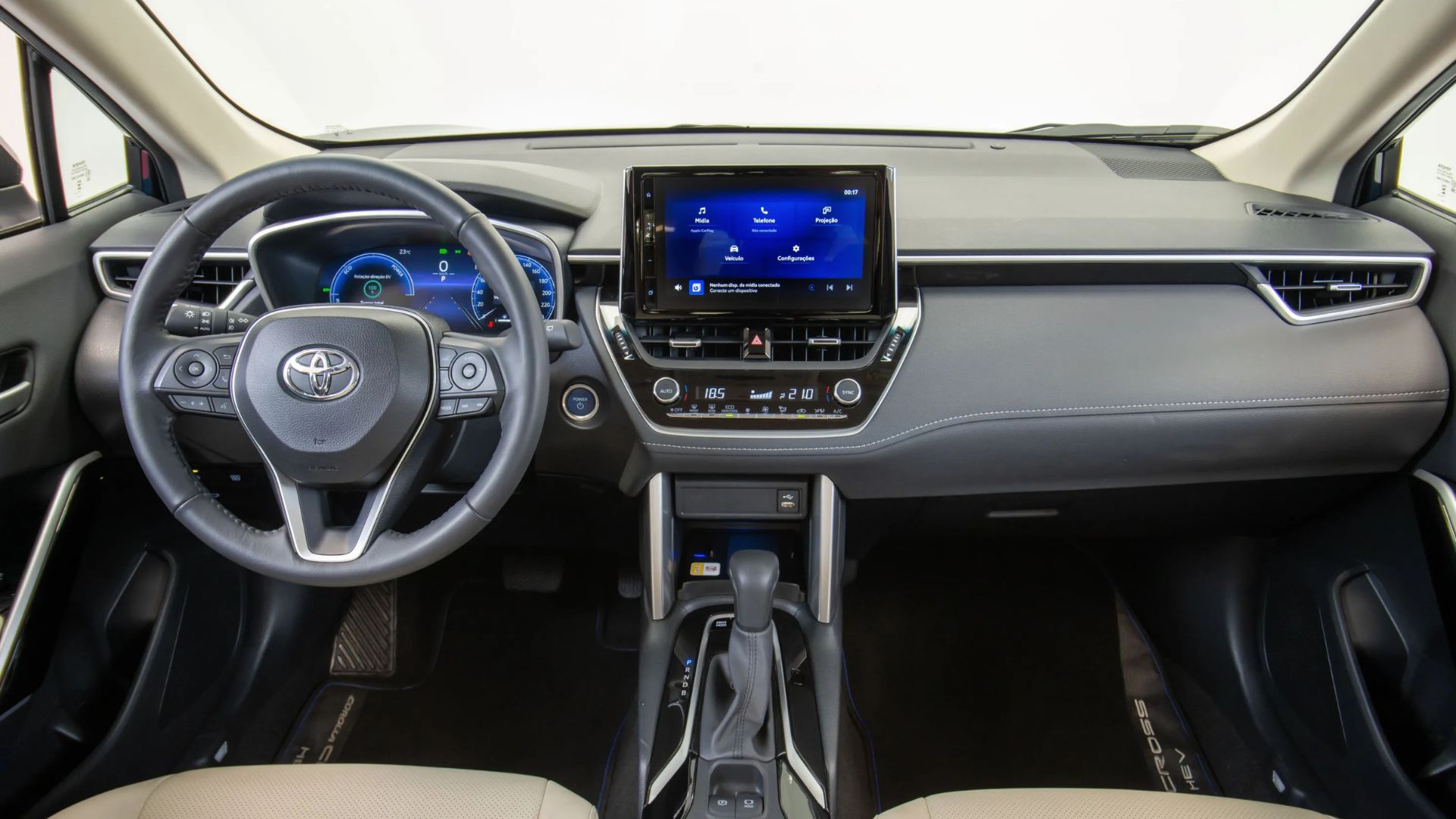
With 122 hp, fuel consumption of up to 17.7 km/l, and a trunk capacity of 440 liters, this hybrid SUV impresses even though it costs up to R$ 47,000 more than the Yaris — meet the Toyota Corolla Cross.

The expected energy density ranges from 180 to 225 Wh/lb — about two to three times higher than that of conventional batteries currently used in electric vehicles.
Despite the disclosure of the registration, Huawei keeps the main details secret.
This movement occurs in a context of strong global competition for the safe and large-scale production of solid-state batteries. The technology is considered the next major leap in electric mobility.
Huawei Does Not Manufacture Cars, but Collaborates with Automakers
Huawei does not manufacture vehicles under its own brand, but has been partnering with various automakers.
The company has focused on providing advanced technologies, such as smart systems and, now, energy storage solutions.
Huawei’s entry into the battery field has garnered global attention. Companies like BMW, Mercedes-Benz, Volkswagen, and BYD are also competing for advancements in this area. The promise of lighter, safer, and faster-charging batteries could transform the electric vehicle sector.
Experts Urge Caution with Theoretical Figures
Despite the initial excitement, industry analysts remind us that the presented data are still theoretical.
For the battery to achieve the promised range and the announced charging time, the development of an adequate charging infrastructure will be necessary, which is still commercially nonexistent.
Even so, the announcement has raised the level of attention towards Huawei.
The company had previously shown interest in battery materials and, in early 2025, registered another patent involving the production of sulfide electrolytes.
This component is considered key for solid-state batteries, although its cost is high — in some cases, more expensive than gold.
China Leads Global Race for Solid-State Batteries
The announcement also strengthens China’s prominence in the electric vehicle sector.
The country is the leader in solid-state battery patent registrations, with about 7,600 new registrations per year. This represents 36.7% of global activity in this field.
CATL, based in China, plans to begin pilot production of hybrid solid-state batteries by 2027. However, experts point out that timelines may be longer. Meanwhile, Japanese companies like Toyota, Panasonic, and Samsung continue to invest in their own solutions.
The latest bet from Toyota was a prototype with a range of 1,200 km and a 10-minute charging time, expected to hit the market in the next five years.
With the new patent, Huawei shows that it intends to play an important role in the next generation of electric mobility. Even without manufacturing cars, the company is positioning itself among the leaders in developing technologies that could redefine the future of the industry.








-

Uma pessoa reagiu a isso.