





 English
  Francês
  Alemão
  Italiano
  Japonês
  Norueguês
  Portuguese
  Spanish
  4 min of reading
  0 comments


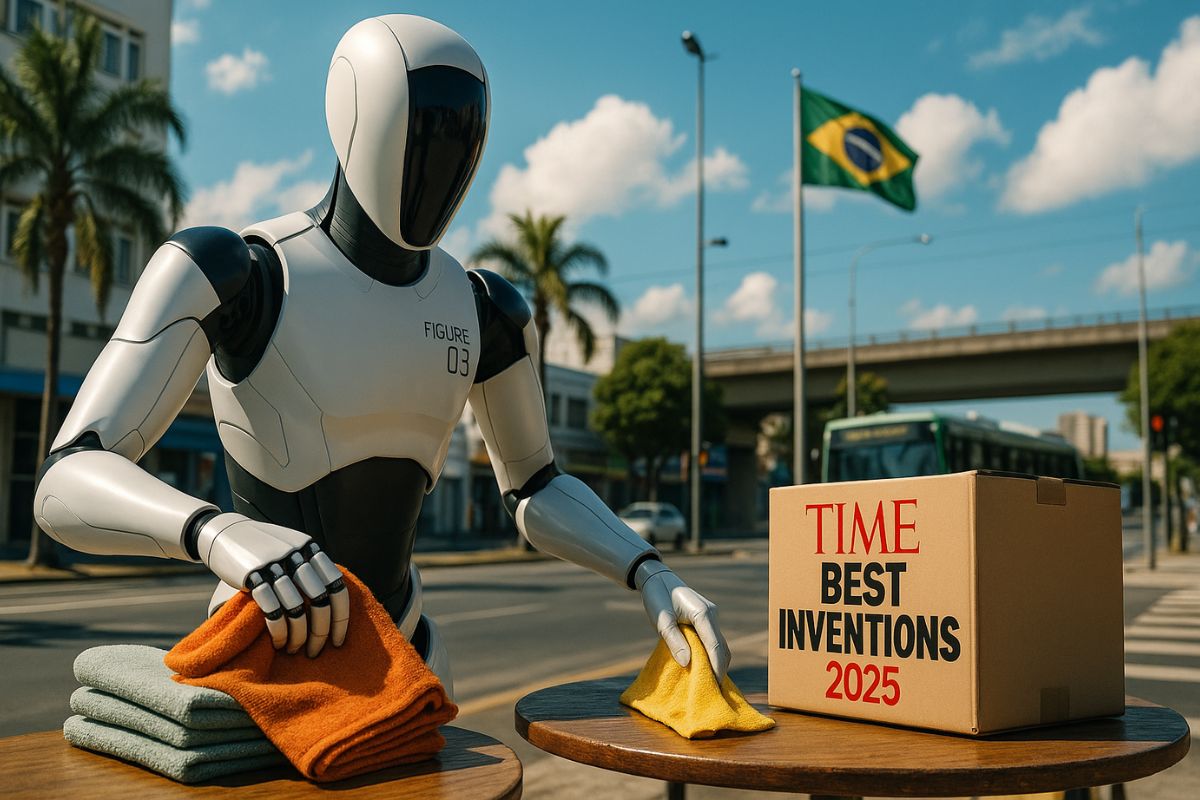
New Generation Of Humanoid Robot Figure 03 Surprises By Performing Household Tasks With Autonomy, Such As Folding Clothes And Organizing Objects, And Consolidates The Global Race For Machines That Imitate Human Behavior.
The humanoid robot Figure 03 was chosen as one of the best inventions of 2025 by Time magazine, after demonstrating the ability to fold clothes, clean tables, and make small deliveries almost autonomously. Developed by the American company Figure, the model was officially launched this Thursday (9) and represents one of the most ambitious advances in the field of domestic and industrial robotics.
The innovation reinforces a trend: large technology companies are investing in the creation of multifunctional humanoids, capable of performing daily tasks and learning from the environment. Among the investors in Figure are names like Nvidia, OpenAI, Microsoft, and billionaire Jeff Bezos, which places the project on the same level as competitors like Tesla’s Optimus and the Unitree dog robot from China.
A Humanoid Robot With Real Functions
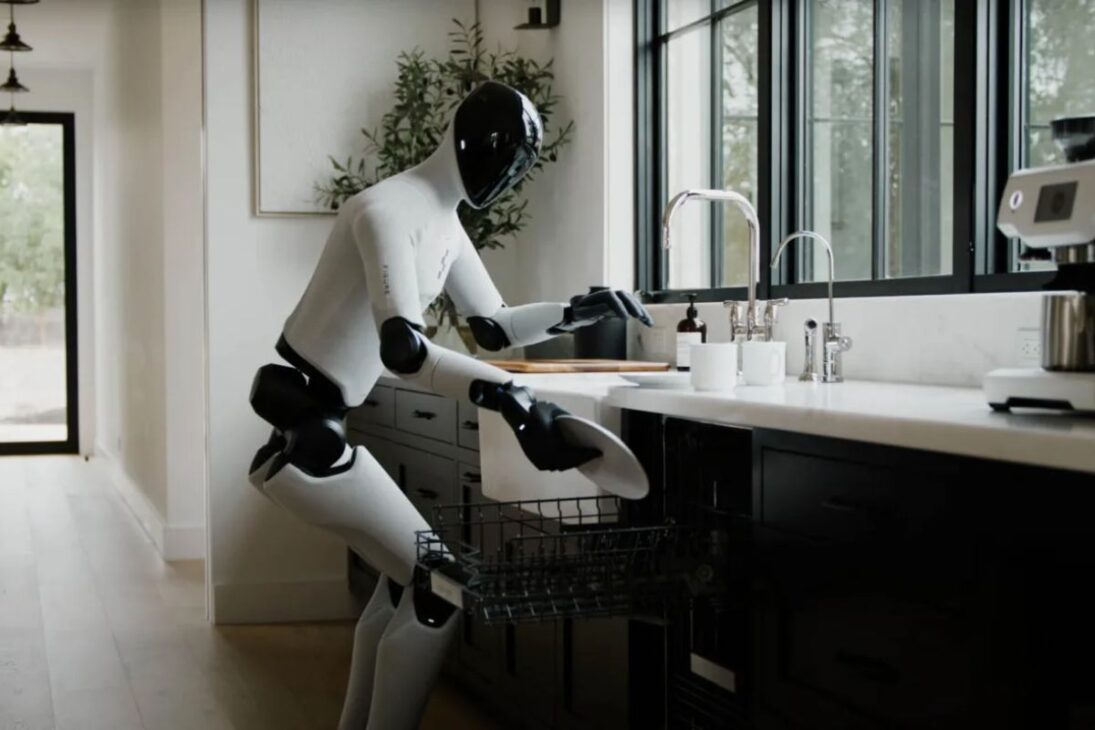
The Figure 03 is the third generation of the line and the first model designed for mass production, according to the company.
-
At just 14 years old, a boy creates a system without energy, using steel pipes buried in the ground, that irrigates seedlings with moisture from the air, to combat the water scarcity threatening reforestation in northern China.

-
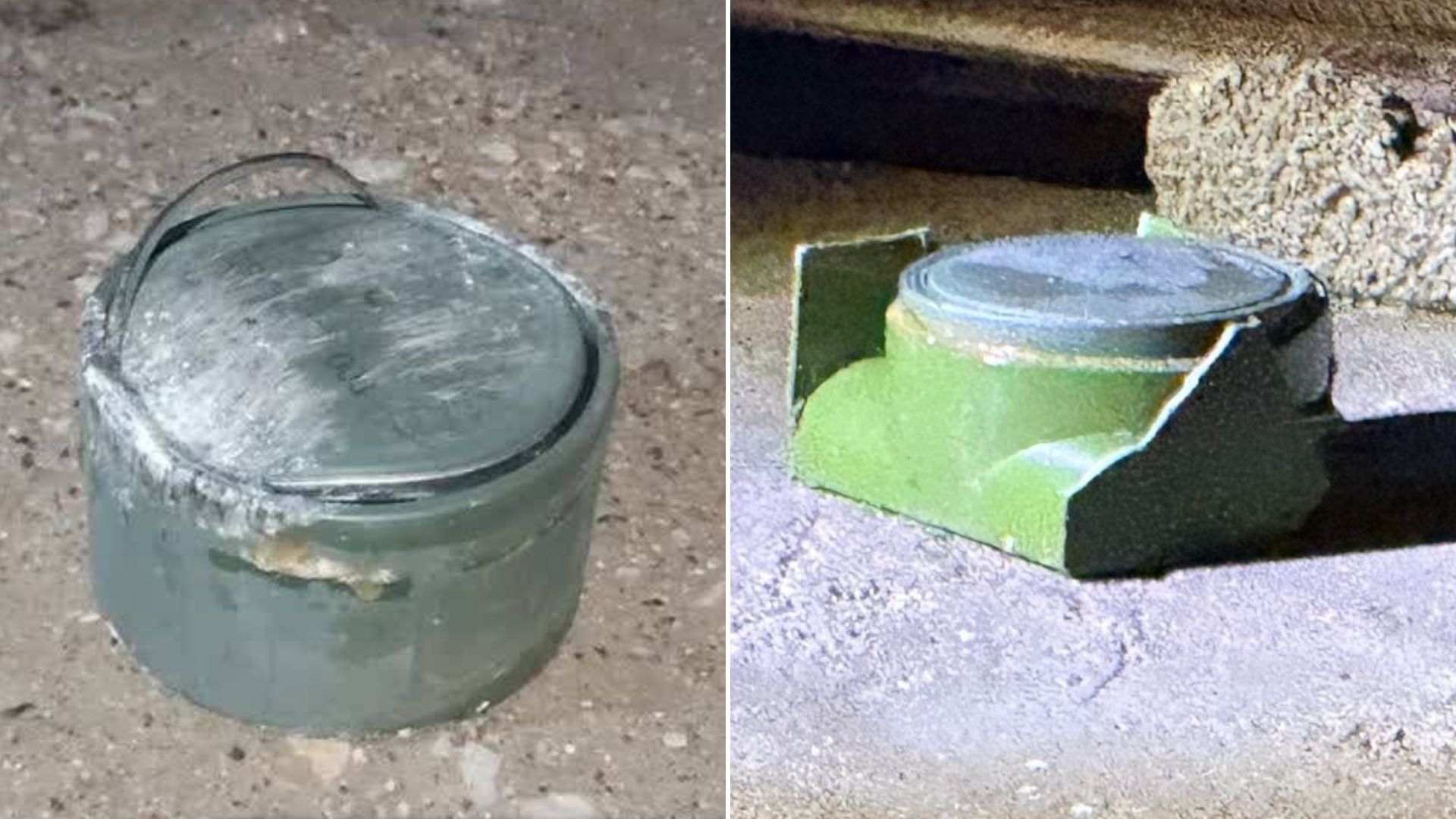
Anti-tank mines appear near a missile base in Iran, causing fatalities and raising suspicion of a new move to block underground launchers.
-
Contaminated water from uranium threatens mining areas, and Chinese scientists have created a solar-powered living filter that could change environmental decontamination.

-
Archaeologists find in Mexico a sacrifice altar over 1,000 years old, surrounded by skulls, human bones, and signs of rituals from the Toltec Empire.

It can load clothes and detergent into the washing machine, sort objects, and handle delicate items, such as eggs and playing cards—tasks that require precise movement and refined visual recognition.
During tests monitored by Time, the robot showed promising performance, but still had occasional flaws, such as knocking over pieces of clothing when trying to place them in the washer.
Even so, engineers highlight the leap in efficiency compared to previous versions, confirming the technology’s potential.
How The Humanoid Robot Learns To Act Like A Human
The Figure 03 operates based on the Helix neural network, an artificial intelligence system created by Figure itself to simulate human cognition and reflexes.
The structure is divided into three parts: one responsible for logical reasoning, another for motor control, and a third dedicated to balance and stability of the body.
This combination allows the robot to interpret the environment, make decisions, and execute coordinated actions, such as walking, holding objects, and responding to voice commands.
To learn to fold clothes, for example, the system was trained with 80 hours of videos of real people performing the task—a small volume, but enough to form a basic behavioral pattern.
Enhanced Design And New Generation Of Sensors
The model has become lighter, going from 80 kg to 70 kg, but maintained 1.68 m in height and the capacity to carry up to 20 kg.
Its joints have been redesigned for greater agility, and the hands have a finer structure, allowing for the manipulation of small objects.
Another highlight is the “spatial memory” feature, which allows the robot to remember the position of objects and locations.
It also responds to voice commands and can automatically repeat tasks based on observing human movements.
These improvements were designed for the Figure 03 to operate in different contexts—from household tasks to industrial operations.
At BMW, for example, the previous generation of the robot is already working 10 hours a day on the assembly line, assisting humans in repetitive processes.
The Humanoid Robot And The Challenge Of Total Autonomy
According to founder and CEO Brett Adcock, Figure’s goal is that by 2026 the robot will be fully autonomous in homes, capable of performing household tasks all day.
“We want the humanoid robot to be able to do most things at home, autonomously, all day long. We are not there yet, but we are close,” the executive told Time.
Adcock acknowledges, however, that the path to perfection is long. The Figure 03 still depends on adjustments in the neural network to enhance its coordination and contextual perception.
Nonetheless, the company believes that the model opens a new chapter in the interaction between humans and machines, especially for its potential for continuous learning.
The Economic Impact And The Billion-Dollar Bet On Humanoids
Figure, founded in 2022 in Silicon Valley, already has 360 employees and a market valuation of US$ 39 billion, following a funding of US$ 1 billion received in September.
Adcock’s expectation is that in a decade, the largest company in the world will be a humanoid robot manufacturer, with an estimated market of US$ 40 trillion (about R$ 215 trillion).
The entrepreneur’s vision is bold: he believes that every home and business will have at least one humanoid, working in areas such as healthcare, construction, and even space missions. “There will be billions of robots in the workforce.
They will be in hospitals and, in the future, help build colonies on other planets,” he stated.
The Figure 03 marks a new phase in robotics: machines that not only imitate but learn from human behavior.
Still imperfect, the humanoid robot shows that the boundary between assistance and autonomy is shrinking rapidly.
And you, would you trust a robot like the Figure 03 to take care of your home or work by your side? Do you think this technology will bring more comfort or more risks? Leave your opinion in the comments—we want to know how far you would let a humanoid participate in your daily life.








Seja o primeiro a reagir!