





 Portuguese
  English
  Spanish
  2 min of reading


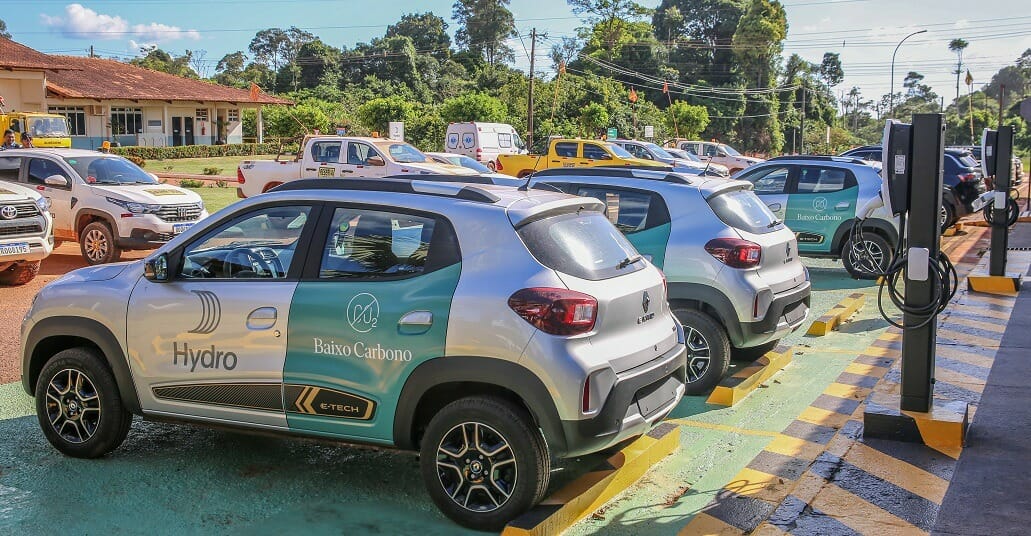
In A Bold Move, Hydro Paragominas Bets On Electrifying Its Fleet To Reduce Carbon Footprint
Hydro Paragominas has recently incorporated 10 electric vehicles into its fleet, replacing conventional diesel-powered models. This transformation reflects an impressive reduction of 119,658 tons of CO2 per year, equivalent to planting 1,660 trees over five years. With a range of 198 km per charge, these vehicles mainly operate within the unit, providing sustainable support for internal operations. Next year, more opportunities will be explored for replacing diesel vehicles with electric models.
The Transition To Electric Vehicles And Its Environmental Impact
“This move aligns with many of the initiatives we are developing and highlights our commitment to sustainability. Today’s change has a significant impact on the society we want for tomorrow. Electric vehicles are much less polluting than conventional models. There is enormous potential in this market, and there is still much to be developed in terms of technology. We want to be part of these changes, and that’s why we are investing in this area,” analyzes Eduardo Pedras, contract manager at Hydro Paragominas.
The Electrification Of Vehicles Is An Unquestionable Global Trend. Western European nations have already set short deadlines to eliminate combustion engines from their fleets. Even indirectly, this movement is starting to influence Brazil, which is getting accustomed to the technology and receiving an increasing number of fully electric imported models.
-
Oncorp wins auction and enables biodiesel and gas thermal plants in Brazil, with strategic projects in Suape and Xavantes Aruanã.

-
Raízen Recovery: Shell Cosan May Reduce Control After R$ 65 Billion Debt

-
Outback Montes Claros: Chain Confirms First Unit in Northern Minas in 2026

-
Inpasa Creates Advisory Council and Brings José Olympio to Strengthen Corporate Governance


The Reduction Of CO2 Emissions And The Measures Adopted By Hydro
According to the International Council on Clean Transportation, electric vehicles with medium-sized batteries emit between 60% and 80% less carbon than combustion vehicles over their useful lives. In Brazil, where 85% of electricity comes from renewable and clean sources like hydropower, using an electric car for ten years would emit only 17.6 tons of CO2.
In line with Hydro’s decarbonization strategy by 2030, another measure is modifying the rental contract for light vehicles, replacing 50% of the diesel fleet with ethanol-powered vehicles. “With this initiative, we will also see a reduction in TCO² emissions, which will be 2,877 TCO², equivalent to 7,860 trees planted,” emphasizes Eduardo.
Another recent action by the company to strengthen its commitment to emission reduction and neutralization targets was joining the Pact for Climate, an integral part of the Paragoclima project from the municipality of Paragominas. This project, developed by the Paragominas Department of Environment, aims to achieve zero greenhouse gas (GHG) emissions within seven years, by 2030, in collaboration with leaders and social actors, public and private institutions committed to creating public policies to combat climate change.










Seja o primeiro a reagir!