






 Portuguese


The production of the hydrogen fuel cell version is scheduled for 2028 in Europe, where the pickup will be offered alongside battery electric, mild hybrid, and diesel alternatives. The numbers disclosed so far are still development targets, not definitive specifications.
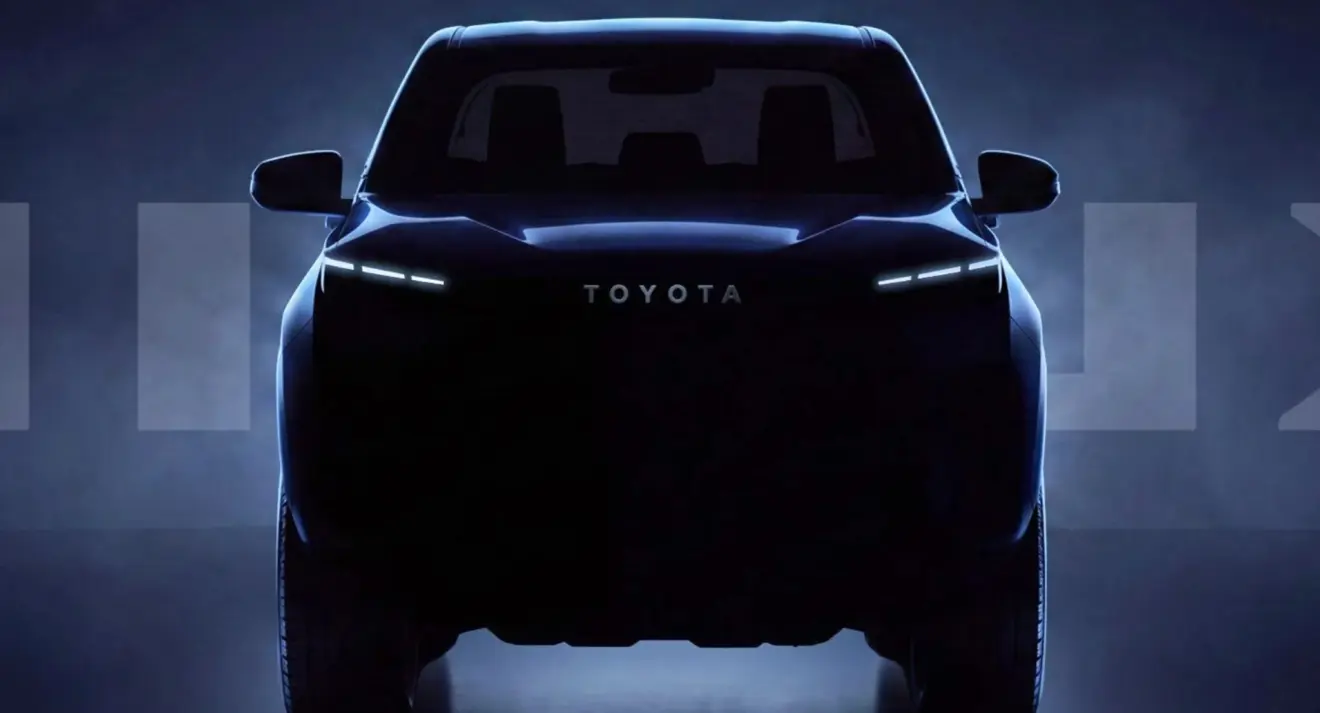
Toyota has confirmed that the hydrogen fuel cell-equipped Hilux will enter mass production starting in 2028 in Europe. The pickup will be part of a range with various propulsion systems, including battery electric, 48V mild hybrid, and diesel versions in selected markets.
During the IAA Transportation 2026 event in Hanover, Toyota Motor Europe reported that the upcoming FCEV aims to exceed 400 km of range on the WLTP cycle and tow up to 2,500 kg. Power, tank capacities, hydrogen consumption, payload, and final configurations have yet to be disclosed.
-
Does Car Audio Increase Fuel Consumption? Gol AP Runs 10 Minutes Less During High Volume Test

-
Uno Mille Reached Nearly 1 Million Kilometers as a Company Car, Equivalent to About 25 Trips Around the Earth, Becomes a Symbol of Outdated Car Logic
-
These are the 6 used automatic cars with the most defects in Brazil in 2026, according to Procon and Reclame Aqui history, with repairs potentially exceeding R$ 15,000
-
Volkswagen Develops Four-Seater Electric Vehicle That Consumes Only 6.48 kWh per 100 km, Covers 1,278 km on a Single Charge, and Sets Three Records Without a Giant Battery


Hydrogen Generates the Electricity Used by the Motor
Despite the nickname of “water-powered” Hilux, the fuel stored in the vehicle is hydrogen. In the fuel cell, this gas reacts with oxygen to produce electricity for the motor, while water is produced as a byproduct of the process.
This design maintains electric traction without relying on a large-capacity battery as the primary power source. Toyota states that fueling its fuel cell vehicles at a compatible station can be completed in under five minutes.
This time reduces the downtime necessary for energy replenishment but depends on the availability of refueling stations capable of providing hydrogen under the required conditions for the system. Therefore, the refueling infrastructure remains a practical condition for adopting the model outside operations served by specific networks.
The European Hydrogen Observatory monitors public and operational stations across the continent. The European Union has also set targets to enhance this structure, including hydrogen stations along the main trans-European transport network by 2030.
Hilux FCEV Will Have a Different Proposition from Battery Electric
The electric Hilux presented for the European market uses a 59.2 kWh battery, has all-wheel drive, and has an approved combined range of up to 257 km on the WLTP. The announced towing capacity for this version is 1,600 kg.
If the goals set for the FCEV are met in the production vehicle, the difference will be at least 143 km in combined range and 900 kg in towing capacity. However, the comparison involves a version already homologated and another whose figures remain as engineering targets.
The distinction is important because the more than 400 km and 2.5 tons do not yet represent the definitive technical specifications of the hydrogen Hilux. The manufacturer will be able to outline other parameters of the assembly before the production begins in 2028.
The strategy allows Toyota to maintain distinct alternatives for different commercial applications. In the case of the fuel cell, the company aims to combine electric operation, fast refueling, and greater operational capacity without solely relying on the battery system used in the BEV version.
Project Started with Prototypes in the UK
The development of the hydrogen-powered Hilux began before the confirmation of mass production. In 2022, Toyota’s British division launched a study to adapt components from the second generation of the fuel cell system used in the Mirai sedan to the pickup truck.
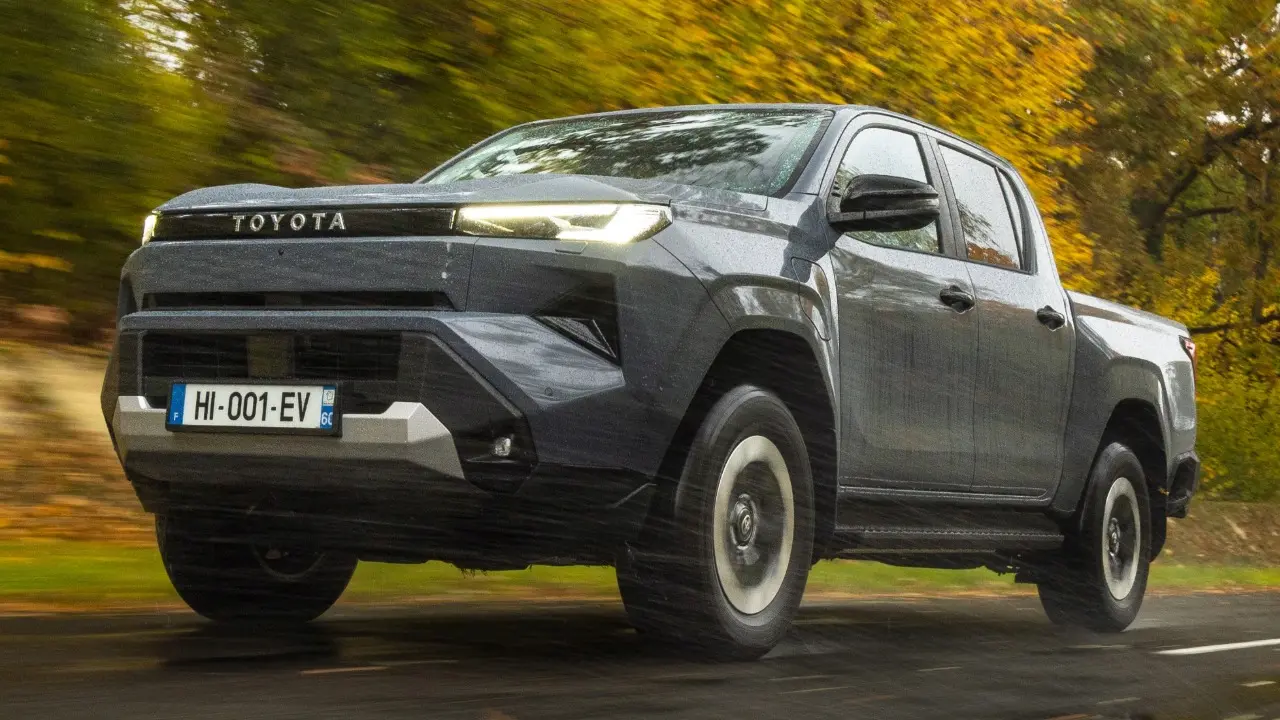
The first complete prototype emerged in September 2023. Later, the Derby factory in England produced ten experimental units: five intended for safety, performance, functionality, and durability tests, and five used for demonstrations to customers and the press.
These vehicles utilized three high-pressure hydrogen tanks with a total capacity of 7.8 kg, along with a small lithium-ion battery for energy storage. The electric motor installed in the rear axle delivered 134 kW, equivalent to 182 horsepower DIN, and 300 Nm of torque.
In the experimental configuration, Toyota was estimating a range of up to 600 km. This figure should not be confused with the goal of over 400 km in the WLTP for the future production version, as the numbers correspond to different stages of the project and were not disclosed under the same parameters.
The Hilux FCEV is also part of Toyota Professional’s expansion plans in Europe. The manufacturer aims to exceed 165,000 commercial vehicles sold by 2026 and has set a goal to reach 200,000 annual units and 8% market share by 2030.
Battery electric models represent 22% of sales in the European division, according to the figures presented by the company in Hanover. At the same time, the portfolio maintains 48V Hybrid and diesel alternatives in specific markets, including engines compatible with renewable HVO fuel.
Before the anticipated production in 2028, the hydrogen system will undergo another stage of development in competitive conditions. Toyota Gazoo Racing confirmed an experimental Hilux FCEV for the 2027 Dakar Rally, focusing on reducing the size of the fuel cell, thermal control, and the durability of the setup.


