Portuguese
  Spanish





Technology Present In Most Vehicles Sold In Brazil Has Its Origins In An Innovative Project By Two Brazilian Engineers In The 1930s. Learn How Modern Automatic Transmission Was Born.
The automatic transmission, present in more than 60% of cars sold today in Brazil, has a little-known origin, but of great historical importance: it was conceived by two Brazilian engineers in the 1930s.
José Braz Araripe and Fernando Iehly de Lemos created what would become the embryo of the modern automatic transmission system, widely adopted by the global industry.
The Brazilian project eliminated the need for a clutch pedal and performed gear shifts automatically, with a hydraulic system and planetary gears. An innovative and functional solution for the time.
-
End of an era in Brazil: beloved sedan by Brazilians is discontinued despite having a 2.0 engine with 151 hp, CVT transmission, 466-liter trunk, and up to 650 km of range.

-
New Law Proposal in Brazil Could Heavily Penalize Drivers: Dangerous Overtaking May Become a Serious Offense with Fines Increased Tenfold and a 12-Month License Suspension; Update on 2026 Progress

-
Electric Revolution: Watts W125 Motorcycle Offers 160 km Range, 90 km/h Speed, and Affordable Price Starting at $3,000
-
General Motors Replaces Over a Thousand Workers with 50 Cobots at Electric Vehicle Plant, UAW Union Criticizes Move Amid Industry’s Automation Push




Brazilian Patent Became The Basis For Modern Transmission
In 1932, Araripe and Lemos registered their patent in the United States. Shortly thereafter, General Motors bought the rights to the invention and, in 1940, launched the Hydra-Matic system in the Oldsmobile.
It was the first mass-produced car with a reliable automatic transmission.
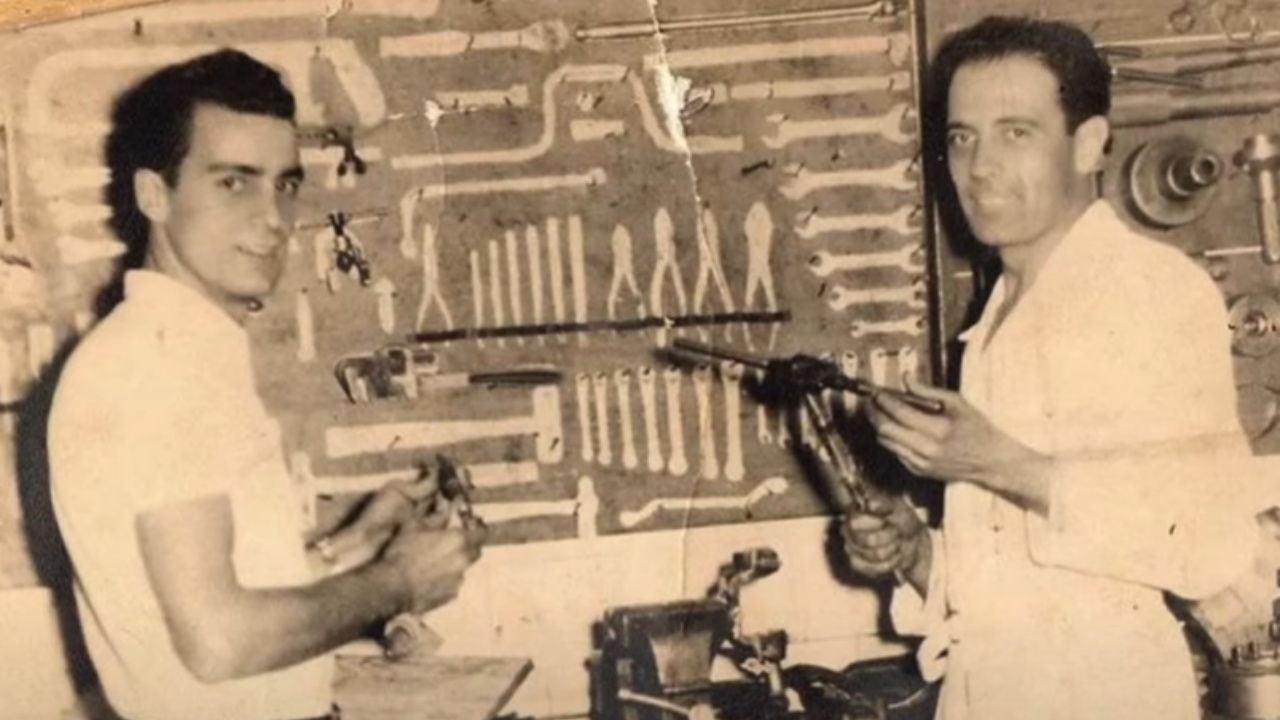
The Brazilian invention allowed the technology to be produced at scale, something that previous systems could not offer. This marked the beginning of the modern era of automatic transmissions.
International Evolution Had Several Attempts Before The Brazilians
Despite the achievement of the Brazilian duo, other inventors had already attempted to automate transmission before the 1940s.
In the United States, in 1904, the Sturtevant brothers created a two-speed transmission with a centrifugal system. It was innovative, but fragile and unstable.
In 1921, Canadian engineer Alfred Horner Munro developed a pneumatic transmission. Although he registered the patent, the project was poorly efficient.
During the 1930s, European manufacturers, such as Peugeot and Mercedes-Benz, tested semi-automatic systems. The Cotal and Vorwählgetriebe used electromagnetic gears and automatic clutches, but still depended on some driver intervention.
From Hydra-Matic To The Electronic Transmission Of Current Cars
Following the launch of the Hydra-Matic, the automatic transmission began to evolve rapidly.
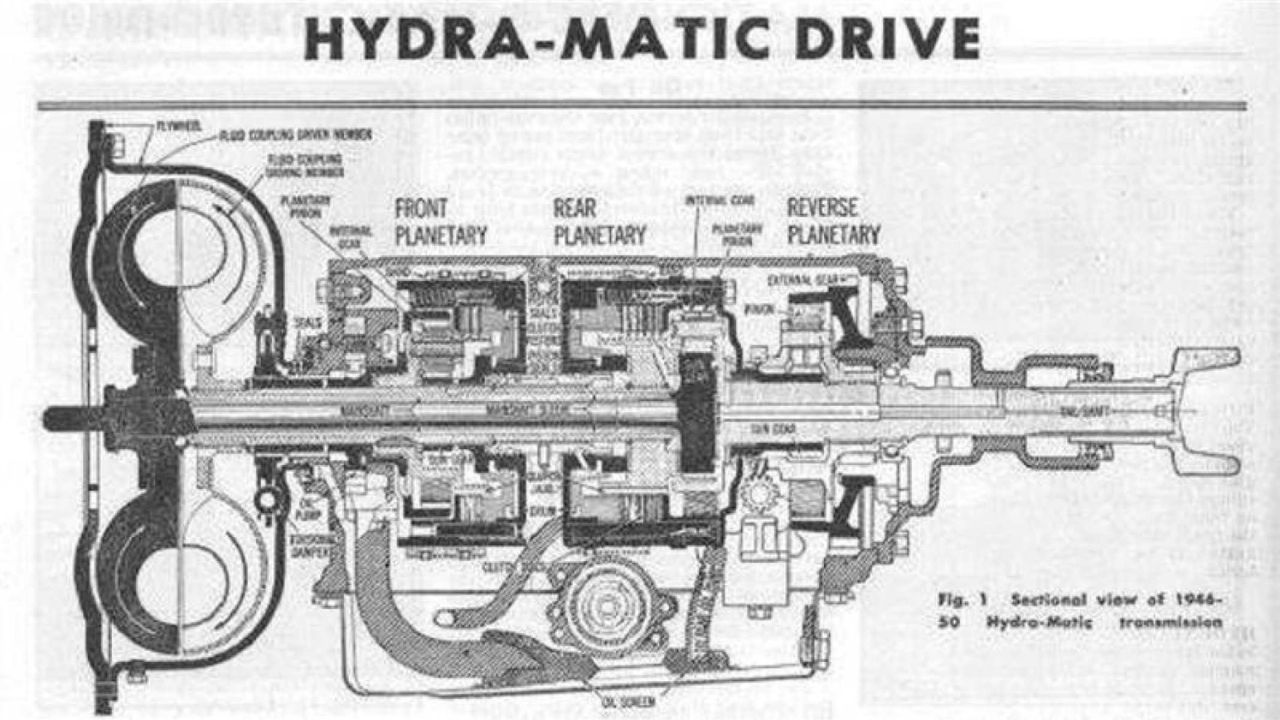
In 1950, Buick introduced the Dynaflow, which offered even smoother shifts with a new type of torque converter.
In the following decades, electronic and automated systems emerged. The 1980s and 1990s saw the rise of solutions like Volkswagen and Audi’s Tiptronic and CVT transmissions, with continuous variation.
By the 2000s, dual-clutch transmissions became prominent, combining the efficiency of manuals with the comfort of automatics.
The Brazilian Influence Remains On The Streets
Even with so many advancements, the principle used by the Brazilians is still present in the foundation of most current systems. The combination of hydraulics, planetary gears, and automation continues to serve as a reference.
The history shows that the contribution of the Brazilians was decisive. Without the patent registered in the U.S. by José Braz Araripe and Fernando Iehly de Lemos, the launch of the Hydra-Matic by GM could have been delayed—or taken a different course.
What began with two innovative engineers ultimately influenced generations of engineers around the world, forever changing the way we drive.
With information from Vrum.