





 Portuguese
  English
  Spanish
  5 min of reading
  7 comments


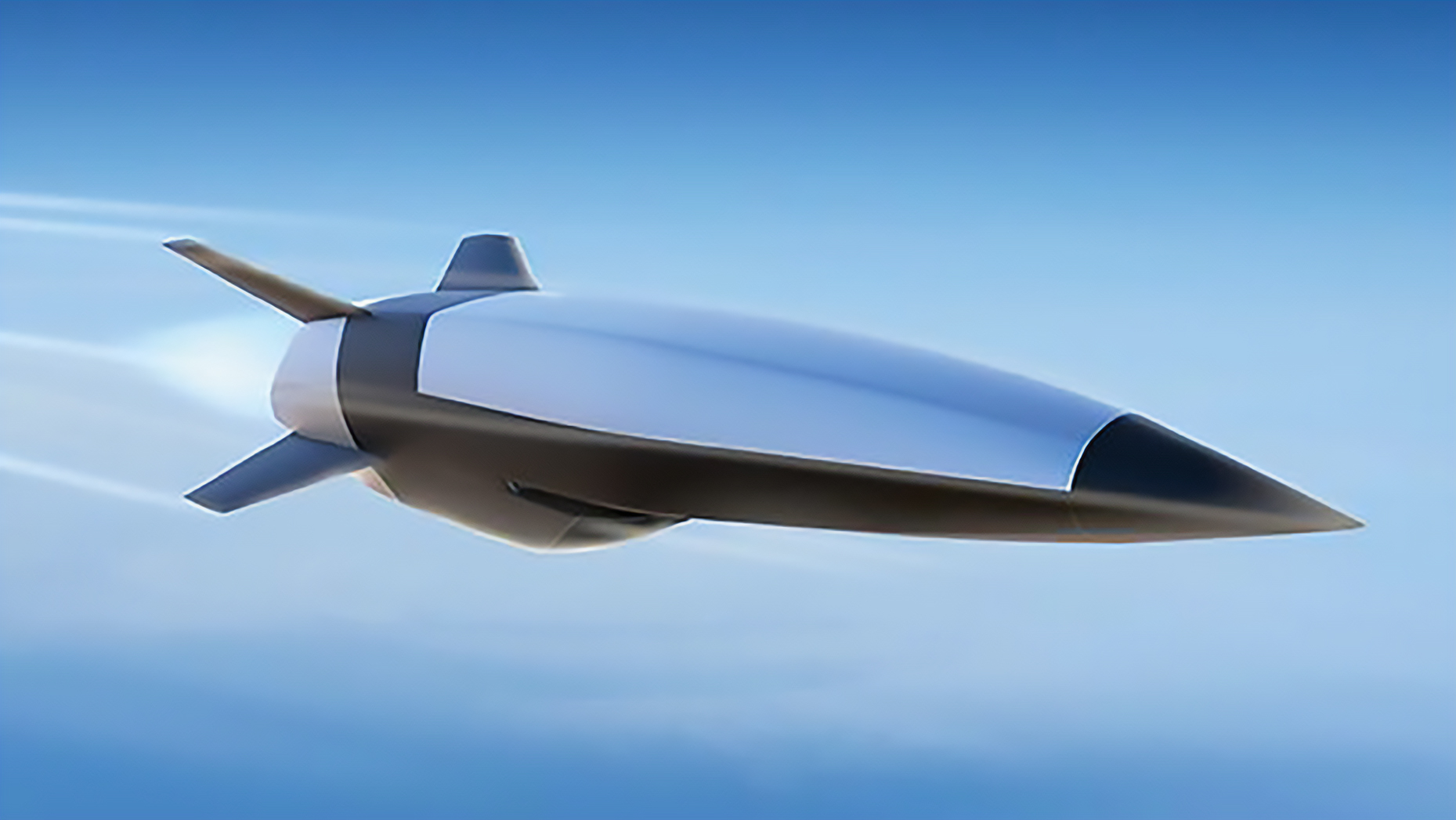


HACM Is The U.S. Hypersonic Cruise Missile, With Scramjet Engine, Flying Above Mach 5, Real-Time Maneuvering, And An Estimated Range Of Up To 1,850 Km To Penetrate Modern Defenses.
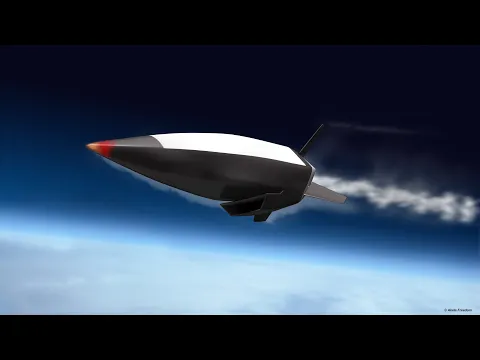
The Hypersonic Attack Cruise Missile, known by the acronym HACM, is one of the most ambitious projects under development in the field of hypersonic weapons. Unlike traditional ballistic or cruise missiles, the HACM was designed to combine extreme speed, sustained flight within the atmosphere, and continuous maneuverability—characteristics that bring it closer to the behavior of an aircraft than that of a conventional missile.
The project was born from the need to create a truly usable hypersonic vector in real war scenarios, following limitations observed in previous programs. The HACM is not an isolated technology demonstrator: it was conceived from the outset for operational integration with modern combat aircraft, drastically extending the range and lethality of attack aviation in highly defended environments.
The Technological Legacy of HAWC and The Evolution to An Operational System
The HACM is a direct descendant of the Hypersonic Air-breathing Weapon Concept (HAWC) program, which successfully conducted hypersonic flight tests with scramjet propulsion in the early 2020s. These tests proved that sustained combustion in hypersonic conditions was feasible outside of wind tunnels and simulations.
-
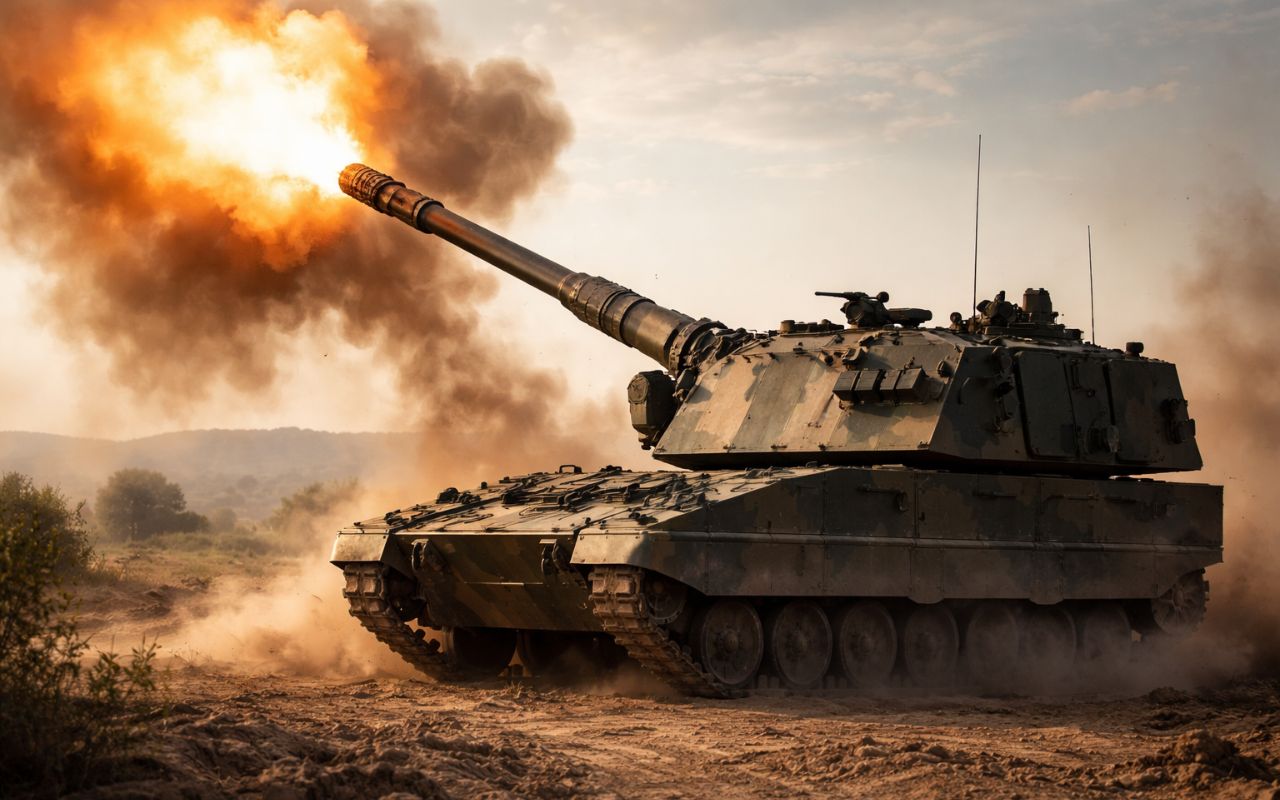
The German “steel monster” weighing 55 tons fires up to 10 projectiles per minute at over 40 km and avoids counterattacks on the battlefield by moving quickly to escape enemy attacks; meet the Panzerhaubitze 2000.
-
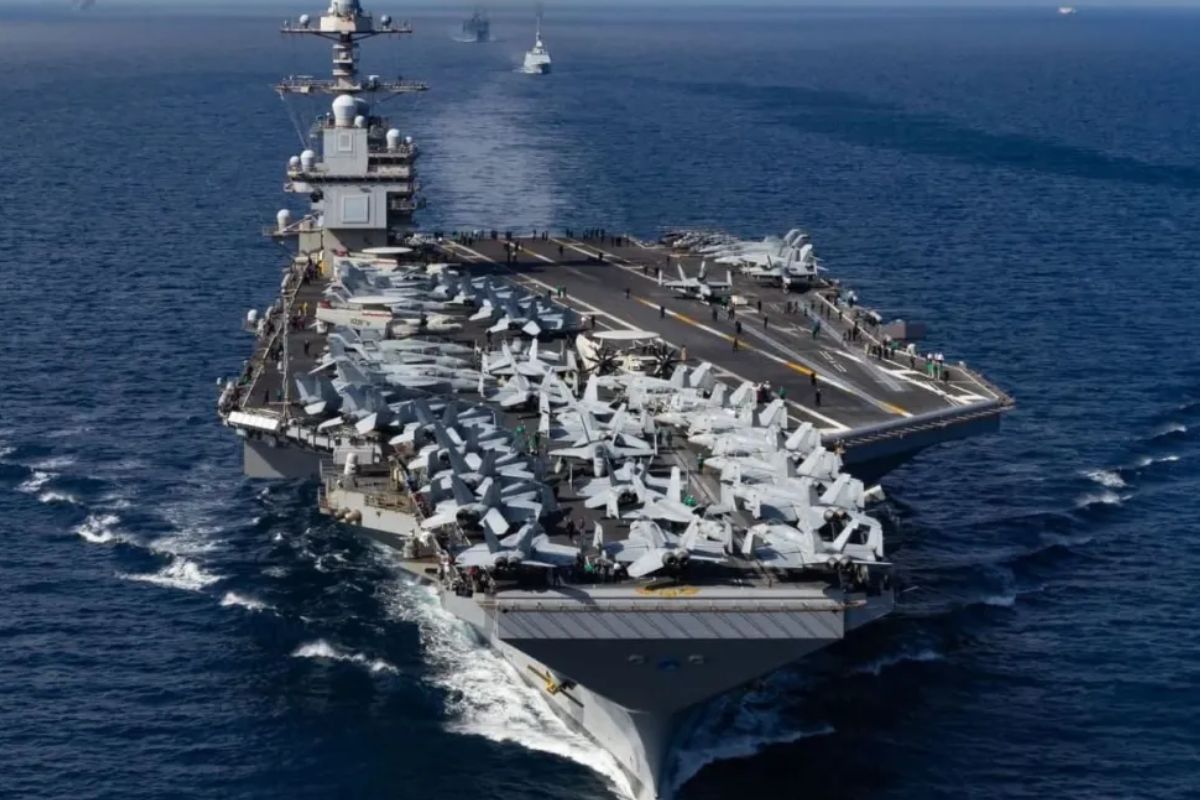
USS Gerald R. Ford, the largest aircraft carrier in the world, returns to sea after a fire in the laundry in the Red Sea; repaired in Crete, it resumes missions of Operation Epic Fury against Iran.
-
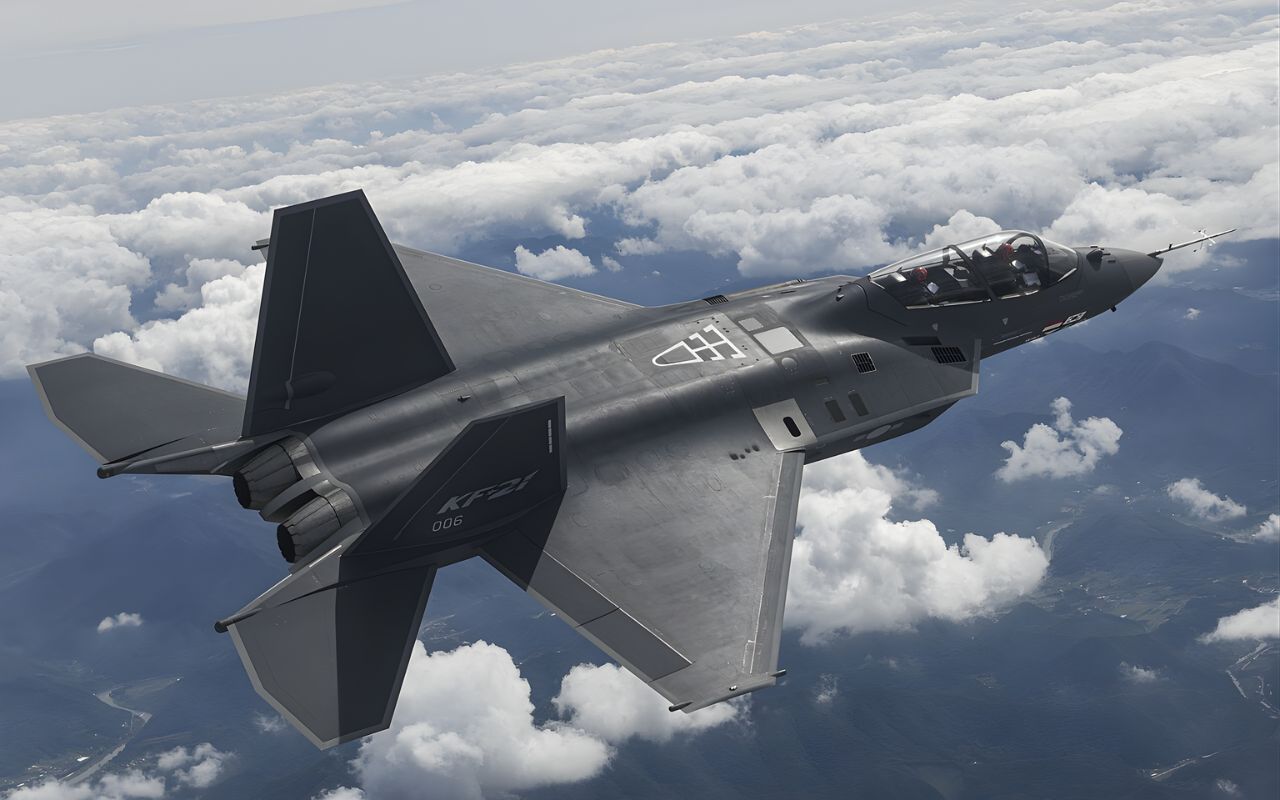
Military power: South Korea’s new KF-21 fighter jet will be a key component in replacing the aging aircraft of the air force, placing the country on the map of air military powers.
-
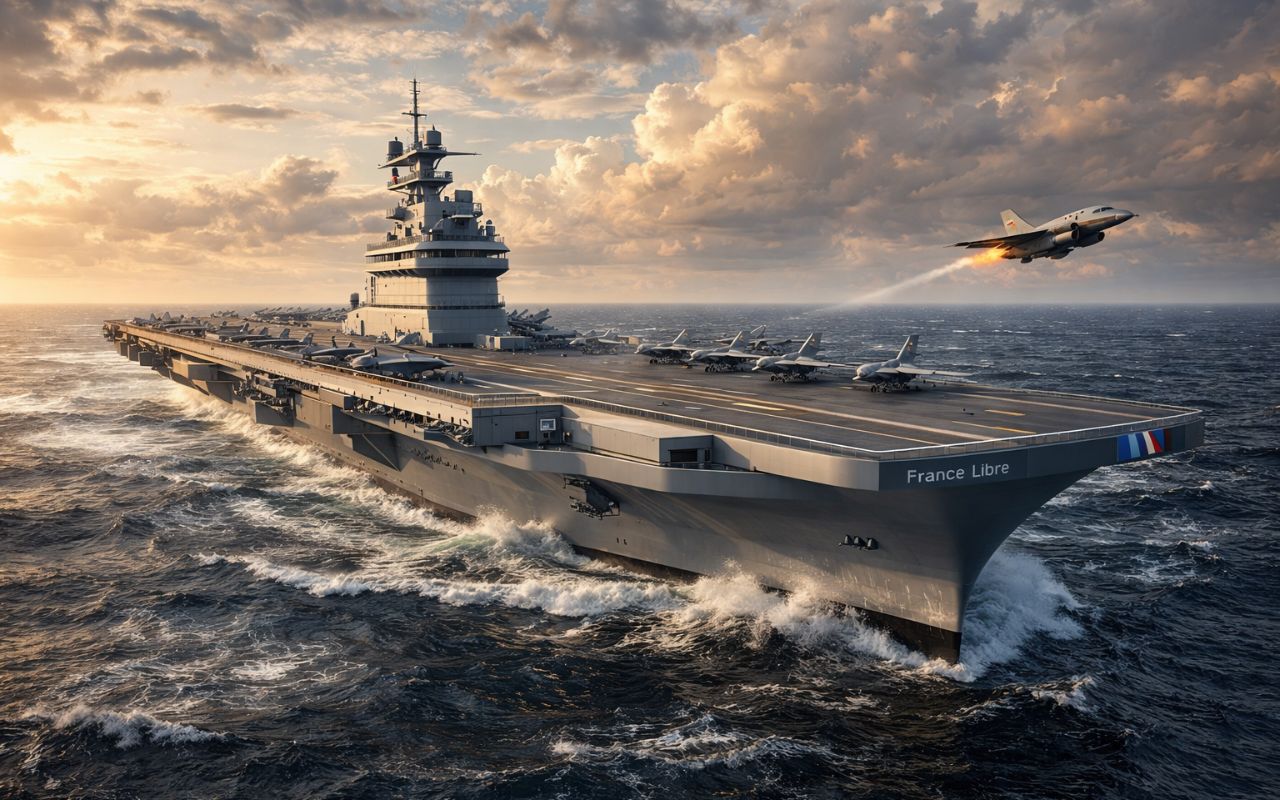
With 310 meters, 80 thousand tons, and capable of operating for 45 years, the new nuclear aircraft carrier France Libre will be the largest in France and will enter service in 2038.


Building on this foundation, the HACM progressed from an experimental concept to a project with clear military requirements.
The focus shifted from merely reaching Mach 5 or higher to including reliability, integration with existing airborne platforms, scalability of production, and use in real combat scenarios.
Scramjet Propulsion And The Use Of Atmospheric Air As Fuel
The technological heart of the HACM is its scramjet engine, which stands for Supersonic Combustion Ramjet. Unlike conventional jet engines, the scramjet has no compressors or turbines. Air compression occurs solely due to the missile’s extremely high speed.
At speeds above Mach 5, the air entering the intake is compressed and heated enough to allow the ignition of fuel without the need for moving parts. The engine utilizes the oxygen present in the atmosphere, drastically reducing the amount of oxidizer that needs to be carried on board and allowing for sustained hypersonic flight over extended periods.
This feature differentiates the HACM from hypersonic ballistic missiles, which rely on rockets and follow predictable trajectories, and from supersonic cruise missiles, limited by conventional engines.
Sustained Hypersonic Speed Above Mach 5
The HACM is designed to operate continuously above Mach 5, equivalent to over 6,000 km/h, potentially achieving even higher speeds depending on the flight profile and altitude.
The crucial point is not just the maximum speed but the ability to maintain it for a significant portion of the mission.

This speed reduces the enemy’s reaction time to just a few minutes, making it difficult to activate defensive systems and coordinate interception. Additionally, extreme aerodynamic heating creates additional challenges for enemy sensors and radars, degrading their ability to track accurately.
Estimated Range Of Up To 1,850 Km And Deep Penetration
Technical analyses and budget documents indicate that the HACM could reach approximately 1,000 nautical miles, equivalent to about 1,850 kilometers. This range allows launch aircraft to strike strategic targets well beyond the front lines, staying outside the densest zones of enemy air defense.
The combination of extended range, extreme speed, and maneuverable flight makes the HACM particularly suited for strikes against high-value targets, such as command centers, air bases, missile defense systems, and critical infrastructure.
Real-Time Maneuvering And Breaking Ballistic Predictability
One of the most revolutionary aspects of the HACM is its ability to maneuver continuously during hypersonic flight.
Unlike ballistic missiles, which follow calculable trajectories after launch, the HACM can change course, altitude, and attack vector in real time.
These maneuvers significantly complicate interception by missile defense systems, which rely on predictability to calculate meeting points between interceptor and target. Even small trajectory variations, when combined with hypersonic speeds, make interception extremely complex.
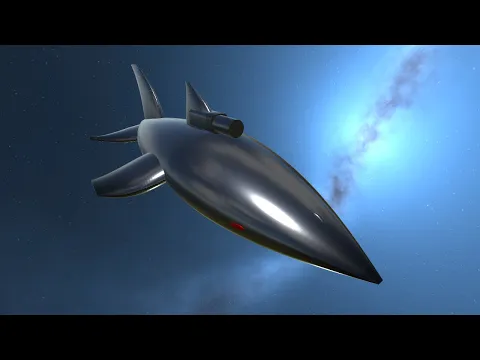
In practice, the HACM breaks with the logic of defense based on fixed ballistic trajectories.
Integration With Next-Generation Fighters And Bombers
The HACM was designed to be launched by modern combat aircraft, including fighters such as the F-15E Strike Eagle and the F-35A Lightning II, as well as strategic bombers like the B-52. This flexibility significantly broadens the array of scenarios for employing the missile.
Aerial launch allows the HACM to take advantage of the altitude and initial speed of the aircraft, optimizing scramjet performance and extending effective range. Furthermore, airborne platforms can be repositioned quickly, increasing strategic unpredictability.
The HACM is designed to operate in highly contested environments where integrated air defenses, long-range radars, and advanced missile defense systems make conventional attacks increasingly risky. It fits into the long-range precision strike doctrine, offering an alternative between strategic ballistic missiles and slower conventional weapons.
By enabling rapid, precise, and hard-to-intercept attacks, the HACM enhances deterrence capability and provides options for controlled escalation in high-intensity conflicts.
Timeline, Investments, And Technical Challenges
The development of the HACM involves billion-dollar investments and international cooperation, particularly between the United States and Australia.
Contracts awarded to the defense industry aim to transform the concept into an operational system over the second half of the 2020s.
Despite advancements, the project faces significant challenges, such as thermal management, scramjet reliability over extended flight durations, and full integration with existing command and control systems. These obstacles explain why hypersonic cruise weapons are still not common in the global arsenal.
Why HACM Could Redefine The Military Balance
If it fully achieves its objectives, the Hypersonic Attack Cruise Missile could redefine how air wars are planned and executed. It combines speed, range, maneuverability, and launch flexibility into a single vector, something that until recently was deemed unfeasible.
By flying above Mach 5, maneuvering in real-time for hundreds of kilometers, and using atmospheric air as a key component of propulsion, the HACM represents a technological leap that forces adversaries to completely rethink their defensive systems.
More than just a new weapon, it signifies the transition to an era where air supremacy is defined by the ability to operate in sustained hypersonic regimes.








Começou tarde, depois que Russia, China e até o Irã já tem. Vai levar uns 10 anos para ter um desses. É o gato gordo e preguiçoso querendo ver se ainda consegue correr para tentar pegar os ratos.
O ser humano não é capaz de criar absolutamente nada.
Porém é capaz de destruir tudo que foi criado para conforto nessa vida.
Se houvesse interesse em acabar com a fome, com as doenças que matam e destroem vidas o mundo seria melhor.
Investir em armas de destruição não é sabedoria é ignorância.
Os russos e chineses já utilizam regularmente este tipo de missil. Até o Iran já fábrica. Os Estados unidos estão atrasados nesta tecnologia. Russos já atingem mach 10
Aí mente,. Kkkk, macht 10? A tá, vc se refere a esse joguinho de procurar mulher né, dar macht kkk, vc é? Kkk
Essa combinação que foi descrita na matéria é inédita, a China e Rússia tem armas hipersonicas, mas não com toda essa combinação
O missel hipersonico russo mal chegou à ucrania e derreteu tudo por superaquecimento. Putin sabe! Nao tem capacidade de manobra, sendo facil e previvisel calcular a rota. A coisa não está resolvida não!
Se aparece o **** de turno, com história de Rússia e China, porque não salvaram no o sócio Maduro? Ou porque está tomando paú da Ucrânia?