





 Portuguese
  English
  Spanish
 3 min of reading


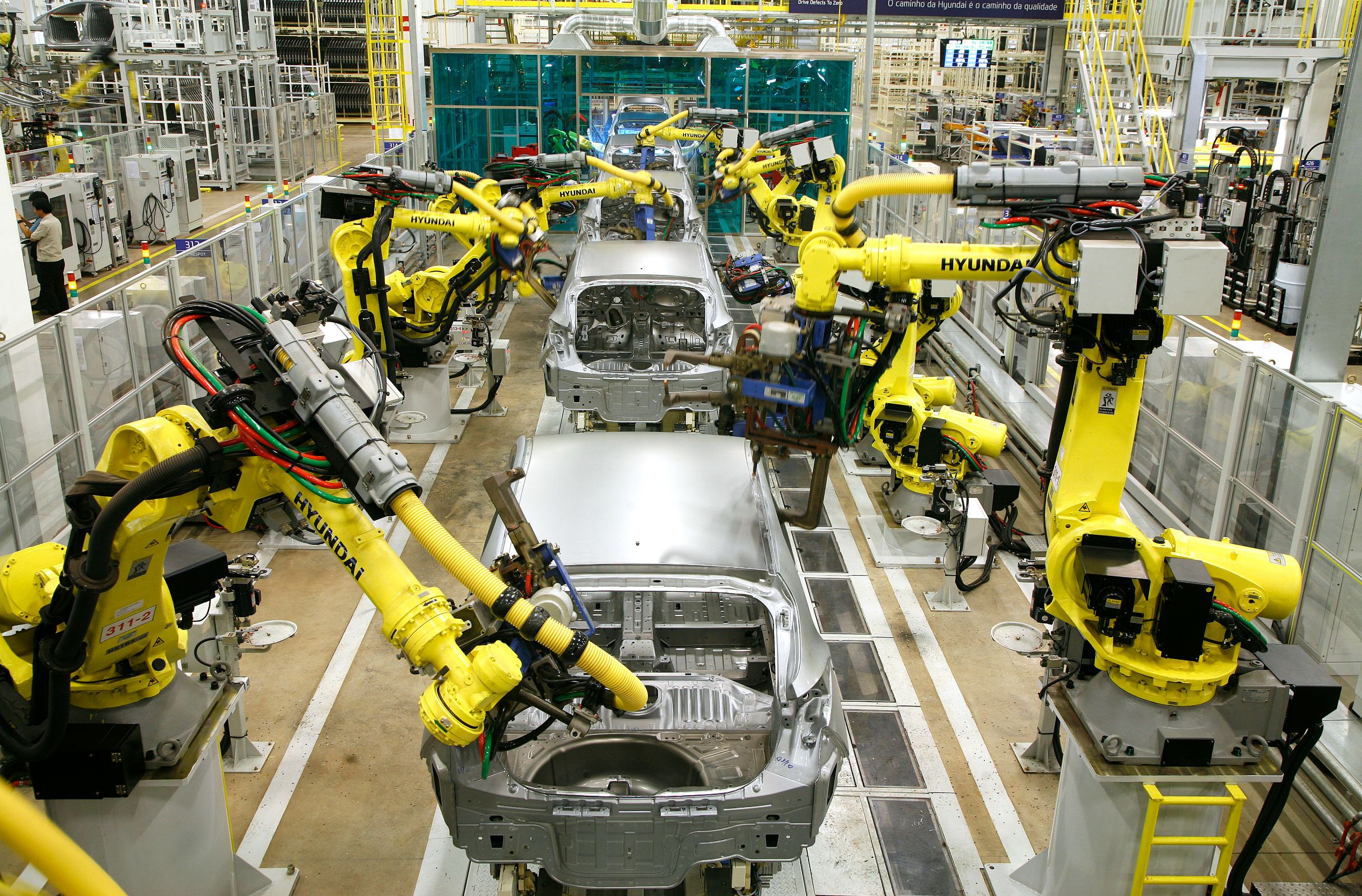
Hyundai Resumed Production of Only the First Shift at Its Factory in São Paulo Yesterday, Thursday
Hyundai resumed vehicle production at its factory in Piracicaba, São Paulo yesterday. However, the company returned with only one shift due to a shortage of semiconductors for manufacturing the HB20, HB20S, HB20X, and Creta models. The factory in the interior of São Paulo is going through a tough time, as the lack of components significantly delays the production process at the facility, where the company operates three shifts from Monday to Friday. See also: CNH Industrial has 200 job vacancies open for Sorocaba, São Paulo. Mechanics, welders, electricians, assistants, and more are invited
- Casa dos Ventos plans to invest around R$ 8.646 billion in wind farms in Bahia and create over 10,000 jobs
- BNDES intends to finance the installation of ten wind power plants in Piauí and Pernambuco creating over 1,000 jobs
- China wants to create a global platform for electric vehicles that promises to revolutionize the automotive industry
- São Paulo government launches program that will offer 20,000 job vacancies for parents of students in the state’s public schools
- Caretaker spends every penny of his salary to create a 1,200 hp Corsa with two engines capable of beating a Ferrari 488 Pista
Gradual Resumption of Hyundai’s Factory in São Paulo
According to the press office of the South Korean automaker, the resumption of the second and third shifts will occur on July 26. In a statement, Hyundai explains that the stoppage will continue until July 25, but work will resume the following day. They have been halted since June 21 and May 31, respectively – the previously announced date was this Monday (12).
The stoppages at the factory in the interior of São Paulo occurred, according to Hyundai, due to “unstable conditions” in the supply of electronic components. During this period, workers from the second and third shifts continue in a lay-off system, which is a temporary suspension of the employment contract.
-
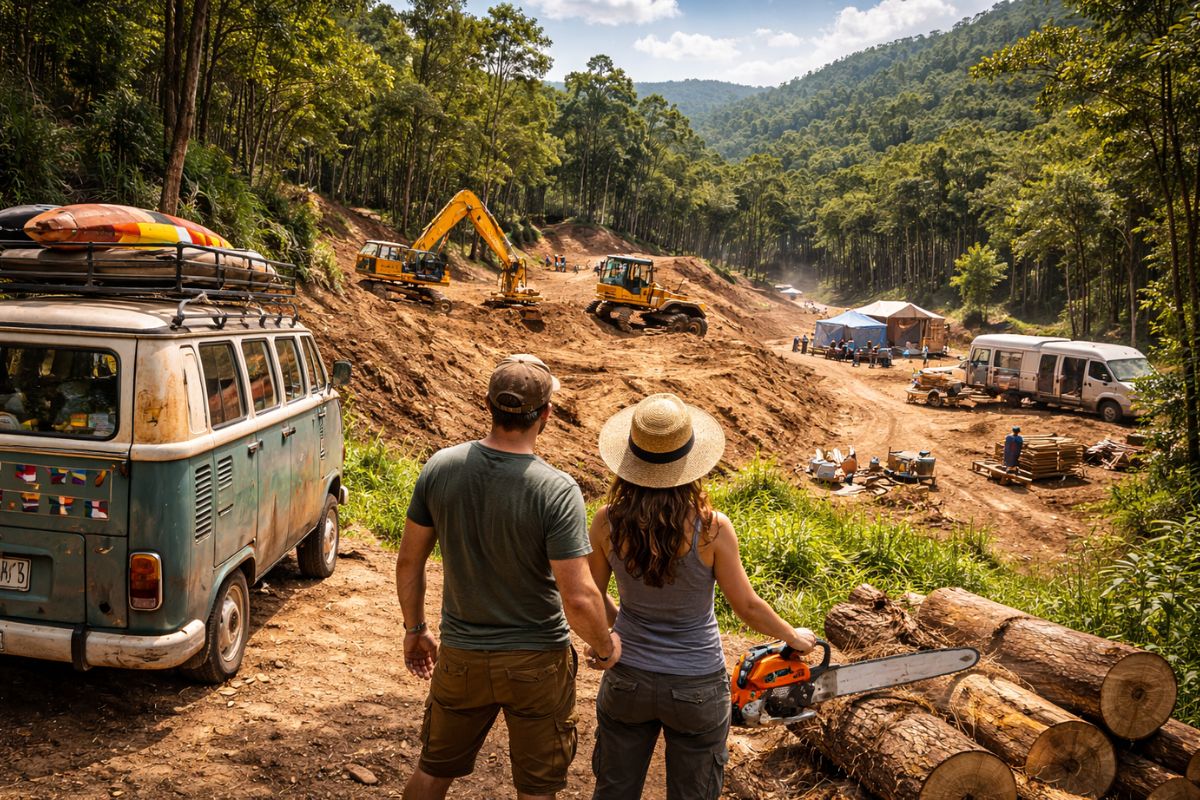
Couple that traveled by Kombi through many countries moves forward with the land in the south of SC: machines level the refuge in the woods, reinforce embankments, set up a construction camp, and train chainsaw operators to speed up the building process.
-
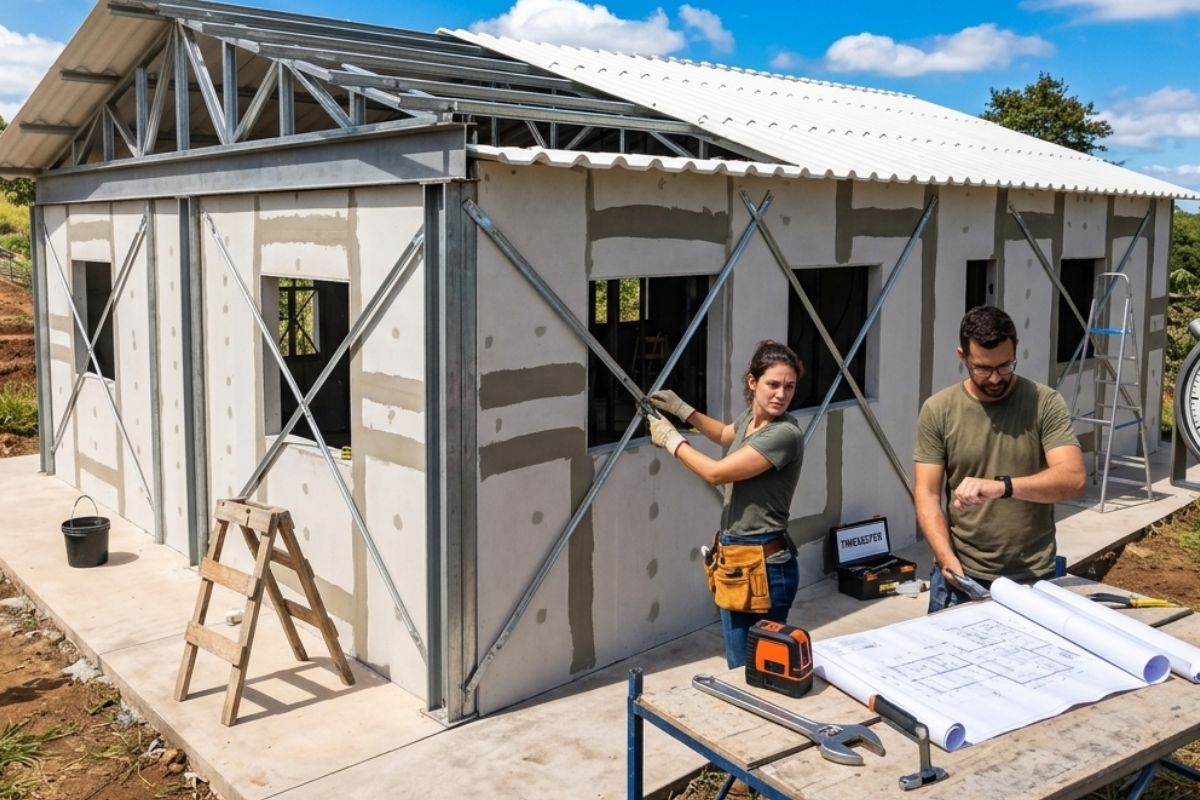
Couple leaves the city and builds a steel frame house in the countryside: sandwich roof, beams and columns secure the roof, X-braces prevent the walls from moving, and the 3-month deadline tightens.
-
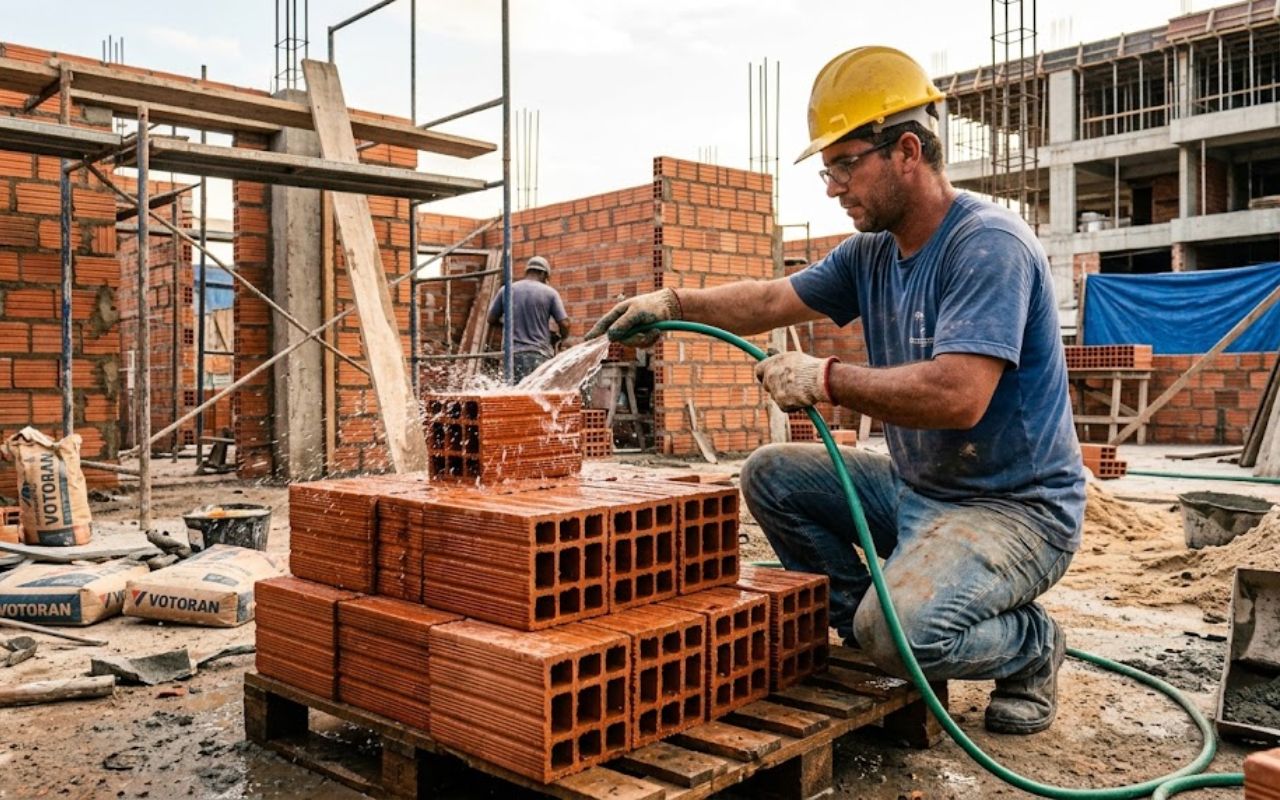
A simple technique of wetting the brick before laying it prevents cracks, improves the adhesion of the mortar, reduces fissures, and ensures stronger walls and more durable constructions.
-
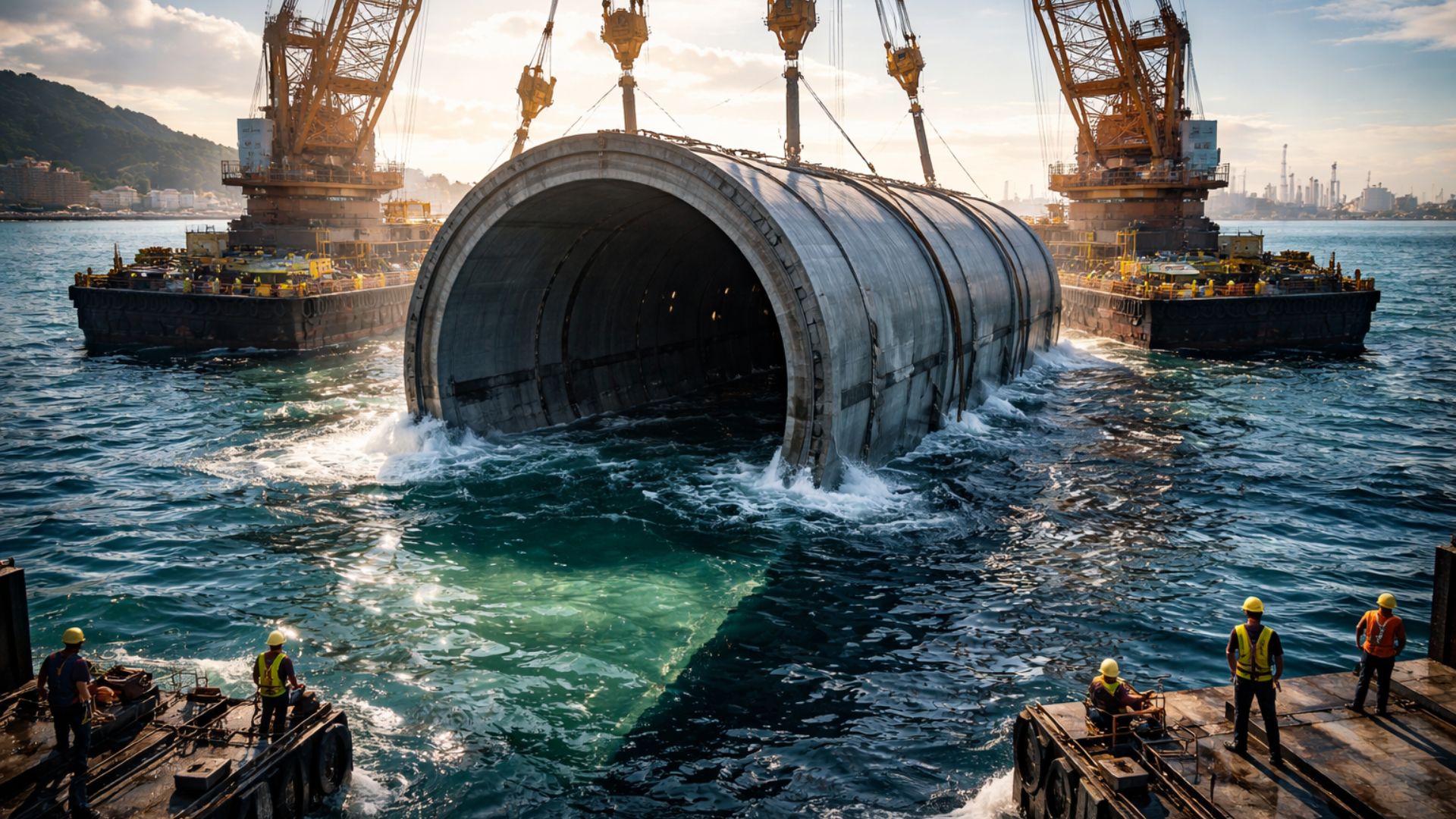
The government opens the vault and deposits R$ 2.6 billion for the construction of Brazil’s first underwater tunnel, with a length of 1.5 km, 870 m under the sea, a total project cost of R$ 6.8 billion, and a 30-year concession.
Reasons for Production Suspension at the Factory
The entire Piracicaba factory suspended operations, including vehicle production. This was due to a shortage of semiconductors, and the expected deadline for normalizing activities was until July 15 (yesterday). However, the two shifts that had previously been suspended by Hyundai at the Piracicaba factory will be reinstated on July 12.
As such, Hyundai lost one-third of its monthly vehicle production due to the stoppage in São Paulo, which will partially affect sales of the HB20 and other derivative models like the Creta SUV, which is awaiting a new generation.
Also Check: Hyundai Announces Reduction in the Production of Combustion Vehicles and Focus Will Be on Electric Cars
Following the steps of decarbonization and its competitors Volkswagen, Renault, Volvo, and Honda, the South Korean multinational Hyundai announced that it will reduce the number of combustion vehicles to make more investments in electric cars, two sources close to the automaker stated. The decision by Hyundai will result in a 50% cut in combustion vehicles, one of the sources said, indicating that the strategy was approved by the company’s management in March of this year.
Hyundai stated that it is accelerating the adoption of environmentally friendly models, such as those powered by hydrogen and batteries. The South Korean automaker also mentioned that it aims to have 100% of its vehicles electric by 2040. The Hyundai Motor Group, which owns the Hyundai, Kia, and Genesis brands, aims to sell about 1 million electric cars per year by 2025 to achieve a 10% share in the global electrified market.






Seja o primeiro a reagir!